Null Versandfehler. Null manuelles Scannen. Überprüfen Sie jede Palette bei voller Gabelstapler-Geschwindigkeit.
Die moderne Lieferkette ist ein Wunder der Effizienz – bis sie die Andockstelle erreicht. Das ist das „Black Hole“ der Logistik. Lagerhäuser und Distribution Centers (DCs) verarbeiten Millionen von Artikeln, doch der hektische Takt beim Be- und Entladen führt häufig zu kritischen Fehlern. Ein einziger Fehler bei einem gemischten Palettenaufbau kann eine Kettenreaktion aus Ausgleichszahlungen (Chargebacks), Reverse-Logistics-Kosten und Bestandsausfällen am Einzelhandelsziel auslösen.
LagerautomatisierungUnser AnsatzWas Sie erhaltenFallstudie
Das Problem
Das Chaos der 'letzten 100 Fuß'
Die moderne Lieferkette ist ein Wunder der Effizienz – bis sie die Andockstelle erreicht. Das ist das „Black Hole“ der Logistik. Lagerhäuser und Distribution Centers (DCs) verarbeiten Millionen von Artikeln, doch der hektische Takt beim Be- und Entladen führt häufig zu kritischen Fehlern. Ein einziger Fehler bei einem gemischten Palettenaufbau kann eine Kettenreaktion aus Ausgleichszahlungen (Chargebacks), Reverse-Logistics-Kosten und Bestandsausfällen am Einzelhandelsziel auslösen.
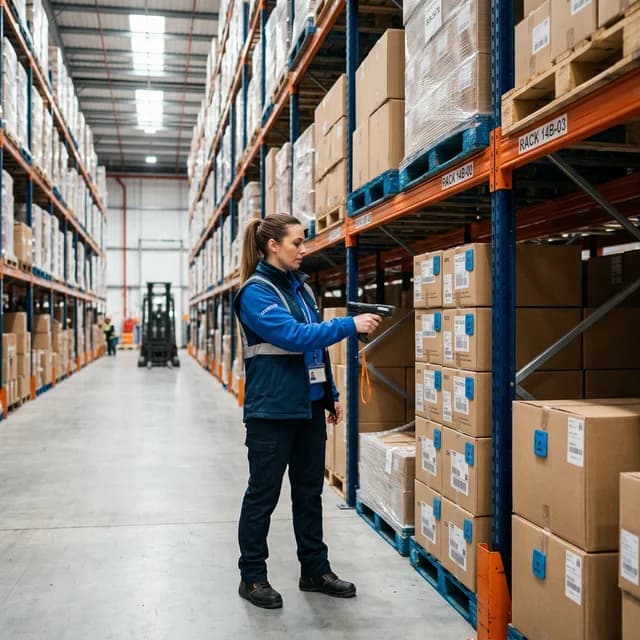
Manuelles Scannen ist der Engpass. Es erfordert Sichtkontakt. Es verlangt von einer Person, anzuhalten, auszurichten und zu scannen. In einem hochvolumigen Cross-Docking-Betrieb bleibt dafür schlicht keine Zeit, jedes Paket einzeln zu scannen. Also raten die Mitarbeitenden: Sie scannen das Palettenetikett und *gehen davon aus*, dass der Inhalt stimmt. Sie wissen es nicht.
Außerdem laufen Returnable Transport Items (RTIs) – die Kunststoffboxen, Gitterboxen und Paletten, die diese Waren transportieren – aus dem System. Unternehmen verlieren jährlich Millionen, nur weil sie dieselben Kunststoffbehälter immer wieder neu kaufen, ohne Transparenz darüber zu haben, wohin sie verschwinden.
Haupt-Schmerzpunkte 01
Versandgenauigkeit
Die Branchendurchschnitt für Versandgenauigkeit liegt bei etwa 95-97%. Diese 3% Fehlerquote entspricht Millionenbeträgen an Strafen und Korrekturmaßnahmen. Sie bezahlen für den Versand dorthin, Sie bezahlen für den Rückversand, und Sie bezahlen die Strafe.
Haupt-Schmerzpunkte 02
Cross-Docking-Paralyse
Um eine zu zerlegende Palette zu überprüfen, muss sie bereitgestellt, entstapelt, gescannt und wieder gestapelt werden. Dieser 'Griff' fügt Arbeitskosten und Zeit hinzu und vereitelt den gesamten Zweck des schnellen Cross-Dockings.
Haupt-Schmerzpunkte 03
RTI-Schwund
Wiederverwendbare Assets werden wie Verbrauchsmaterialien behandelt. Ohne Tracking werden sie von nachgelagerten Partnern gehortet oder entsorgt, was einen massiven, unsichtbaren Kapitalabfluss erzeugt.
Unser Ansatz
Automatisierte Portalverifizierung
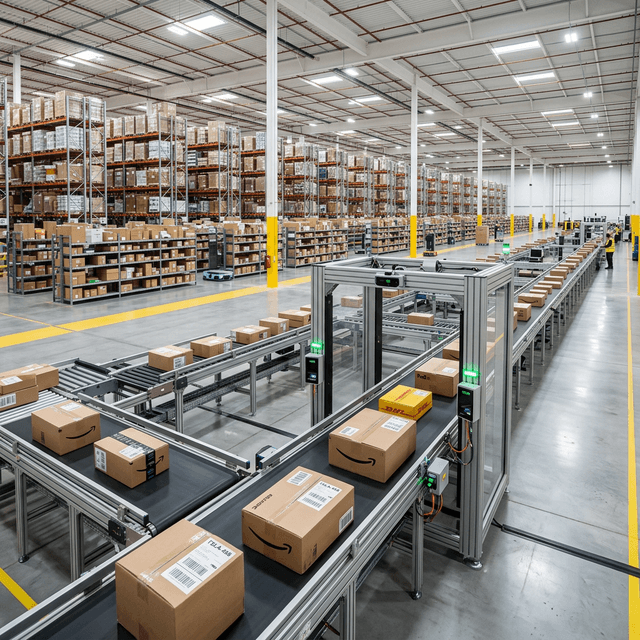
Nextwaves macht die Laderampeingangstür zum Daten-Erfassungs-Knotenpunkt. Wir installieren robuste RFID-Portale mit Richtantennen mit hoher Verstärkung an jedem Ein- und Ausfahrtsbereich. Während ein Gabelstapler mit voller Geschwindigkeit durchfährt, aktiviert das System die Tags auf der Palette, in den Cases und in den darin befindlichen Artikeln.
Innerhalb von Millisekunden vergleicht das System das Leseereignis mit der Advanced Shipping Notice (ASN) oder dem Auftrag aus dem Warehouse Management System (WMS). Es prüft: Ist das die richtige Palette? Hat sie die richtigen Cases? Geht sie zum richtigen LKW? Verlässt sie das Tor zur richtigen Zeit?
Ist die Ladung korrekt, erhält der Fahrer ein grünes Signal. Bei einem Fehler – ein zusätzliches Case, ein fehlender Artikel oder ein falsches Ziel – löst das System sofort ein rotes Licht und einen akustischen Alarm aus. Der Fehler wird an der Quelle erkannt, bevor er jemals die Anlage verlässt.
Was Sie erhalten
Operative Exzellenz
01
100% Versandvalidierung
Eliminieren Sie Rückbelastungen. Der Versandnachweis ist digital und unstrittig.
02
20x schnelleres Processing
Überprüfen Sie 50+ Kartons in 1 Sekunde. Kein Anhalten. Kein manuelles Scannen. Einfach fließen.
03
Asset-Rückgewinnung
Verfolgen Sie RTIs auf ihrem Weg durch die Lieferkette. Machen Sie Partner für verlorene Behälter verantwortlich.
04
Echtzeit-Transparenz
Aktualisieren Sie Ihr ERP sofort. Wissen Sie genau, wann Güter angekommen und abgegangen sind.
Fallstudie
Fallstudie: 3PL und Autoteile
Ein großer Drittanbieter-Logistikdienstleister, der Autoteile abwickelte, sah sich schweren Strafen wegen Fehlversands von Teilen an Montagewerke aus. Just-in-Sequence-Anforderungen bedeuteten, dass ein falsches Teil die Autolinie stoppte.
Eine Laderampentür ist eine der härtesten Umgebungen für RFID: Metallwände, Gabelstapler mit hoher Geschwindigkeit und Tags auf eng gepackten Paletten direkt nebeneinander. Wir entwerfen für dieses Chaos – von Grund auf. Richtantennen und Bewegungssensoren stellen sicher, dass der Leser nur feuert, wenn ein Fahrzeug die Schwelle überquert, und nur Tags erfasst, die sich in die richtige Richtung bewegen.
Unsere Software integriert sich direkt in Ihre ASN-Daten. Sie protokolliert nicht nur „Tag erkannt“ – sie prüft, ob die richtigen Cases auf der richtigen Palette sind, ob die Palette zum richtigen LKW unterwegs ist und ob nichts von der erwarteten Ladung fehlt. Eine Abweichung löst einen sofortigen Alarm aus, bevor die Türen schließen.
Das Ergebnis ist eine prüfbare, zeitgestempelte Aufzeichnung jeder Sendung. Wenn ein Kunde eine Lieferung bestreitet, haben Sie den Beleg.
Was kommt als Nächstes
Das sich selbst verwaltende Lager
Der nächste Schritt ist ein Lager, das niemanden braucht, der über die Fläche läuft, um zu wissen, was darin ist. RFID-ausgestattete Drohnen und Roboter können nachts Zählungen in Hochregalen durchführen und das WMS bis zum Morgen aktualisieren – ohne dass ein Mitarbeitender auch nur einen Scanner anfassen muss.
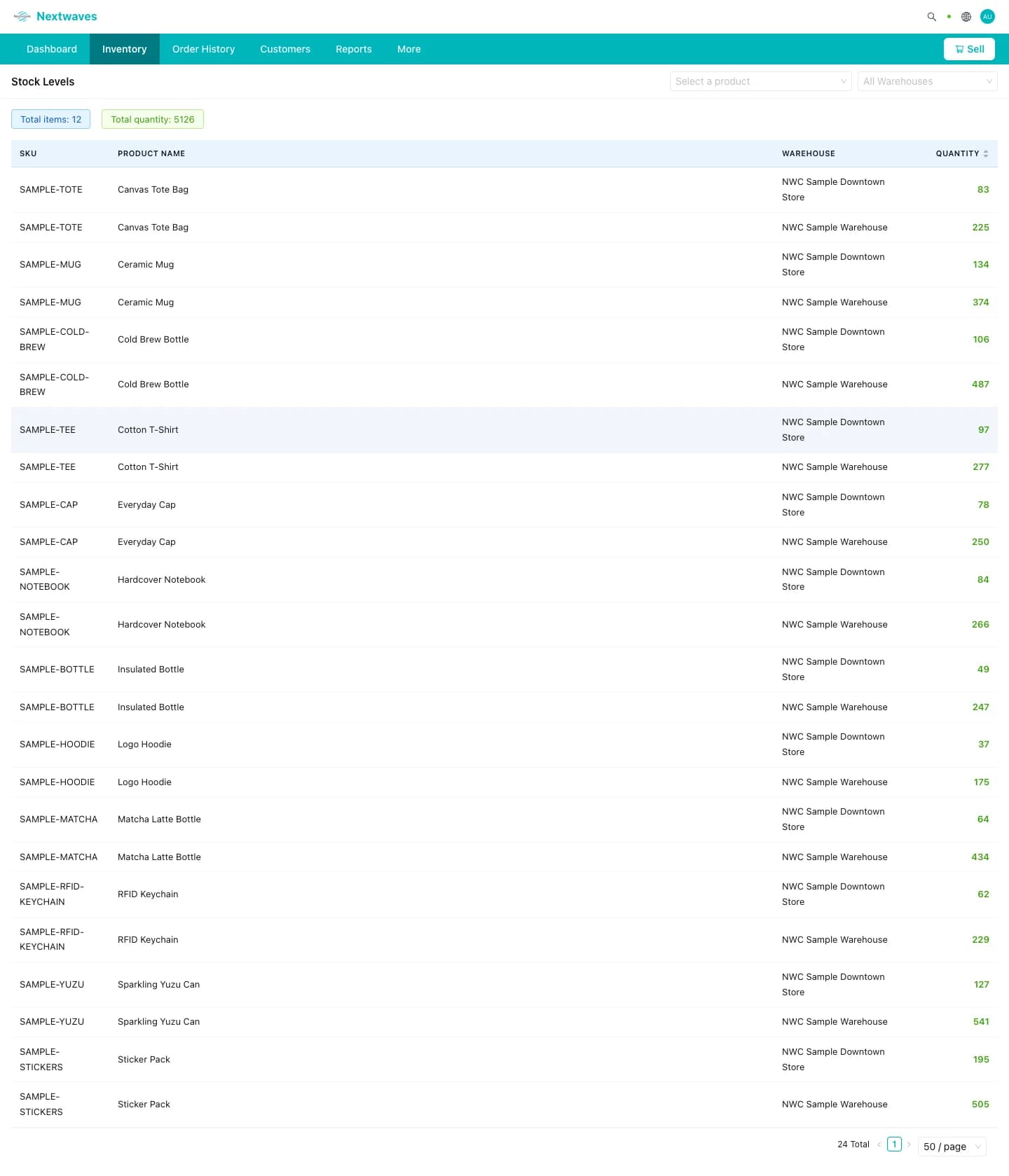
Wir integrieren RFID-Sensordaten bereits mit Modellen zur vorausschauenden Nachbestellung. So verfolgt das System nicht nur Bestände, sondern antizipiert, was Sie brauchen, und initiiert Bestellungen, bevor Ihnen die Ware ausgeht.
Starter-Kits
RFID-Starter-Kits für den echten Einsatz
Ab1.490 $
Lager-Starter-Kit
Komplettes RFID-Kit für Lager. Einstecken, taggen, scannen – vollständiger Bestand in 15 Minuten.