Wiederholte Belastung
Manuelles Scannen von Tausenden von Büchern verursacht wiederholte Belastungsverletzungen (RSI) beim Personal.


Bibliotheken sind Treffpunkte für die Community, doch Bibliothekspersonal fühlt sich oft wie Lagerpersonal. Die Zeit geht für manuelles Ein- und Ausbuchen von Büchern drauf, fürs Sortieren von Rückgaben und fürs Suchen falsch einsortierter Medien mithilfe von Barcode-Scannern mit Sichtkontakt.
Besucher wünschen sich Komfort. Sie möchten ein Buch einfach greifen und losgehen – oder es rund um die Uhr zurückgeben, ohne in der Schlange zu warten. Herkömmliche EM-Sicherheitsstreifen schützen zwar vor Diebstahl, bieten jedoch keine intelligenteren Bestandsinformationen.
Das Ergebnis ist eine reibungsvolle Erfahrung: Statt sich mit der Community zu beschäftigen, ist das Personal in administrativen Tätigkeiten vergraben.
Manuelles Scannen von Tausenden von Büchern verursacht wiederholte Belastungsverletzungen (RSI) beim Personal.
Ein falsch einsortiertes Buch ist ein verlorenes Buch. Ohne RFID ist das Finden eines Buches im falschen Regal wie die Suche nach einer Nadel im Heuhaufen.
Stoßzeiten erzeugen lange Schlangen am Ausleihschalter und frustrieren die Benutzer.
Nextwaves bringt die Bibliothek ins moderne Zeitalter – mit HF/NFC- und UHF-RFID-Lösungen. Wir setzen einen dünnen, unsichtbaren RFID-Tag in den Rücken oder das Cover jedes Buchs ein.
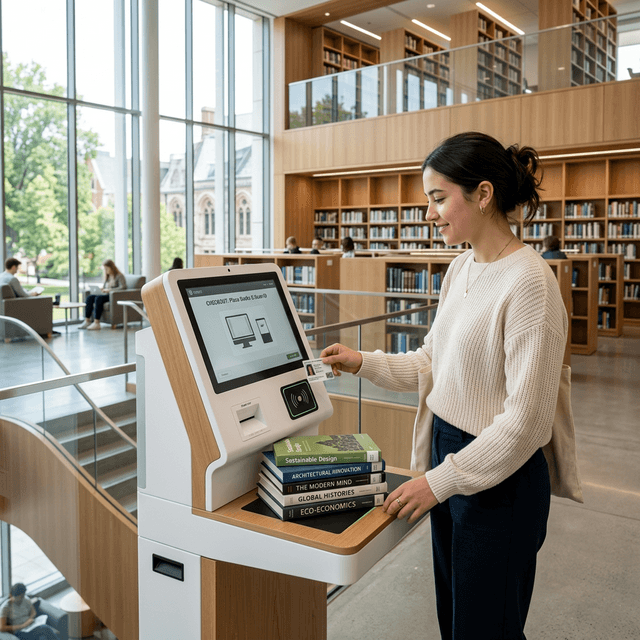
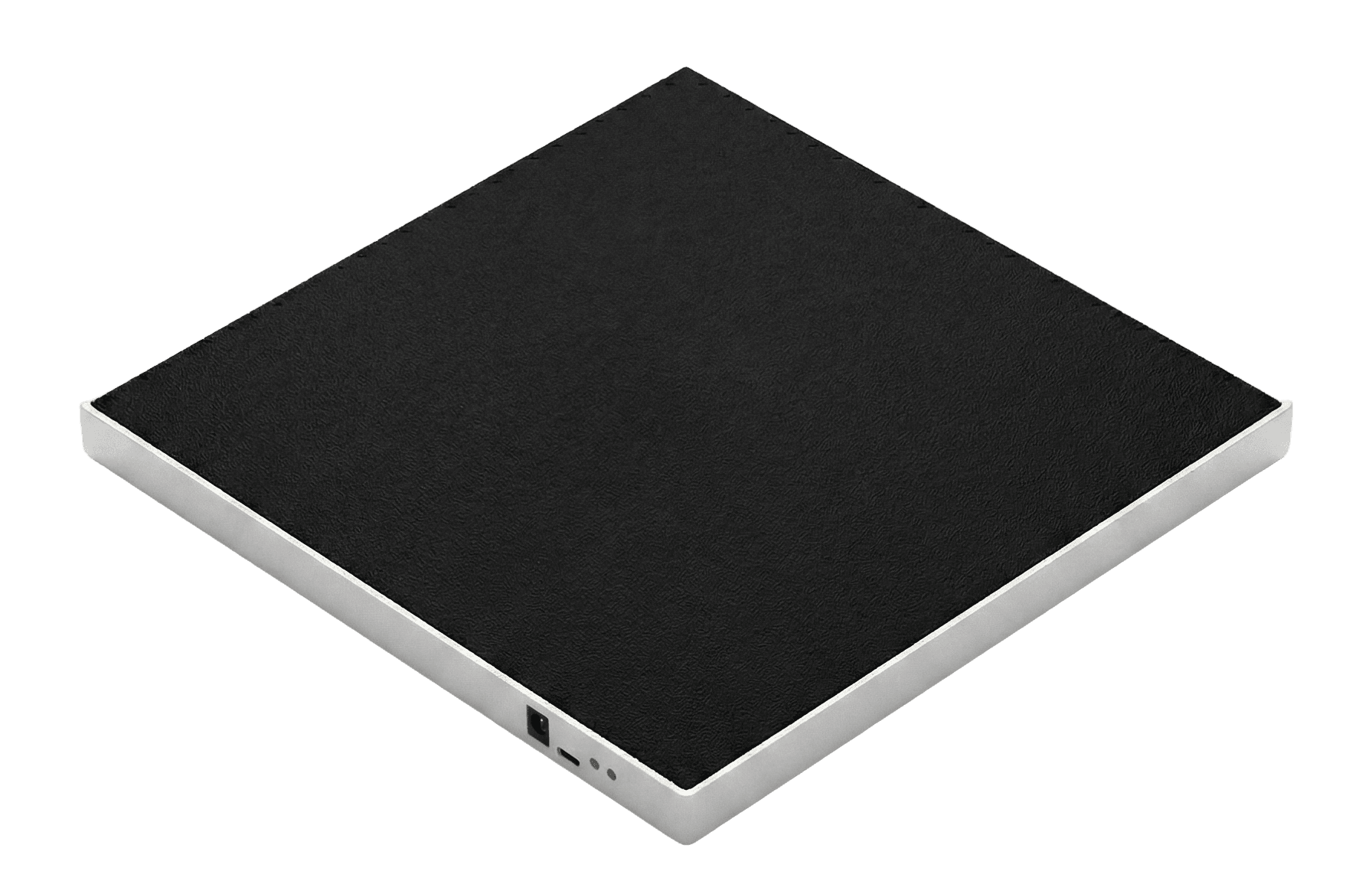
Self-Checkout-Kioske ermöglichen es Besuchern, 5–10 Bücher gleichzeitig auf das Pad zu stapeln. Das System liest sie sofort, deaktiviert den Security-Bit und druckt in Sekunden einen Beleg.
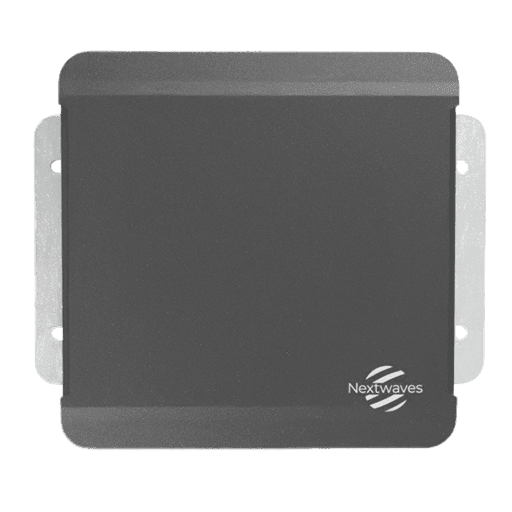
Smart Return Chutes (AMH) nehmen Bücher rund um die Uhr an. Während das Buch durch den Schlitz gleitet, wird es gescannt, verbucht und sogar automatisch in Zonen zum Wiedereinstellen einsortiert. Mitarbeitende können mit Handheld-Wands die Regale abgehen, finden sofort verlorene Bücher und verifizieren die richtige Einordnung.
Ermöglichen Sie Benutzern, Artikel sofort auszuleihen und zurückzugeben und reduzieren Sie Schlangen.
Finden Sie ein falsch einsortiertes Buch in Sekunden, indem Sie einfach mit einem Scanner den Gang entlanggehen.
Automatische Buchrückgaben aktualisieren das Benutzerkonto sofort.
Bibliothekare wechseln von 'Buchhandlern' zu 'Informationsspezialisten'.
Eine neue Zentralbibliothek wollte mit einem 'personalosen' Ausleihmodell eröffnen, um das Budget für Gemeinschaftsprogramme zu maximieren.
Die Umstellung des gesamten Bestands einer Bibliothek ist ein bedeutendes Vorhaben – deshalb entwickeln wir für das Nebeneinander. Unsere Hybrid-Tags enthalten sowohl den bestehenden Barcode als auch einen neuen RFID-Chip in demselben Label. So bleibt Ihr bestehendes ILS weiter funktionsfähig, während Ihr Team Schritt für Schritt auf RFID-Workflows umstellt – im eigenen Tempo.
Für die meisten öffentlichen Bibliotheken empfehlen wir HF (13,56 MHz). Dies ist dieselbe Frequenz wie bei Zahlungskarten und NFC-Telefonen – ideal für Präzision und den Schutz der Privatsphäre von Besuchern. Große wissenschaftliche Archive, die massenhaft Bestände mit zehntausenden Medien verwalten, profitieren von der Geschwindigkeit von UHF. Wir bewerten Ihren Bestand und empfehlen die passende Frequenz – kein Einheitsansatz.
RFID macht das Modell der „unbesetzten Stunden“ realisierbar. Registrierte Besucher erhalten über ihre Mitgliedskarte Zugang zum Gebäude, können Bücher eigenständig entdecken und ausleihen und Medien über automatisierte Rückgabesysteme zurückgeben – zum Beispiel dienstags um 22:00 Uhr oder sonntags um 6:00 Uhr.
Die gleiche Infrastruktur ermöglicht dem Personal Bestandsintelligenz: Ein Handheld-Wand-Scan eines kompletten Regalgangs dauert nur Minuten und deckt jedes falsch einsortierte Medium auf. Was früher einen kompletten Arbeitsschift einer Bibliothekskraft erforderte, dauert jetzt nur noch wenige Minuten zu Beginn des Tages.
Schützen Sie Laptops und IT-Geräte mit RFID-Sicherheitsgates, metallbeständigen Tags und automatisierten Audits.
Schaffen Sie ein nahtloses, modernes Erlebnis für Ihre Benutzer.