Stoppen Sie Umsatzverluste durch Phantom-Inventar. Wissen Sie genau, was Sie haben, wo es ist, jede Stunde jedes Tages.
Seit über fünfzig Jahren bildet der Universal Product Code (UPC)-Barcode das Rückgrat des Einzelhandels. Er standardisierte den Handel, ermöglichte das Scannen an der Kasse und machte das erste Generationen-Computersystem zur Bestandsverwaltung möglich. Doch der Barcode hat einen fatalen Makel: Er ist blind. Er benötigt Sichtkontakt, erfordert manuelle Eingriffe und kann zwei identische Artikel nicht unterscheiden. Diese Einschränkung führte zu einer weltweiten Krise, die als „Inventory Distortion“ bekannt ist – ein Problem in Billionenhöhe, bei dem Händler schlicht nicht wissen, was sie tatsächlich haben.
Einzelhandel-BestandssichtbarkeitUnser AnsatzWas Sie erhaltenFallstudie
Das Problem
Das Bestandsverzerrungsproblem
Seit über fünfzig Jahren bildet der Universal Product Code (UPC)-Barcode das Rückgrat des Einzelhandels. Er standardisierte den Handel, ermöglichte das Scannen an der Kasse und machte das erste Generationen-Computersystem zur Bestandsverwaltung möglich. Doch der Barcode hat einen fatalen Makel: Er ist blind. Er benötigt Sichtkontakt, erfordert manuelle Eingriffe und kann zwei identische Artikel nicht unterscheiden. Diese Einschränkung führte zu einer weltweiten Krise, die als „Inventory Distortion“ bekannt ist – ein Problem in Billionenhöhe, bei dem Händler schlicht nicht wissen, was sie tatsächlich haben.
Im modernen Omnichannel-Zeitalter ist diese Blindheit existenziell. Wenn ein Kunde online einen Artikel bestellt, um ihn im Geschäft abzuholen (BOPIS), prüft das System die Bestandsdatenbank. Die Datenbank sagt „Quantity: 1“. Aber ist er da? Liegt er im Backroom? Im Anprobebereich? Wurde er gestohlen? Oder wurde er gestern verkauft und die Datenbank wurde nicht aktualisiert?
Das Ergebnis ist eine fragile Lieferkette, abgefedert durch „Safety Stock“ – überschüssige Bestände, die nur gekauft werden, um die Ungenauigkeiten in den Daten zu kaschieren. Einzelhändler ertrinken in Beständen, die sie nicht verkaufen können, während ihnen gleichzeitig Verkäufe für Artikel entgehen, die sie „haben“, die sie aber nicht finden. Der manuelle Zählzyklus – die traditionelle Lösung – ist dafür zu langsam, zu teuer und zu fehleranfällig. Die Branche braucht einen Paradigmenwechsel von „scanning“ zu „sensing“.
Haupt-Schmerzpunkte 01
Phantom-Inventar
Datendrift beinhaltet die schrittweise Entkopplung der physischen Realität von digitalen Aufzeichnungen. 'Phantom-Inventar' tritt auf, wenn Systeme Bestand anzeigen, der nicht existiert, was dazu führt, dass 22 % der BOPIS-Bestellungen storniert werden und die Kundenloyalität zerstört.
Haupt-Schmerzpunkte 02
Arbeitsauslastung
In einem Nicht-RFID-Laden verbringen Mitarbeiter 20-30 % ihrer Zeit mit der Suche nach Produkten oder manuellen Zählungen. Dies ist teure Arbeitszeit, die vom Hauptziel – Kundenservice und Verkauf – abgelenkt wird.
Haupt-Schmerzpunkte 03
Schwund & Graue Märkte
Ohne serialisierte Identität (EPC) ist ein gestohlenes Item nur 'minus eins'. Einzelhändler können Muster organisierter Einzelhandelskriminalität (ORC) nicht verfolgen oder feststellen, ob zurückgegebene Waren tatsächlich Fälschungen aus grauen Märkten sind.
Unser Ansatz
Die Digital-Twin-Architektur
Nextwaves implementiert eine „Source-to-Store“-Architektur auf Basis des EPC Gen2 V2 Standards. Der Einstieg erfolgt nicht im Geschäft, sondern an der Produktionsstätte. Indem wir ein passives UHF RFID-Inlay in Care-Label oder Preisticket im Werk integrieren, geben wir jedem einzigartigen Artikel eine digitale Identität – einen serialisierten Electronic Product Code (EPC).
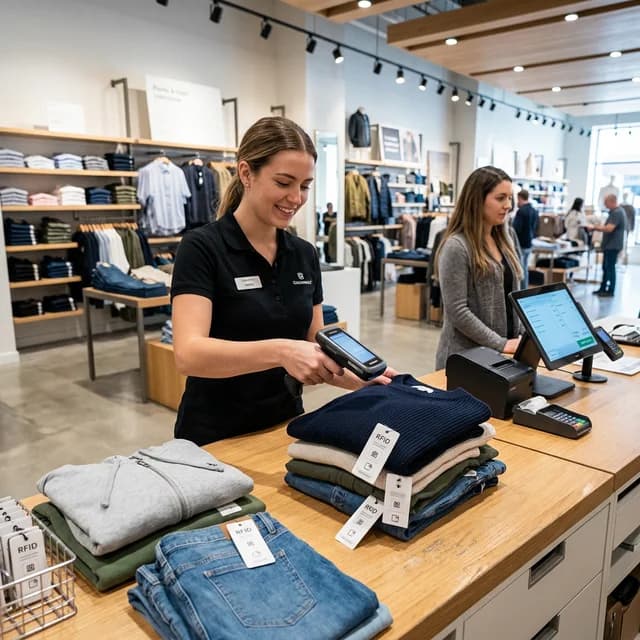
Wenn diese Artikel durch die Lieferkette wandern, passieren sie „Read Points“ – Tunnel-Leser in Verteilzentren, Overhead-Arrays in Staging-Bereichen und schließlich Handheld-Scans im Einzelhandelsgeschäft. Im Gegensatz zu Barcodes nutzen diese Scanner Funkwellen, um die Tags zu aktivieren, sodass sie Hunderte von Artikeln pro Sekunde erfassen können – ohne Sichtkontakt.
So entsteht ein Echtzeit-„Digital Twin“ des Bestands. Wenn eine Sendung im Geschäft ankommt, wird sie nicht manuell gezählt, sondern sofort verifiziert. Wenn ein Kunde ein Hemd anprobiert, erkennt ein smartes Anprobierzimmer es. Wenn ein Artikel das Geschäft verlässt, aktualisieren die EAS-Gates den Bestand sofort. Wir wechseln von „Inventory Estimation“ zu „Inventory Certainty“.
Was Sie erhalten
Strategischer ROI & Impact
01
99,9 % Genauigkeit
Erzielen Sie absolute Bestandssicherheit. Ermöglichen Sie 'Available to Promise' (ATP) für E-Commerce ohne Pufferbestand.
02
Conversion-Steigerung
Pilotdaten zeigen eine konsistente Umsatzsteigerung von 5-15 %. Wenn es auf der Fläche ist, verkauft es sich. Wenn es im Lager ist, nicht.
03
Verlustintelligenz
Nicht nur an der Tür piepen. Wissen Sie genau, WAS gestohlen wurde, WANN, und ersetzen Sie es sofort.
04
Intelligente Erlebnisse
'Magic Mirrors' ermöglichen, passende Artikel basierend auf dem zu empfehlen, was der Kunde in die Umkleidekabine gebracht hat.
Fallstudie
Fallstudie: Uniqlos RFID-Transformation
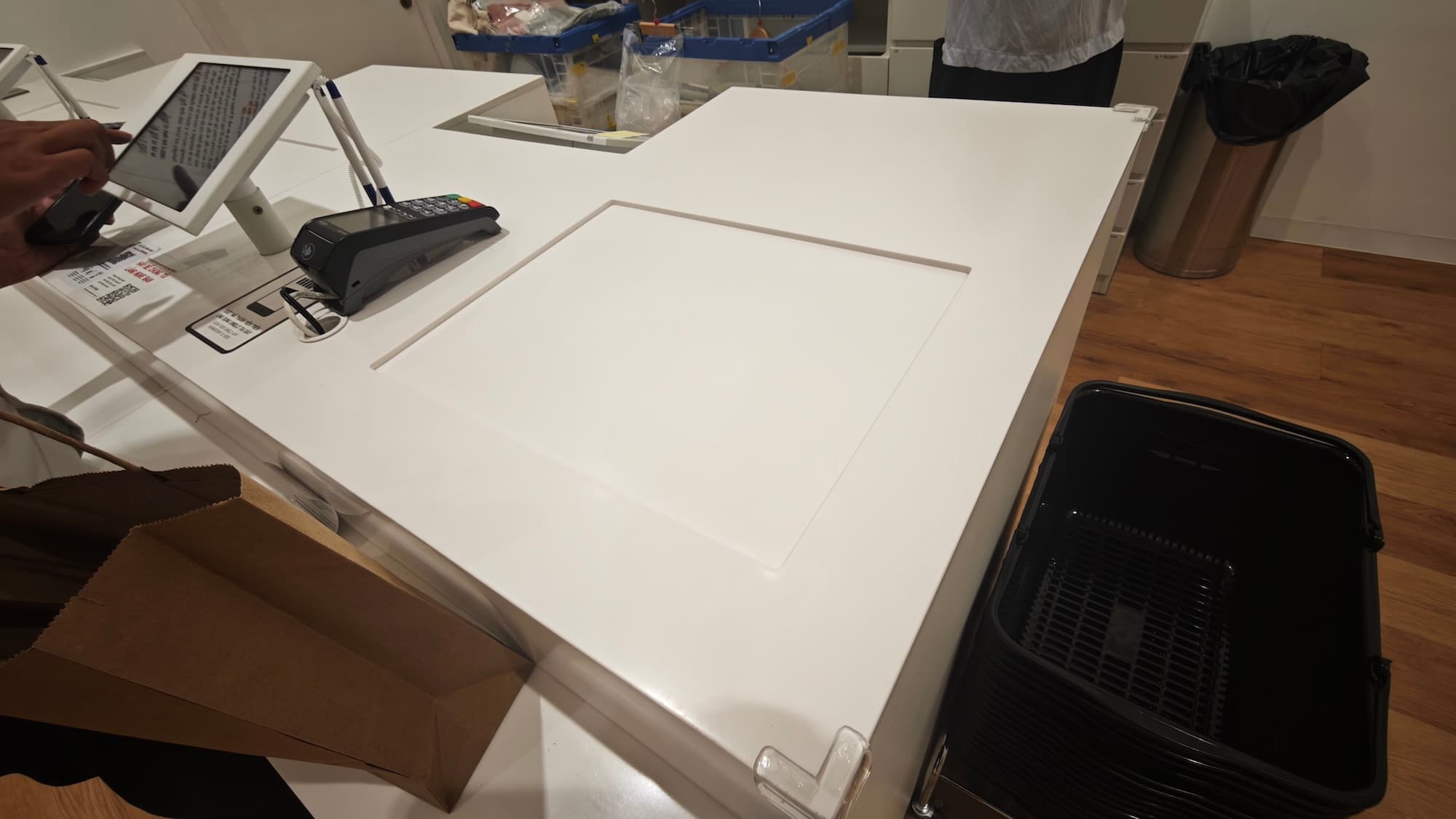
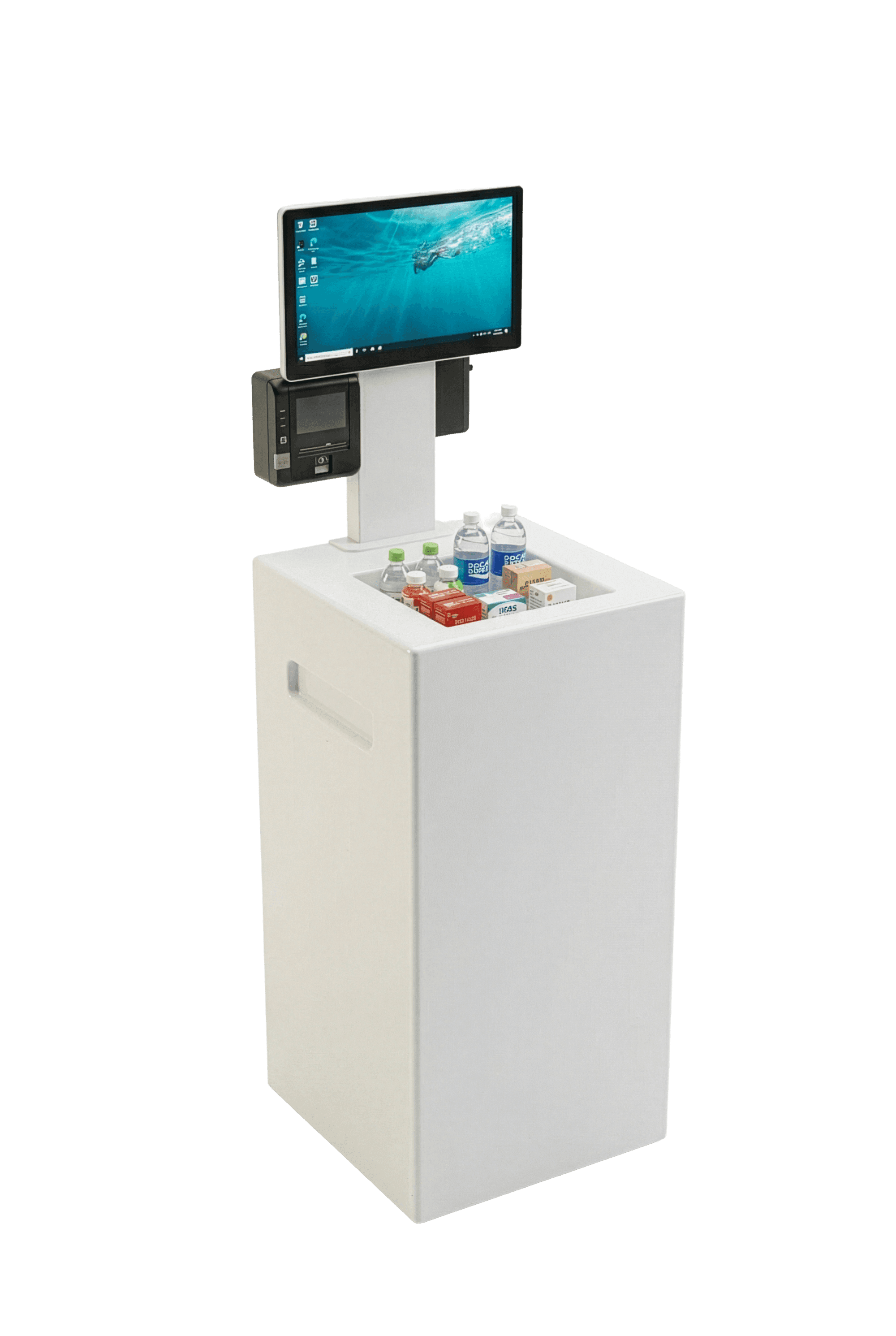
Durch die Kennzeichnung jedes einzelnen Produkts mit RFID-Tags erzielte Uniqlo eine nahezu 100%ige Bestandsgenauigkeit. Doch das eigentliche Magic geschieht an der Kasse: Kunden legen ihre Artikel einfach in einen automatisierten Behälter, der sofort alle RFID-Tags gleichzeitig ausliest. Diese reibungslose Erfahrung reduzierte Wartezeiten drastisch, eliminierte Kassenschlangen und ermöglichte es dem Ladenpersonal, sich auf den Kundenservice statt auf das Scannen von Barcodes zu konzentrieren. Die daraus resultierende Datenintelligenz bedeutet auch, dass sie genau wissen, wann eine bestimmte Größe oder Farbe nachgefüllt werden muss, wodurch Bestandslücken praktisch eliminiert und die Gesamtverkäufe gesteigert werden.
Jeder Artikel erhält im Fertigungsprozess eine eindeutige digitale Identität: ein passives UHF RFID-Tag, das weniger kostet als ein Papierlabel, aber einen serialisierten Code trägt, der sich nie duplizieren lässt. Wenn ein Handheld-Reader über ein Regal mit 500 Hemden sweept, werden alle 500 Artikel in weniger als 3 Sekunden gezählt. Kein Ausladen, kein Scannen eins nach dem anderen.
Das System nutzt standardmäßige GS1 EPC Gen2 V2 Tags, die eine Anti-Cloning-Authentifizierung enthalten – entscheidend für hochwertige und Luxusartikel, bei denen Fälschungen ein reales Risiko darstellen. Unsere Edge-Software filtert Störsignale heraus (Tags, die aus der falschen Zone gelesen werden, Teilablesungen an Metallbefestigungen), sodass nur saubere, verwertbare Daten in Ihrem Dashboard ankommen.
Alles ist in Echtzeit mit Ihrem bestehenden WMS oder ERP verbunden. Stellen Sie es sich vor wie einen Herzschlag für Ihren Bestand: Das System weiß jederzeit, was sich bewegt hat, wo es sich befindet und wann es angekommen ist.
Was kommt als Nächstes
Was kommt nach der Bestandsgenauigkeit
Sobald der Bestand zuverlässig ist, besteht der nächste Transformationsschritt darin, Reibung vollständig zu eliminieren. Wir testen „Grab-and-Go“-Filialformate, bei denen Kunden den Laden verlassen können, ohne an einer Kasse anzuhalten. Das System liest ihren Warenkorb am Ausgang und bucht automatisch von ihrem Konto ab.
Die gleiche Infrastruktur ermöglicht smarte Anprobierbereiche, die Outfit-Empfehlungen anzeigen, dynamische Nachfüll-Alerts, die auslösen, bevor ein Regal leer ist, sowie Loss-Prevention, die Ihnen genau zeigt, was entnommen wurde und wann. Genauigkeit war die Grundlage. Der echte Mehrwert entsteht durch das, was Sie darauf aufbauen.
Starter-Kits
RFID-Starter-Kits für den echten Einsatz
Ab999 $
Einzelhandel-Starter-Kit
Beschleunigen Sie den Kassiervorgang und automatisieren Sie die Bestandszählung für Modegeschäfte, Kosmetikläden und Einzelhandelsketten.