Das intelligente Krankenhaus

Geben Sie Krankenschwestern ihre Zeit zurück. Echtzeit-Standort für jedes Asset, jedes Medikament, jeden Moment.

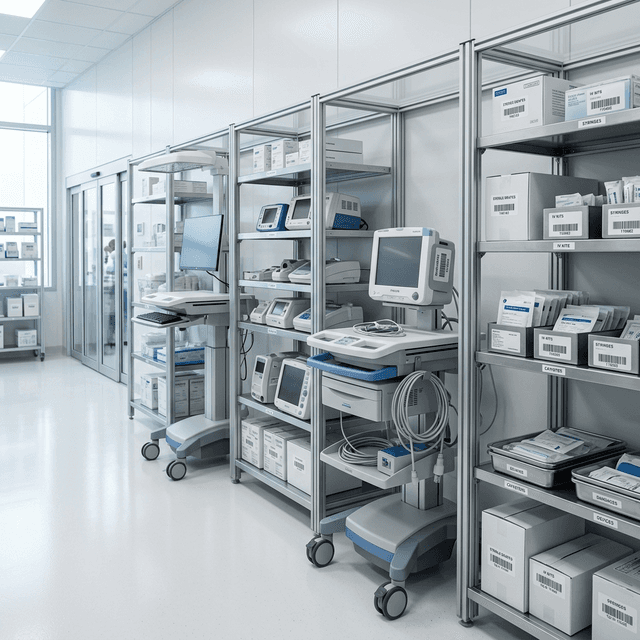
Hospitals are complex, chaotic environments where life-and-death decisions depend on logistics. Yet, the average nurse spends 1 hour per shift - 12% of their time - hunting for equipment. They look for IV pumps, wheelchairs, telemetry packs, and wound vacs. This is 'Hunt and Gather' medicine.
Gesundheitswesen-Asset-ManagementEPC Gen2Pilotprojekt starten
1,2 Mio. $Vermiedene Kapitalkosten (keine neuen Pumpen gekauft)
6.000 Std.Jährlich für die Pflege zurückgewonnene Arbeitszeit
100 %Crash-Cart-Audit-Compliance
Gesundheitswesen-Asset-Management
Unser Ansatz
Gesundheitswesen-Asset-Management
Was Sie erhalten
Gesundheitswesen-Asset-Management
Fallstudie
Das Problem

Die Krise der Pflegelogistik

Hospitals are complex, chaotic environments where life-and-death decisions depend on logistics. Yet, the average nurse spends 1 hour per shift - 12% of their time - hunting for equipment. They look for IV pumps, wheelchairs, telemetry packs, and wound vacs. This is 'Hunt and Gather' medicine.

Beyond assets, the management of pharmaceuticals is fraught with risk. Manual tracking of crash carts and medication trays leads to expired drugs remaining in circulation. A single oversight can lead to a Sentinel Event.

Furthermore, patient flow is opaque. Bottlenecks in the ER or OR reduce throughput and patient satisfaction. Without data, administrators cannot optimize staffing or bed turnover.

Haupt-Schmerzpunkte 01

Asset-Hortung und -Verlust

Da das Personal keine Ausrüstung finden kann, hortet es diese in Schränken und abgehängten Decken. Krankenhäuser kaufen am Ende 130% ihrer notwendigen Flotte, aber die Auslastung bleibt unter 40%. Millionen Dollar liegen brach.

Haupt-Schmerzpunkte 02

Medikamentensicherheit

Das manuelle Auffüllen von Notfallwagen ist fehleranfällig. Eine übersehene abgelaufene Adrenalinampulle ist eine Haftung. Drogenmissbrauch (Diebstahl) ist ebenfalls ein wachsendes Problem, das manuelle Protokolle nicht verhindern können.

Haupt-Schmerzpunkte 03

Infektionskontrolle

Zu wissen, welche Ausrüstung mit einem infektiösen Patienten interagiert hat, ist entscheidend. Ohne digitale Kontaktverfolgung müssen Krankenhäuser Assets massenhaft unter Quarantäne stellen, was den Betrieb unterbricht.

Unser Ansatz

Aktives und passives RTLS

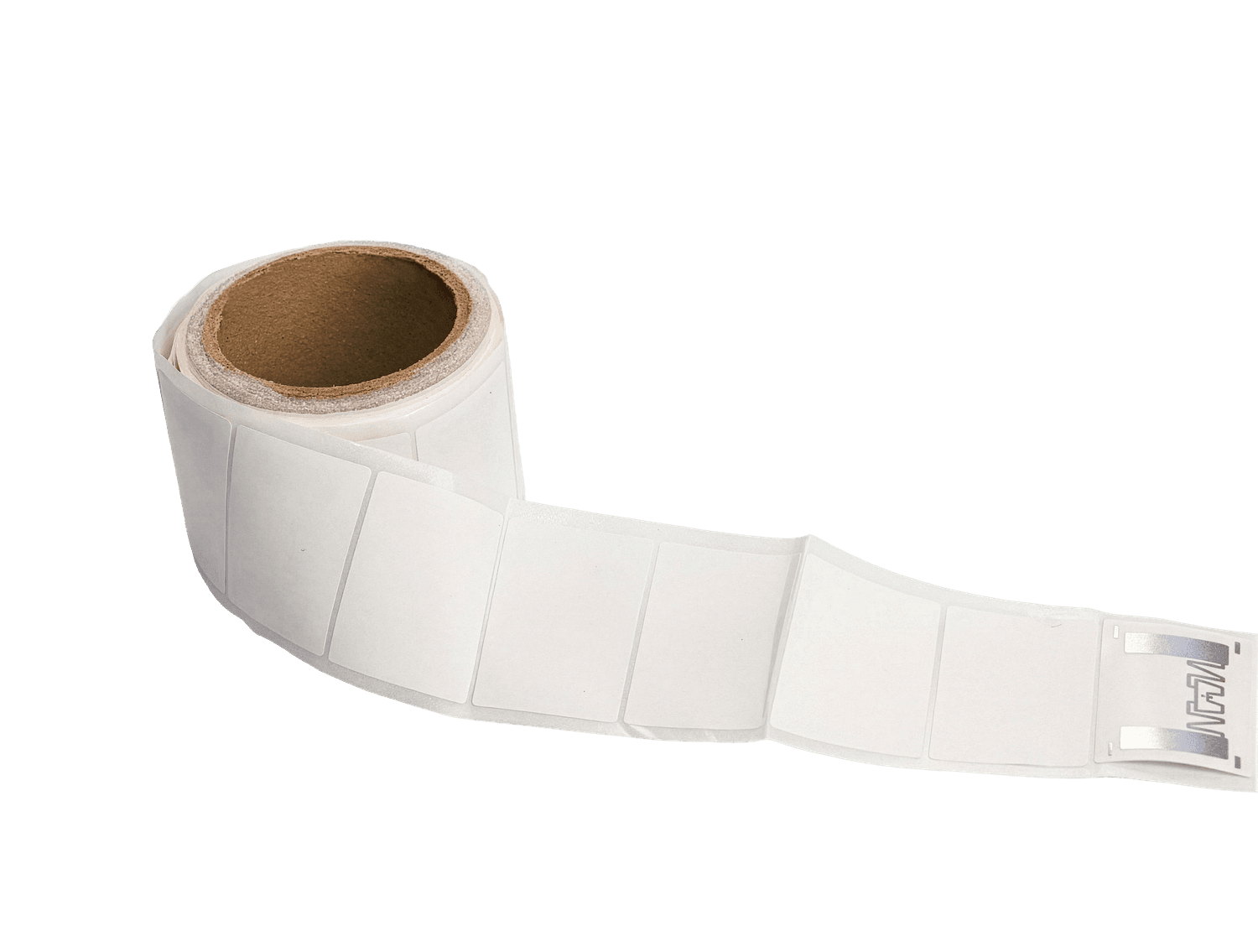
Nextwaves implements a hybrid Real-Time Location System (RTLS). We use Passive UHF RFID for high-volume consumables and low-cost assets (linen, files, meds), and Active (BLE/Wi-Fi) tracking for high-value mobile equipment.

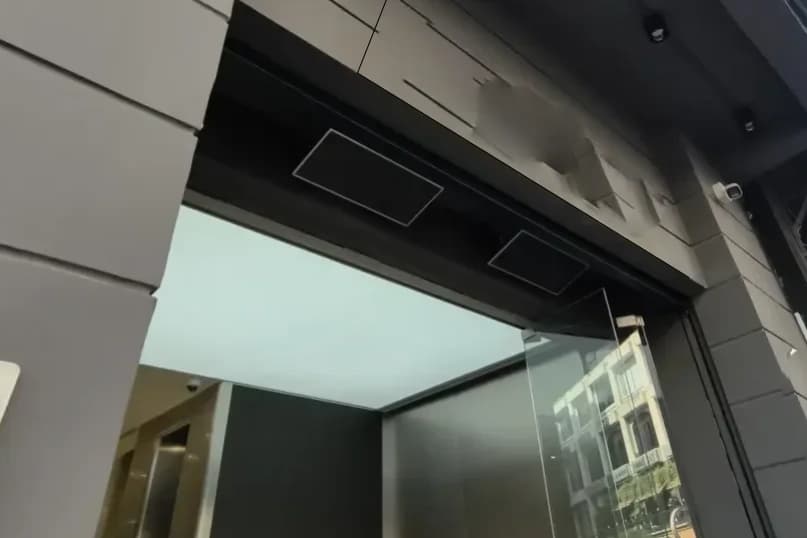
Our 'Smart Cabinets' automatically track every vial of medication taken, updating the patient record and inventory instantly. Our ceiling-mounted arrays track the movement of beds and pumps throughout the facility, visualizing them on a digital map.

This system creates a 'Chain of Custody'. We know exactly who took the drug, for which patient, and when. We know exactly where the infusion pump is, and if it has been cleaned since its last use.

Gesundheitswesen-Asset-Management
Was Sie erhalten

Klinischer und finanzieller ROI

01

Patientensicherheit

Verhindern Sie 'Never Events'. Automatisierte Prüfungen stellen sicher, dass das richtige Medikament, die richtige Dosis, der richtige Patient.

02

Asset-Auslastung

Reduzieren Sie die Flottengröße um 20%, während Sie die Verfügbarkeit erhöhen. Hören Sie auf, Pumpen zu kaufen, die Sie nicht brauchen.

03

Mitarbeiterzufriedenheit

Geben Sie Krankenschwestern ihre Zeit zurück. Lassen Sie sie sich auf die Pflege konzentrieren, nicht auf die Logistik.

04

regulatorische Einhaltung

Automatisierte Protokolle für The Joint Commission (TJC). Beweisen Sie Sterilität und Wartungs-Compliance sofort.

Fallstudie

Fallstudie: Regionales medizinisches Zentrum

Ein Traumazentrum mit 500 Betten kämpfte mit dem Durchsatz der Notaufnahme und chronischem Mangel an IV-Pumpen. Krankenschwestern berichteten von Verzögerungen in der Versorgung aufgrund fehlender Ausrüstung.

So funktioniert's

Entwickelt für Patientendatenschutz

  1. Healthcare RFID has a higher bar than retail. No patient name, diagnosis, or personally identifiable information (PII) is ever written to a tag. Tags carry only an anonymous token. a number that means nothing without access to the secure backend that links it to a patient record.

  2. That database layer is encrypted, access-controlled, and audited. Clinicians see only the data their role permits. Administrators see utilization reports. No one sees patient data through the RFID layer itself. We are fully HIPAA-compliant by design, not by policy workaround.

Was kommt als Nächstes

Von der Verfolgung zur Vorhersage

Location data is just the start. When you have a continuous stream of where every asset and patient is, patterns emerge. We are working on models that can predict equipment bottlenecks 4–6 hours before they happen, giving charge nurses time to reassign before care is impacted.

On the horizon: beds that automatically report patient weight and pressure changes, smart cabinets that reorder medications before they run out, and OR scheduling that adjusts in real time based on actual equipment location, not assumptions.

Angebot anfordern

Intelligenter heilen.

Lassen Sie die Technologie die Suche übernehmen. Sie kümmern sich um das Heilen.