
المخزون الوهمي
يُنشئ المخزون الوهمي موقفًا حيث يُظهر النظام مخزونًا غير موجود، مما يؤدي إلى إلغاء 22% من طلبات BOPIS وتدمير ولاء العملاء.

على مدار أكثر من خمسين عامًا، شكّل رمز الرمز الشريطي للمنتج الشامل (UPC) العمود الفقري لتجارة التجزئة. فقد وحّد عمليات التبادل، وسمح بالمسح عند نقطة البيع، ومهّد لأول جيل من إدارة المخزون الرقمية. لكن لدى الباركود عيبٌ قاتل: فهو أعمى. فهو يحتاج إلى خط رؤية مباشر، ويتطلب تدخلاً يدويًا، ولا يمكنه التمييز بين عنصرين متطابقين. وقد أدى هذا القصور إلى أزمة عالمية تُعرف باسم «تشويه المخزون»؛ مشكلة تقدر بمئات المليارات حيث لا يعرف تجار التجزئة ما لديهم بالفعل.
في عصر التجزئة متعدد القنوات، يصبح هذا العمى وجوديًا. عندما يطلب العميل عنصرًا عبر الإنترنت للاستلام من المتجر (BOPIS)، يتحقق النظام من قاعدة بيانات المخزون. وتقول القاعدة: «الكمية: 1». لكن هل هو موجود؟ هل يوجد في المخزن الخلفي؟ هل يوجد في غرفة ملابس التجربة؟ هل تمت سرقته؟ أم تم بيعه أمس ولم يتم تحديث قاعدة البيانات؟
تتمثل النتيجة في سلسلة إمداد هشة مدعومة بـ«مخزون الأمان»—وهو فائض من المنتجات تم شراؤه فقط لتعويض عدم دقة البيانات. يغرق تجار التجزئة في مخزون لا يستطيعون بيعه، بينما يفقدون المبيعات لمنتجات يملكونها بالفعل ولكن لا يمكنهم العثور عليها. أما العدّ الدوري اليدوي—وهو العلاج التقليدي—فهو بطيء جدًا ومكلف جدًا وعرضة للأخطاء بشكل كبير لمعالجة المشكلة. تحتاج الصناعة إلى تحول نموذجي من «المسح» إلى «الإحساس».
يُنشئ المخزون الوهمي موقفًا حيث يُظهر النظام مخزونًا غير موجود، مما يؤدي إلى إلغاء 22% من طلبات BOPIS وتدمير ولاء العملاء.
في متجر بدون RFID، يقضي الموظفون 20-30% من وقتهم في البحث عن المنتجات أو إجراء العد اليدوي. هذا عمالة عالية التكلفة تُحوَّل من الهدف الأساسي: خدمة العملاء والبيع.
بدون هوية تسلسلية (EPC)، فإن العنصر المسروق هو مجرد 'ناقص واحد'. لا يمكن لتجار التجزئة تتبع أنماط الجريمة المنظمة في التجزئة (ORC) أو تحديد ما إذا كانت البضائع المرجعة هي بالفعل تزييف اشتُريت من أسواق الظل.
تقوم Nextwaves بتنفيذ بنية «من المصدر إلى المتجر» استنادًا إلى معيار EPC Gen2 V2. ولا يبدأ الحل من المتجر، بل من نقطة التصنيع. من خلال تضمين حشوة RFID UHF سلبية داخل بطاقة العناية أو تذكرة السعر في المصنع، نمنح كل عنصر فريد «روحًا رقمية»—وهو رمز Electronic Product Code (EPC) مُسلسل.
عندما تمر هذه العناصر عبر سلسلة الإمداد، فإنها تتجاوز «نقاط القراءة»—قارئات الأنفاق في مراكز التوزيع، ومصفوفات القارئات المثبتة أعلى مناطق التحضير، وفي النهاية عمليات المسح المحمولة داخل المتجر. بخلاف الباركود، تستخدم هذه القارئات موجات الراديو لتغذية العلامات بالطاقة، مما يتيح قراءة مئات العناصر في الثانية دون الحاجة إلى اتصال بصري.
وهذا يخلق «نسخة رقمية (Digital Twin)» من المخزون في الوقت الفعلي. عند وصول شحنة إلى المتجر، لا يتم عدّها يدويًا؛ بل يتم التحقق منها فورًا. عندما يحاول العميل ارتداء قميص، تكشف غرفة ملابس ذكية ذلك. وعندما يغادر عنصر ما المتجر، تقوم بوابات EAS بتحديث المخزون فورًا. ننتقل من «تقدير المخزون» إلى «يقين المخزون».
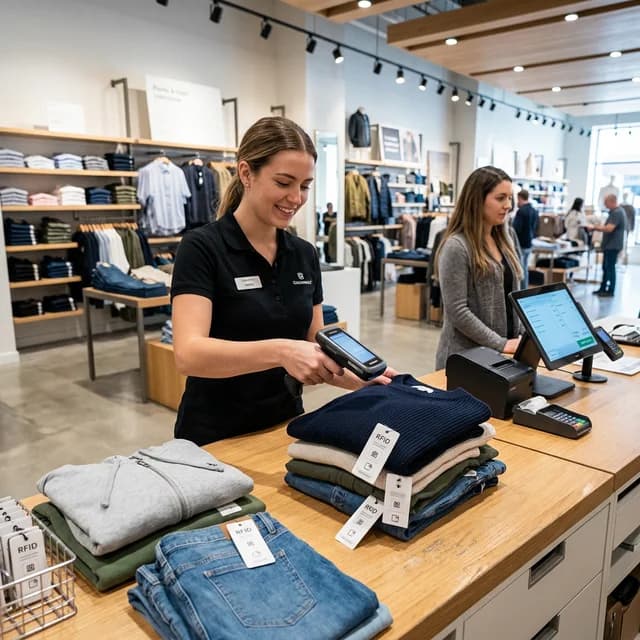

حقق ثقة كاملة في الجرد. مكن 'متاح للوعد' (ATP) للتجارة الإلكترونية بدون مخزون احتياطي.
أظهرت البيانات التجريبية زيادة ثابتة في المبيعات بنسبة 5-15%. إذا كان على الأرض، يباع. إذا كان في الخلف، لا.
لا تكتفِ بالرنين عند الباب. اعرف بالضبط ماذا سُرق ومتى، وأعد ملؤه فورًا.
تمكين "المرايا السحرية" التي تقترح قطع المطابقة بناءً على ما أحضره العميل إلى غرفة القياس.
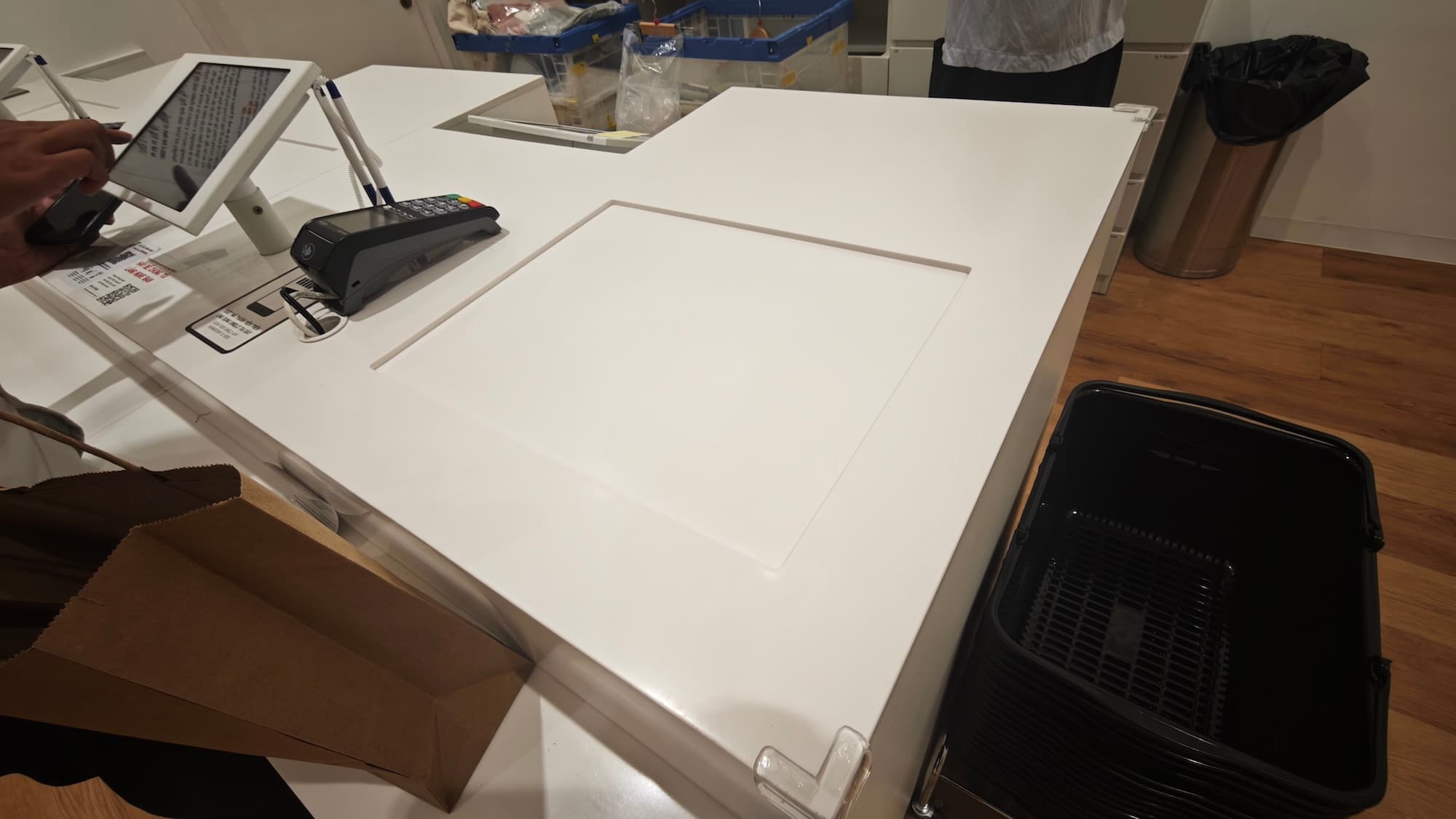
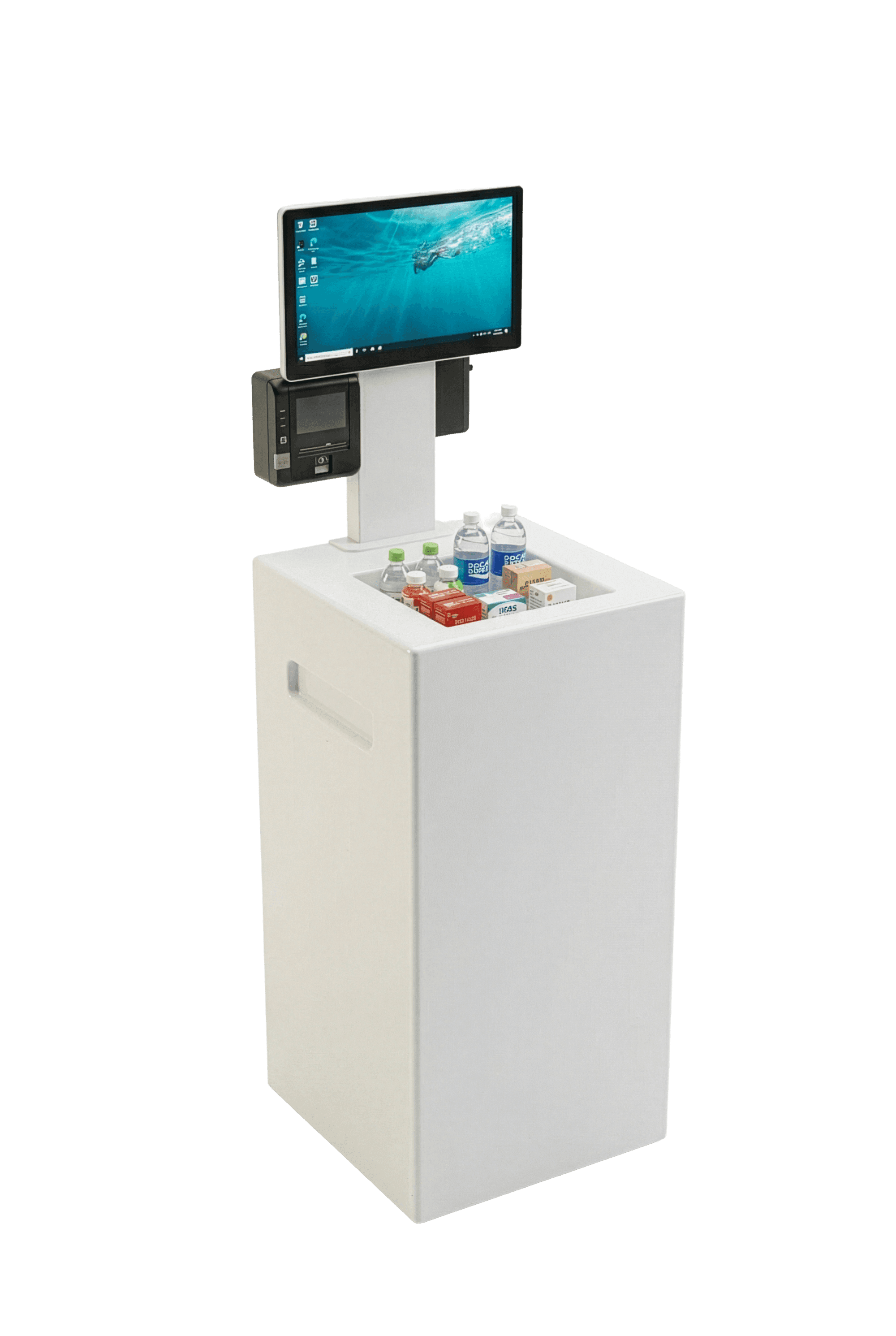
من خلال دمج علامات RFID في كل منتج على حدة، حققت Uniqlo دقة مخزون تقارب 100%. لكن السحر الحقيقي يحدث عند الدفع: يقوم العملاء ببساطة بوضع عناصرهم في حاوية آلية تقرأ جميع علامات RFID فوراً وبشكل متزامن. قللت هذه التجربة الخالية من الاحتكاك أوقات الانتظار بشكل كبير، وأزالت قوائم الانتظار عند الدفع، وسمحت لموظفي المتجر بالتركيز على خدمة العملاء بدلاً من مسح الباركود. تعني ذكاء البيانات الناتج أيضاً أنهم يعرفون بالضبط متى يحتاج حجم أو لون محدد لإعادة التخزين، مما يقضي فعلياً على نفاد المخزون ويزيد المبيعات الإجمالية.
يستقبل كل عنصر هوية رقمية فريدة عند نقطة التصنيع: وسم RFID UHF سلبي بتكلفة أقل من ملصق ورقي، لكنه يحمل رمزًا مُسلسلًا لا يمكن نسخه. عندما يقوم قارئ محمول بالمسح عبر رف يحتوي على 500 قميص، يتم احتساب جميع الـ500 خلال أقل من 3 ثوانٍ. بدون تفريغ، وبدون مسح عنصرًا عنصرًا.
يستخدم النظام وسوم GS1 EPC Gen2 V2 القياسية التي تتضمن مصادقة مقاومة للنسخ. وهذا مهم جدًا للمنتجات عالية القيمة والمنتجات الفاخرة حيث تمثل المنتجات المقلدة خطرًا حقيقيًا. تقوم برمجيات الحافة لدينا بتصفية الضوضاء (الوسوم المقروءة من المنطقة غير الصحيحة، أو القراءات الجزئية المتأثرة بتركيبات معدنية) كي يصل إلى لوحة التحكم لديك بيانات نظيفة وقابلة للتنفيذ.
يرتبط كل شيء بأنظمة WMS أو ERP الحالية لديك في الوقت الفعلي. اعتبر ذلك كمنح المخزون «نبضًا». فالنظام يعرف دائمًا ما الذي تحرك، وأين يوجد، ومتى وصل.
بمجرد أن يصبح المخزون دقيقًا، تكون الخطوة التالية إزالة الاحتكاك بالكامل. نحن نجري تجارب على صيغ متجر «خذ وانطلق» حيث يغادر العملاء دون التوقف عند نقطة بيع. يقوم النظام بقراءة سلة العميل عند مخرج المتجر وتحصيل الحساب تلقائيًا.
تعمل البنية التحتية نفسها على تشغيل غرف ملابس ذكية تعرض توصيات الإطارات، وتنبيهات إعادة تزويد ديناميكية تُفعّل قبل أن تفرغ الرفوف، وحلول منع الخسائر التي تحدد بدقة ما الذي تم أخذه ومتى. كانت الدقة هي الأساس. والقيمة الحقيقية تكمن فيما تبنيه فوق ذلك.
تسريع عملية الدفع وأتمتة عد المخزون لمتاجر الأزياء ومحلات مستحضرات التجميل وسلاسل التجزئة.
انشر البنية التحتية للمستقبل. توقف عن التخمين، ابدأ بالمعرفة.
If the kit doesn't fit your operation, return it within 30 days for a full refund.
The package price covers installation support, system configuration, and staff training — with no additional fees.