تخزين وفقدان الأصول
لأن الموظفين لا يستطيعون العثور على المعدات، يقومون بتخزينها في خزائن وفي بلاط السقف. تنتهي المستشفيات بشراء 130% من أسطولها الضروري، ومع ذلك يبقى الاستخدام أقل من 40%. ملايين الدولارات خاملة.
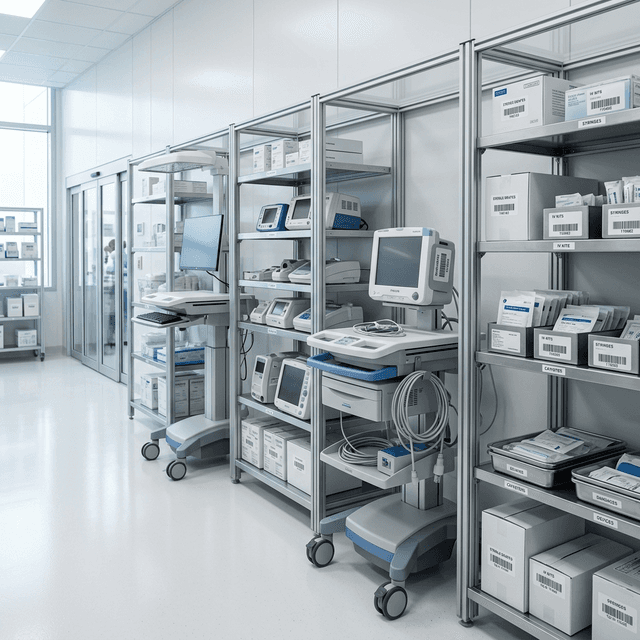

المستشفيات بيئات معقدة وفوضوية؛ حيث تعتمد قرارات الحياة أو الموت على اللوجستيات. ومع ذلك، يقضي متوسط الممرض 1 ساعة لكل مناوبة—أي 12% من وقته—في البحث عن المعدات. يبحث عن مضخات IV، والكراسي المتحركة، وحزم المراقبة عن بُعد، وأجهزة شفط الجروح. إنها «طبّ الصيد والجمع».
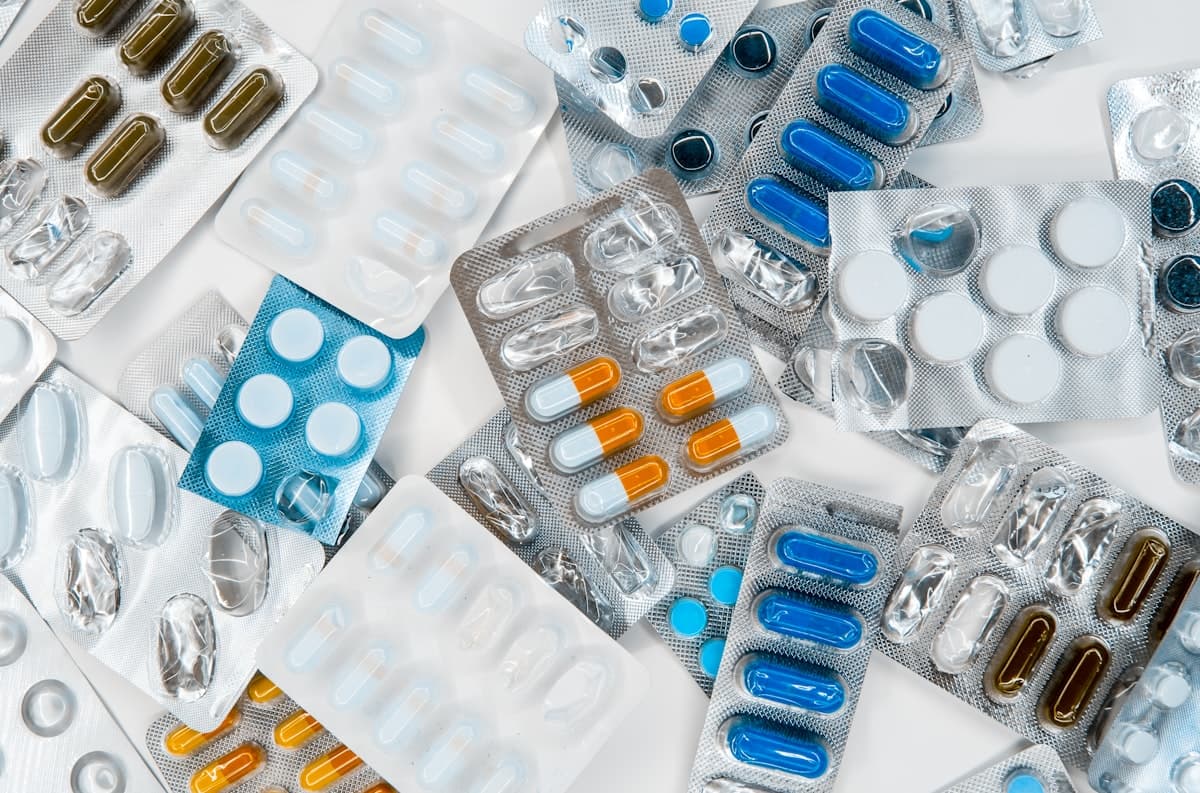
إضافة إلى الأصول، فإن إدارة الأدوية محفوفة بالمخاطر. يؤدي التتبع اليدوي لسيارات الطوارئ وأطباق توزيع الدواء إلى بقاء أدوية منتهية الصلاحية داخل دورة الاستخدام. وقد تؤدي ملاحظة واحدة في وقت خاطئ إلى وقوع «حدث سيدر/Sentinel Event».
علاوة على ذلك، فإن مسار المرضى غير واضح. فاختناقات قسم الطوارئ أو غرفة العمليات تقلل من الإنتاجية ورضا المرضى. وبدون بيانات، لا يستطيع المسؤولون تحسين مستويات التوظيف أو معدل دوران الأسرة.
لأن الموظفين لا يستطيعون العثور على المعدات، يقومون بتخزينها في خزائن وفي بلاط السقف. تنتهي المستشفيات بشراء 130% من أسطولها الضروري، ومع ذلك يبقى الاستخدام أقل من 40%. ملايين الدولارات خاملة.
إعادة تعبئة عربات الطوارئ يدوياً عرضة للخطأ. حقنة الإبينفرين المنتهية الصلاحية التي تم تفويتها هي مسؤولية. إعادة توجيه الأدوية (السرقة) هي أيضاً مصدر قلق متزايد لا تستطيع سجلات يدوية منعه.
معرفة أي معدات تفاعلت مع مريض معدٍ أمر بالغ الأهمية. بدون تتبع جهات الاتصال الرقمية، يجب على المستشفيات عزل الأصول بشكل شامل، مما يعطل العمليات.
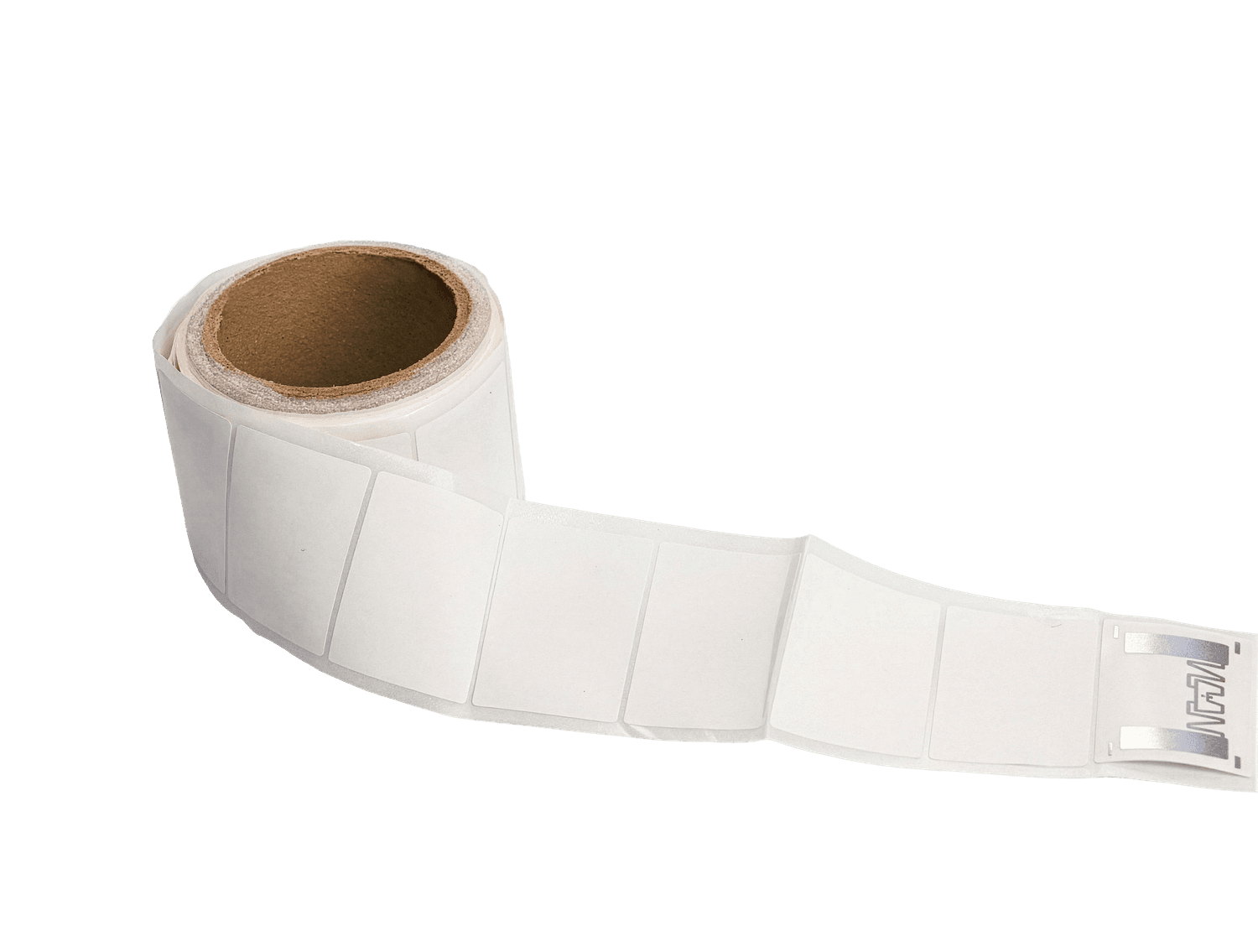
تنفذ Nextwaves نظام تحديد موقع هجين في الوقت الفعلي (RTLS). نستخدم Passive UHF RFID للمواد الاستهلاكية عالية الكميات والأصول منخفضة التكلفة (الملاءات، الملفات، الأدوية)، وActive (BLE/Wi‑Fi) لتتبع المعدات المتحركة عالية القيمة.
تقوم «الخزائن الذكية» بتتبع كل قارورة دواء يتم سحبها تلقائيًا، مع تحديث سجل المريض والمخزون فورًا. وتقوم مصفوفات مثبتة في السقف بتتبع حركة الأسرة والمضخات في جميع أنحاء المنشأة، مع عرضها على خريطة رقمية.
ينشئ هذا النظام «سلسلة حيازة (Chain of Custody)». نعرف بدقة من أخذ الدواء، وأي مريض، ومتى. كما نعرف بدقة مكان مضخة التسريب، وما إذا كانت قد تم تنظيفها منذ آخر استخدام لها.
منع "أحداث أبداً". الفحوصات الآلية تضمن الدواء الصحيح، الجرعة الصحيحة، المريض الصحيح.
تقليل حجم الأسطول بنسبة 20% مع زيادة التوافر. توقف عن شراء المضخات التي لا تحتاجها.
أعد للممرضات وقتهن. دعهن يركزن على الرعاية، وليس اللوجستيات.
سجلات آلية للجنة المشتركة (TJC). أثبت التعقيم والامتثال للصيانة فوراً.
مركز صدمات يضم 500 سرير عانى من الاختناقات في قسم الطوارئ ونقص مزمن في مضخات IV. كانت الممرضات يُبلغن عن تأخيرات في الرعاية بسبب المعدات المفقودة.
يتطلب RFID في الرعاية الصحية مستوى أعلى من التجزئة. لا يتم كتابة اسم المريض أو التشخيص أو أي معلومات تعريف شخصية (PII) على الوسم. تحمل الوسوم فقط رمزًا مميزًا مجهول الهوية—رقمًا لا معنى له دون الوصول إلى النظام الخلفي الآمن الذي يربطه بسجل المريض.
يتم تشفير طبقة البيانات الخلفية والتحكم في الوصول إليها وتدقيقها. يرى المختصون/العيادات فقط البيانات المسموحة لدورهم. يرى المسؤولون تقارير الاستخدام. لا يرى أحد بيانات المرضى عبر طبقة RFID نفسها. نحن متوافقون بالكامل مع HIPAA «حسب التصميم»، لا عبر حلول التفاف على السياسات.
يبدأ الأمر ببيانات الموقع فقط. وعندما يتوفر تدفق مستمر يوضح مكان كل أصل وكل مريض، تظهر الأنماط. نحن نعمل على نماذج يمكنها التنبؤ باختناقات المعدات قبل 4–6 ساعات من حدوثها، مما يمنح الممرضين/الممرضات المسؤولين وقتًا لإعادة توزيع المهام قبل أن تتأثر الرعاية.
على الأفق: أسِرّة تُبلّغ تلقائيًا عن تغيّرات وزن المريض والضغط، وخزائن ذكية تعيد طلب الأدوية قبل نفادها، وجدولة غرف العمليات التي تتكيف في الوقت الفعلي وفق موقع المعدات الفعلي—لا وفق الافتراضات.
احمِ أجهزة الكمبيوتر المحمولة ومعدات IT باستخدام بوابات الأمان RFID ووسوم مقاومة المعدن وعمليات التدقيق الآلية.
دع التكنولوجيا تتعامل مع البحث. أنت تتعامل مع الإنقاذ.
If the kit doesn't fit your operation, return it within 30 days for a full refund.
The package price covers installation support, system configuration, and staff training — with no additional fees.