Visibilità dell'Inventario Retail
L'era della visibilità totale

Smetti di perdere vendite a causa dell'inventario fantasma. Sappi esattamente cosa hai, dove si trova, ogni ora di ogni giorno.

100%
Precisione dell'inventario raggiunta
Cassa Autonoma
Cestini automatizzati a zero attrito
Eliminati
Out-of-Stocks in tutti i negozi
Il problema

Il problema della distorsione dell'inventario

For over fifty years, the Universal Product Code (UPC) barcode has been the backbone of retail. It standardized commerce, allowed for scanning at the register, and enabled the first generation of computerized inventory management. But the barcode has a fatal flaw: it is blind. It requires line-of-sight, it requires manual intervention, and it cannot distinguish between two identical items. This limitation has led to a global crisis known as 'Inventory Distortion' - a trillion-dollar problem where retailers simply do not know what they have.

In the modern omnichannel era, this blindness is existential. When a customer orders an item online for pickup in-store (BOPIS), the system checks the inventory database. The database says 'Quantity: 1'. But is it there? Is it in the backroom? Is it in a fitting room? Has it been stolen? Or was it sold yesterday and the database didn't update?

The result is a fragile supply chain buffered by 'safety stock' - excess inventory bought just to cover up the inaccuracies of the data. Retailers are drowning in inventory they can't sell, while losing sales on items they strictly 'have' but cannot find. The manual cycle count - the traditional remedy - is too slow, too expensive, and too error-prone to solve this. The industry needs a paradigm shift from 'scanning' to 'sensing'.

Principali criticità

Inventario fantasma

Il data drift comporta il graduale disaccoppiamento della realtà fisica dai record digitali. L'“inventario fantasma” si verifica quando i sistemi mostrano scorte che non esistono, portando all'annullamento del 22% degli ordini BOPIS e distruggendo la fedeltà dei clienti.

Utilizzo della manodopera

In un negozio non RFID, il personale impiega il 20-30% del proprio tempo a cercare prodotti o a eseguire conteggi manuali. Si tratta di manodopera ad alto costo sottratta all'obiettivo primario: il servizio clienti e la vendita.

Mercati di Shrink e Grigi

Senza un'identità serializzata (EPC), un articolo rubato è solo 'meno uno'. I rivenditori non possono rintracciare i modelli di criminalità organizzata al dettaglio (ORC) o identificare se le merci restituite sono effettivamente contraffazioni acquistate dai mercati grigi.

Il nostro approccio

L'architettura Digital Twin

L'architettura Digital Twin

Nextwaves implements a 'Source-to-Store' architecture based on the EPC Gen2 V2 standard. It begins not at the store, but at the point of manufacture. By embedding a passive UHF RFID inlay into the care label or price ticket at the factory, we give every unique item a digital soul - a serialized Electronic Product Code (EPC).

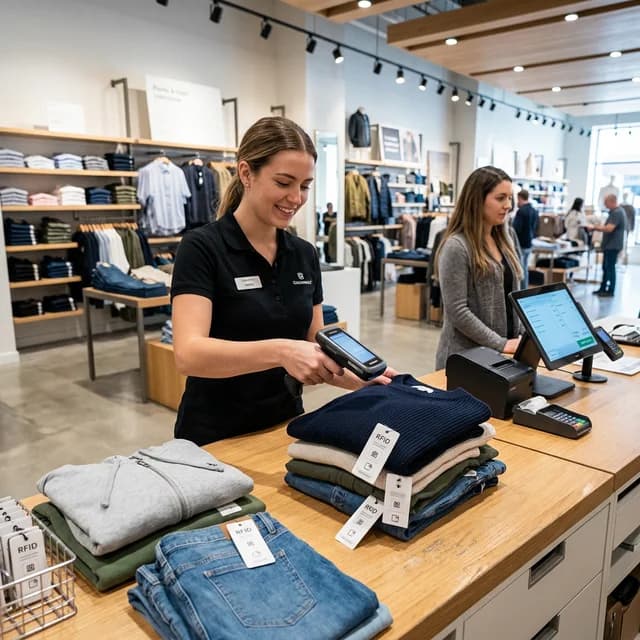
As these items travel through the supply chain, they pass through 'Read Points' - tunnel readers at distribution centers, overhead arrays in staging areas, and eventually, handheld sweeps in the retail store. Unlike barcodes, these scanners use radio waves to energize the tags, allowing them to read hundreds of items per second without visual contact.

This creates a real-time 'Digital Twin' of the inventory. When a shipment arrives at the store, it isn't manually counted; it is verified instantly. When a customer tries on a shirt, a smart fitting room detects it. When an item leaves the store, the EAS gates update the inventory instantly. We move from 'Inventory Estimation' to 'Inventory Certainty'.

Cosa ottieni

ROI e impatto strategici

01

Precisione del 99,9%

Ottieni un'assoluta fiducia nell'inventario. Abilita 'Available to Promise' (ATP) per l'e-commerce con zero scorte di sicurezza.

02

Aumento della conversione

I dati pilota mostrano un aumento costante delle vendite del 5-15%. Se è in negozio, vende. Se è nel retro, non vende.

03

Intelligenza delle Perdite

Non limitarti a emettere un segnale acustico alla porta. Scopri esattamente COSA è stato rubato, QUANDO e riforniscilo immediatamente.

04

Esperienze intelligenti

Abilita 'Magic Mirrors' che consigliano articoli abbinati in base a ciò che il cliente ha portato in camerino.

Caso di studio
Case Study: La trasformazione RFID di Uniqlo

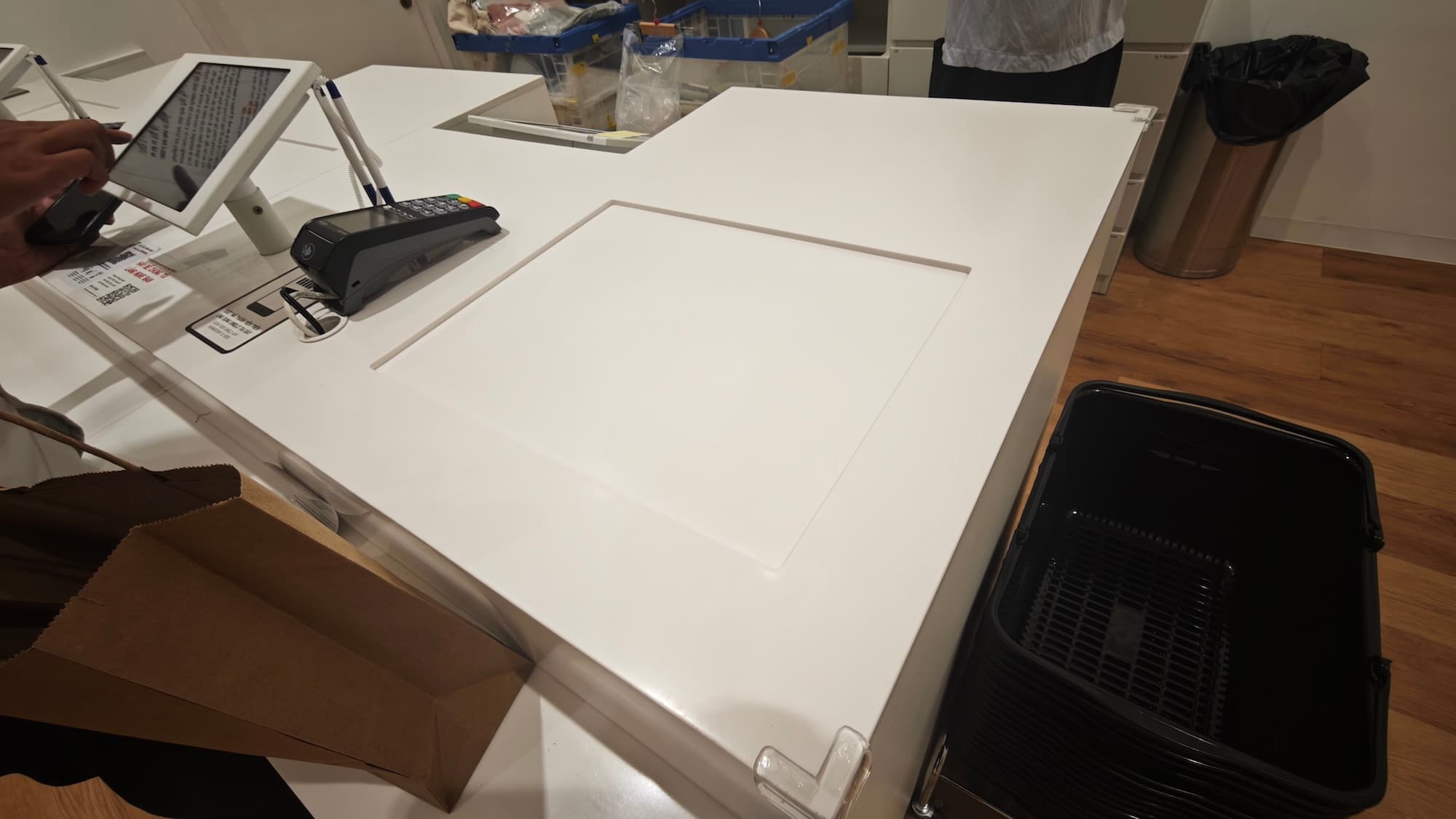
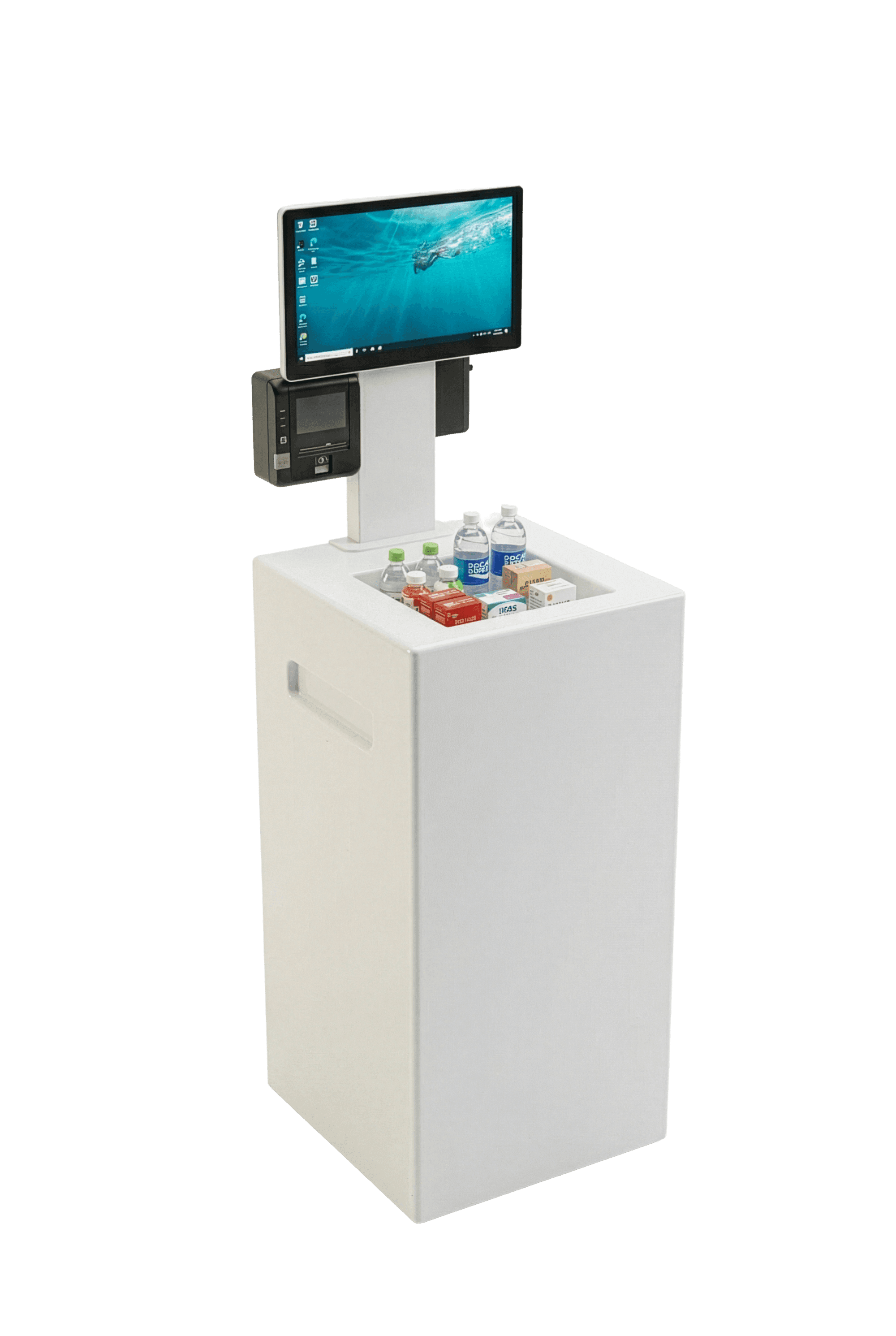
Incorporando tag RFID in ogni singolo prodotto, Uniqlo ha ottenuto una precisione dell'inventario di quasi il 100%. Ma la vera magia accade al momento del pagamento: i clienti lasciano semplicemente i loro articoli in un contenitore automatico che legge istantaneamente tutti i tag RFID contemporaneamente. Questa esperienza senza attriti ha ridotto drasticamente i tempi di attesa, eliminato le code alle casse e ha permesso al personale del negozio di concentrarsi sul servizio clienti invece di scansionare i codici a barre. L'intelligence dei dati risultante significa anche che sanno esattamente quando una taglia o un colore specifico necessita di rifornimento, eliminando virtualmente gli esauriti e aumentando le vendite complessive.

100%
Precisione dell'inventario raggiunta
Cassa Autonoma
Cestini automatizzati a zero attrito
Eliminati
Out-of-Stocks in tutti i negozi
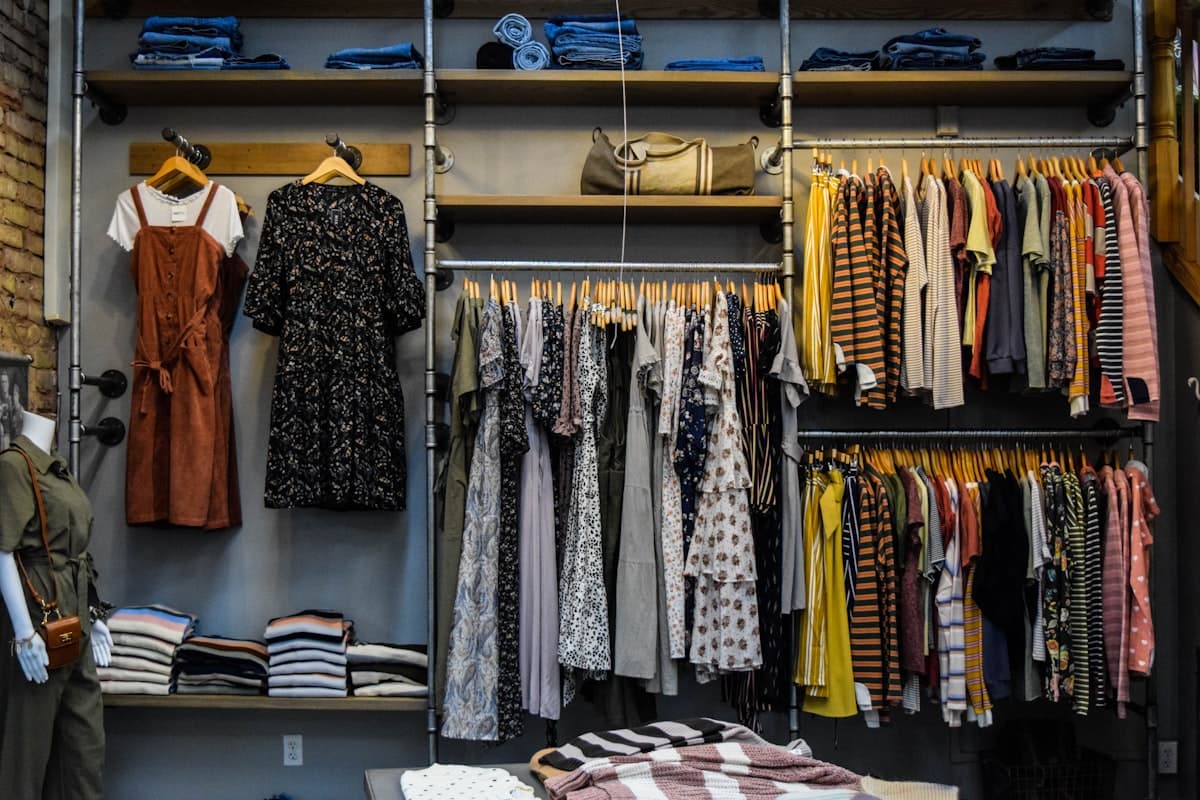
Uniqlo Store Interior 1
Uniqlo Store Interior 2
Come funziona

Come funziona realmente

01

Every item gets a unique digital identity at the point of manufacture. a passive UHF RFID tag that costs less than a paper label but carries a serialized code that can never be duplicated. When a handheld reader sweeps across a rack of 500 shirts, all 500 are counted in under 3 seconds. No unloading, no scanning one-by-one.

02

The system uses standard GS1 EPC Gen2 V2 tags, which include anti-cloning authentication. important for high-value and luxury items where counterfeits are a real risk. Our edge software filters out noise (tags read from the wrong zone, partial reads from metal fixtures) so what reaches your dashboard is clean, actionable data.

03

Everything connects back to your existing WMS or ERP in real time. Think of it as giving your inventory a heartbeat. the system always knows what moved, where it is, and when it arrived.

What's Next

Cosa c'è dopo l'accuratezza

Once inventory is accurate, the next transformation is removing friction entirely. We are piloting 'Grab-and-Go' store formats where customers walk out without stopping at a register. the system reads their basket at the exit and charges their account automatically.

The same infrastructure powers smart fitting rooms that surface outfit recommendations, dynamic restocking alerts that trigger before a shelf goes empty, and loss prevention that tells you exactly what was taken and when. Accuracy was the foundation. The real value is what you build on top of it.

Pronto per una precisione del 99%?

Distribuisci l'infrastruttura del futuro. Smetti di indovinare, inizia a sapere.