Sforzo ripetitivo
La scansione manuale di migliaia di libri causa lesioni da sforzo ripetitivo (RSI) per il personale.


Le biblioteche sono hub per la comunità, ma spesso i bibliotecari si sentono come lavoratori di magazzino. Le ore vengono spese per controllare manualmente libri in entrata e in uscita, smistare i resi e cercare i materiali collocati male usando scanner barcode a linea di vista.
I frequentatori desiderano praticità. Vogliono prendere un libro e andare, oppure restituirlo 24/7 senza fare la fila. Le tradizionali strisce di sicurezza EM proteggono dai furti, ma non offrono alcuna intelligenza di inventario.
Il risultato è un’esperienza piena di attrito, in cui il personale è sommerso da attività amministrative invece di interagire con la comunità.
La scansione manuale di migliaia di libri causa lesioni da sforzo ripetitivo (RSI) per il personale.
Un libro collocato male è un libro perduto. Senza RFID, trovare un libro posizionato sullo scaffale sbagliato è una ricerca con l'ago nel pagliaio.
I momenti di punta creano lunghe code al banco prestiti, frustrando gli utenti.
Nextwaves porta la biblioteca nell’era moderna con soluzioni RFID HF/NFC e UHF. Inseriamo un tag RFID sottile e invisibile nel dorso o nella copertina di ogni libro.
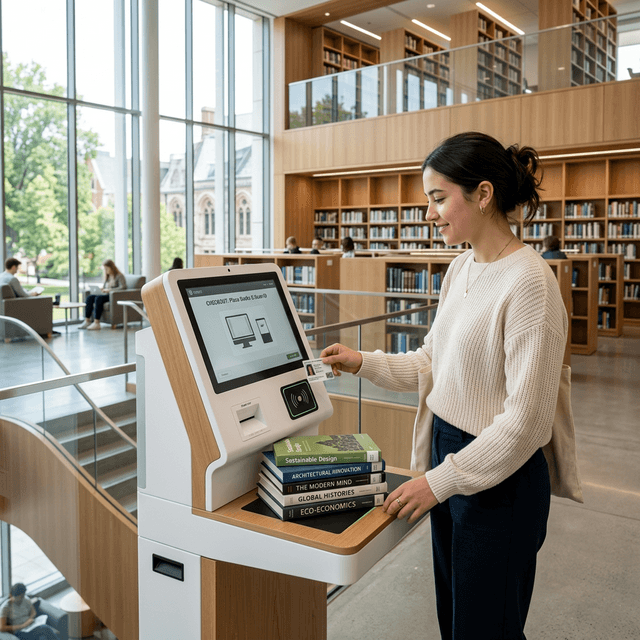
Le postazioni di Self-Checkout consentono ai frequentatori di impilare 5–10 libri in una volta sul pad. Il sistema li legge tutti immediatamente, disattiva il bit di sicurezza e stampa una ricevuta in pochi secondi.
I Smart Return Chutes (AMH) accettano libri 24/7. Quando il libro scivola lungo lo scivolo, viene scansionato, registrato e persino smistato automaticamente nei contenitori per la ricollocazione. Il personale può usare bacchette portatili per scansionare le scaffalature, trovando subito i libri smarriti e verificando l’ordine.
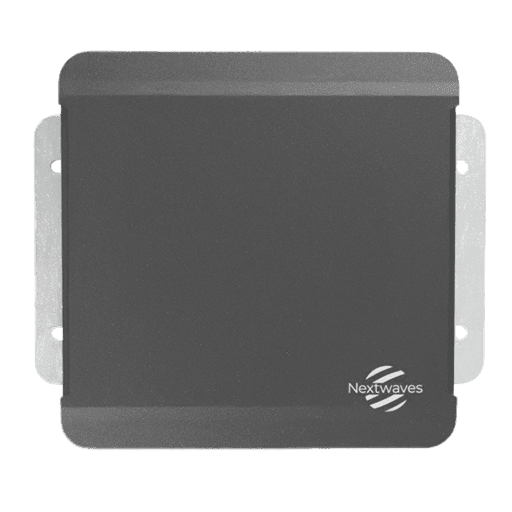
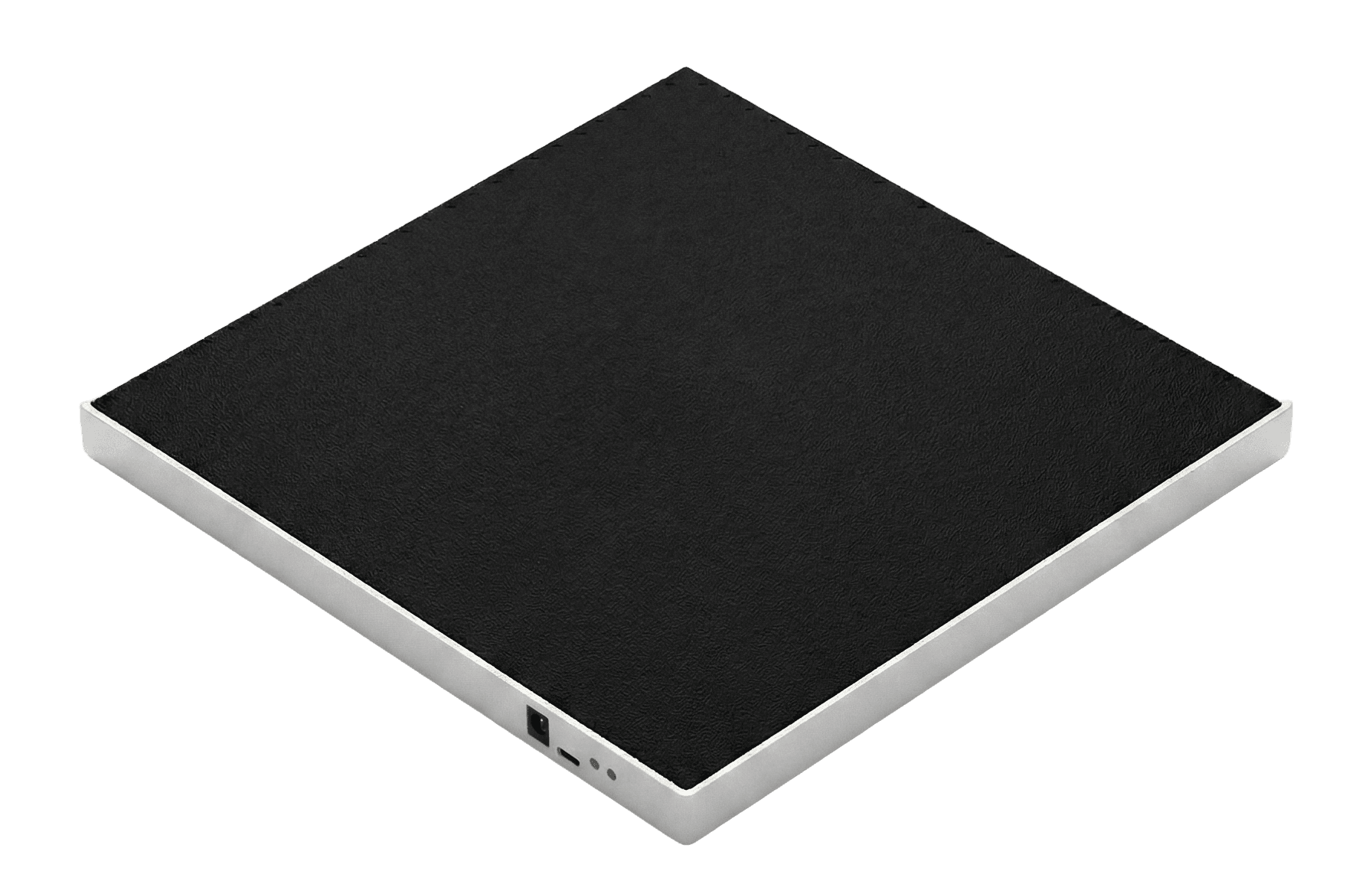
Consenti ai clienti di effettuare il check-out e restituire gli articoli all'istante, riducendo le code.
Trova un libro collocato in modo errato in pochi secondi semplicemente percorrendo il corridoio con una bacchetta.
I depositi di libri automatizzati aggiornano immediatamente l'account del cliente.
I bibliotecari passano da 'addetti ai libri' a 'specialisti dell'informazione'.
Una nuova biblioteca centrale voleva aprire con un modello di circolazione 'senza personale' per massimizzare il budget per i programmi della comunità.
Passare all’RFID per l’intera collezione di una biblioteca è un impegno significativo, per questo progettiamo per la coesistenza. I nostri tag ibridi contengono sia il barcode legacy sia una nuova RFID chip nello stesso supporto. così la tua ILS esistente continua a funzionare mentre il personale passa gradualmente ai flussi RFID al proprio ritmo.
Per la maggior parte delle biblioteche pubbliche raccomandiamo HF (13,56 MHz). la stessa frequenza usata dalle carte di pagamento e dai telefoni NFC, che offre un’eccellente precisione e privacy dei frequentatori. Gli archivi accademici di grandi dimensioni che gestiscono inventari di decine di migliaia di articoli beneficiano della velocità dell’UHF. Valutiamo la tua collezione e consigliamo la frequenza corretta, non un approccio “one-size-fits-all”.
L’RFID rende praticabile il modello di “ore senza personale”. I frequentatori registrati possono accedere all’edificio con la propria card associata all’iscrizione, consultare e ritirare i libri in autonomia e restituire i materiali tramite drop automatizzati. alle 22:00 di un martedì, oppure alle 6:00 di una domenica.
La stessa infrastruttura sblocca l’intelligence di inventario per il personale: una scansione con bacchetta portatile di un intero corridoio richiede pochi minuti e fa emergere ogni articolo collocato male. Ciò che prima richiedeva a un bibliotecario un intero turno, ora si completa in pochi minuti all’inizio della giornata.
Proteggi laptop e apparecchiature IT con varchi di sicurezza RFID, etichette anti-metallo e controlli automatizzati.
Crea un'esperienza moderna e senza interruzioni per i tuoi utenti.
If the kit doesn't fit your operation, return it within 30 days for a full refund.
The package price covers installation support, system configuration, and staff training — with no additional fees.