Restituisci tempo agli infermieri. Localizzazione in tempo reale per ogni risorsa, ogni farmaco, ogni momento.
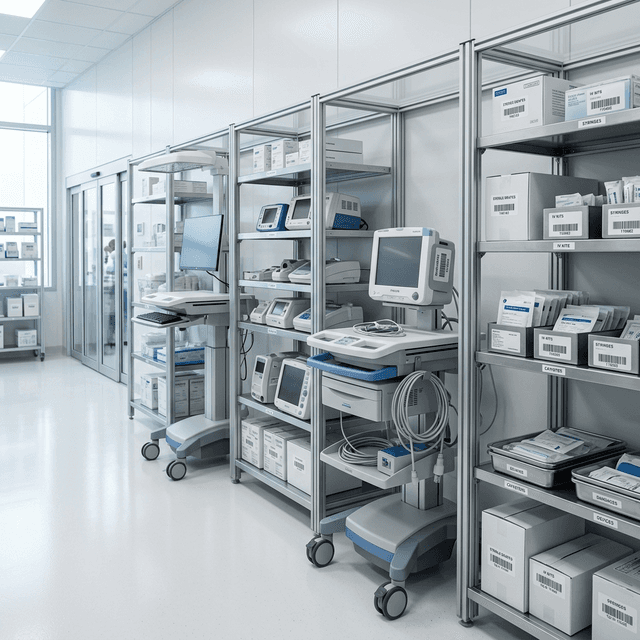
Gli ospedali sono ambienti complessi e caotici, dove le decisioni che riguardano la vita e la morte dipendono dalla logistica. Eppure l’infermiera media dedica 1 ora per turno (il 12% del tempo) a cercare attrezzature. Cerca pompe per infusione IV, sedie a rotelle, pack di telemetria e dispositivi per ferite in aspirazione (wound vac). Questa è “Hunt and Gather” in sanità.
Gestione delle risorse sanitarieEPC Gen2Take the survey
$1,2MEvitamento dei costi di capitale (non sono state acquistate nuove pompe)
6,000 oreOre di assistenza infermieristica restituite all'assistenza (annuali)
100%Conformità all'audit dei carrelli di emergenza
Gestione delle risorse sanitarieIl nostro approccioCosa ottieniCaso di studio
Il problema
La crisi della logistica assistenziale
Gli ospedali sono ambienti complessi e caotici, dove le decisioni che riguardano la vita e la morte dipendono dalla logistica. Eppure l’infermiera media dedica 1 ora per turno (il 12% del tempo) a cercare attrezzature. Cerca pompe per infusione IV, sedie a rotelle, pack di telemetria e dispositivi per ferite in aspirazione (wound vac). Questa è “Hunt and Gather” in sanità.
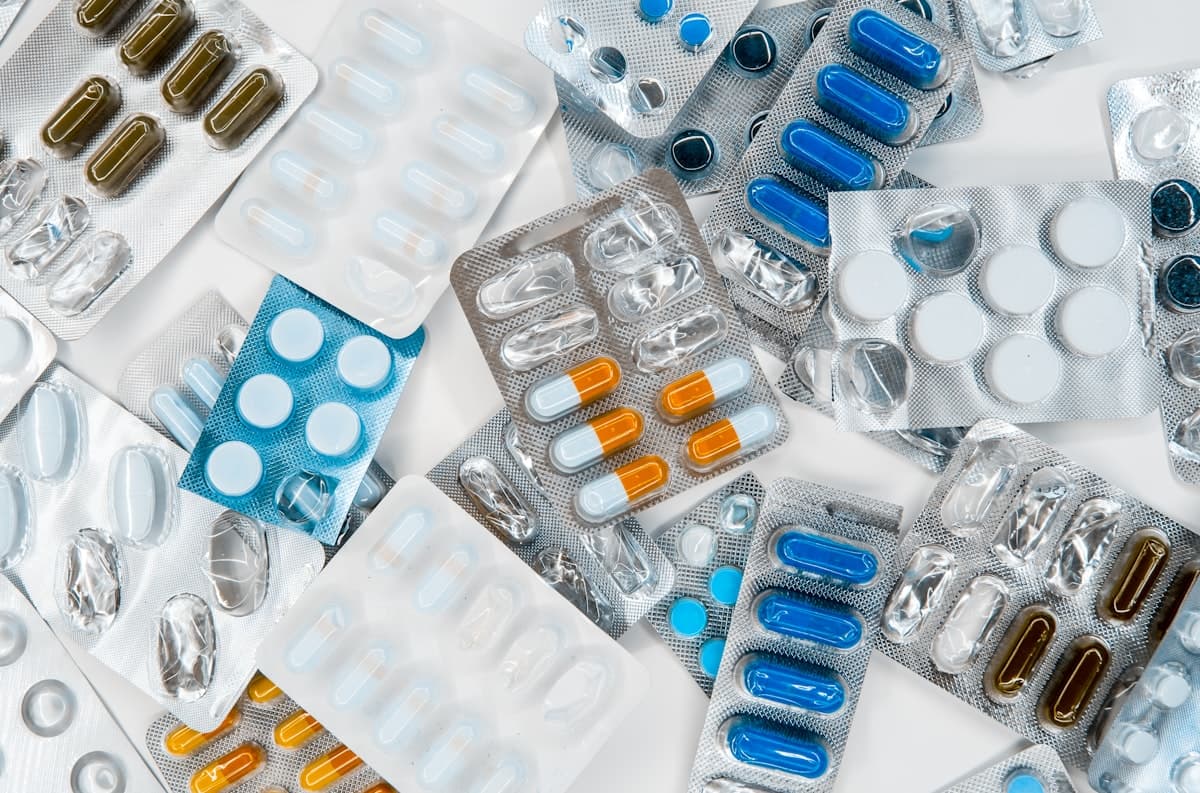
Oltre agli asset, la gestione dei farmaci comporta rischi significativi. Il tracciamento manuale delle barelle/carrelli di emergenza (crash carts) e dei vassoi dei medicinali porta a farmaci scaduti che restano in circolazione. Un singolo errore può causare un Sentinel Event.
Inoltre, il flusso dei pazienti è poco trasparente. I colli di bottiglia in Pronto Soccorso o in Sala Operatoria riducono la produttività e la soddisfazione dei pazienti. Senza dati, gli amministratori non possono ottimizzare il personale o il ricambio dei letti.
Principali criticità 01
Accaparramento e perdita di beni
Poiché il personale non riesce a trovare le attrezzature, le accumula in armadi e controsoffitti. Gli ospedali finiscono per acquistare il 130% della loro flotta necessaria, ma l'utilizzo rimane inferiore al 40%. Milioni di dollari rimangono inutilizzati.
Principali criticità 02
Sicurezza dei farmaci
Il rifornimento manuale dei carrelli di emergenza è soggetto a errori. Una fiala di epinefrina scaduta mancata è una responsabilità. Anche la deviazione di farmaci (furto) è una preoccupazione crescente che i registri manuali non possono impedire.
Principali criticità 03
Controllo delle infezioni
Sapere quali attrezzature hanno interagito con un paziente infettivo è fondamentale. Senza il tracciamento digitale dei contatti, gli ospedali devono mettere in quarantena i beni, interrompendo le operazioni.
Il nostro approccio
RTLS attivo e passivo
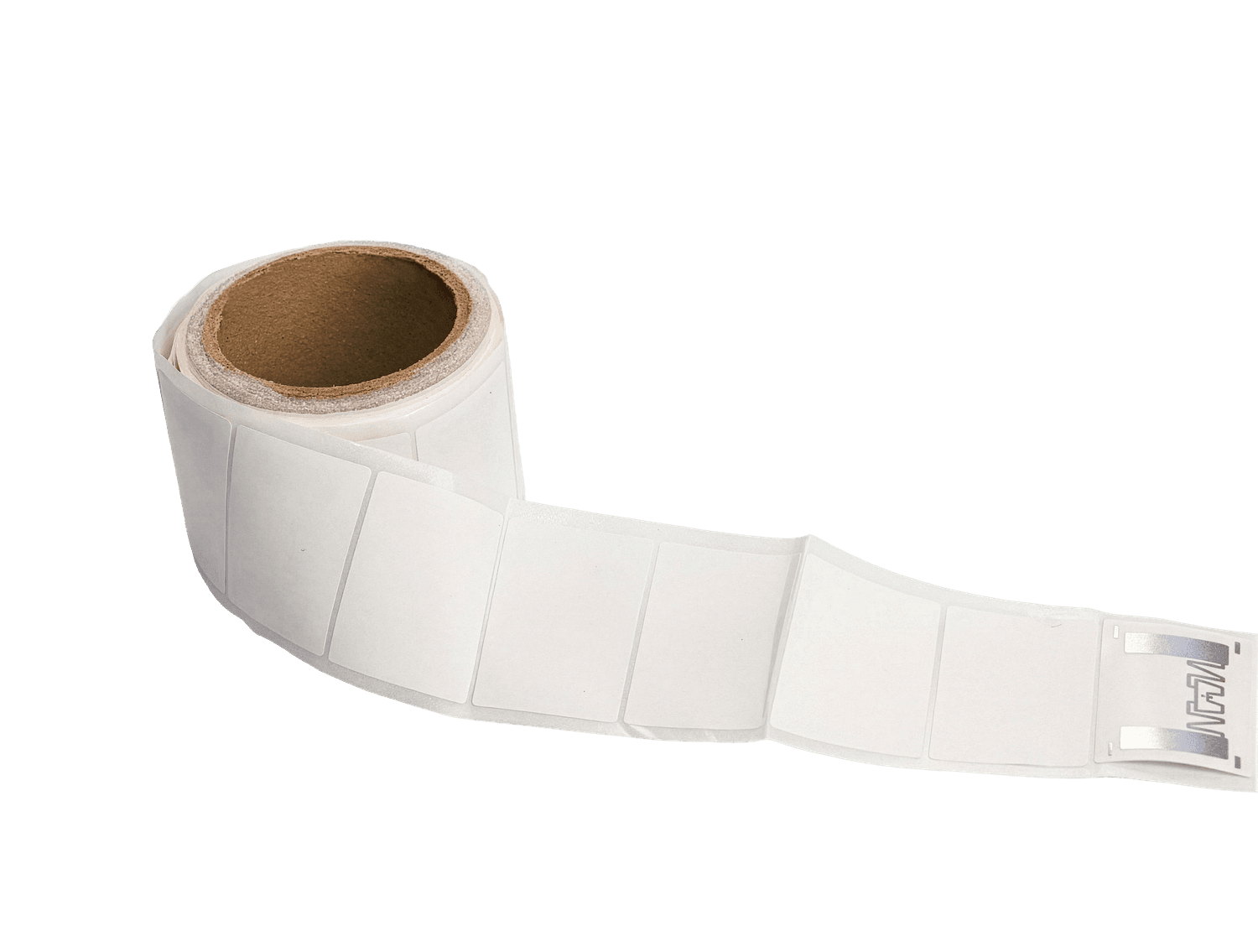
Nextwaves implementa un sistema ibrido di Localizzazione in Tempo Reale (RTLS). Usiamo RFID UHF passivo per consumabili ad alto volume e asset a basso costo (biancheria, documenti, farmaci) e tracciamento Attivo (BLE/Wi‑Fi) per attrezzature mobili di alto valore.
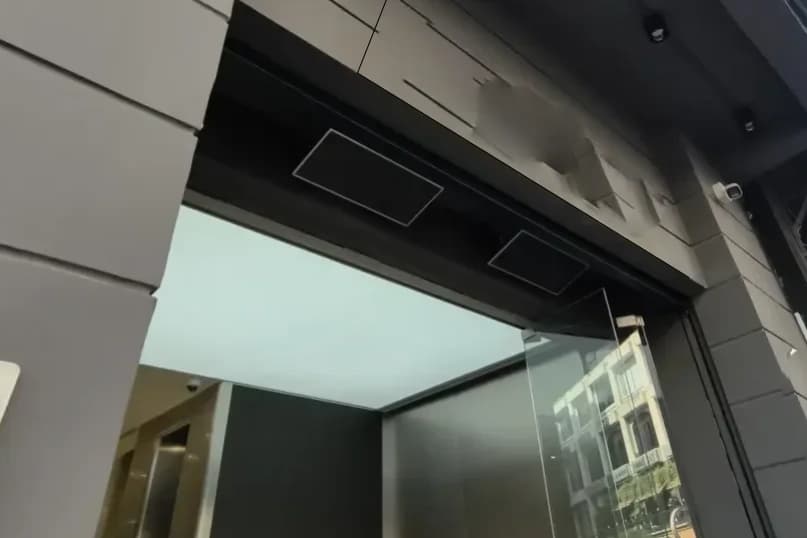
I nostri “Smart Cabinets” tracciano automaticamente ogni fiala di farmaco prelevata, aggiornando all’istante la cartella del paziente e l’inventario. Le array montate a soffitto rilevano gli spostamenti di letti e pompe in tutta la struttura, visualizzandoli su una mappa digitale.
Questo sistema crea una “Chain of Custody”. Sappiamo esattamente chi ha prelevato il farmaco, per quale paziente e quando. Sappiamo esattamente dove si trova la pompa di infusione e se è stata pulita dall’ultimo utilizzo.
Cosa ottieni
ROI clinico e finanziario
01
Sicurezza del paziente
Previeni gli 'Eventi che non dovrebbero mai accadere'. I controlli automatizzati garantiscono il farmaco giusto, la dose giusta, il paziente giusto.
02
Utilizzo delle risorse
Riduci le dimensioni della flotta del 20% aumentando la disponibilità. Smetti di acquistare pompe di cui non hai bisogno.
03
Soddisfazione del personale
Restituite il tempo agli infermieri. Consentite loro di concentrarsi sull'assistenza, non sulla logistica.
04
Conformità normativa
Registri automatizzati per The Joint Commission (TJC). Dimostrate istantaneamente la conformità alla sterilità e alla manutenzione.
Caso di studio
Caso di studio: Centro medico regionale
Un centro traumatologico da 500 posti letto ha lottato con la capacità del pronto soccorso e la cronica carenza di pompe endovenose. Gli infermieri segnalavano ritardi nell'assistenza a causa della mancanza di attrezzature.
L’RFID in ambito sanitario ha standard più elevati rispetto al retail. Nessun nome del paziente, diagnosi o dato personale identificativo (PII) viene mai scritto su un tag. I tag trasportano solo un token anonimo: un numero che non significa nulla senza l’accesso al backend sicuro che lo collega a una cartella paziente.
Questo livello di database è cifrato, con controlli di accesso e audit. Il personale clinico vede solo i dati consentiti dal proprio ruolo. Gli amministratori vedono report di utilizzo. Nessuno vede i dati del paziente tramite il livello RFID stesso. Siamo pienamente conformi a HIPAA per progettazione, non tramite workaround di policy.
Prossimi passi
Dal Tracking alla Previsione
I dati di localizzazione sono solo l’inizio. Quando hai un flusso continuo di dove si trovano tutti gli asset e i pazienti, emergono pattern. Stiamo lavorando a modelli che possono prevedere i colli di bottiglia delle attrezzature 4–6 ore prima che si verifichino, dando alle infermiere responsabili tempo per riassegnare le risorse prima che l’assistenza ne risenta.
In arrivo: letti che segnalano automaticamente variazioni di peso e pressione del paziente, smart cabinet che reintegrano i farmaci prima che finiscano e una pianificazione in Sala Operatoria che si adatta in tempo reale in base alla posizione reale delle attrezzature, non a supposizioni.
Starter Kit
Kit RFID pronti per l'implementazione
A partire da$1.750
Kit di base per la sicurezza
Proteggi laptop e apparecchiature IT con varchi di sicurezza RFID, etichette anti-metallo e controlli automatizzati.