
RFID Basics
Engineering notes, deployment guides, and field stories on RFID, antennas, inlays, and inventory systems for manufacturing, logistics, and retail.
 RFID BasicsRFID vs Barcode: How They Differ, What They Cost and When to Use EachA barcode has to be seen and scanned one item at a time. RFID reads over radio waves, a whole shelf in one pass, without seeing the tag. How they differ, what labels and devices cost, when a barcode is enough, and why many shops keep both.13 min read
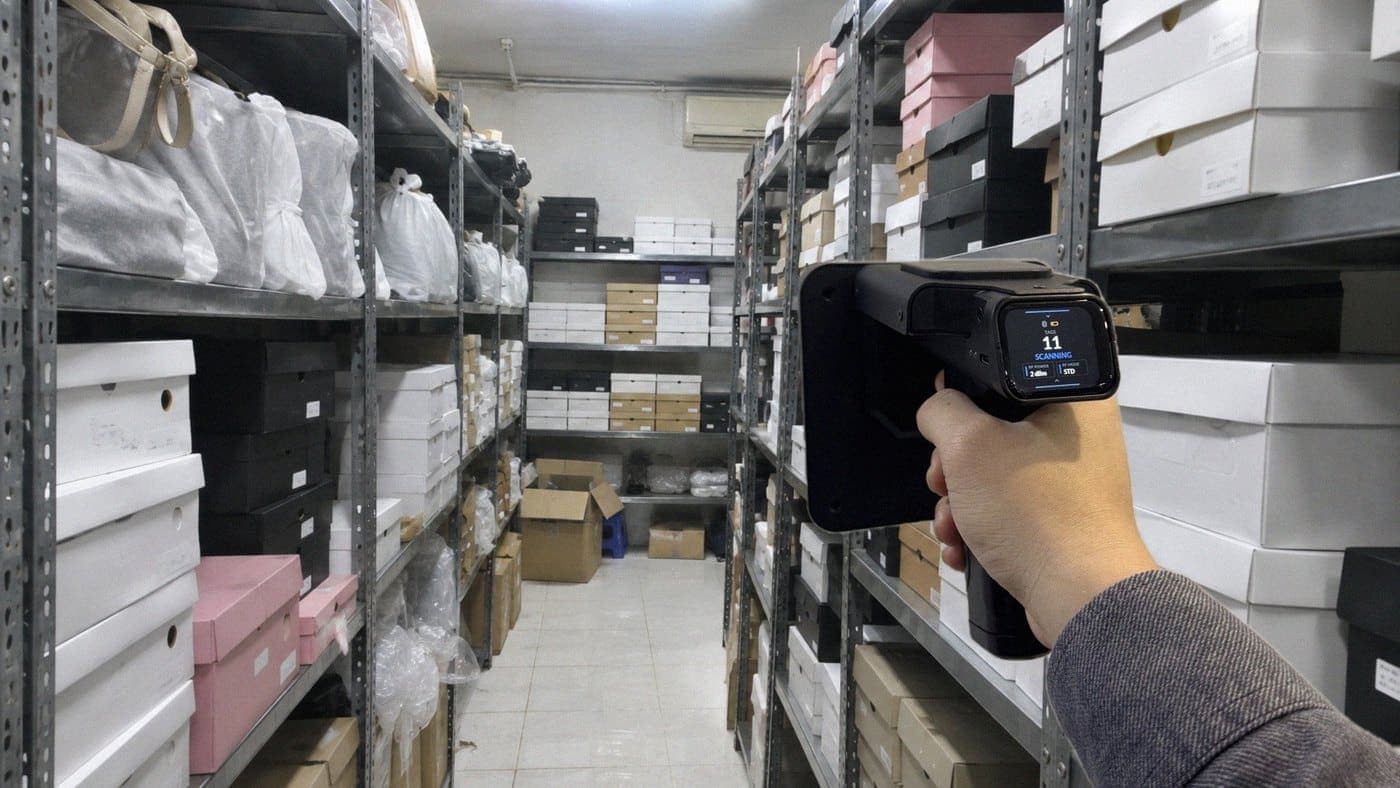 RFID BasicsWhat Is a Smart Stock Count? 4 Ways Compared and When RFID Makes SenseWhat is a smart stock count? Barcodes, RFID, camera AI and robots compared, how to choose a counting device, what it costs and where the limits are.15 min read
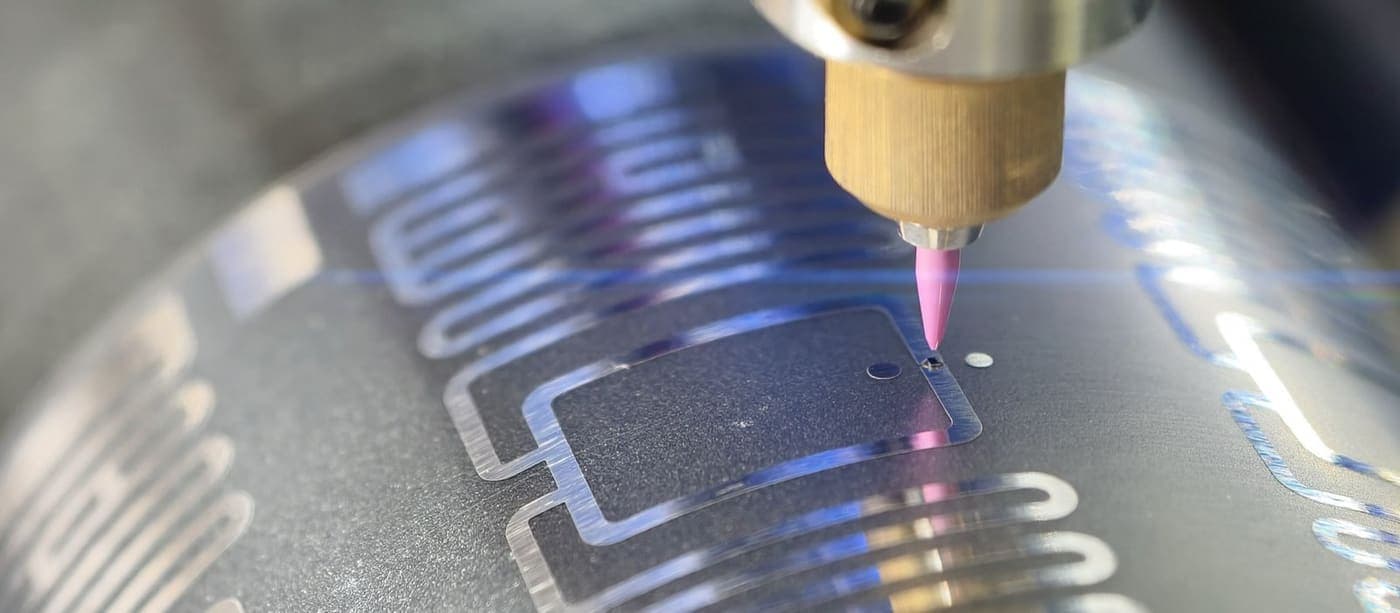 RFID BasicsWhat Is RFID? How It Works, Frequencies, EPC and Choosing a Kit by IndustryRFID identifies objects by radio, reading a chip without line of sight. How passive tags work, LF vs HF vs UHF, the EPC standard and how to pick a kit.50 min read
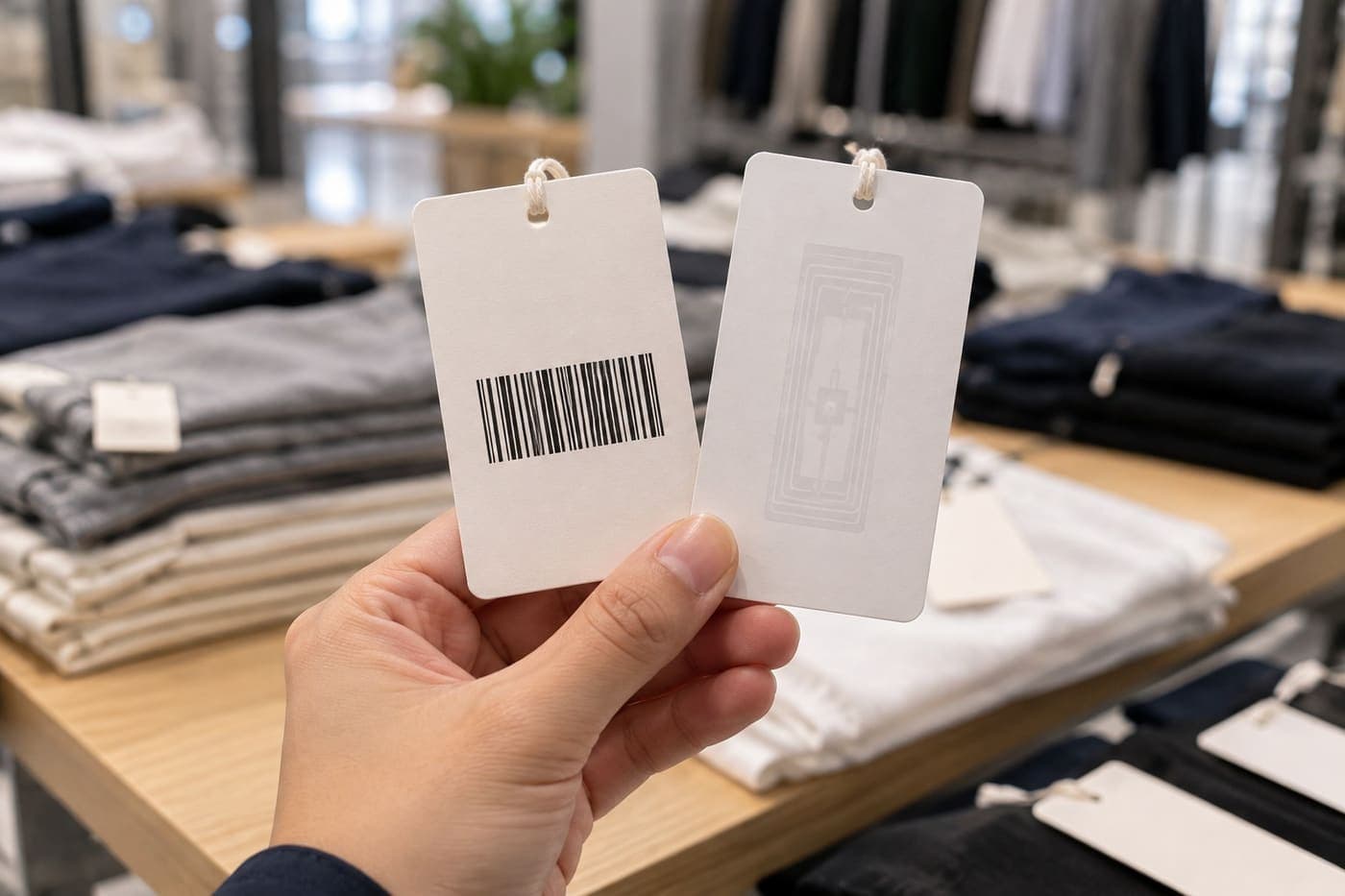 RFID BasicsRFID vs Barcode: You Are Probably Asking the Wrong QuestionWalk into most conversations about inventory technology and the question gets framed the same way: "Should we upgrade from barcodes to RFID?" It sounds reasonable, and it is the wrong question. The word "upgrade" assumes the two sit on a single ladder, where one is older and worse and the other is newer and better. They do not. A barcode is built for line-of-sight identification, where you point a scanner at one label and read it. RFID is built for bulk counting without line of sight, where you wave a reader near a pile of tagged items and read all of them at once. Asking which one to upgrade to is a little like asking whether you should replace your hammer with a screwdriver. The better question is simpler: which problem are you trying to solve, and where?15 min read
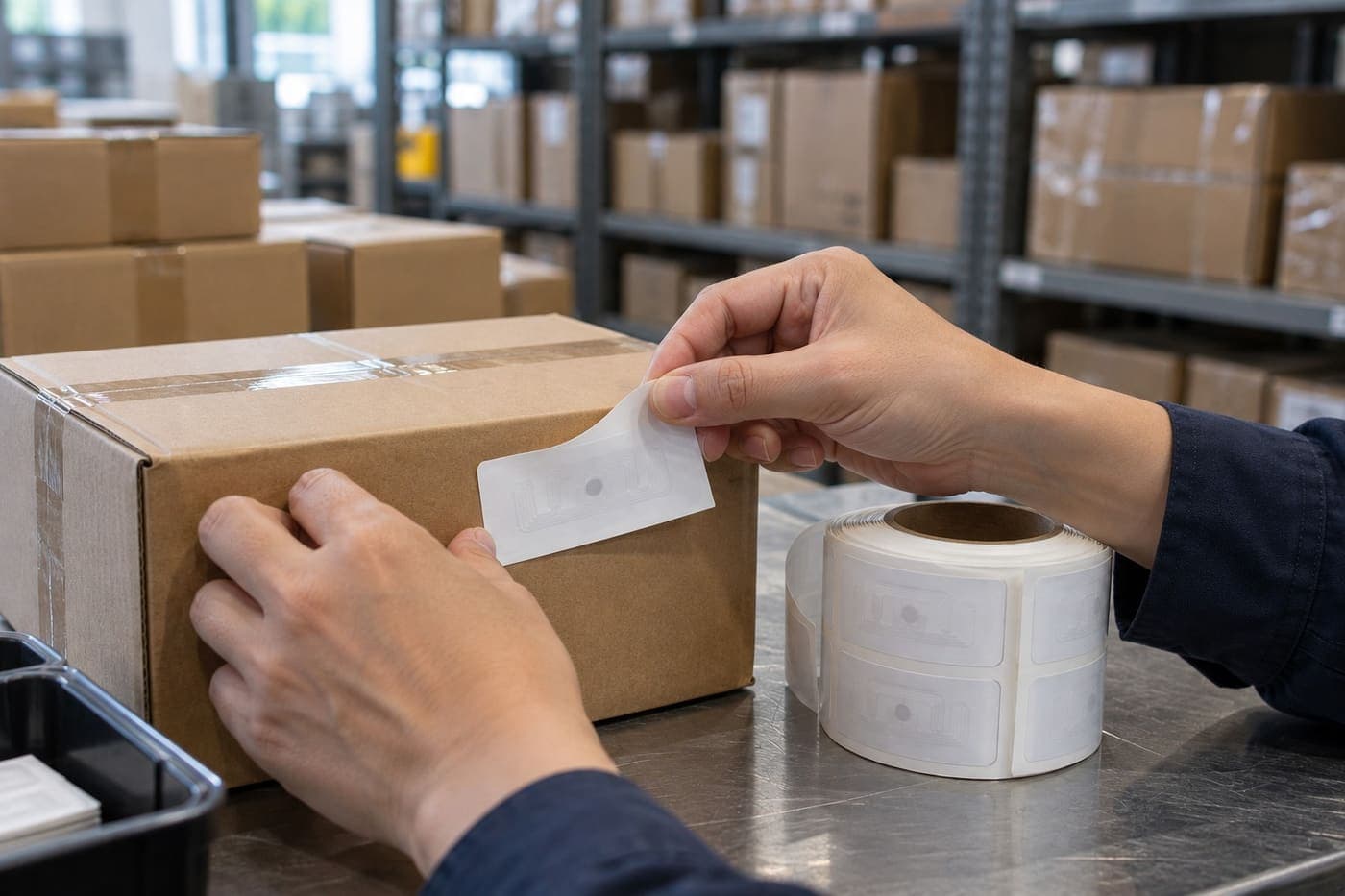 RFID BasicsWhat is RAIN RFID? Understanding Frequency, Standards, and the UHF ConnectionAs businesses strive for greater operational transparency, RAIN RFID has emerged as a critical standard in the Ultra High Frequency (UHF) landscape, enabling seamless connectivity for billions of everyday items. While the terms are often used interchangeably, understanding the specific nuances of frequency and global standards is essential for leveraging the full potential of RAIN RFID in modern supply chain management.11 min read
 RFID BasicsWhat is RAIN RFID? The Ultimate Guide to UHF TechnologyRAIN RFID uses UHF (Ultra-High Frequency) technology to identify, locate, and track items wirelessly. This technology operates at 860-960 MHz and reads hundreds of tags per second. Supply chains gain real-time visibility into inventory, assets, and shipments.8 min read
 RFID BasicsWhat is RFID technology? A comprehensive analysis of architecture, protocols, and practical applications.RFID is the core platform of Automatic Identification and Data Capture (AIDC) technology. Not just replacing barcodes, RFID establishes an asymmetrical wireless communication system between the interrogator and the responder. This article decodes the physical mechanism of UHF waves, antenna polarization techniques, and the Gen 2 V2 security standard in detail. You will master how to optimize investment costs through real-world models from VETC and Uniqlo for effective digital transformation applications.9 min read
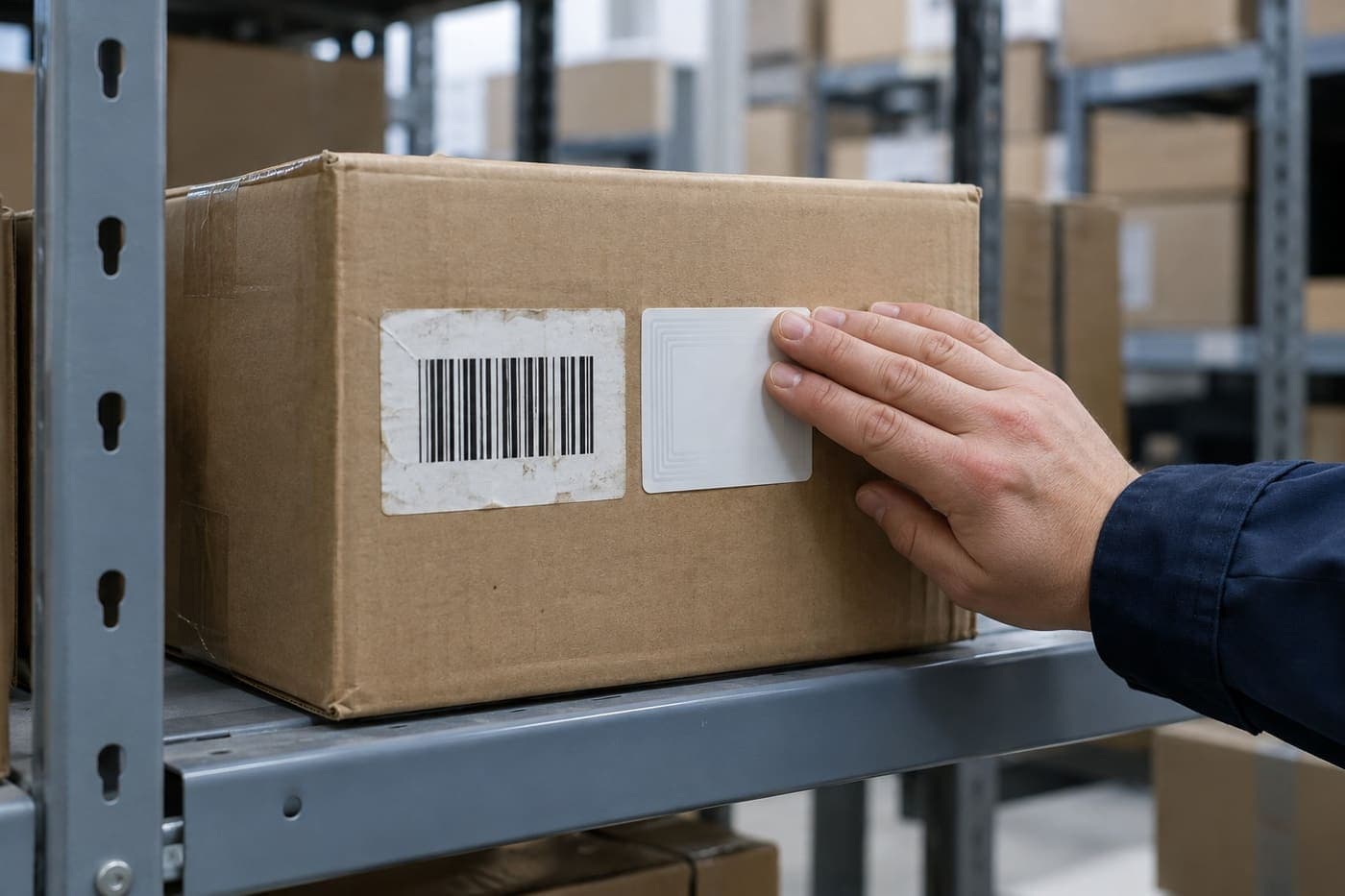 RFID BasicsFrom Barcode to RFID: The Revolution in Asset Tracking and Supply Chain ManagementUnlock the invisible. Discover how RFID technology bridges the physical and digital worlds to power the IoT in our lates5 min read