RAIN RFID uses UHF (Ultra-High Frequency) technology to identify, locate, and track items wirelessly. This technology operates at 860-960 MHz and reads hundreds of tags per second. Supply chains gain real-time visibility into inventory, assets, and shipments.
Nextwaves Industries provides UHF RFID antennas, readers, and tags paired with software like for complete traceability. You achieve accurate inventory counts, faster dispatch management, and reduced operational costs.
This guide explains RAIN RFID fundamentals and shows you how to implement UHF solutions in your operations.
Introduction: UHF RFID vs RAIN RFID
Industry professionals often use the terms UHF RFID and RAIN RFID interchangeably, but important distinctions exist between them. Understanding this terminology helps you navigate technical documentation, product specifications, and vendor discussions with confidence.
UHF RFID (Ultra-High Frequency RFID) refers to the technical classification of RFID systems operating in the 860-960 MHz frequency band. This term describes the underlying radio frequency technology and physics. Engineers and technical documentation typically use this term when discussing system specifications, antenna design, or regulatory compliance.
RAIN RFID serves as the commercial brand name for UHF RFID technology. The RAIN Alliance coined this name to create market recognition and distinguish these systems from other RFID technologies. The acronym derives from RAdio frequency IdentificatioN, inspired by the way RFID systems communicate through radio waves.
The relationship between these terms becomes clear when you understand their different purposes:
- UHF RFID describes the technical frequency band and physical characteristics
- RAIN RFID identifies the commercial standard and ecosystem of products
- Both terms refer to passive RFID systems operating in the same spectrum
- RAIN RFID products are technically UHF RFID products with standardized protocols
The RAIN Alliance functions as the global governing body for this standard. This organization drives adoption, maintains interoperability standards, and supports the RAIN RFID ecosystem. When you purchase RAIN RFID certified hardware, you receive UHF RFID technology that meets strict interoperability requirements.
Nextwaves Industries delivers RAIN RFID hardware and software to help you achieve supply chain visibility. Our products meet RAIN Alliance standards while leveraging UHF frequency technology for maximum performance.
How RAIN RFID Works: The Core Components
A RAIN RFID system requires three primary hardware components working together. Each component serves a specific function in the data collection process. Understanding these elements helps you design an effective deployment.
Tags and Inlays
RAIN RFID tags contain a microchip and an antenna on a substrate. The microchip stores unique identifier data and additional user memory. Tags operate without batteries in passive configurations.
The tag antenna captures radio energy from the reader. This energy powers the microchip. The chip modulates and reflects a signal back to the reader through backscatter.
Tags come in multiple form factors:
- Inlays: Thin, flexible labels for item-level tracking
- Hard tags: Durable enclosures for harsh environments
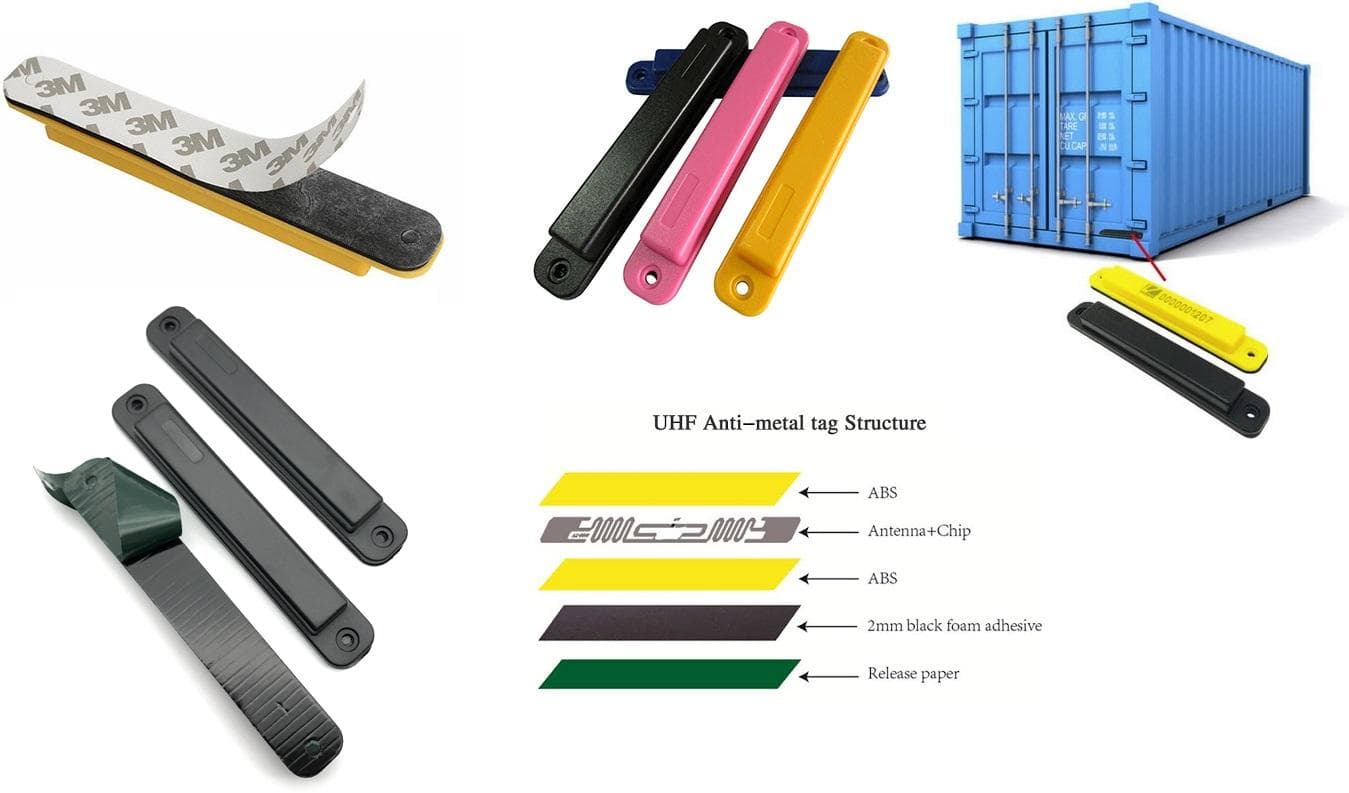
- Specialized tags: Designed for metal surfaces, glass, or liquid containers
Your choice of tag affects read range and reliability. Nextwaves Industries supplies tags optimized for various materials and environments.
Readers
The reader acts as the central controller of the RFID system. It transmits radio frequency energy and receives backscattered signals from tags. Readers decode the information and pass it to your software applications.
Readers perform two primary functions:
- Transmit RF energy at specific power levels and frequencies
- Demodulate return signals and extract tag data
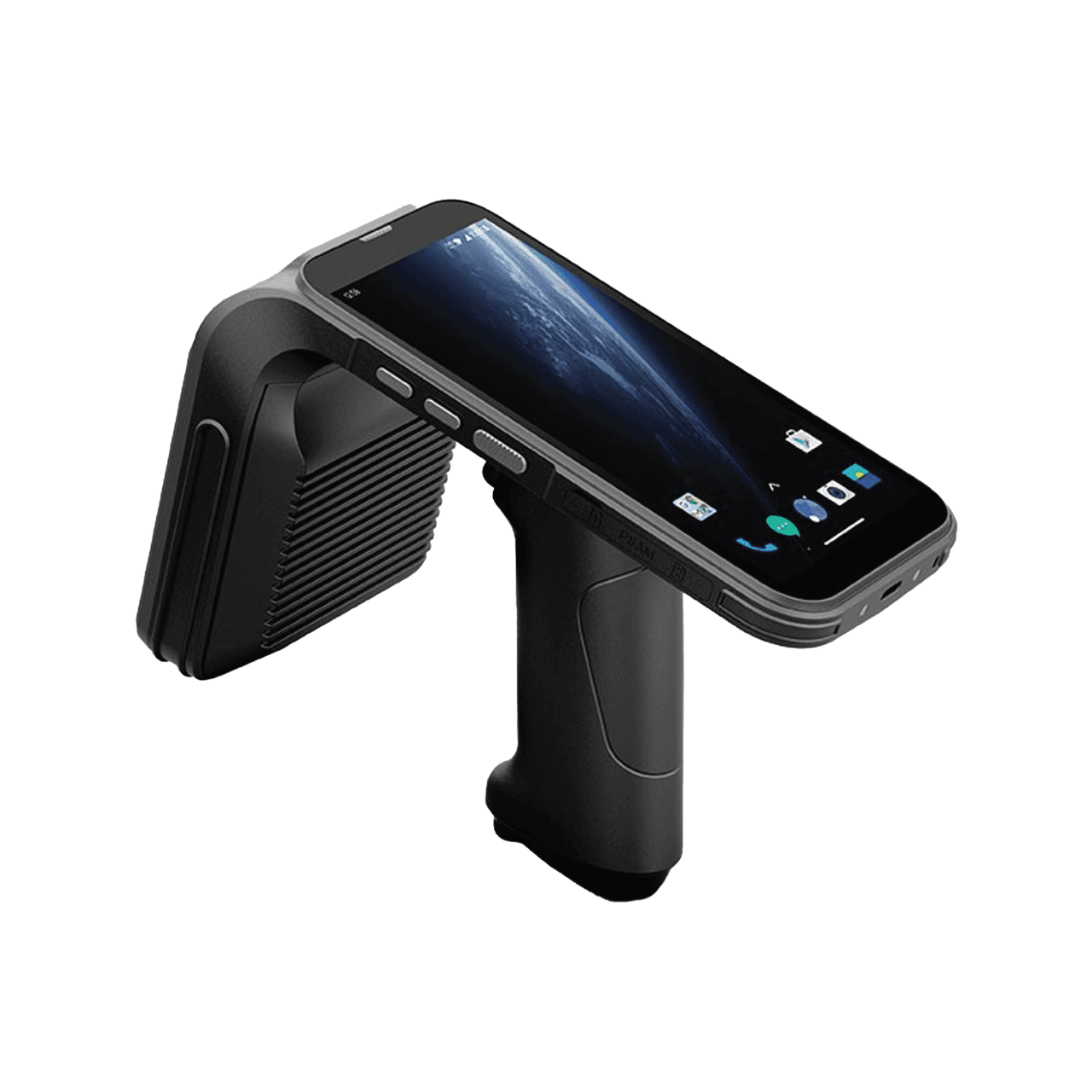
Fixed readers mount at strategic points like dock doors and conveyor belts. Handheld readers support mobile inventory operations. Both types connect to your network via Ethernet, Wi-Fi, or cellular connections.
Nextwaves readers support dense reader mode operation. This feature prevents interference when multiple readers operate nearby.
Antennas
Antennas shape the radio frequency field for optimal tag reading. They determine the coverage area and read zone geometry. Proper antenna selection maximizes read rates and minimizes interference.
Key antenna characteristics include:
- Gain: Higher gain extends read range but narrows the beam width
- Polarization: Linear antennas provide longer range. Circular antennas read tags at any orientation.
- Beam pattern: Defines the three-dimensional coverage area
Antenna placement affects system performance. You must consider read zone requirements and potential sources of interference. Nextwaves Industries designs high-performance UHF antennas for demanding industrial applications.
Why RAIN RFID? Key Advantages over Other Technologies
RAIN RFID delivers distinct advantages for supply chain operations. Your business gains efficiency through four key strengths.
- Long Read Range: RAIN RFID reads tags from distances up to 12 meters. HF and NFC technologies require proximity within centimeters. This range transforms inventory audits and asset tracking. You scan entire rooms without moving equipment.
- High Read Rates: RAIN RFID readers capture hundreds of tags per second. Line-of-sight is not required. Barcodes need direct visual access. RAIN RFID penetrates cardboard, plastic, and other non-metallic materials. You count pallet contents without unpacking.
- Cost-Effectiveness: Passive RAIN RFID tags cost between $0.05 and $0.15 each. Active RFID tags cost $15 to $50 per unit. This price difference enables large-scale deployments. You tag thousands of items without exceeding your budget.
- Global Standards: RAIN RFID operates on ISO/IEC 18000-63 and GS1 EPC Gen2 standards. Tags from one manufacturer work with readers from another. Frequency regulations vary by region. RAIN RFID hardware adjusts to local requirements. Your global supply chain maintains visibility across borders.
Nextwaves Industries provides RAIN RFID hardware and software solutions for manufacturing, logistics, and retail operations. Our platform integrates with UHF RFID readers to deliver end-to-end supply chain visibility.
Real-World Applications in Key Industries
RAIN RFID delivers measurable results across multiple sectors. Nextwaves Industries deploys this technology where tracking accuracy matters most.
Logistics and Supply Chain
RAIN RFID tags on pallets and cartons provide end-to-end visibility. You track shipments from warehouse to distribution center to final destination. Read ranges up to 12 meters allow entire truckloads to pass through fixed readers without manual scanning. This reduces check-in times by 90% compared to barcode systems. Companies using RAIN RFID report inventory accuracy above 99%.
- Automated shipment verification
- Real-time location updates
- Reduced lost cargo incidents
- Faster cross-docking operations
Retail
Stores use RAIN RFID for inventory counts that once took days. Handheld readers now complete full audits in hours. You gain accurate stock data across all locations. This prevents out-of-stock situations that cost retailers billions annually.
- Inventory accuracy improves from 65% to over 95%
- Loss prevention identifies theft patterns faster
- Self-checkout systems read all items simultaneously
- Omnichannel fulfillment relies on real-time stock data
Manufacturing
Production facilities track work-in-progress with RAIN RFID tags on parts and assemblies. You monitor each component through every production stage. Bottlenecks become visible immediately. Asset tracking ensures tools and equipment stay where needed.
- Work-in-progress visibility across production lines
- Automated quality control checkpoints
- Tool and equipment tracking reduces search time
- Maintenance scheduling based on actual usage
Cold Chain
Temperature-sensitive goods require constant monitoring. Specialized RAIN RFID sensor tags log temperature data throughout transit. You receive alerts when conditions fall outside acceptable ranges. This protects pharmaceutical products, fresh food, and biological materials.
- Continuous temperature logging during transport
- Compliance documentation for regulatory requirements
- Early warning systems for spoilage prevention
- Chain of custody verification
Nextwaves Industries combines UHF RFID hardware with software platforms like VTTM. You gain operational visibility across all these applications. The technology scales from single facilities to global supply networks.
The Nextwaves Advantage: Hardware Meets Intelligence
RAIN RFID technology delivers value when hardware and software work together. Nextwaves Industries bridges this gap. You get high-performance UHF hardware paired with intelligent software solutions designed for real-world operations.
Many providers offer RFID readers or antennas. Few deliver complete systems. Nextwaves supplies both components and the software to manage them. This integration eliminates compatibility issues and reduces deployment time.
Nextwaves Hardware Solutions:
- UHF RFID Antennas optimized for read range and accuracy
- Fixed and mobile RFID Readers for diverse environments
- Specialized Tags and Inlays for manufacturing, logistics, and retail applications
Nextwaves Software Solutions:
- Dispatch Management: Streamlined logistics operations and delivery coordination
- Inventory Systems: Accurate stock visibility across multiple locations
Your operations gain end-to-end visibility when hardware feeds data directly into purpose-built software. Nextwaves designs both to work seamlessly. You track items from receiving through dispatch without manual data entry or system switching.
Manufacturing facilities monitor work-in-progress across production lines. Logistics providers capture shipment data at dock doors. Retail operations maintain accurate inventory counts across stores and warehouses. Cold chain managers track temperature-sensitive goods with full traceability.
Nextwaves serves clients who need reliable RFID performance, not experimental technology. Your team deploys proven solutions backed by technical support. You focus on operations while Nextwaves handles the RFID infrastructure.
Improve your operational efficiency with Nextwaves RFID solutions. Contact our team to discuss your tracking and visibility requirements.
Conclusion & Call to Action
RAIN RFID transforms how you track assets, manage inventory, and optimize supply chains. Your organization achieves real-time visibility across operations with this technology.
Successful RAIN RFID deployment requires two elements working together:
- Quality hardware: High-performance readers, antennas, and tags ensure accurate data capture.
- Robust software: Systems like process data and deliver actionable insights.
Nextwaves Industries provides both components. Our UHF RFID hardware delivers reliable performance in demanding environments. Our software solutions turn raw data into operational intelligence for your business.
Improve your operational efficiency with Nextwaves RFID solutions. Contact us today for a consultation.
Was this article helpful?
Related Articles
Maximizing Asset Visibility: The Ultimate Guide to Anti-Metal UHF RFID Tags
Mar 2, 2026
Mastering UHF RFID in Odoo: Hardware, Workflows, and Best Practices
Mar 2, 2026
Chainway C72 Comprehensive Review: Specs, Pricing, and Top Alternatives
Mar 2, 2026
The Ultimate UWB Module Comparison: Prices, Specs, and Use Cases
Feb 23, 2026