反復運動過多損傷
何千冊もの本を手作業でスキャンすると、スタッフに反復運動過多損傷(RSI)が発生します。


図書館は地域の拠点ですが、司書はしばしば倉庫作業者のように感じてしまいます。時間は手作業での貸出・返却のチェック、返却本の仕分け、目視の範囲でバーコードスキャナーを使って棚間違いの本を探すことに費やされます。
利用者は利便性を求めています。本を手に取ってそのまま出かけたい、行列を待たずに24時間いつでも返却したいのです。従来のEMセキュリティストリップは盗難対策にはなりますが、在庫情報のインテリジェンスは提供しません。
その結果、職員がコミュニティと向き合う代わりに、事務作業の負担で埋もれてしまい、摩擦の多い体験になります。
何千冊もの本を手作業でスキャンすると、スタッフに反復運動過多損傷(RSI)が発生します。
誤って棚に置かれた本は、紛失した本です。RFIDがないと、間違った棚に置かれた本を見つけることは、干し草の山から針を探すようなものです。
ピーク時には、貸出カウンターに行列ができ、利用者をイライラさせます。
Nextwavesは、HF/NFCおよびUHFのRFIDソリューションで図書館を現代へ導きます。すべての本に、薄くて目に見えないRFIDタグを背表紙または表紙に挿入します。
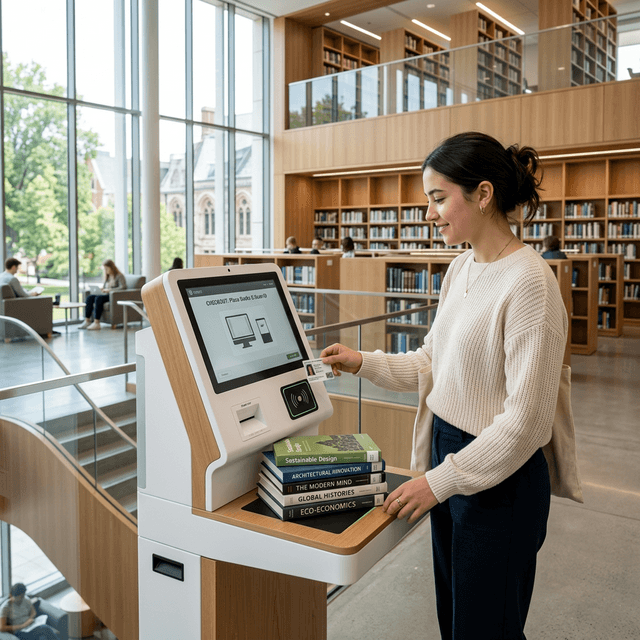
セルフチェックアウト・キオスクにより、利用者はパッド上に5〜10冊をまとめて積み上げられます。システムはすべてを瞬時に読み取り、セキュリティビットを無効化し、数秒でレシートを印刷します。
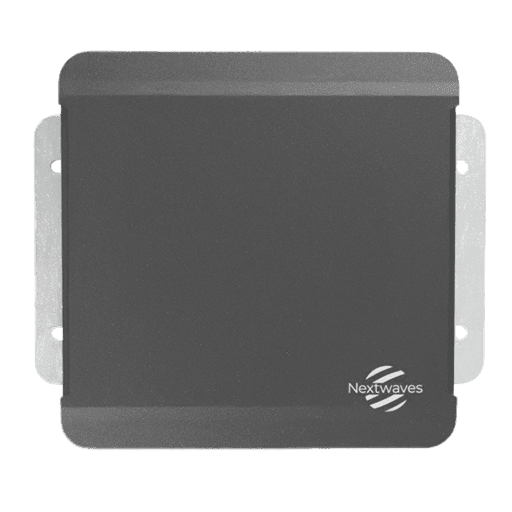
スマートリターンシュート(AMH)は24時間対応で返却を受け付けます。本がシュートを滑り落ちる間にスキャンされ、チェックインされ、再整理のために自動で各ビンへ仕分けされます。職員はハンディワンドで棚を走査し、紛失した本をすぐに見つけたり、配置順を確認したりできます。
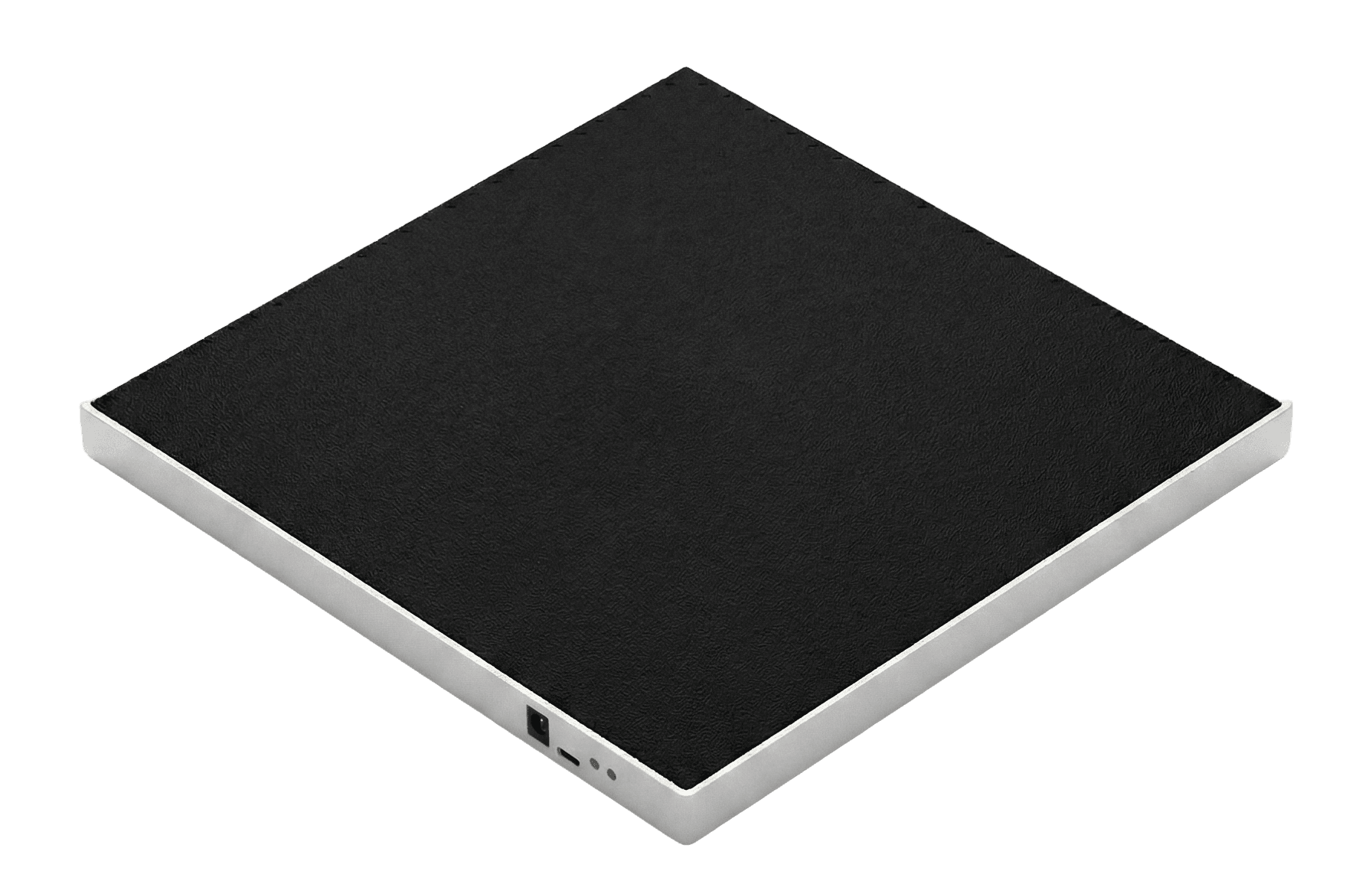
利用者が瞬時に本の貸し出しと返却を行えるようにし、待ち時間を削減します。
ワンダーで通路を歩くだけで、数秒で誤って棚に置かれた本を見つけられます。
自動ブックドロップは、利用者のアカウントを即座に更新します。
司書は「本の取り扱い人」から「情報スペシャリスト」へと変わります。
図書館の全コレクションをRFIDへ移行するのは大きな取り組みです。だからこそ、当社は「併存」を前提に設計しています。ハイブリッドタグには、従来のバーコードと、新しいRFIDチップの両方を同一ラベルに搭載しています。そのため、既存のILSはそのまま稼働しつつ、職員は自分のペースで徐々にRFIDのワークフローへ移行できます。
多くの公共図書館ではHF(13.56 MHz)を推奨します。これは支払いカードやNFC対応端末と同じ周波数で、精度が高く利用者のプライバシーにも配慮できます。数万点規模の大量在庫を扱う大きな学術アーカイブでは、UHFのスピードが有効です。当社はコレクションを評価し、ワンサイズではなく適切な周波数を提案します。
RFIDにより、「無人の時間(unstaffed hours)」モデルが現実になります。登録済みの利用者は会員カードで建物に入館し、単独で閲覧・貸出ができ、返却は自動のドロップシステムで行えます。火曜日の22時でも、日曜日の6時でも対応します。
同じインフラが職員の在庫インテリジェンスも解放します。通路全体をハンディワンドで走査すると、数分で棚の誤配置を含むあらゆる該当アイテムが可視化されます。司書が1フルシフトかけていた作業が、1日の開始時に数分で終わります。
RFIDセキュリティゲート、対金属用タグ、自動監査機能を活用して、ノートPCやIT機器を保護します。