RFID replacement dossierUpdated: May 25, 2026

Times-7 A5020CPRecensione: Specifiche e alternative

The Times-7 A5020CP is an ultra-rugged $180 passive antenna. Learn how bridging passive antennas via coax impacts system deployment costs.

Ingegneria NextwavesRecensione Hardware5 min di lettura

Technical verdict

Times-7 A5020CP is a mainstream hardware purchase, but it is not always the best architecture for direct RFID data integration.

Do not evaluate A5020CP by list price alone. Its strongest fit is a project that already uses SMA Female, has time for RF tuning, and accepts extra middleware work. If the engineering team needs open APIs, realtime data, and faster edge-to-cloud deployment, Nextwaves NR155 is the stronger replacement path to evaluate.

Initial cost

$180 before deployment accessories

Published throughput

Not specified

Integration surface

SMA Female

Physical data

150 x 150 x 14 mm; 0.25 kg; IP: IP68 / IP69K

Published specs

Specifications to validate before replacing

Frequenza

864-869 MHz / 902-928 MHz

Protocollo

N/A (Passive Antenna Element)

Connettività

SMA Female

Grado di protezione IP

IP68 / IP69K

Dimensioni

150 x 150 x 14 mm

Peso

0.25 kg

Alimentazione

N/A (Passive)

Velocità di lettura

N/A (Passive)

Prezzo stimato

$180

Deployment review

Operational strengths and risks

This summary is based on public specifications and does not replace an on-site RF survey.

Fit score

3.5/5

Strengths

  • SMA Female gives network teams a familiar integration surface instead of local-only collection.
  • N/A (Passive) can reduce separate power drops when switch PoE budget is available.
  • The $180 hardware baseline is easier to budget than premium fixed-reader configurations.
  • Throughput should be measured with real tags and antennas.

Validate

  • Quoted hardware price is not installed system cost; include antennas, cables, mounts, power, software, and configuration work.
  • RF performance depends on tag material, antenna position, transmit power, reader orientation, and site interference.
  • IP68 / IP69K must be checked against dust, humidity, temperature, and cleaning requirements.
  • Raw RFID reads still need duplicate filtering, business-event mapping, and ERP/WMS integration before operations can use them.

Deployment review

Buying decision matrix

Best fit

Fixed UHF RFID projects that already use SMA Female and have time for RF tuning.

Weak fit

Do not compare device price only; total cost depends on accessories, software, and integration.

Deployment risk

IP68 / IP69K, N/A (Passive), 150 x 150 x 14 mm, and 0.25 kg must match the site layout.

Software risk

Plan for middleware, SDK work, duplicate filtering, and business-event mapping.

Alternative architecture

Times-7 A5020CP vs Nextwaves

01

Panoramica hardware

Il Times-7 A5020CP è un dispositivo RFID di livello industriale. Funziona nell'intervallo di 864-869 MHz / 902-928 MHz e supporta lo standard N/A (Passive Antenna Element), rendendolo ampiamente utilizzato nelle applicazioni logistiche aziendali.

Con un grado di protezione IP di IP68 / IP69K, offre protezione contro specifiche condizioni ambientali tipiche di magazzini o retrobottega. Il lettore utilizza N/A (Passive) per prestazioni continue, mentre la sua velocità di lettura massima dichiarata raggiunge N/A (Passive).

02

Connettività e integrazione di rete

Nelle implementazioni moderne, l'integrazione di rete è l'ostacolo più significativo. Questo modello offre SMA Female opzioni per il trasferimento dei dati ai sistemi centrali.

Tuttavia, un importante collo di bottiglia con l'hardware Times-7 legacy è la forte dipendenza da SDK proprietari (come LLRP) o costosi middleware IoT di terze parti per elaborare i dati grezzi dei tag in informazioni aziendali significative.

03

When to choose Nextwaves instead of another closed reader

Se il tuo team di ingegneri sta valutando il Times-7 A5020CP, Nextwaves NR155 presenta un'architettura cloud-native di gran lunga superiore. I sistemi legacy comportano intrinsecamente un'elevata spesa in conto capitale attraverso il vendor lock-in e gli ecosistemi software proprietari.

Nextwaves elimina completamente questa barriera fornendo un'API REST MQTT standard direttamente sul dispositivo. I tuoi sviluppatori software possono integrare la lettura dei tag direttamente nel tuo backend ERP o WMS personalizzato in pochi giorni anziché mesi, bypassando completamente le commissioni di licenza middleware ricorrenti.

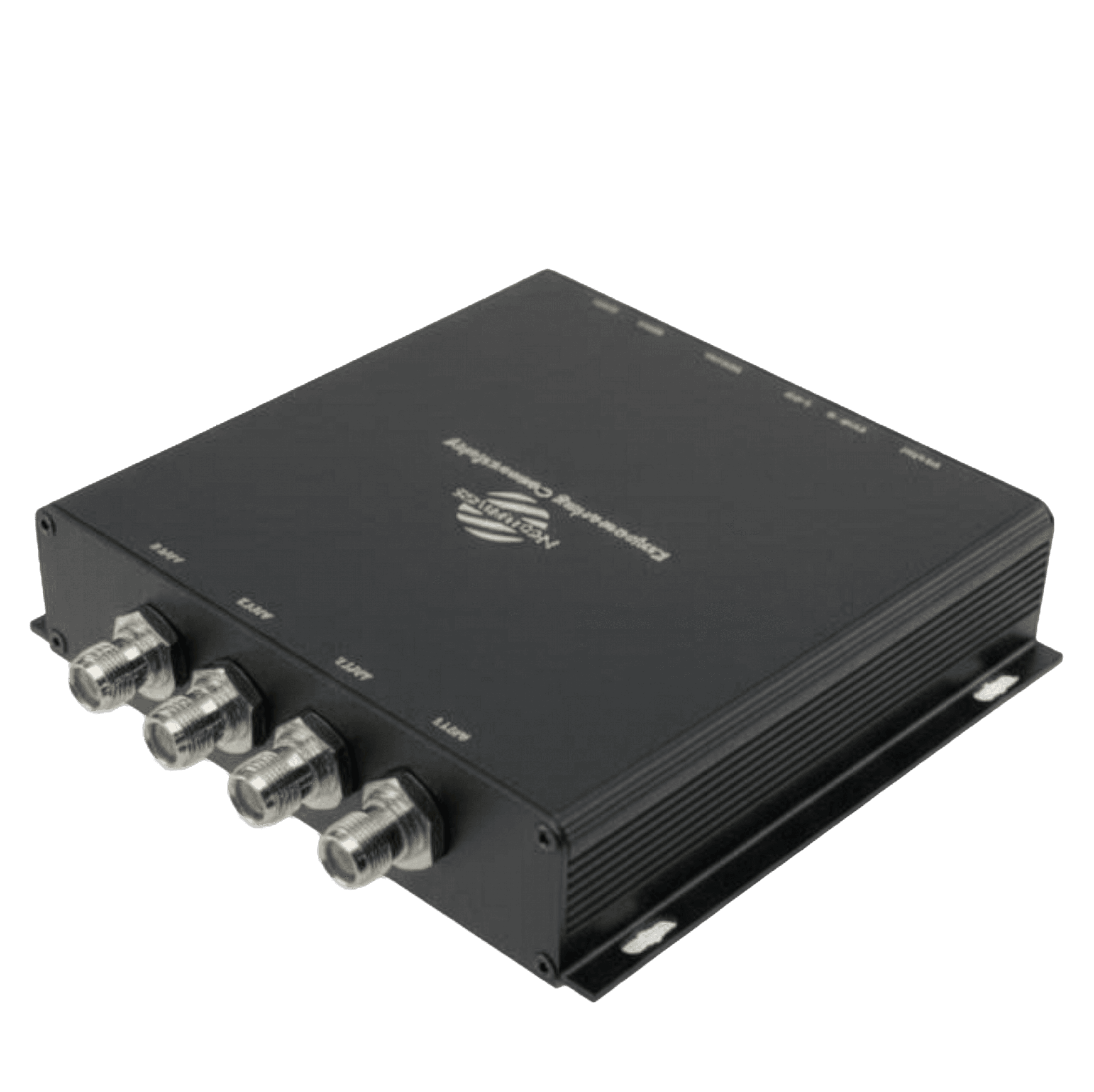
Alternative architecture

Lettore RFID UHF IoT fisso NR155

API MQTT/REST native del cloud integrate. Nessun SDK proprietario, nessuna licenza middleware. Integrazione diretta con il tuo ERP o WMS in pochi giorni.

View Nextwaves NR155
Nextwaves NR155 Fixed IoT UHF RFID Reader

Porte antenna

4 porte RP-TNC

Velocità di lettura

Fino a 400 tag/secondo

Potenza in uscita

0–33 dBm (incrementi di 1dB)

Protocollo di rete

MQTT / MQTTS

FAQ

Domande frequenti

These answers help purchasing and engineering teams review cost, integration, and deployment risk.

01

Cos'è il A5020CP?

The Times-7 A5020CP is an ultra-durable, highly localized passive RF antenna. Broadcasting over 864-869 MHz / 902-928 MHz blocks, it provides deep concentrated penetration for localized asset tracking like medical cabinets or toll booths.

02

Quanto costa inizialmente questa configurazione?

Individual plates price near $180. Scaling your site requires allocating budget for multi-port readers, thick RF coaxial cables, and extensive manual tuning hours.

03

Perché dovrei scegliere Nextwaves invece?

Managing coaxial cables across factory ceilings introduces catastrophic single points of failure. Nextwaves embeds the reader and antenna inside a single IP68 chassis running exclusively on simple Category 6 Ethernet lines.

04

L'hardware è abbastanza resistente per i magazzini?

Boasting an incredible IP68 / IP69K rating, its 150 x 150 x 14 mm and 0.25 kg shell survives continuous high-pressure, high-temperature wash-downs typical in medical or food-processing facilities.

05

Supporta più tipi di rete?

It completely lacks native IP networking. Operational continuity hinges upon securely connecting the SMA Female head to an active external reader matrix.

06

Il mio team può installarlo internamente?

Physical integration is achieved via flush mounting or VESA brackets. The greatest hurdle involves properly connecting and weather-sealing external RF coax cables to prevent moisture degradation over the copper lines.

07

Come funziona la gestione remota?

Operating as a passive resonant plate, the unit has a N/A (Passive) metric. The interrogation density relates entirely to the horsepower of the host reader logic.

08

Ho bisogno di un software proprietario per eseguirlo?

Software pipelines bypass the plate completely. Developers capture tag events by programming the host MCU or Linux server wired to the antenna bank over standard HTTP protocols.

09

Quale garanzia viene fornita con il lettore?

Times-7 hardware is protected by standard manufacturing defect warranties. The IP69K rated seals ensure the internal resonant patch survives extraordinarily hostile chemical environments.

10

Le antenne sono vendute separatamente?

Despite its small size, it projects a focused 5.5 dBic circularly polarized field across the 864-869 MHz / 902-928 MHz bandwidths. It is ideal for highly targeted, dense RF illumination zones.