ThingMagic (JADAK) Sargas (4-Port) Recensione: Specifiche e alternative

Nextwaves Engineering··Recensione Hardware·3 min di lettura

The Sargas 4-Port is a networked tracking device operating on UHF/RAIN. Priced over $1500, compare its legacy middleware requirements to Nextwaves.

Specifiche tecniche

FrequenzaUHF/RAIN (global)
ProtocolloEPC Gen2V2, ISO 18000-63, Gen2X
ConnettivitàEthernet, USB, Micro SD, 8 GPIO
Grado di protezione IPIP52
Dimensioni87 x 80 x 23 mm
Peso0.3 kg
AlimentazionePoE or 5V DC
Velocità di lettura750
Prezzo stimato$1500

Panoramica hardware

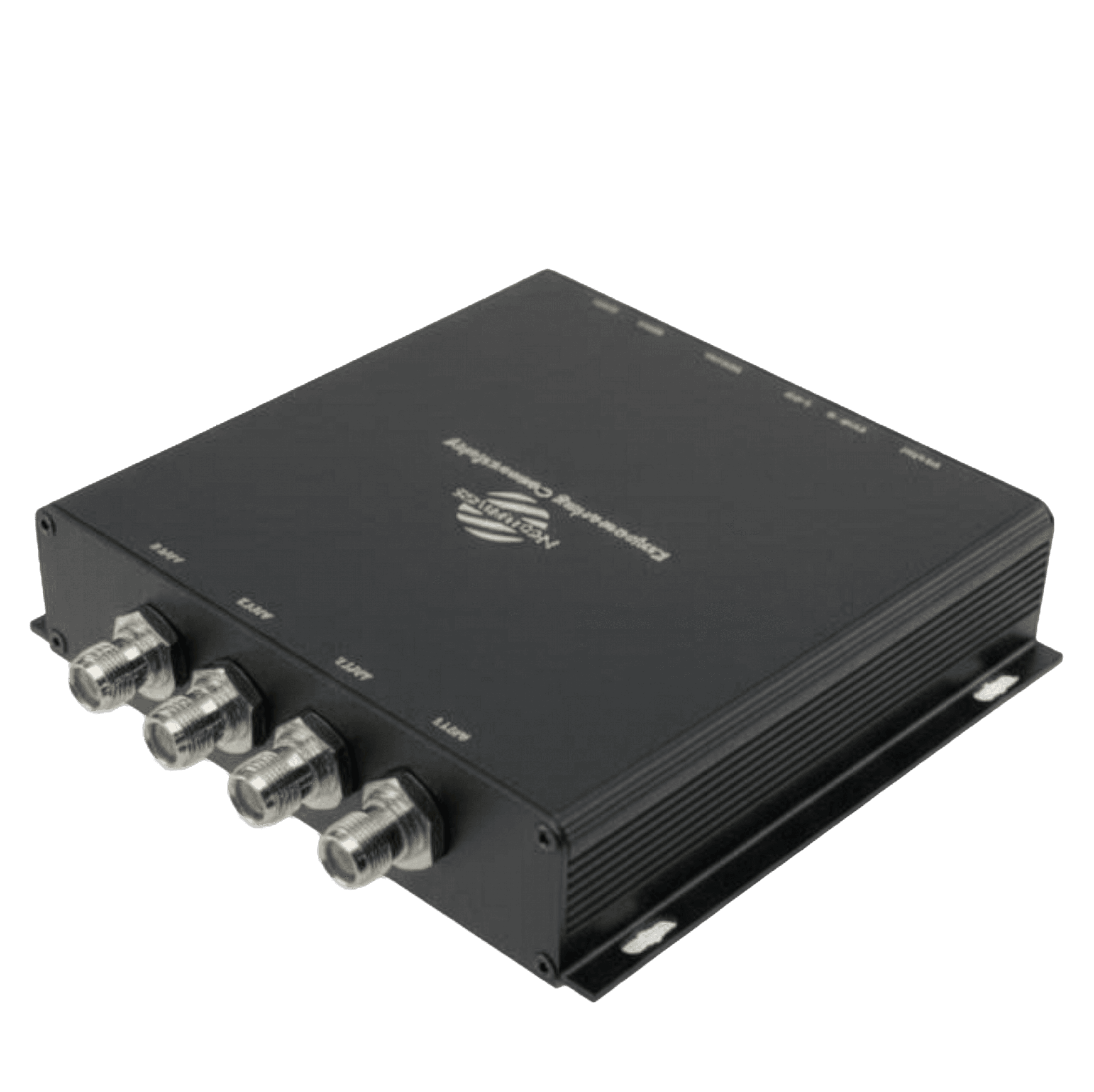
Il ThingMagic (JADAK) Sargas (4-Port) è un dispositivo RFID di livello industriale. Funziona nell'intervallo di UHF/RAIN (global) e supporta lo standard EPC Gen2V2, ISO 18000-63, Gen2X, rendendolo ampiamente utilizzato nelle applicazioni logistiche aziendali.

Con un grado di protezione IP di IP52, offre protezione contro specifiche condizioni ambientali tipiche di magazzini o retrobottega. Il lettore utilizza PoE or 5V DC per prestazioni continue, mentre la sua velocità di lettura massima dichiarata raggiunge 750.

Connettività e integrazione di rete

Nelle implementazioni moderne, l'integrazione di rete è l'ostacolo più significativo. Questo modello offre Ethernet, USB, Micro SD, 8 GPIO opzioni per il trasferimento dei dati ai sistemi centrali.

Tuttavia, un importante collo di bottiglia con l'hardware ThingMagic (JADAK) legacy è la forte dipendenza da SDK proprietari (come LLRP) o costosi middleware IoT di terze parti per elaborare i dati grezzi dei tag in informazioni aziendali significative.

L'alternativa Nextwaves

Se il tuo team di ingegneri sta valutando il ThingMagic (JADAK) Sargas (4-Port), Nextwaves NR155 presenta un'architettura cloud-native di gran lunga superiore. I sistemi legacy comportano intrinsecamente un'elevata spesa in conto capitale attraverso il vendor lock-in e gli ecosistemi software proprietari.

Nextwaves elimina completamente questa barriera fornendo un'API REST MQTT standard direttamente sul dispositivo. I tuoi sviluppatori software possono integrare la lettura dei tag direttamente nel tuo backend ERP o WMS personalizzato in pochi giorni anziché mesi, bypassando completamente le commissioni di licenza middleware ricorrenti.

Domande frequenti

Cos'è il Sargas (4-Port)?

The ThingMagic (JADAK) Sargas 4-Port is a high-performance, networked RFID reader. Designed around the ThingMagic M6e Micro module, it supports EPC Gen2V2, ISO 18000-63, Gen2X over UHF/RAIN (global) frequencies for edge computing deployments.

Quanto costa inizialmente questa configurazione?

The base unit is commonly priced around $1500. A comprehensive bill of materials also requires budgeting for 4 external antennas, RF cabling, and establishing a stable PoE or 5V DC power environment.

Perché dovrei scegliere Nextwaves invece?

Nextwaves provides embedded REST API and MQTT endpoints directly in the hardware stack. Consequently, software engineering teams can bypass expensive custom IoT middleware and integrate RFID events directly to internal webhooks.

L'hardware è abbastanza resistente per i magazzini?

The compact aluminum housing weighs approximately 0.3 kg and measures 87 x 80 x 23 mm. It features an IP52 rating, making it robust against dust and light drip exposure, but unsuitable for direct outdoor weathering.

Supporta più tipi di rete?

Corporate network integration routes through its Ethernet, USB, Micro SD, 8 GPIO interfaces. The extensive 8-pin GPIO allows direct logic interactions with stack lights, programmable logic controllers, and motion sensors.

Il mio team può installarlo internamente?

Physical cabinet mounting uses the integrated flange holes. Optimizing RF performance often requires utilizing the Mercury API to properly configure read/write parameters for the specific Gen2X subset tags in your facility.

Come funziona la gestione remota?

Under laboratory test conditions, the reader is capable of processing up to 750 tags per second. Extensive device configuration utilizes the proprietary JADAK Universal Reader Assistant (URA) utility.

Ho bisogno di un software proprietario per eseguirlo?

Most enterprise deployments require custom C# or Java applications utilizing the Mercury API to interface effectively with the Ethernet, USB, Micro SD, 8 GPIO ports, adding significant software lifecycle maintenance.

Quale garanzia viene fornita con il lettore?

The manufacturer typically provides a standard one-year hardware warranty. Complex factory deployments usually benefit from purchasing extended support SLAs and integration consultancy.

Le antenne sono vendute separatamente?

External RP-SMA connected antennas are strictly required. Careful calibration of these RF ports across the UHF/RAIN (global) frequency bands ensures maximum range without violating local ETSI/FCC regulations.