
Blog
Engineering notes, deployment guides, and field stories on RFID, antennas, inlays, and inventory systems for manufacturing, logistics, and retail.

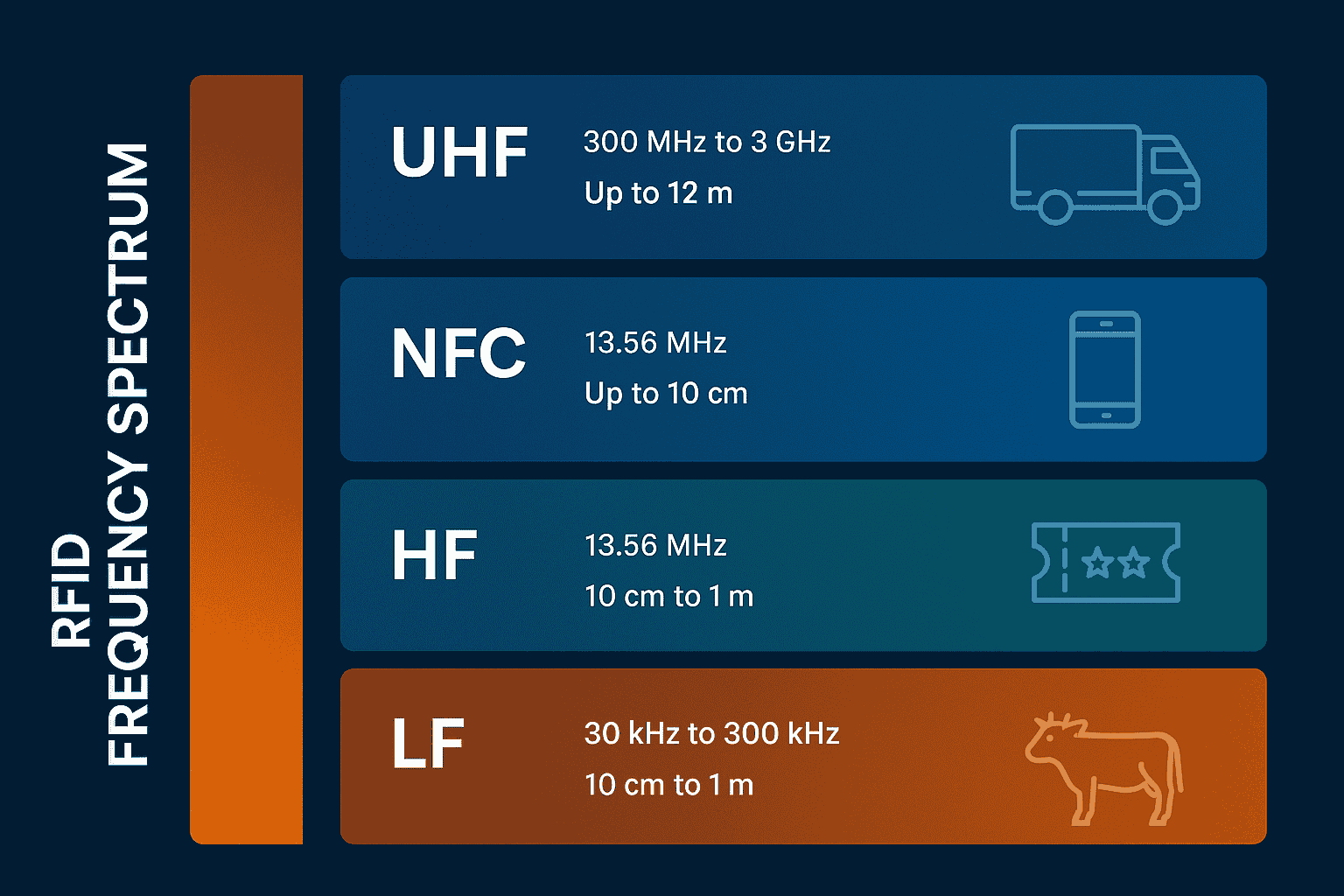
What is RAIN RFID? Understanding Frequency, Standards, and the UHF ConnectionAs businesses strive for greater operational transparency, RAIN RFID has emerged as a critical standard in the Ultra High Frequency (UHF) landscape, enabling seamless connectivity for billions of everyday items. While the terms are often used interchangeably, understanding the specific nuances of frequency and global standards is essential for leveraging the full potential of RAIN RFID in modern supply chain management.Read more

RFID RTLS vs. Bluetooth Beacons: Choosing the Right Tracking Technology forAs organizations look toward 2025, selecting the ideal asset tracking solution requires a strategic evaluation of the trade-offs between RFID RTLS and Bluetooth beacons regarding both price and performance. While emerging technologies like UWB offer high-precision alternatives, understanding the core functional differences between traditional RFID RTLS and bluetooth connectivity is essential for optimizing your facility's operational visibility and long-term ROI.Read more
UHF RFID IC Comparison: Performance, Pricing, and Sourcing GuideSelecting the correct UHF RFID Integrated Circuit defines your system's efficiency. You must evaluate the Impinj M800, NXP UCODE 9, and Alien Higgs-9 against specific operational needs. These chips dominate the 2025 market.Read more
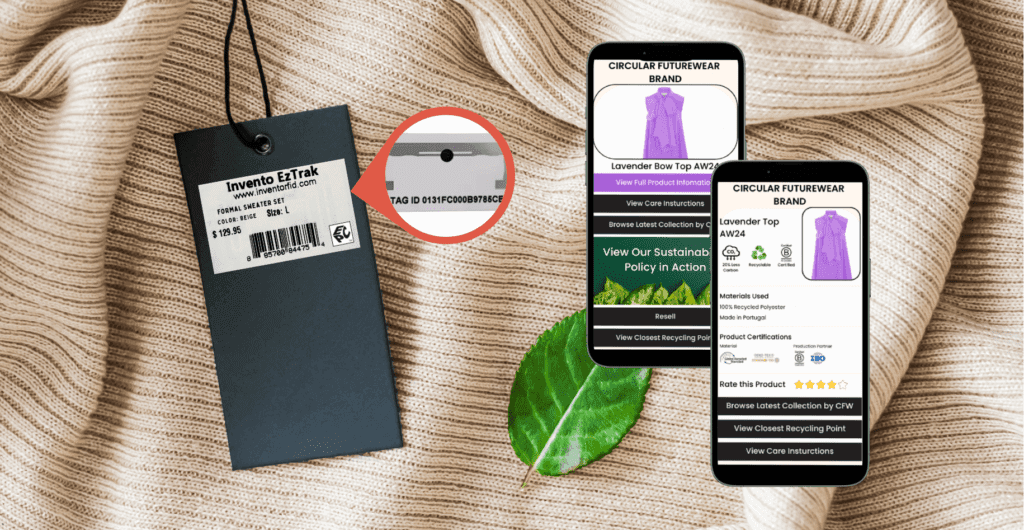
Mastering the 2027 EU Digital Product Passport: Why RAIN RFID is the Exporter's Critical Tool for ComplianceThe European Union mandates Digital Product Passport compliance by 2027. You must provide data on material composition and product circularity. RAIN RFID technology automates data collection across your supply chain.Read more
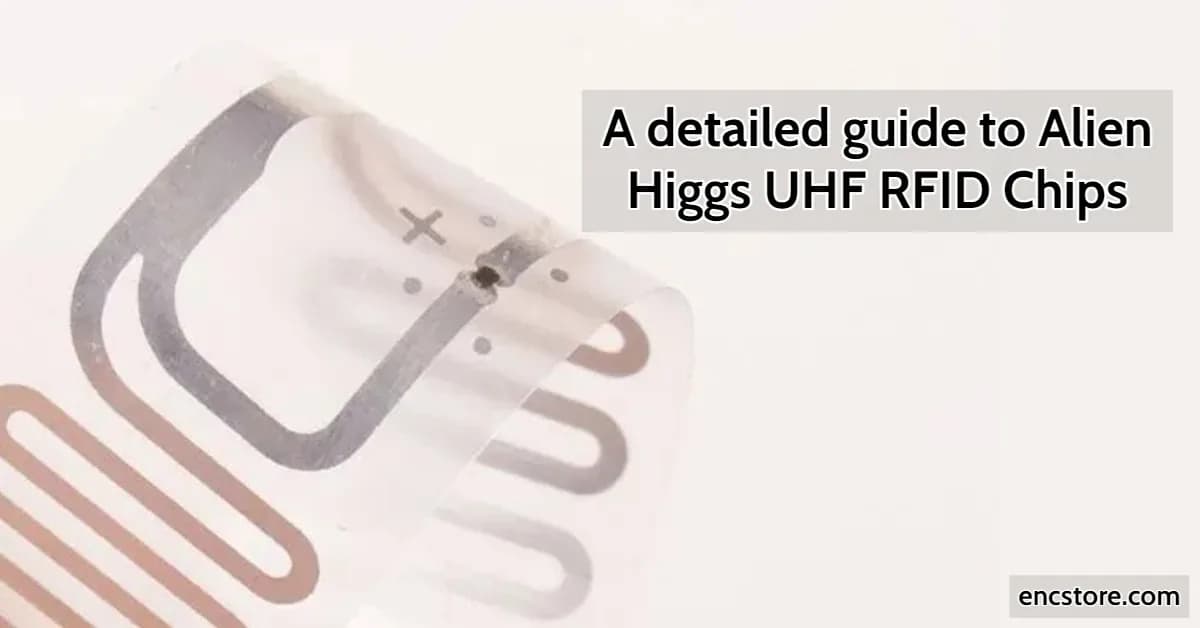
Alien Higgs 10 (H10) Review: The New Value King of UHF RFID?Alien Technology offers the Higgs 10 chip for high-volume RFID labels. This chip provides -23.5 dBm read sensitivity. It matches the performance of Impinj M700 and NXP UCODE 9 series. You get 448 bits of memory for EPC and user data. The H10 reduces manufacturing costs by fifteen percent.Read more
Quanray Qstar 7U vs. NXP Ucode 9 & Impinj M800: The Ultimate RFID Chip ComparisonSelecting the right RFID chip determines your system's read range, accuracy, and overall performance. Three leading options dominate the market: Quanray Qstar 7U, NXP UCODE 9, and Impinj M800. Each offers distinct advantages for logistics and retail applications.Read more

Beyond the Barcode: A Guide to Implementing RFID for Hospital Asset Tracking and Patient SafetyHospitals lose critical equipment daily. Infusion pumps, wheelchairs, and diagnostic tools vanish into storage rooms, hallways, and other departments. Staff spend hours searching instead of treating patients. Traditional barcode systems require manual scanning and line-of-sight visibility, leaving gaps in asset location data. Inventory accuracy often hovers around 65% according to [rfidlabel.com](https://www.rfidlabel.com/the-end-of-lost-equipment-latest-news-on-rfid-for-real-time-hospital-asset-visibility/).Read more

What is Physical AI? The 'ChatGPT Moment' for Logistics and ManufacturingPhysical AI integrates real-world sensing with machine learning to enable machines to perceive, reason, and act within three-dimensional spaces. Unlike digital models that process text, physical AI learns from cameras, sensors, and motion to understand cause and effect. NVIDIA CEO Jensen Huang identifies this as the "ChatGPT moment" for industrial automation, where embodied AI transitions from rigid programming to adaptive intelligence. This technology bridges the gap between digital data and physical execution.Read more
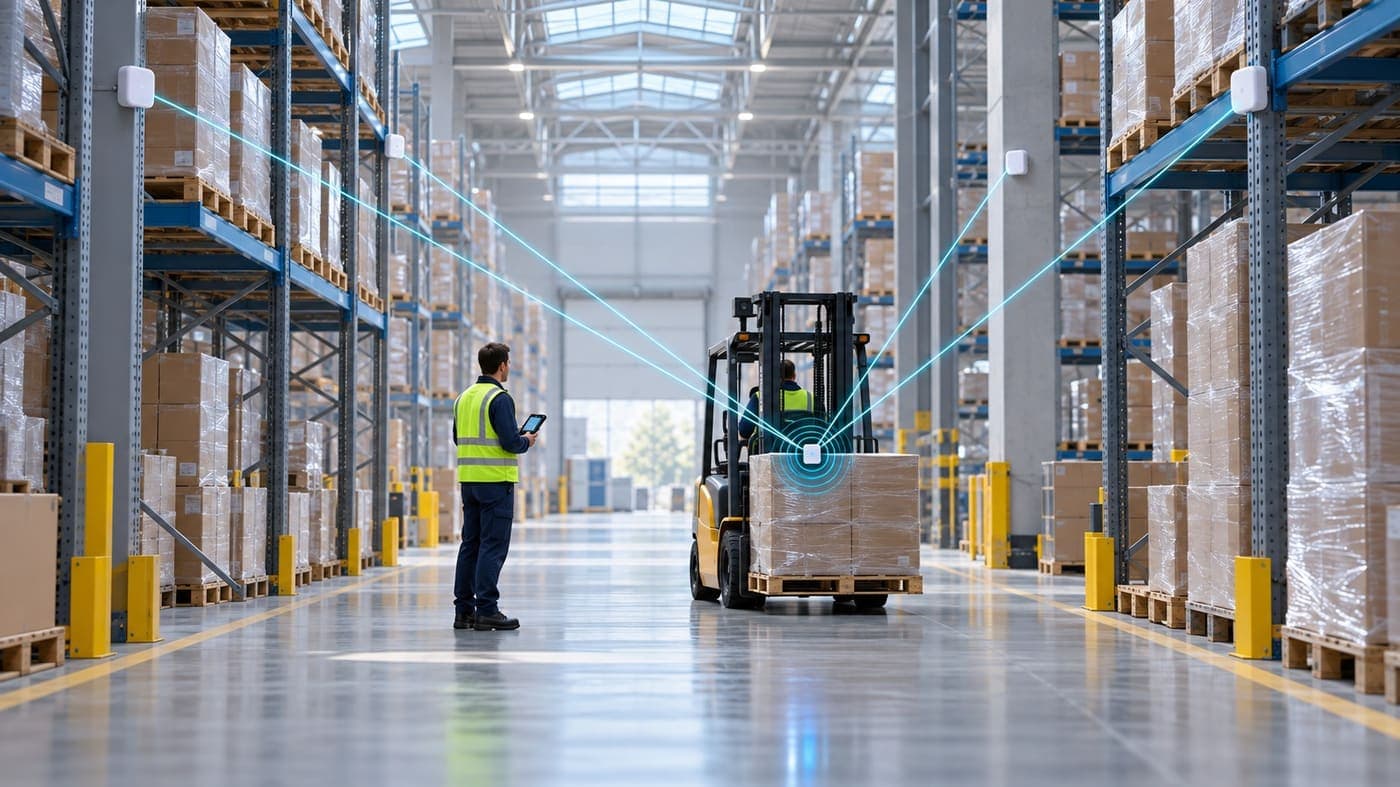
Precision Indoors: Finding the Most Accurate Positioning System for Large VenuesLarge venues need indoor positioning that combines accuracy with practical deployment and operation. Ultra-Wideband (UWB) offers high precision, while Bluetooth Angle of Arrival (AoA) offers a lower-cost alternative. This comparison looks at UWB, Bluetooth AoA, and standard Bluetooth beacons to help determine whether a Bluetooth-enabled mobile app is enough for a facility.Read more
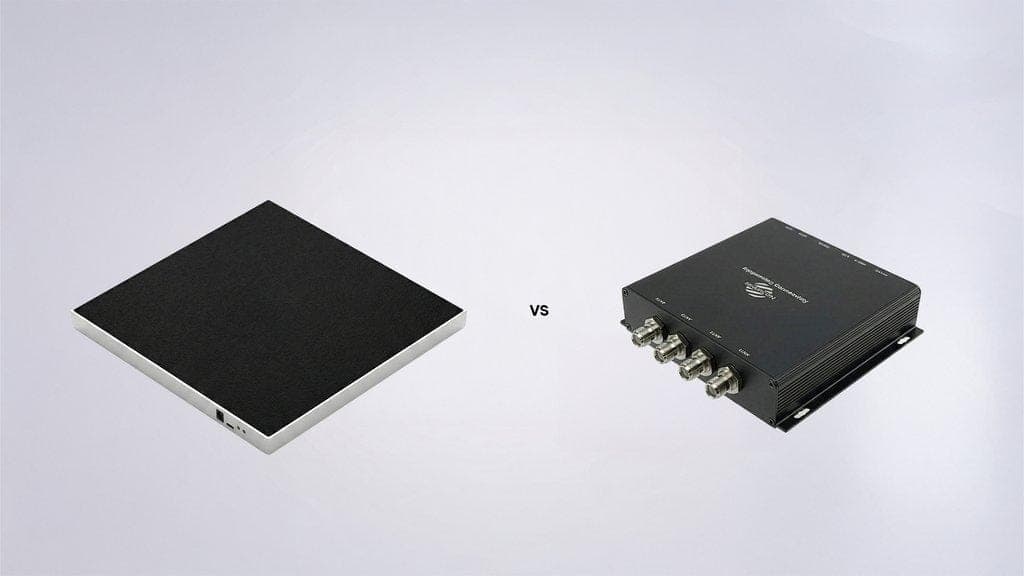
Top considerations when choosing an RFID reader for your operationsBefore diving into the specifics of RFID readers, it's crucial to understand what RFID technology is. RFID uses electromagnetic fields to automatically identify and track tags attached to objects. These tags contain electronically stored information. The system consists of three essential componentsRead more

The World's First MCP for UHF RFID: Bridging Physical Hardware with AI AgentsNextwaves Industries introduces the first Model Context Protocol (MCP) for UHF RFID systems. This integration connects physical RFID hardware directly to large language models like Claude. Your logistics operations now interface with AI agents through standardized workflows.Read more

What is RAIN RFID? The Ultimate Guide to UHF TechnologyRAIN RFID uses UHF (Ultra-High Frequency) technology to identify, locate, and track items wirelessly. This technology operates at 860-960 MHz and reads hundreds of tags per second. Supply chains gain real-time visibility into inventory, assets, and shipments.Read more