Repetitive Strain
Manual scanning of thousands of books causes repetitive strain injuries (RSI) for staff.


Libraries are community hubs, but librarians often feel like warehouse workers. Hours are spent manually checking books in and out, sorting returns, and searching for mis-shelved items using line-of-sight barcode scanners.
Patrons want convenience. They want to grab a book and go, or return it 24/7 without waiting in line. Traditional EM security strips protect against theft but offer no inventory intelligence.
The result is a friction-filled experience where staff are buried in administrative tasks instead of engaging with the community.
Manual scanning of thousands of books causes repetitive strain injuries (RSI) for staff.
A mis-shelved book is a lost book. Without RFID, finding a book placed on the wrong shelf is a needle-in-a-haystack search.
Peak times create long lines at the circulation desk, frustrating patrons.
Nextwaves brings the library into the modern age with HF/NFC and UHF RFID solutions. We insert a thin, invisible RFID tag into the spine or cover of every book.
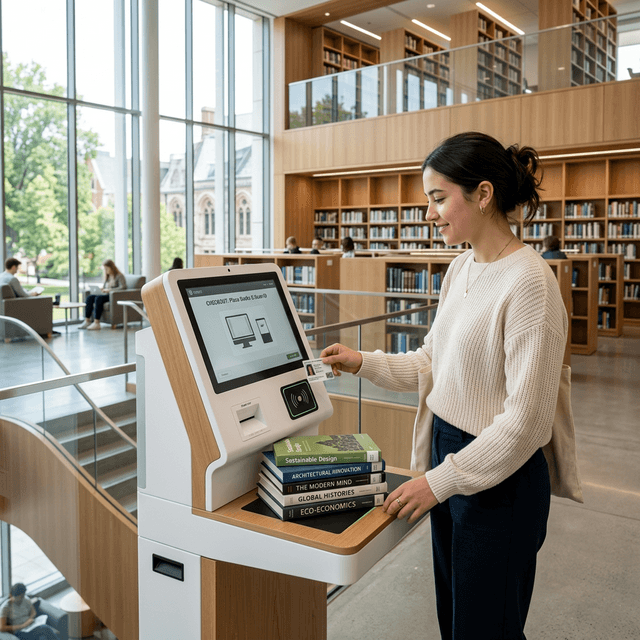
Self-Checkout Kiosks allow patrons to stack 5-10 books at once on the pad. The system reads them all instantly, deactivates the security bit, and prints a receipt in seconds.
Smart Return Chutes (AMH) accept books 24/7. As the book slides down the chute, it is scanned, checked in, and even automatically sorted into bins for re-shelving. Staff can use handheld wands to sweep shelves, instantly finding lost books and verifying order.
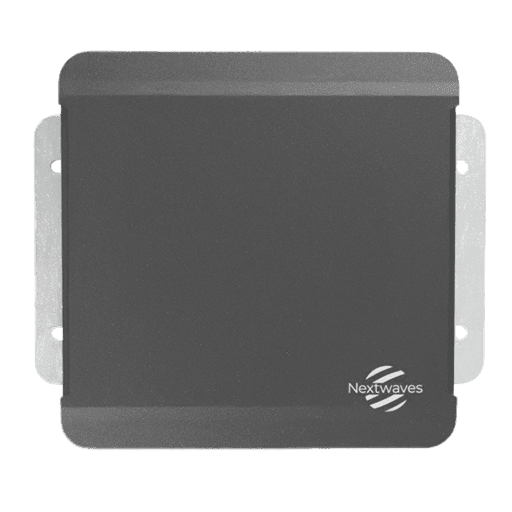
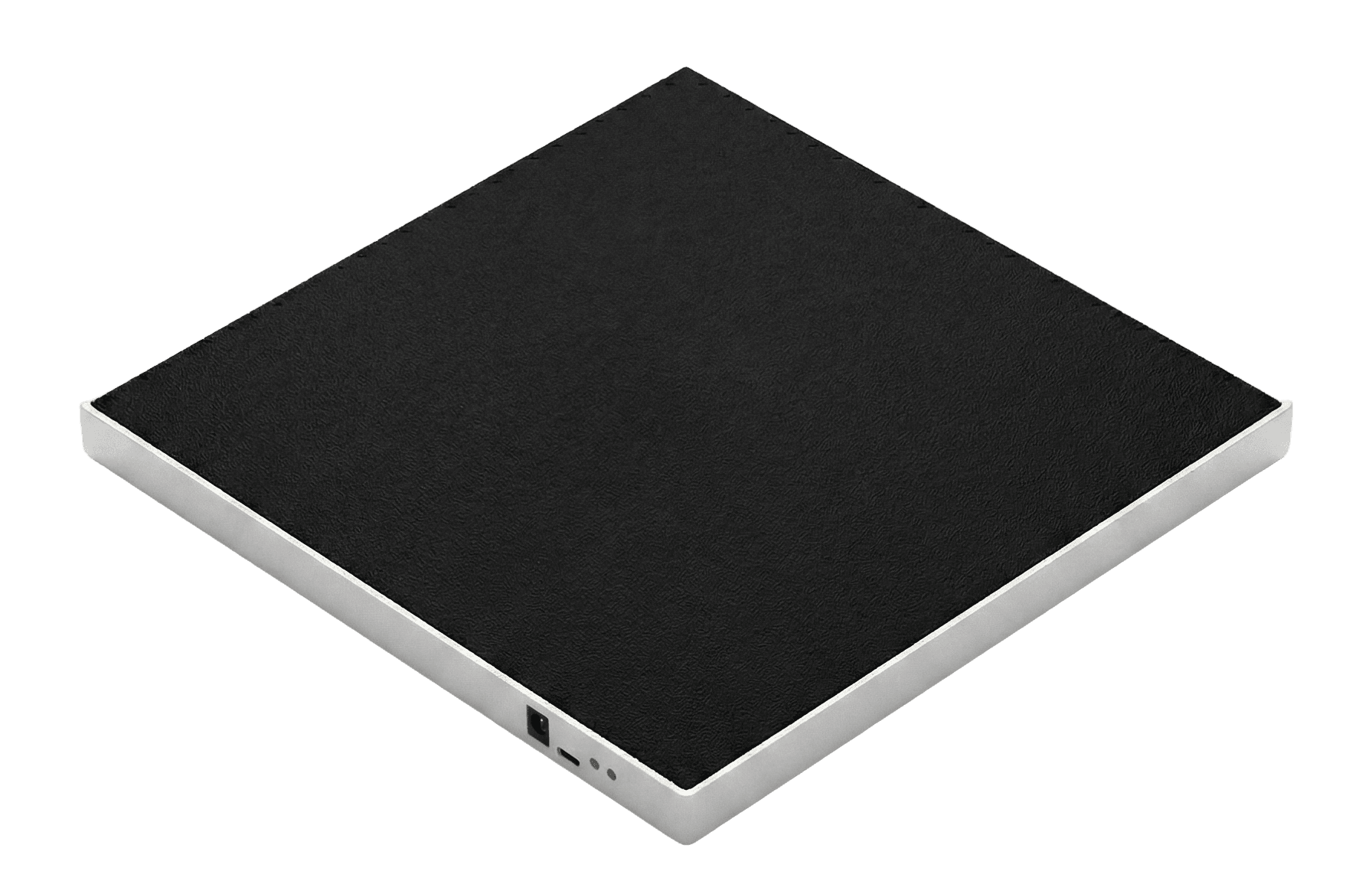
Empower patrons to check out and return items instantly, reducing lines.
Find a mis-shelved book in seconds by just walking down the aisle with a wand.
Automated book drops update the patron's account immediately.
Librarians move from 'book handlers' to 'information specialists'.
A new central library wanted to open with a 'staff-less' circulation model to maximize budget for community programs.
Transitioning a library's entire collection is a significant undertaking, which is why we design for co-existence. Our hybrid tags contain both the legacy barcode and a new RFID chip in the same label. so your existing ILS keeps working while staff gradually move to RFID workflows at their own pace.
For most public libraries we recommend HF (13.56 MHz). the same frequency used by payment cards and NFC phones, offering excellent precision and patron privacy. Large academic archives handling bulk inventory of tens of thousands of items benefit from UHF's speed. We assess your collection and recommend the right frequency, not a one-size approach.
RFID makes the 'unstaffed hours' model viable. Registered patrons can access the building with their member card, browse and check out books independently, and return items through automated drops. at 10pm on a Tuesday, or 6am on a Sunday.
The same infrastructure unlocks inventory intelligence for staff: a handheld wand sweep of an entire aisle takes minutes and surfaces every mis-shelved item. What used to take a librarian a full shift now takes a few minutes at the start of the day.
Protect laptops and IT equipment with RFID security gates, anti-metal tags, and automated audits.
Create a seamless, modern experience for your patrons.