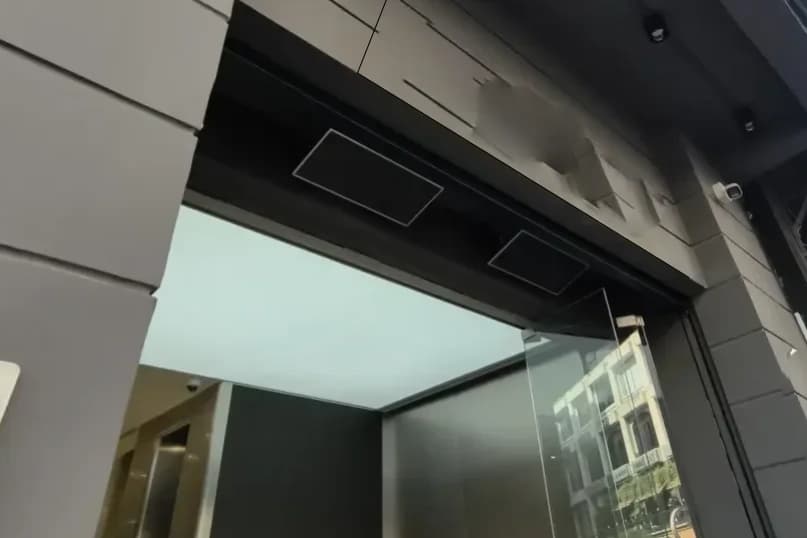
Ge sjuksköterskor sin tid tillbaka. Realtidslokalisering för varje tillgång, varje medicin, varje ögonblick.
Krisen inom vårdlogistik
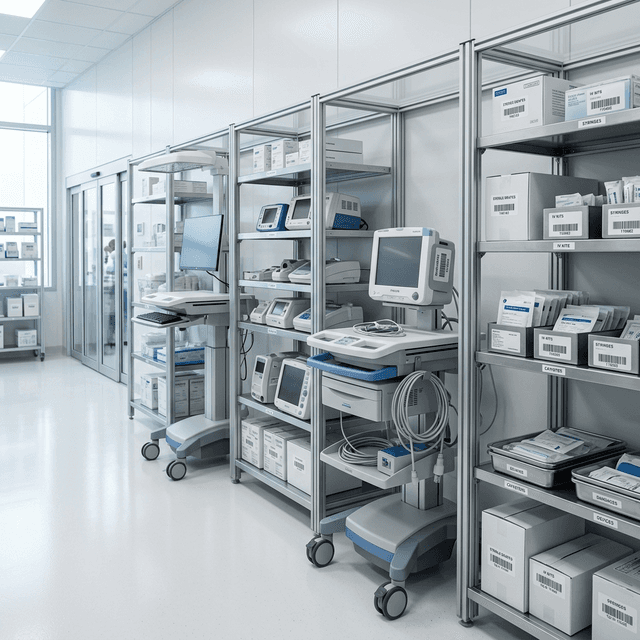
Hospitals are complex, chaotic environments where life-and-death decisions depend on logistics. Yet, the average nurse spends 1 hour per shift - 12% of their time - hunting for equipment. They look for IV pumps, wheelchairs, telemetry packs, and wound vacs. This is 'Hunt and Gather' medicine.
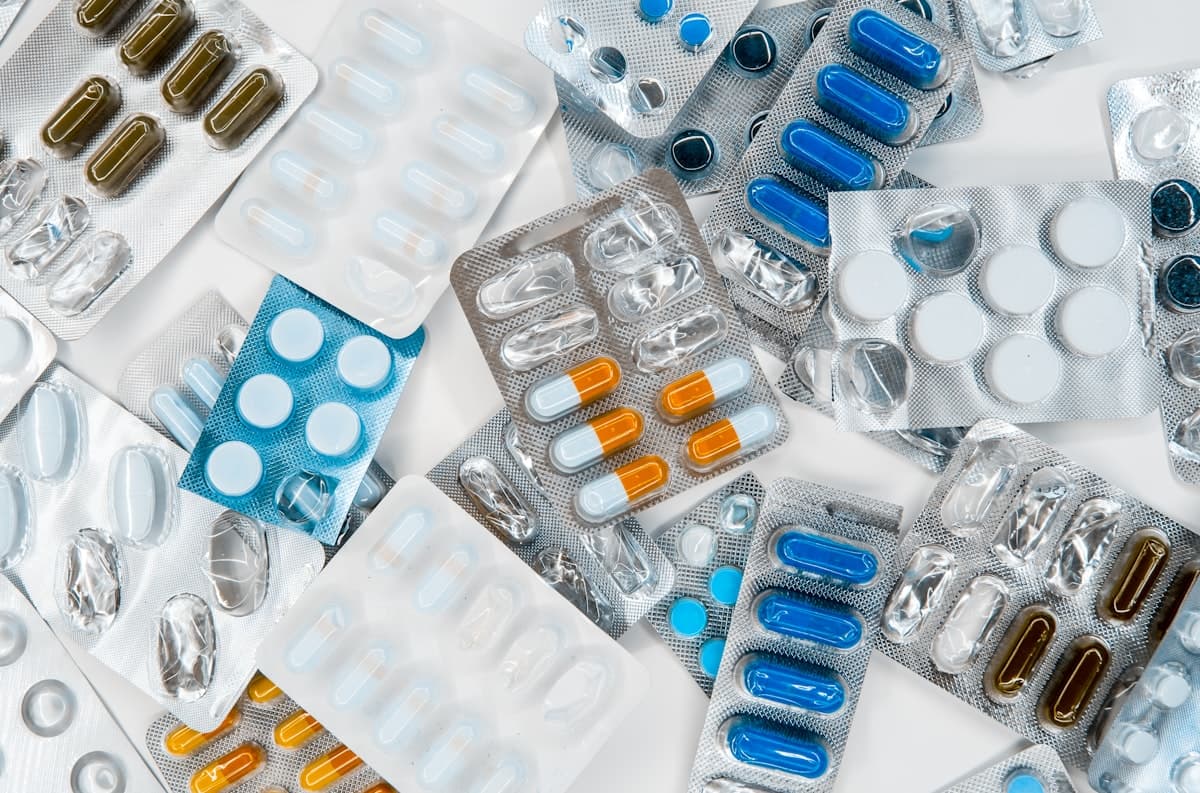
Beyond assets, the management of pharmaceuticals is fraught with risk. Manual tracking of crash carts and medication trays leads to expired drugs remaining in circulation. A single oversight can lead to a Sentinel Event.
Furthermore, patient flow is opaque. Bottlenecks in the ER or OR reduce throughput and patient satisfaction. Without data, administrators cannot optimize staffing or bed turnover.
Tillgångshamstring och förlust
Eftersom personalen inte kan hitta utrustning, hamstrar de den i garderober och takplattor. Sjukhus slutar med att köpa 130 % av sin nödvändiga flotta, men utnyttjandet förblir under 40 %. Miljontals dollar står stilla.
Läkemedelssäkerhet
Att fylla på akutvagnar manuellt är felbenäget. En missad utgången epinefrin-injektionsflaska är en risk. Läkemedelsavledning (stöld) är också ett växande problem som manuella loggar inte kan förhindra.
Infektionskontroll
Att veta vilken utrustning som interagerade med en infektiös patient är avgörande. Utan digital kontakthantering måste sjukhus karantäna tillgångar, vilket stör verksamheten.
Aktiv & Passiv RTLS
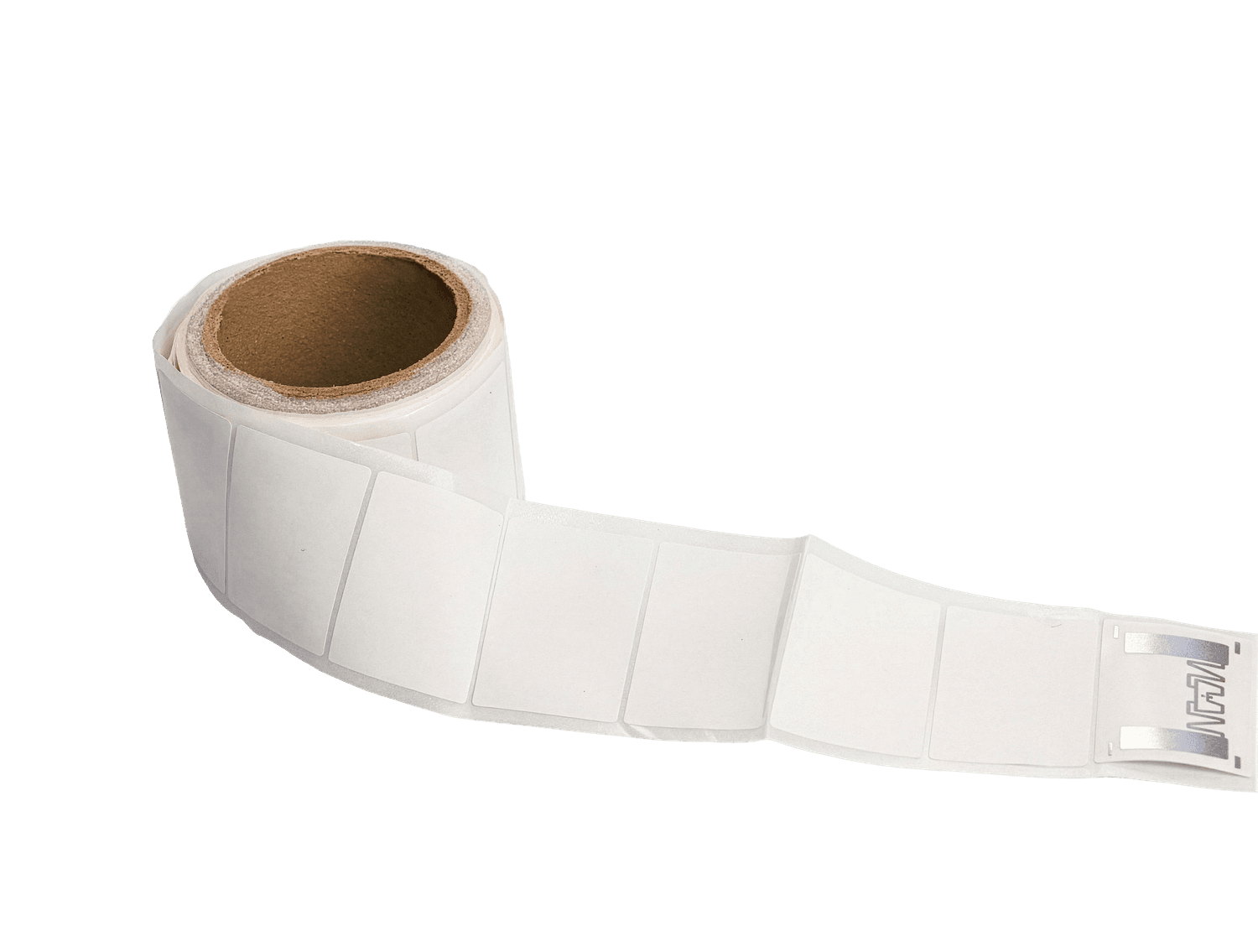
Nextwaves implements a hybrid Real-Time Location System (RTLS). We use Passive UHF RFID for high-volume consumables and low-cost assets (linen, files, meds), and Active (BLE/Wi-Fi) tracking for high-value mobile equipment.
Our 'Smart Cabinets' automatically track every vial of medication taken, updating the patient record and inventory instantly. Our ceiling-mounted arrays track the movement of beds and pumps throughout the facility, visualizing them on a digital map.
This system creates a 'Chain of Custody'. We know exactly who took the drug, for which patient, and when. We know exactly where the infusion pump is, and if it has been cleaned since its last use.
Klinisk och ekonomisk ROI
Patientsäkerhet
Förhindra 'Never Events'. Automatiska kontroller säkerställer rätt medicin, rätt dos, rätt patient.
Tillgångsutnyttjande
Minska flottans storlek med 20 % samtidigt som tillgängligheten ökar. Sluta köpa pumpar du inte behöver.
Personalnöjdhet
Ge personalen sin tid tillbaka. Låt dem fokusera på vård, inte logistik.
Regel efterlevnad
Automatiserade loggar för The Joint Commission (TJC). Bevisa sterilitet och underhållsefterlevnad omedelbart.
Ett traumacentrum med 500 bäddar kämpade med genomströmningen på akuten och kronisk brist på IV-pumpar. Sjuksköterskor rapporterade förseningar i vården på grund av saknad utrustning.
Designad för patientsekretess
Healthcare RFID has a higher bar than retail. No patient name, diagnosis, or personally identifiable information (PII) is ever written to a tag. Tags carry only an anonymous token. a number that means nothing without access to the secure backend that links it to a patient record.
That database layer is encrypted, access-controlled, and audited. Clinicians see only the data their role permits. Administrators see utilization reports. No one sees patient data through the RFID layer itself. We are fully HIPAA-compliant by design, not by policy workaround.
Från spårning till förutsägelse
Location data is just the start. When you have a continuous stream of where every asset and patient is, patterns emerge. We are working on models that can predict equipment bottlenecks 4–6 hours before they happen, giving charge nurses time to reassign before care is impacted.
On the horizon: beds that automatically report patient weight and pressure changes, smart cabinets that reorder medications before they run out, and OR scheduling that adjusts in real time based on actual equipment location, not assumptions.
Läk smartare.
Låt tekniken sköta sökandet. Du sköter besparingen.