

Manual traceability
- Spreadsheets and paper records that break at every handover
- Line-of-sight barcode scans, one item at a time
- No trusted audit trail when regulators or recyclers ask
ESPR Compliance 2027
A Sector-Specific Guide to Compliance and the Power of RFID. Prepare for the EU Ecodesign for Sustainable Products Regulation (ESPR) with Nextwaves' end-to-end data carriers and connectivity solutions.
Understanding the regulatory landscape driving DPP adoption
2027
First product groups must carry a Digital Product Passport under EU ESPR
Technical superiority at industrial scale
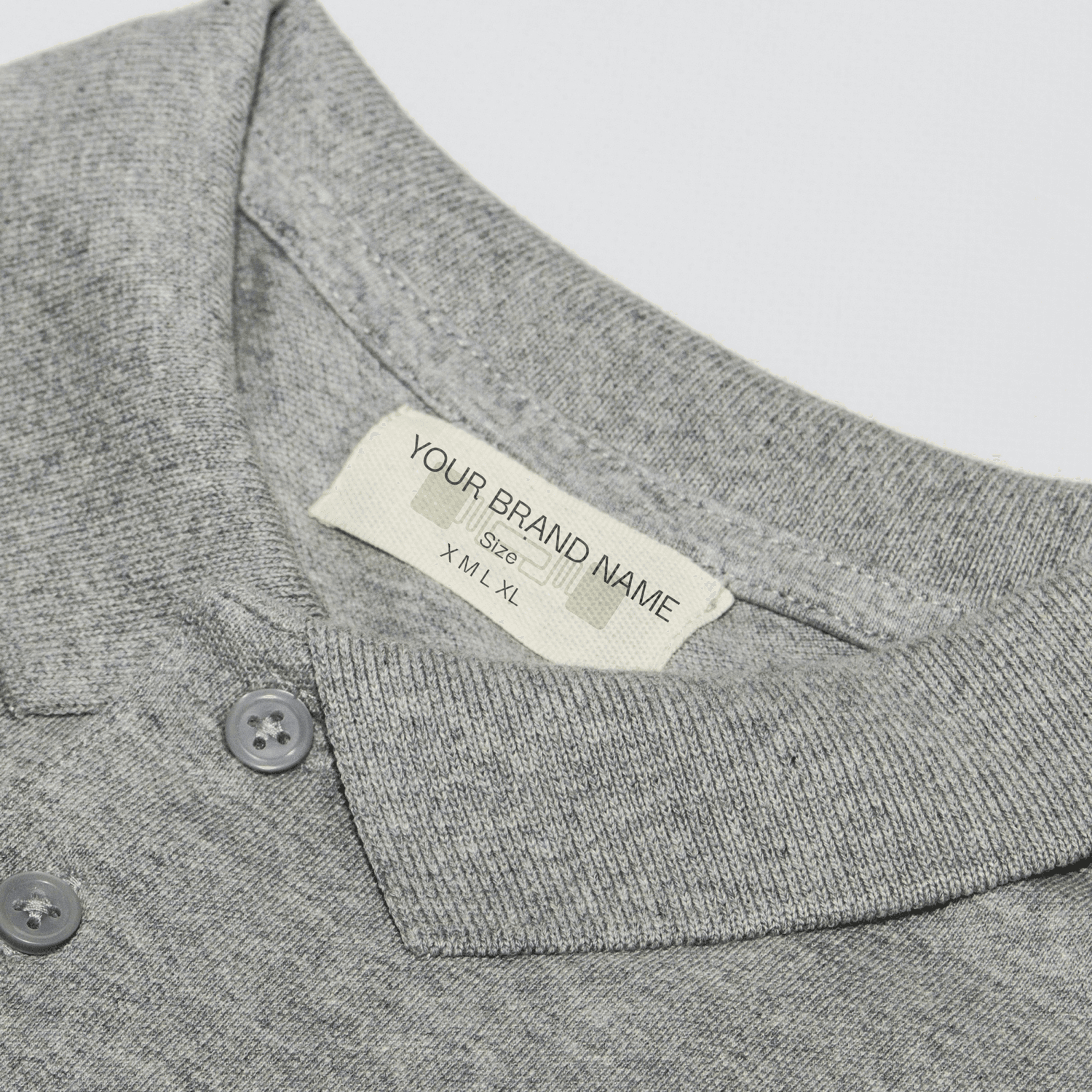
The carrier on the product links every item to its digital record. Pick the one that survives your supply chain.
Roadmap to EU ESPR & DPP Compliance
Contact Nextwaves Industries for a comprehensive RFID audit and prepare your supply chain for the 2027 EU mandates.
Prepare for the entry into force of the Ecodesign for Sustainable Products Regulation (ESPR).
Deploy legislative-compliant infrastructure ahead of the first Delegated Acts.
Full compliance required for first product groups under EU law.
The DPP is a centerpiece of the **Ecodesign for Sustainable Products Regulation (ESPR)**, which entered into force in July 2024. The ESPR is a framework regulation that provides the 'skeleton', while 'muscles' (specific requirements) are added through Delegated Acts.
The **Battery Regulation (EU 2023/1542)** is the 'pilot' for the DPP. It mandates that from February 2027, every industrial and EV battery above 2 kWh must have a unique Battery Passport.
Standardized fields for each category. For textiles: Fiber composition, Microplastics presence, Manufacturer location, and Recycled content.
The DPP is decentralized. Data is hosted by the manufacturer but accessible through a standardized **web entry point** so different systems can communicate.
Conduct a **Gap Analysis**. Identify what data exists in your ERP vs. what is missing from your supply chain.
By verifying authenticity and repair history, companies can launch **Buy-back programs** and boost resale value in second-hand markets.