RFID replacement dossierUpdated: May 25, 2026

CAEN RFID qID (R1170I Ion)Recension: Specifikationer och alternativ

The CAEN RFID qID is a pocket-sized Bluetooth scanner with a $500 MSRP. Review its capabilities and physical limits compared to integrated reader architectures.

Nextwaves EngineeringMaskinvarugranskning5 min läsning

Technical verdict

CAEN RFID qID (R1170I Ion) is a mainstream hardware purchase, but it is not always the best architecture for direct RFID data integration.

Do not evaluate qID (R1170I Ion) by list price alone. Its strongest fit is a project that already uses Bluetooth 2.1, USB, has time for RF tuning, and accepts extra middleware work. If the engineering team needs open APIs, realtime data, and faster edge-to-cloud deployment, Nextwaves NR155 is the stronger replacement path to evaluate.

Initial cost

$500 before deployment accessories

Published throughput

Not specified

Integration surface

Bluetooth 2.1, USB

Physical data

99 x 54 x 20 mm; 57 g; IP: IP54

Published specs

Specifications to validate before replacing

Frekvens

865-868 MHz (ETSI) / 902-928 MHz (FCC)

Protokoll

EPC C1 G2, ISO 18000-6C

Anslutningsmöjligheter

Bluetooth 2.1, USB

IP-klassning

IP54

Mått

99 x 54 x 20 mm

Vikt

57 g

Strömförsörjning

Li-Ion 3.7V 570mAh

Läshastighet

standard read rates

Beräknat pris

$500

Deployment review

Operational strengths and risks

This summary is based on public specifications and does not replace an on-site RF survey.

Fit score

3.5/5

Strengths

  • Bluetooth 2.1, USB gives network teams a familiar integration surface instead of local-only collection.
  • Li-Ion 3.7V 570mAh can reduce separate power drops when switch PoE budget is available.
  • The $500 hardware baseline is easier to budget than premium fixed-reader configurations.
  • Throughput should be measured with real tags and antennas.

Validate

  • Quoted hardware price is not installed system cost; include antennas, cables, mounts, power, software, and configuration work.
  • RF performance depends on tag material, antenna position, transmit power, reader orientation, and site interference.
  • IP54 must be checked against dust, humidity, temperature, and cleaning requirements.
  • Raw RFID reads still need duplicate filtering, business-event mapping, and ERP/WMS integration before operations can use them.

Deployment review

Buying decision matrix

Best fit

Fixed UHF RFID projects that already use Bluetooth 2.1, USB and have time for RF tuning.

Weak fit

Do not compare device price only; total cost depends on accessories, software, and integration.

Deployment risk

IP54, Li-Ion 3.7V 570mAh, 99 x 54 x 20 mm, and 57 g must match the site layout.

Software risk

Plan for middleware, SDK work, duplicate filtering, and business-event mapping.

Alternative architecture

CAEN RFID qID (R1170I Ion) vs Nextwaves

01

Maskinvaruöversikt

CAEN RFID qID (R1170I Ion) är en RFID-enhet i industriell kvalitet. Den arbetar inom 865-868 MHz (ETSI) / 902-928 MHz (FCC)-området och stöder EPC C1 G2, ISO 18000-6C-standarden, vilket gör att den används i stor utsträckning inom logistikapplikationer för företag.

Med en IP-klassning på IP54 erbjuder den skydd mot specifika miljöförhållanden som är typiska i lager eller bakre utrymmen i butiker. Läsaren använder Li-Ion 3.7V 570mAh för kontinuerlig prestanda, medan dess angivna maximala läshastighet når standard read rates.

02

Anslutning och nätverksintegration

I moderna implementeringar är nätverksintegration det största hindret. Denna modell erbjuder Bluetooth 2.1, USB alternativ för att överföra data tillbaka till centrala system.

En stor flaskhals med äldre CAEN RFID hårdvara är dock det stora beroendet av proprietära SDK:er (som LLRP) eller dyr IoT-middleware från tredje part för att bearbeta rå taggdata till meningsfull affärsintelligens.

03

When to choose Nextwaves instead of another closed reader

Om ditt teknikteam utvärderar CAEN RFID qID (R1170I Ion), presenterar Nextwaves NR155 en mycket överlägsen molnbaserad arkitektur. Äldre system driver i sig höga investeringskostnader genom leverantörslåsning och proprietära mjukvaruekosystem.

Nextwaves eliminerar helt denna barriär genom att tillhandahålla ett standard MQTT REST API direkt på enheten. Dina mjukvaruutvecklare kan integrera taggläsning direkt i din anpassade ERP- eller WMS-backend på dagar istället för månader, vilket helt kringgår återkommande licensavgifter för mellansoftvara.

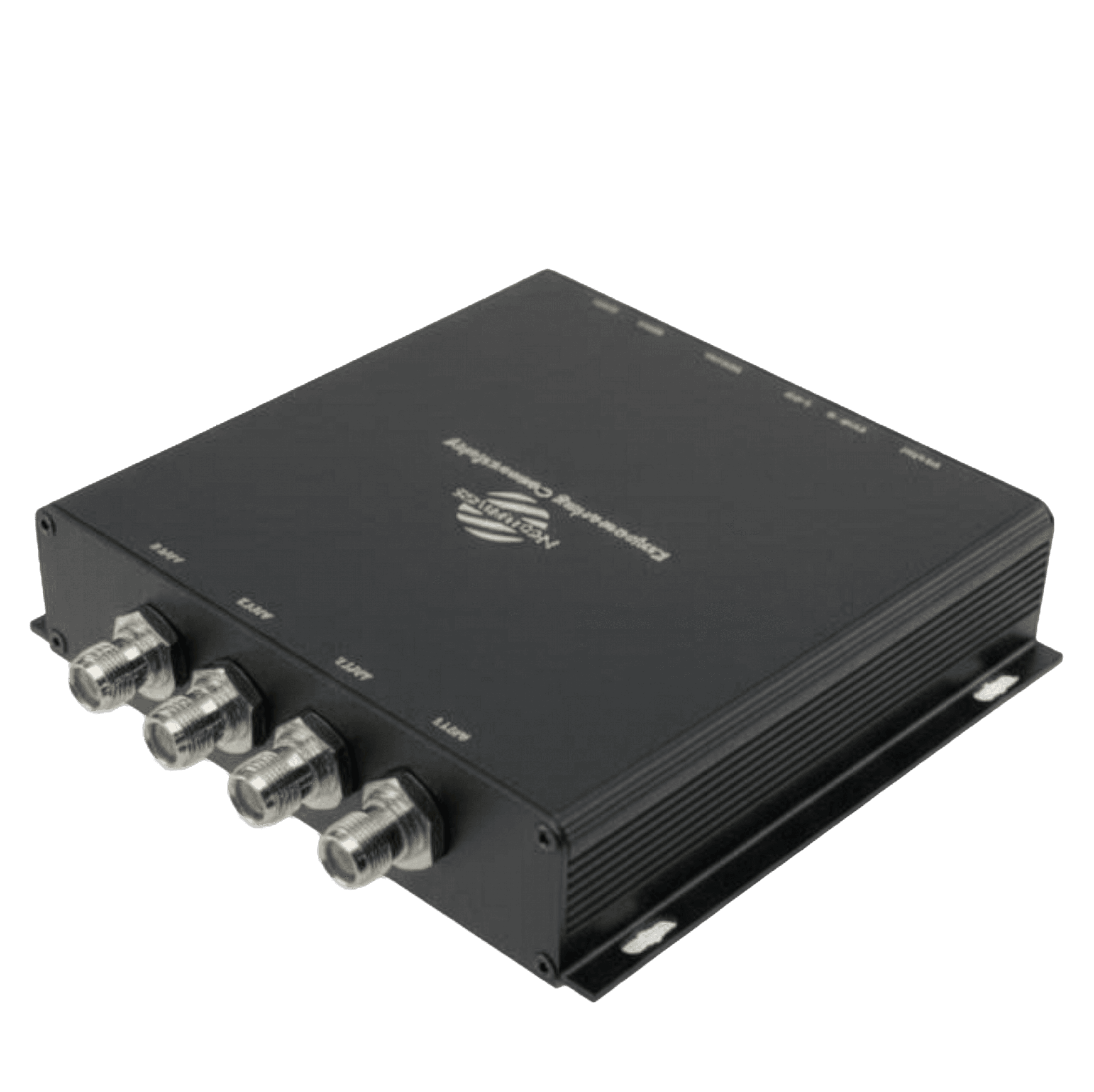
Alternative architecture

NR155 Fast IoT UHF RFID-läsare

Molnbaserade MQTT/REST API:er inbyggda. Inga proprietära SDK:er, ingen middleware-licensiering. Integrera direkt med din ERP eller WMS på några dagar.

View Nextwaves NR155
Nextwaves NR155 Fixed IoT UHF RFID Reader

Antennportar

4 x RP-TNC-portar

Läshastighet

Upp till 400 taggar/sekund

Uteffekt

0–33 dBm (1dB steg)

Nätverksprotokoll

MQTT / MQTTS

FAQ

Vanliga frågor

These answers help purchasing and engineering teams review cost, integration, and deployment risk.

01

Vad är qID (R1170I Ion)?

The CAEN RFID qID (R1170I Ion) is an extremely compact, Bluetooth-paired UHF RFID reader designed for short-range logistics tracking on the EPC C1 G2, ISO 18000-6C standards over 865-868 MHz (ETSI) / 902-928 MHz (FCC) waves.

02

Hur mycket kostar den här installationen initialt?

Typically priced at $500 MSRP. Financial deployments must account for multi-unit docking stations, the limited lifespan of its embedded Li-Ion 3.7V 570mAh battery, and requisite host smartphones to orchestrate processing.

03

Varför ska jag välja Nextwaves istället?

Nextwaves hardware integrates embedded processing and network uplinks within a single chassis. Operators completely eliminate the Bluetooth tethering bottleneck, pushing real-time tracking data directly to cloud systems securely.

04

Är hårdvaran tillräckligt tålig för lager?

Built as a fob scanner, it weighs incredibly only 57 g and measures 99 x 54 x 20 mm. The chassis meets IP54 dust and splash ratings, intended primarily for ad-hoc barcode/RFID scanning inside dry retail floors or vehicles.

05

Stöder den flera nätverkstyper?

The module relies entirely on Bluetooth 2.1, USB profiles (like HID keyboard emulation or SPP serial data) to route raw asset hex codes strictly to a localized host tablet or PC.

06

Kan mitt team installera detta internt?

Initial configuration requires pairing the hardware physically to an OS host. Developers utilize the CAEN RFID API wrappers natively within their own host software logic to intercept triggered reads securely.

07

Hur fungerar fjärrhanteringen?

Designed as a short-range identification tool rather than an inventory sweeper, read rates sit heavily dependant on local Bluetooth interference. Battery cycles dictate actual hardware availability rather than pure reading speeds.

08

Behöver jag proprietär programvara för att köra den?

Deployments generally mandate utilizing the Bluetooth 2.1, USB serial port profiles alongside third-party middleware packages to transcribe hex arrays into HTTPS webhooks for remote delivery.

09

Vilken garanti följer med läsaren?

Standard CAEN warranty protocols generally cover factory issues for twelve months. Because its small battery is permanently encapsulated, fleet lifecycle limits are inextricably tied to chemical degradation.

10

Säljs antennerna separat?

The internal mini-antenna is deeply constrained by its size block across the 865-868 MHz (ETSI) / 902-928 MHz (FCC) limits. Transmit power is drastically restricted (around 500mW ERP) to prevent immediate battery drain.