
RFID-Grundlagen
Technische Notizen, Deployment-Anleitungen und Feldberichte zu RFID, Antennen, Inlays und Bestandssystemen für Fertigung, Logistik und Handel.
 RFID-GrundlagenRFID vs Barcode: How They Differ, What They Cost and When to Use EachA barcode has to be seen and scanned one item at a time. RFID reads over radio waves, a whole shelf in one pass, without seeing the tag. How they differ, what labels and devices cost, when a barcode is enough, and why many shops keep both.13 Min. Lesezeit
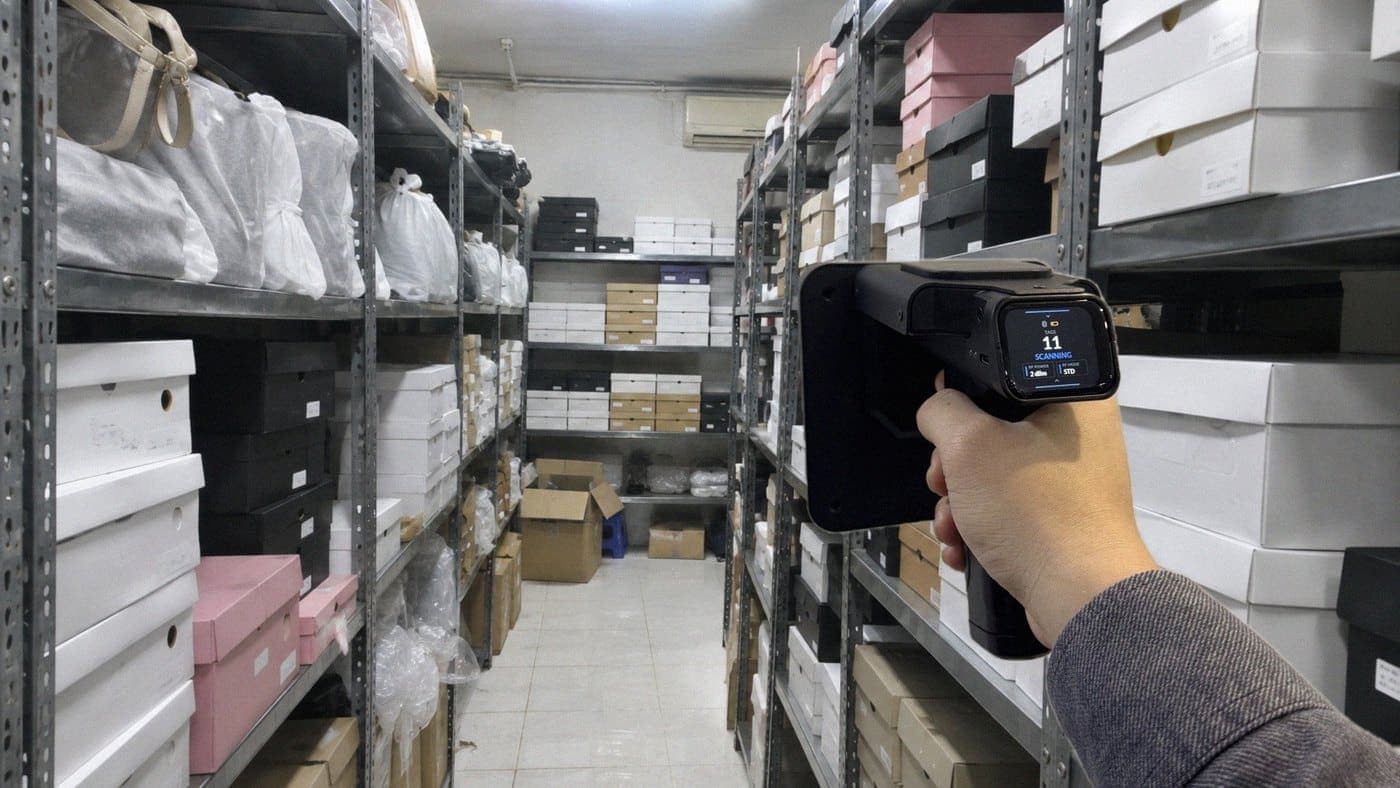 RFID-GrundlagenWhat Is a Smart Stock Count? 4 Ways Compared and When RFID Makes SenseWhat is a smart stock count? Barcodes, RFID, camera AI and robots compared, how to choose a counting device, what it costs and where the limits are.15 Min. Lesezeit
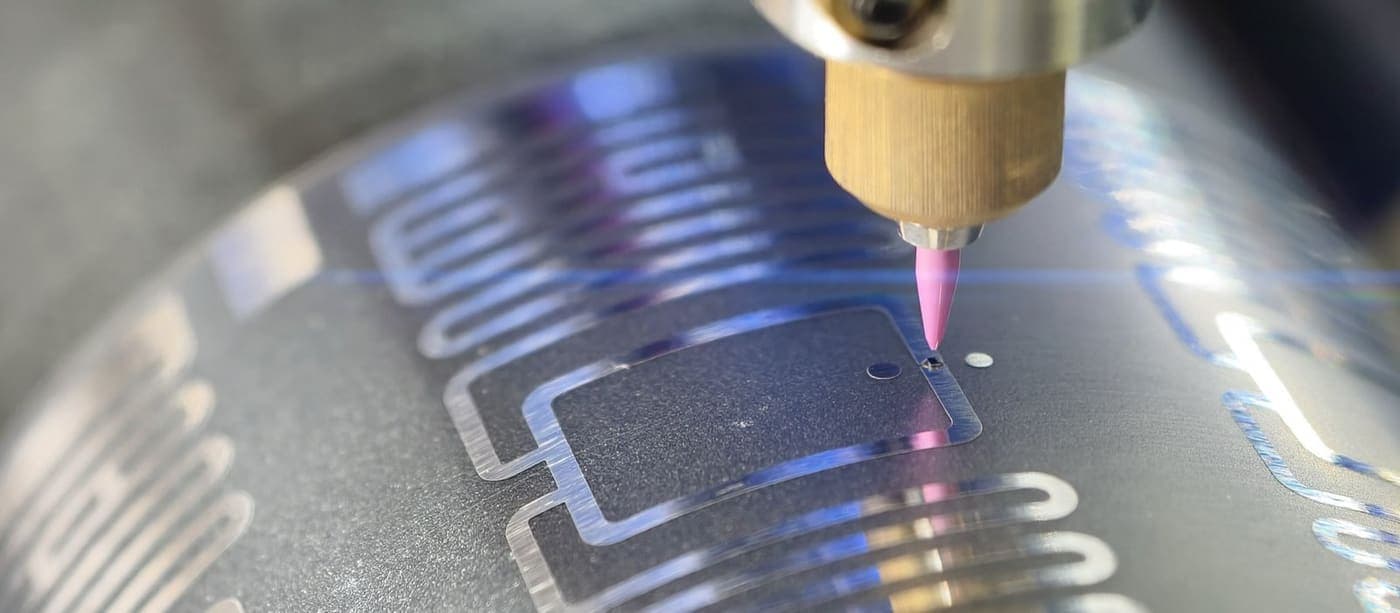 RFID-GrundlagenWhat Is RFID? How It Works, Frequencies, EPC and Choosing a Kit by IndustryRFID identifies objects by radio, reading a chip without line of sight. How passive tags work, LF vs HF vs UHF, the EPC standard and how to pick a kit.50 Min. Lesezeit
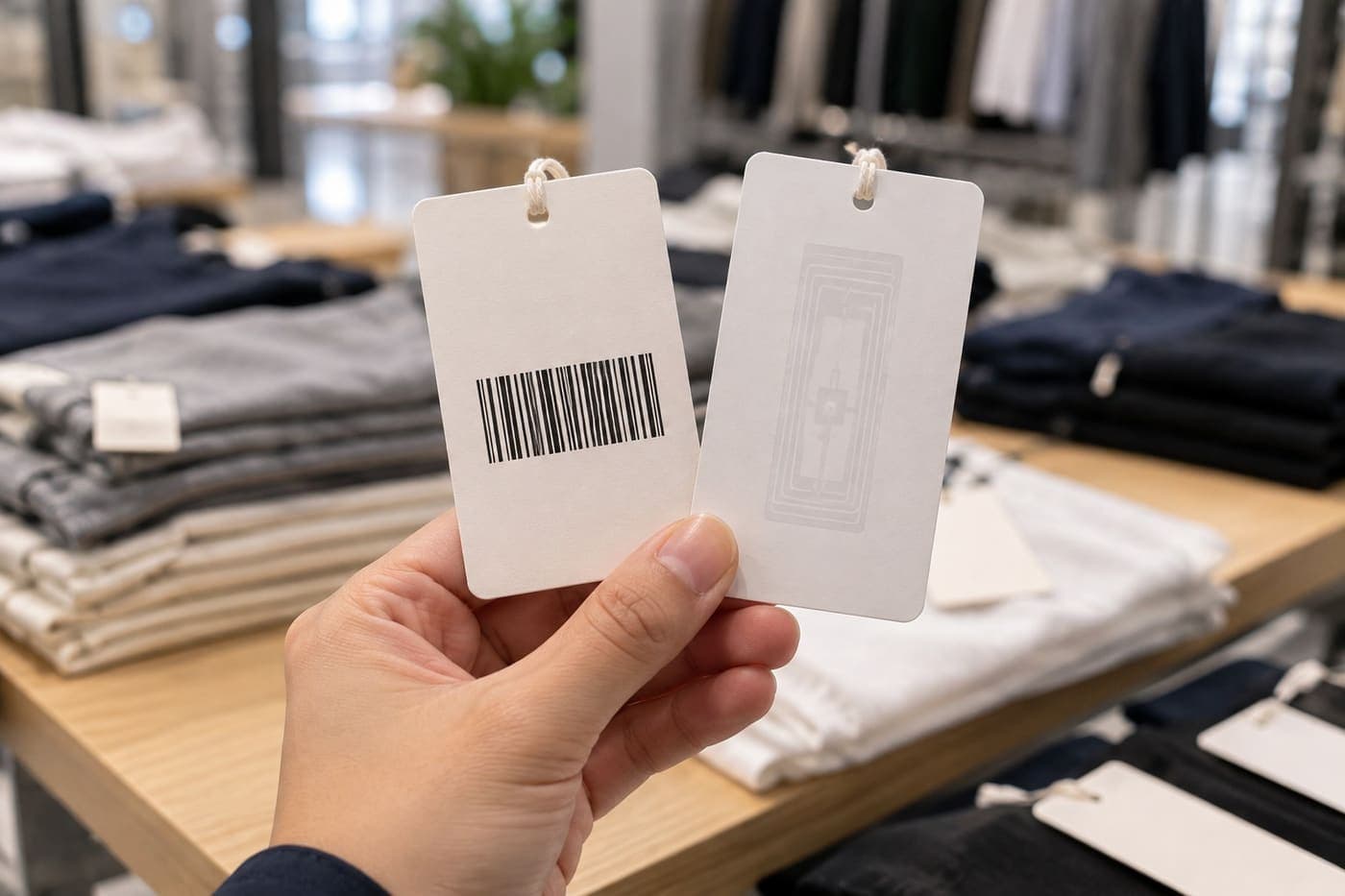 RFID-GrundlagenRFID vs Barcode: You Are Probably Asking the Wrong QuestionWalk into most conversations about inventory technology and the question gets framed the same way: "Should we upgrade from barcodes to RFID?" It sounds reasonable, and it is the wrong question. The word "upgrade" assumes the two sit on a single ladder, where one is older and worse and the other is newer and better. They do not. A barcode is built for line-of-sight identification, where you point a scanner at one label and read it. RFID is built for bulk counting without line of sight, where you wave a reader near a pile of tagged items and read all of them at once. Asking which one to upgrade to is a little like asking whether you should replace your hammer with a screwdriver. The better question is simpler: which problem are you trying to solve, and where?15 Min. Lesezeit
 RFID-GrundlagenWas ist RAIN-RFID? Einblick in Frequenzen, Standards und die UHF-VerbindungDa Unternehmen nach immer größerer betrieblicher Transparenz streben, hat sich RAIN RFID als entscheidender Standard im Bereich der Ultrahochfrequenz (UHF) etabliert und ermöglicht die nahtlose Vernetzung von Milliarden von Alltagsgegenständen. Obwohl die Begriffe oft synonym verwendet werden, ist das Verständnis der spezifischen Nuancen von Frequenzen und globalen Standards unerlässlich, um das volle Potenzial von RAIN RFID im modernen Lieferkettenmanagement auszuschöpfen.10 Min. Lesezeit
 RFID-GrundlagenWas ist RAIN RFID? Der ultimative Leitfaden zur UHF-TechnologieRAIN RFID nutzt UHF-Technologie (Ultra-High Frequency), um Artikel drahtlos zu identifizieren, zu lokalisieren und zu verfolgen. Diese Technologie arbeitet bei 860-960 MHz und liest hunderte Tags pro Sekunde. Lieferketten erhalten Echtzeit-Transparenz über Bestände, Anlagen und Sendungen.7 Min. Lesezeit
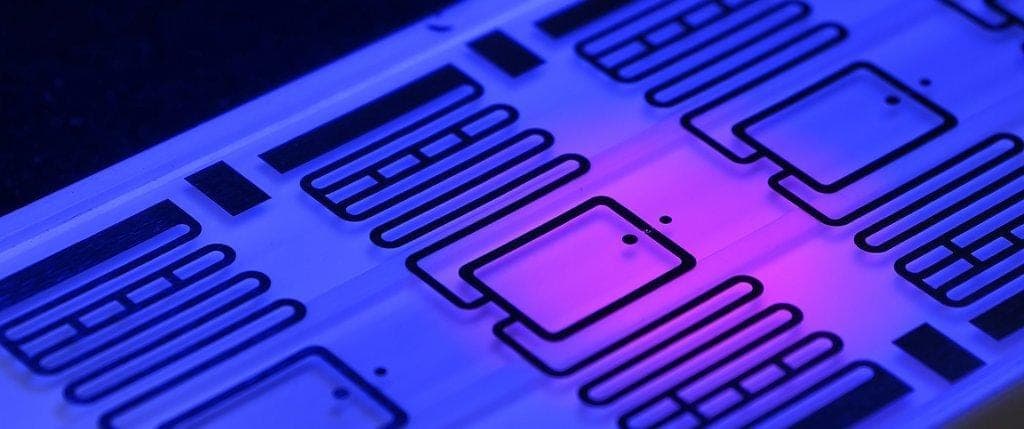 RFID-GrundlagenWas ist RFID-Technologie? Eine umfassende Analyse von Architektur, Protokollen und praktischen AnwendungenRFID ist die Kernplattform der automatischen Datenerfassungstechnologie (AIDC). RFID ersetzt nicht nur Barcodes, sondern etabliert auch ein asymmetrisches drahtloses Kommunikationssystem zwischen Abfrage- und Antwortgeräten. Dieser Artikel entschlüsselt detailliert den physikalischen Mechanismus von UHF-Wellen, die Antennenpolarisationstechnik und den Sicherheitsstandard Gen 2 V2. Sie werden lernen, wie Sie die Investitionskosten durch realistische Modelle von VETC und Uniqlo optimieren können, um die digitale Transformation effektiv anzuwenden.9 Min. Lesezeit
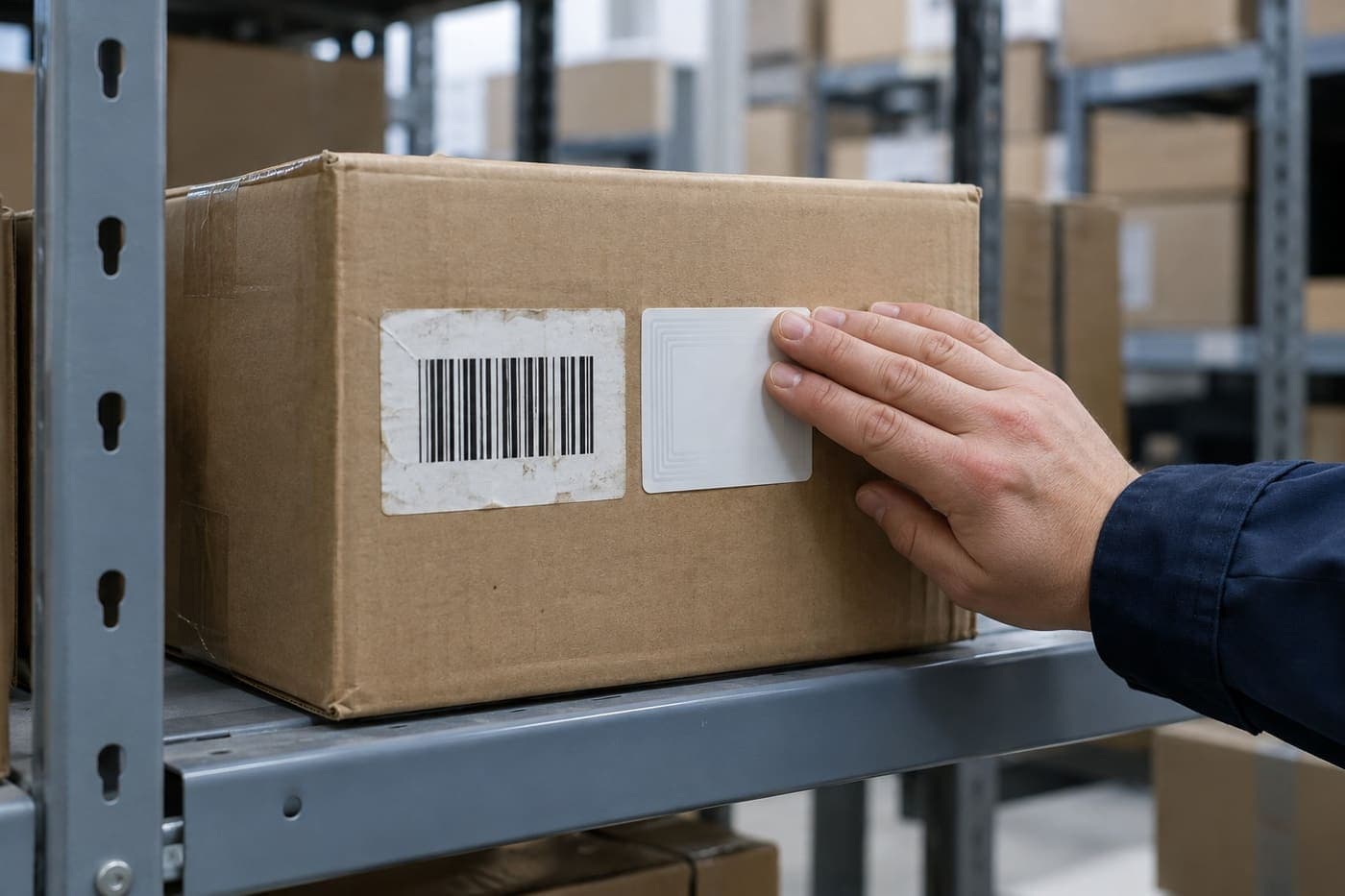 RFID-GrundlagenVom Barcode zu RFID: Die Revolution im Asset Tracking und Supply Chain ManagementMachen Sie das Unsichtbare sichtbar. Entdecken Sie in unserem neuesten Beitrag, wie RFID-Technologie die physische und digitale Welt verbindet, um das IoT voranzutreiben.5 Min. Lesezeit