RFID replacement dossierUpdated: May 25, 2026

ThingMagic (JADAK) Sargas (2-Port)مراجعة: المواصفات والبدائل

The Sargas 2-Port is a compact edge computing reader operating on UHF/RAIN frequencies. Starting at $1000. See how it compares to Nextwaves open architecture.

فريق هندسة Nextwavesمراجعة الأجهزة5 دقيقة قراءة

Technical verdict

ThingMagic (JADAK) Sargas (2-Port) is a mainstream hardware purchase, but it is not always the best architecture for direct RFID data integration.

Do not evaluate Sargas (2-Port) by list price alone. Its strongest fit is a project that already uses RJ45, USB A/B, Micro-SD, 4 GPIO, has time for RF tuning, and accepts extra middleware work. If the engineering team needs open APIs, realtime data, and faster edge-to-cloud deployment, Nextwaves NR155 is the stronger replacement path to evaluate.

Initial cost

$1000 before deployment accessories

Published throughput

750 tags/second

Integration surface

RJ45, USB A/B, Micro-SD, 4 GPIO

Physical data

87 x 80 x 23.8 mm; 0.27 kg; IP: IP52

Published specs

Specifications to validate before replacing

التردد

UHF/RAIN (global)

البروتوكول

EPC Gen2V2, ISO 18000-63, Gen2X

الاتصال

RJ45, USB A/B, Micro-SD, 4 GPIO

تصنيف IP

IP52

الأبعاد

87 x 80 x 23.8 mm

الوزن

0.27 kg

إمداد الطاقة

4.5-5.5V DC

معدل القراءة

750

السعر المقدر

$1000

Deployment review

Operational strengths and risks

This summary is based on public specifications and does not replace an on-site RF survey.

Fit score

3.7/5

Strengths

  • RJ45, USB A/B, Micro-SD, 4 GPIO gives network teams a familiar integration surface instead of local-only collection.
  • 4.5-5.5V DC can reduce separate power drops when switch PoE budget is available.
  • The $1000 hardware baseline is easier to budget than premium fixed-reader configurations.
  • 750 tags/second can fit faster inventory lanes when the read zone is tuned correctly.

Validate

  • Quoted hardware price is not installed system cost; include antennas, cables, mounts, power, software, and configuration work.
  • RF performance depends on tag material, antenna position, transmit power, reader orientation, and site interference.
  • IP52 must be checked against dust, humidity, temperature, and cleaning requirements.
  • Raw RFID reads still need duplicate filtering, business-event mapping, and ERP/WMS integration before operations can use them.

Deployment review

Buying decision matrix

Best fit

Fixed UHF RFID projects that already use RJ45, USB A/B, Micro-SD, 4 GPIO and have time for RF tuning.

Weak fit

Do not compare device price only; total cost depends on accessories, software, and integration.

Deployment risk

IP52, 4.5-5.5V DC, 87 x 80 x 23.8 mm, and 0.27 kg must match the site layout.

Software risk

Plan for middleware, SDK work, duplicate filtering, and business-event mapping.

Alternative architecture

ThingMagic (JADAK) Sargas (2-Port) vs Nextwaves

01

نظرة عامة على الأجهزة

ThingMagic (JADAK) Sargas (2-Port) هو جهاز RFID صناعي. يعمل ضمن نطاق UHF/RAIN (global) ويدعم معيار EPC Gen2V2, ISO 18000-63, Gen2X، مما يجعله منتشرًا على نطاق واسع في تطبيقات اللوجستيات المؤسسية.

مع تصنيف IP IP52، يوفر حماية ضد الظروف البيئية المحددة النموذجية في المستودعات أو غرف البيع الخلفية. يستخدم القارئ 4.5-5.5V DC للأداء المستمر، بينما يصل معدل القراءة الأقصى المعلن إلى 750.

02

الاتصال والتكامل الشبكي

في عمليات النشر الحديثة، يُعد تكامل الشبكة العقبة الأكبر. يوفر هذا الطراز خيارات RJ45, USB A/B, Micro-SD, 4 GPIO لنقل البيانات إلى الأنظمة المركزية.

ومع ذلك، فإن الاختناق الرئيسي في أجهزة ThingMagic (JADAK) القديمة هو الاعتماد الكبير على حزم SDK الخاصة (مثل LLRP) أو برامج IoT الوسيطة باهظة الثمن لتحويل بيانات العلامات الأولية إلى ذكاء أعمال ذي معنى.

03

When to choose Nextwaves instead of another closed reader

إذا كان فريق الهندسة لديك يقيّم ThingMagic (JADAK) Sargas (2-Port)، فإن Nextwaves NR155 تقدم بنية سحابية أصلية متفوقة بمراحل. تدفع الأنظمة القديمة بشكل جوهري نفقات رأسمالية عالية من خلال الإقفال على الموردين والأنظمة البيئية للبرمجيات الخاصة.

تزيل Nextwaves هذه الحاجز تمامًا من خلال توفير MQTT REST API قياسي مباشرة على الجهاز. يمكن لفريق تطوير البرمجيات لديك دمج قراءة العلامات مباشرة في خلفية ERP أو WMS المخصصة في أيام بدلاً من أشهر، متجاوزًا تمامًا رسوم ترخيص البرامج الوسيطة المتكررة.

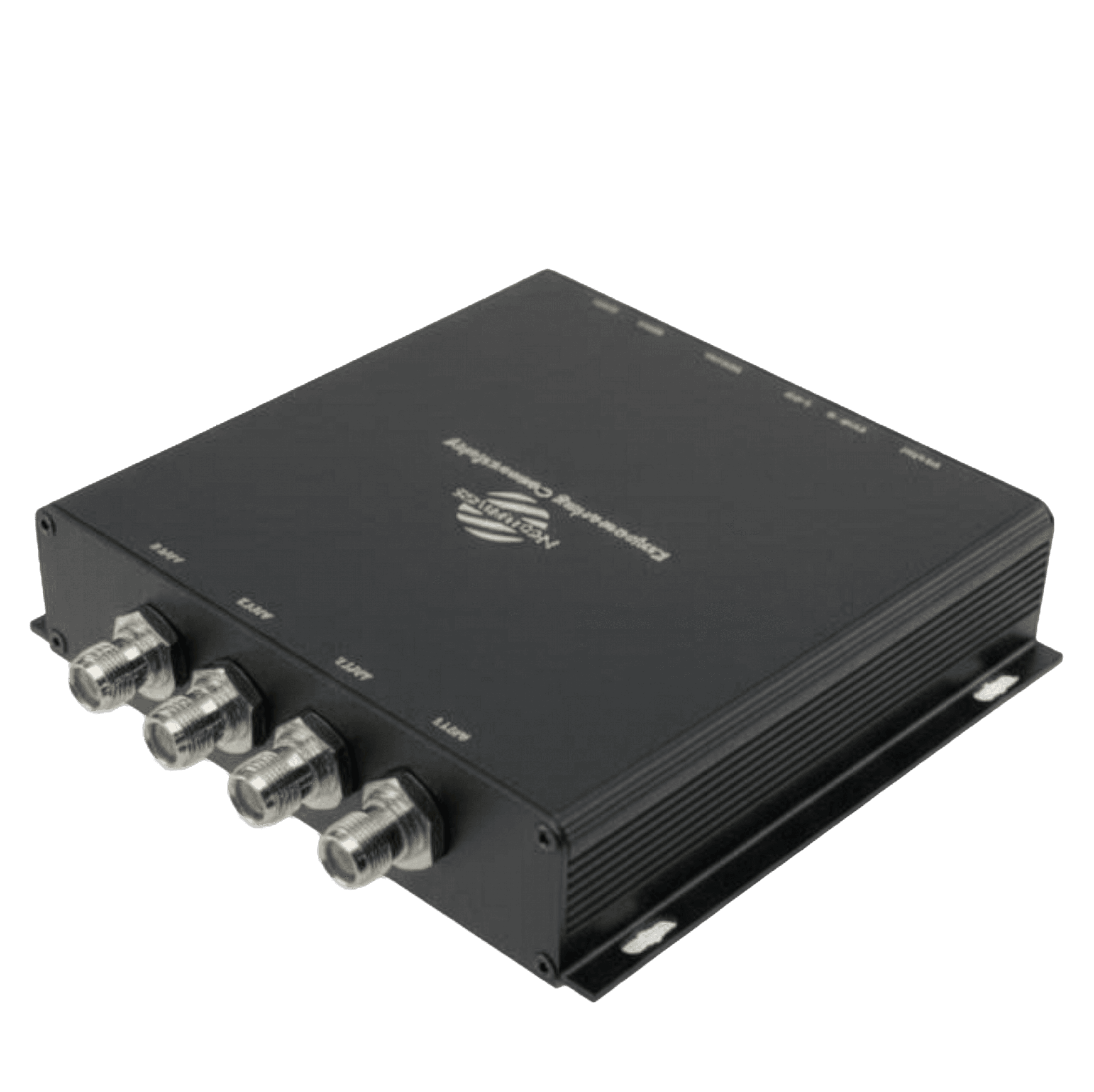
Alternative architecture

قارئ RFID UHF IoT الثابت NR155

واجهات برمجة تطبيقات MQTT/REST سحابية أصلية مدمجة. لا حزم SDK خاصة، لا رسوم ترخيص برامج وسيطة. ادمج مباشرة مع ERP أو WMS في أيام.

View Nextwaves NR155
Nextwaves NR155 Fixed IoT UHF RFID Reader

منافذ الهوائي

4 × منافذ RP-TNC

سرعة القراءة

حتى 400 علامة/ثانية

طاقة الإخراج

0–33 dBm (خطوات 1dB)

بروتوكول الشبكة

MQTT / MQTTS

FAQ

الأسئلة الشائعة

These answers help purchasing and engineering teams review cost, integration, and deployment risk.

01

ما هو Sargas (2-Port)؟

The ThingMagic (JADAK) Sargas 2-Port is an embedded edge reader designed around the M6e Micro module. Operating on the UHF/RAIN (global) band, it is built to handle strict EPC Gen2V2, ISO 18000-63, Gen2X protocol standards within a compact footprint.

02

كم تبلغ تكلفة الإعداد الأولية؟

The unit retails around $1000. Comprehensive project budgeting must also account for two external RP-SMA antennas, required coaxial cabling, and the provision of a steady 4.5-5.5V DC power source.

03

لماذا يجب أن أختار Nextwaves بدلاً من ذلك؟

Nextwaves provides embedded REST API and MQTT endpoints natively on the hardware. Software engineering teams bypass the proprietary Mercury API format and integrate JSON RFID events directly into modern cloud management systems.

04

هل الأجهزة متينة بما يكفي للمستودعات؟

The aluminum enclosure weighs approximately 0.27 kg and measures 87 x 80 x 23.8 mm. This compact IP52-rated chassis is easily embedded inside smart cabinets or secondary industrial enclosures.

05

هل تدعم أنواع شبكات متعددة؟

Network integration utilizes RJ45, USB A/B, Micro-SD, 4 GPIO connections. The 4 hardware logic GPIO pins are frequently used to trigger scanning based on external photoelectric sensors or PLC relays.

06

هل يمكن لفريقنا تثبيته داخليًا؟

Hardware mounting utilizes standard corner flange holes. To optimize detection, software teams must utilize custom C/C++ or Java routines via the Mercury API to finely tune power amplitude curves based on environmental reflections.

07

كيف يعمل الإعداد عن بُعد؟

Under optimal tuning parameters, the micro-module core is rated up to 750 tag reads per second. Remote administration is heavily reliant on JADAK's custom Universal Reader Assistant suite.

08

هل أحتاج إلى برامج خاصة لتشغيلها؟

Typically, bridging data from the RJ45, USB A/B, Micro-SD, 4 GPIO ports into modern web stacks requires an intermediate middleware system or proprietary SDK implementation, which increases technical debt.

09

ما الضمان المصاحب للقارئ؟

The manufacturer provides a standard one-year hardware warranty against component failure. Critical integration paths should often be supplemented by authorized VAR support agreements.

10

هل تُباع الهوائيات بشكل منفصل؟

External antennas must be attached to the two RP-SMA terminal ports. Tuning the system dynamically across the UHF/RAIN (global) band is necessary to prevent FCC/ETSI non-compliance while maximizing read strength.