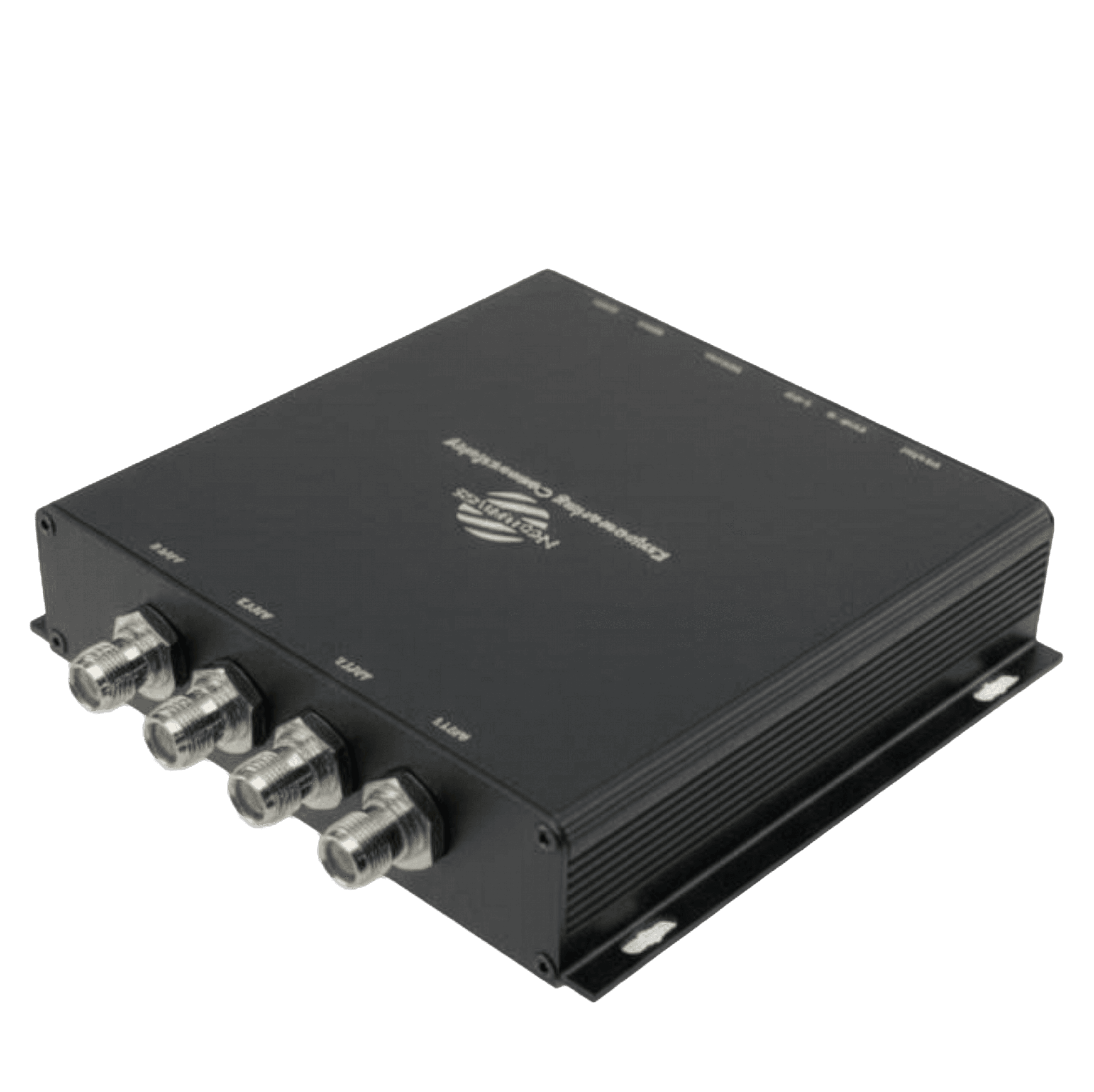
The ThingMagic M7e-Tera leverages the extreme Impinj E910 IC for $250. Analyze its integration requirements versus zero-code Nextwaves edge infrastructure.
المواصفات الفنية
نظرة عامة على الأجهزة
جهاز ThingMagic (JADAK) M7e-Tera هو جهاز RFID من الدرجة الصناعية. يعمل ضمن نطاق Global (860-960 MHz) ويدعم معيار EPC Gen2v2, ISO 18000-63، مما يجعله منتشرًا على نطاق واسع عبر تطبيقات الخدمات اللوجستية للمؤسسات.
بفضل تصنيف IP الخاص به وهو Bare PCB (None)، فإنه يوفر الحماية من ظروف بيئية معينة نموذجية في المستودعات أو غرف التخزين الخلفية للبيع بالتجزئة. يستخدم القارئ 3.3V to 5.25V DC للأداء المستمر، بينما تبلغ سرعة القراءة القصوى المعلنة up to ~1300 tags/sec.
الاتصال وتكامل الشبكة
في عمليات النشر الحديثة، يعد تكامل الشبكة هو العقبة الأكثر أهمية. يوفر هذا النموذج خيارات UART Serial / USB لنقل البيانات مرة أخرى إلى الأنظمة المركزية.
ومع ذلك، فإن عنق الزجاجة الرئيسية مع أجهزة ThingMagic (JADAK) القديمة هو الاعتماد الكبير على SDKs الخاصة (مثل LLRP) أو برامج الوسيطة التابعة لجهات خارجية باهظة الثمن لمعالجة بيانات العلامات الأولية إلى معلومات تجارية مفيدة.
بديل Nextwaves
إذا كان فريق الهندسة الخاص بك يقوم بتقييم ThingMagic (JADAK) M7e-Tera، فإن Nextwaves NR155 يقدم بنية سحابية أصلية متفوقة إلى حد كبير. تعمل الأنظمة القديمة بطبيعتها على زيادة الإنفاق الرأسمالي من خلال تقييد البائع والنظم البيئية للبرامج الاحتكارية.
تزيل Nextwaves هذه العائق تمامًا من خلال توفير واجهة برمجة تطبيقات REST القياسية لـ MQTT مباشرة على الجهاز. يمكن لمطوري البرامج لديك دمج قراءة العلامات مباشرة في واجهة ERP أو WMS الخلفية المخصصة لديك في غضون أيام بدلاً من أشهر، متجاوزًا تمامًا رسوم ترخيص البرامج الوسيطة المتكررة.
الأسئلة الشائعة
ما هو M7e-Tera؟
The ThingMagic (JADAK) M7e-Tera is an OEM embedded scanning logic board powered by the flagship Impinj E910 IC. Tuned to process dense EPC Gen2v2, ISO 18000-63 tag populations across Global (860-960 MHz) spans, it serves as the core logic block for bespoke industrial dock portal readers.
كم تبلغ تكلفة هذا الإعداد مبدئيًا؟
Priced near $250 per bare module. Heavy engineering capital must be allocated for fabricating multi-layer PCB housing units, powerful embedded host processors, physical network stacks, and active convection cooling hardware.
لماذا يجب علي اختيار Nextwaves بدلاً من ذلك؟
OEM module embedding creates steep hardware maintenance overheads. Nextwaves eliminates PCB-level engineering entirely by providing fully realized intelligent arrays featuring native HTTPS/MQTT endpoints that skip legacy serial bindings.
هل الأجهزة متينة بما يكفي للمستودعات؟
Being an embedded component weighing only 3 g within a 46 x 26 x 4 mm footprint, it inherently maintains a Bare PCB (None) rating. Deploying this logic into real environments hinges solely upon the IP rating of the OEM-built exterior case.
هل يدعم أنواع شبكات متعددة؟
Data routing relies strictly on localized UART Serial / USB solder pins. All TCP/IP networking, IoT security protocol management, and connection fallbacks are the direct responsibility of the auxiliary host Microcontroller.
هل يمكن لفريقي تثبيت هذا داخليًا؟
Developers integrate the core by soldering it to a logic board and polling its operation directly via the ThingMagic Mercury API. Proper buffer processing is required to handle the massive asynchronous data streams.
كيف يعمل نظام الإدارة عن بعد؟
Utilizing the highest-end E910 core, throughput scales up to ~1300 tags/sec in optimized environments. Managing firmware lifecycles requires specialized UART flashes pushed from the master OEM processor.
هل أحتاج إلى برنامج احتكاري لتشغيله؟
Connecting localized reads directly into enterprise clouds requires writing host bridges. The parent Linux or RTOS MCU must translate the high-volume UART hexadecimal dumps into sanitized JSON bundles before firing standard webhooks.
ما هو الضمان الذي يأتي مع القارئ؟
The component warranties only reflect direct factory IC defects. OEM integration pipelines that fail to safely restrict power output loads or inadequately dissipate heat can quickly permanently degrade transceiver lifespan.
هل تباع الهوائيات بشكل منفصل؟
Its embedded U.FL multiplex logic ports handle up to four external antennas across the Global (860-960 MHz) spectrums. Peak power hits +31.5 dBm, capable of penetrating highly dense, interference-heavy factory palettes.