Śledzenie zasobów produkcyjnych
Fabryka z automatycznym raportowaniem

Każde narzędzie. Każde zamówienie WIP. Każdy zasób. Śledzone automatycznie. dzięki czemu Twoja linia nigdy się nie zatrzymuje.

100%
Odpowiedzialność za narzędzia cyfrowe
750 tys. USD
Roczne oszczędności na wymianie
0
Incydenty FOD od początku projektu
Problem

Paradoks wydajności

Modern manufacturing is a high-stakes environment where minutes of downtime cost thousands of dollars. Despite advanced robotics and ERP systems, the 'connective tissue' of the factory - the movement of Work-in-Progress (WIP), tools, and raw materials - often remains a manual black box.

Managers ask: 'Where is Order #504?' 'Where is the calibrated torque wrench?' 'Why is Line B stalled?' The answers are hidden because the physical assets are disconnected from the digital system. Operators waste critical hours searching for tools (Search Time). Production planners schedule based on theoretical capacity, not real-time status (Buffers).

In regulated industries like Aerospace and Defense, this visibility gap is a compliance risk. Foreign Object Debris (FOD) left inside an assembly can be catastrophic. Missing genealogy data can trigger massive recalls.

Kluczowe problemy

Czas wyszukiwania i bufory

Przeciętny pracownik przemysłowy spędza 10-15% swojej zmiany na szukaniu rzeczy. Ten czas niezwiązany z wartością dodaną tworzy sztuczne ograniczenia wydajności, zmuszając fabryki do utrzymywania większych buforów WIP w celu kompensacji.

Gromadzenie zasobów

Ponieważ trudno jest znaleźć narzędzia, pracownicy gromadzą je w nieautoryzowanych szafkach. Fabryka kupuje więcej narzędzi niż potrzebuje, a mimo to ich dostępność pozostaje niska.

Jakość i genealogia

Jeśli zostanie znaleziona wada, czy możesz dokładnie prześledzić, która partia kleju została użyta, które narzędzie ją nałożyło i kto był operatorem? Bez RFID ta 'Genealogia' jest często niekompletną ręczną dokumentacją.

Nasze podejście

Struktura przemysłowego IoT

Struktura przemysłowego IoT

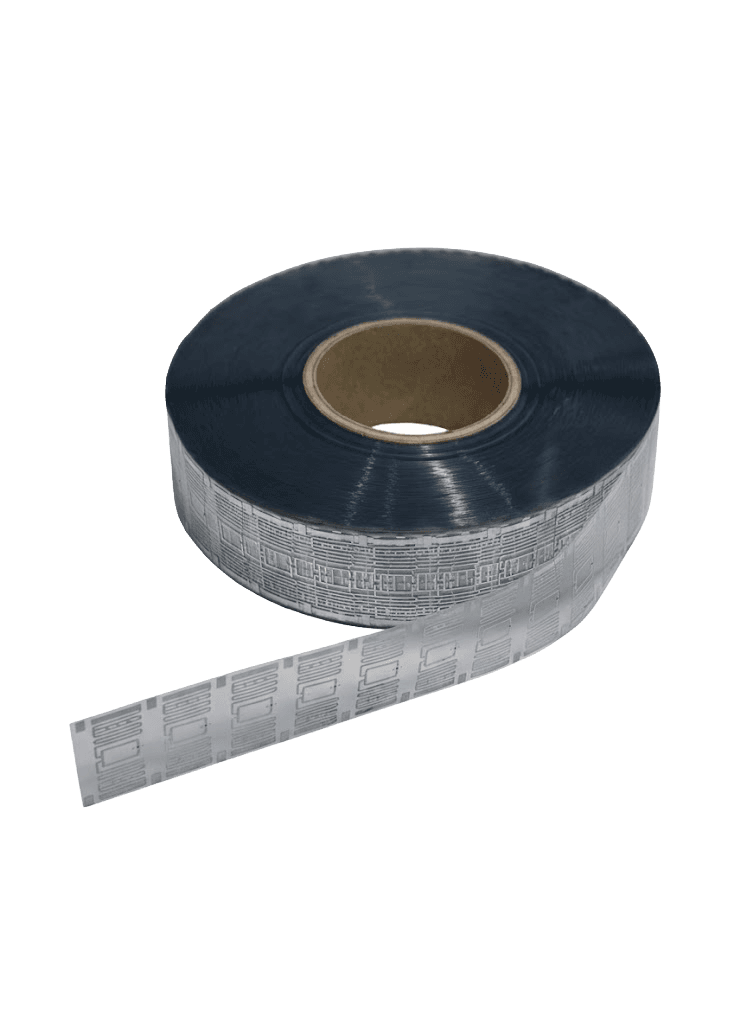
Nextwaves deploys an Industrial IoT layer over your existing OT/IT infrastructure. We attach specialized, high-durability RFID tags to every moving element: the parts (WIP), the carriers (skids/totes), and the tools. These tags are engineered to survive autocalves, acid baths, paint ovens (250°C), and shot blasting.

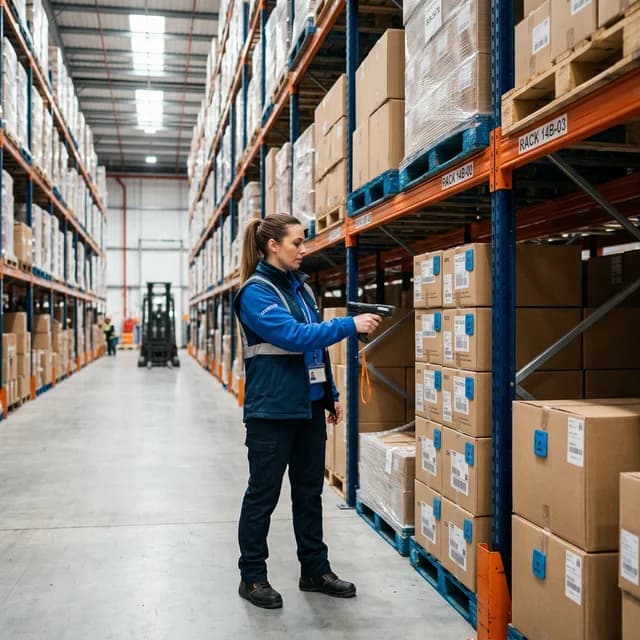
We blanket the facility with a grid of readers - at workstations, choke points, and tool cribs. As assets move, they update their own status. A tool 'checks itself out' when it leaves the crib. A product 'updates its operation' when it arrives at Station 5.

This data feeds into our 'Factory Twin' middleware, which orchestrates logic: 'If Tool A is not calibrated, do not enable Station B.' 'If Order 504 arrives at Paint, trigger ERP update.' The factory becomes self-aware and self-reporting.

Co otrzymujesz

Inteligencja Produkcyjna

01

Zredukuj WIP o 20%

Dzięki widoczności w czasie rzeczywistym możesz zredukować bufor bezpieczeństwa i przejść do prawdziwego przepływu Just-In-Time.

02

Zapobieganie FOD

Zautomatyzowana kontrola narzędzi. Zapewnij, że 100% wydanych narzędzi zostanie zwróconych, zanim produkt opuści komórkę.

03

Konserwacja predykcyjna

Śledź cykle użytkowania narzędzi (strzały, godziny). Serwisuj formy i matryce w oparciu o rzeczywiste zużycie, unikając przedwczesnej lub spóźnionej konserwacji.

04

Dynamiczne trasowanie

Inteligentne przenośniki mogą automatycznie kierować wadliwe produkty do linii przeróbek na podstawie danych z tagów RFID.

Studium przypadku
Studium przypadku: Producent silników lotniczych

Producent silników odrzutowych wymagał absolutnej odpowiedzialności za ponad 50 000 narzędzi ręcznych, aby zapobiec uszkodzeniom przez ciała obce (FOD). Zgubione gniazdo mogło uziemić lot testowy.

Porozmawiaj z inżynierem
100%
Odpowiedzialność za narzędzia cyfrowe
750 tys. USD
Roczne oszczędności na wymianie
0
Incydenty FOD od początku projektu
How It Works

Zaprojektowane, aby przetrwać na hali produkcyjnej

01

Standard retail tags fail quickly in industrial environments. heat melts the adhesive, metal surfaces detune the antenna, and paint lines coat the chip beyond readability. We select and test tags specifically for your environment: ceramic-backed on-metal tags for steel components, high-temp variants rated to 250°C for paint ovens, and flexible encapsulated tags for tooling that gets dropped.

02

Our readers are mounted at every meaningful choke point: tool crib exits, station entries, final inspection gates. As assets flow through, the system updates their status automatically. no operator input required. A calibrated tool that is overdue for service is flagged before it reaches the line.

What's Next

Tag, który jest dostarczany z produktem

The tag doesn't stop being useful once the product leaves the factory. We are working with manufacturers to keep the same tag active through distribution, retail sale, and eventually end-of-life recycling. creating a single unbroken digital record for the product's entire journey.

This 'Digital Product Passport' approach is also becoming a regulatory requirement in the EU. Products will need to carry proof of their material composition and sustainability data. The infrastructure you build for manufacturing traceability today becomes your compliance backbone tomorrow.

Eliminuj martwe punkty.

Zamień swoje zasoby fizyczne w strumienie danych cyfrowych. Zoptymalizuj teraz.