एसेट होर्डिंग और नुकसान
क्योंकि कर्मचारी उपकरण नहीं ढूंढ पाते हैं, वे इसे अलमारी और छत की टाइलों में जमा कर लेते हैं। अस्पताल अपनी आवश्यक बेड़े का 130% खरीद लेते हैं, फिर भी उपयोग 40% से कम रहता है। लाखों डॉलर बेकार पड़े हैं।
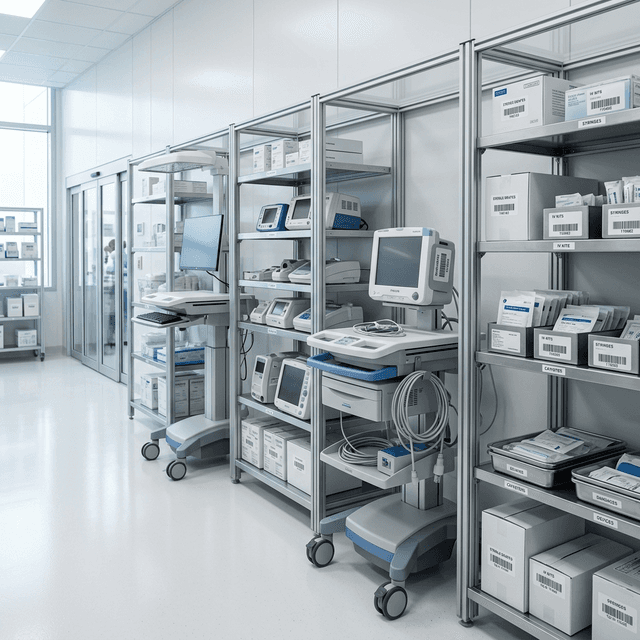



अस्पताल ऐसे जटिल और अराजक वातावरण हैं जहाँ जान-माल से जुड़े निर्णय लॉजिस्टिक्स पर निर्भर करते हैं। फिर भी, औसत नर्स प्रति शिफ्ट 1 घंटा—यानी उनके समय का 12%—उपकरण ढूँढने में खर्च करती हैं। वे IV पंप, व्हीलचेयर, टेलीमेट्री पैक्स और वाउंड वैक (wound vacs) खोजती हैं। यह ‘हंट एंड गेदर’ (Hunt and Gather) मेडिसिन है।
केवल एसेट्स ही नहीं, बल्कि फार्मास्यूटिकल्स का प्रबंधन भी कई जोखिमों से भरा है। क्रैश कार्ट (crash carts) और दवा ट्रे का मैन्युअल ट्रैकिंग करने से एक्सपायर दवाएँ सिस्टम में चलती रह सकती हैं। एक छोटी चूक भी ‘सेंटिनल इवेंट’ (Sentinel Event) तक ले जा सकती है।
इसके अलावा, मरीजों की आवाजाही (patient flow) अपारदर्शी (opaque) है। ER या OR में बॉटलनेक throughput और मरीजों की संतुष्टि घटाते हैं। डेटा के बिना, प्रशासक स्टाफिंग या बेड टर्नओवर को अनुकूलित (optimize) नहीं कर सकते।
क्योंकि कर्मचारी उपकरण नहीं ढूंढ पाते हैं, वे इसे अलमारी और छत की टाइलों में जमा कर लेते हैं। अस्पताल अपनी आवश्यक बेड़े का 130% खरीद लेते हैं, फिर भी उपयोग 40% से कम रहता है। लाखों डॉलर बेकार पड़े हैं।
क्रैश कार्ट को मैन्युअल रूप से फिर से भरना त्रुटिपूर्ण है। एक छूटी हुई एक्सपायर्ड एपिनेफ्रीन शीशी एक देनदारी है। दवा विचलन (चोरी) भी एक बढ़ती हुई चिंता है जिसे मैनुअल लॉग रोक नहीं सकते हैं।
यह जानना महत्वपूर्ण है कि कौन से उपकरण एक संक्रामक रोगी के साथ संपर्क में आए। डिजिटल संपर्क ट्रेसिंग के बिना, अस्पतालों को परिसंपत्तियों को कंबल-संगरोध करना चाहिए, जिससे संचालन बाधित हो।
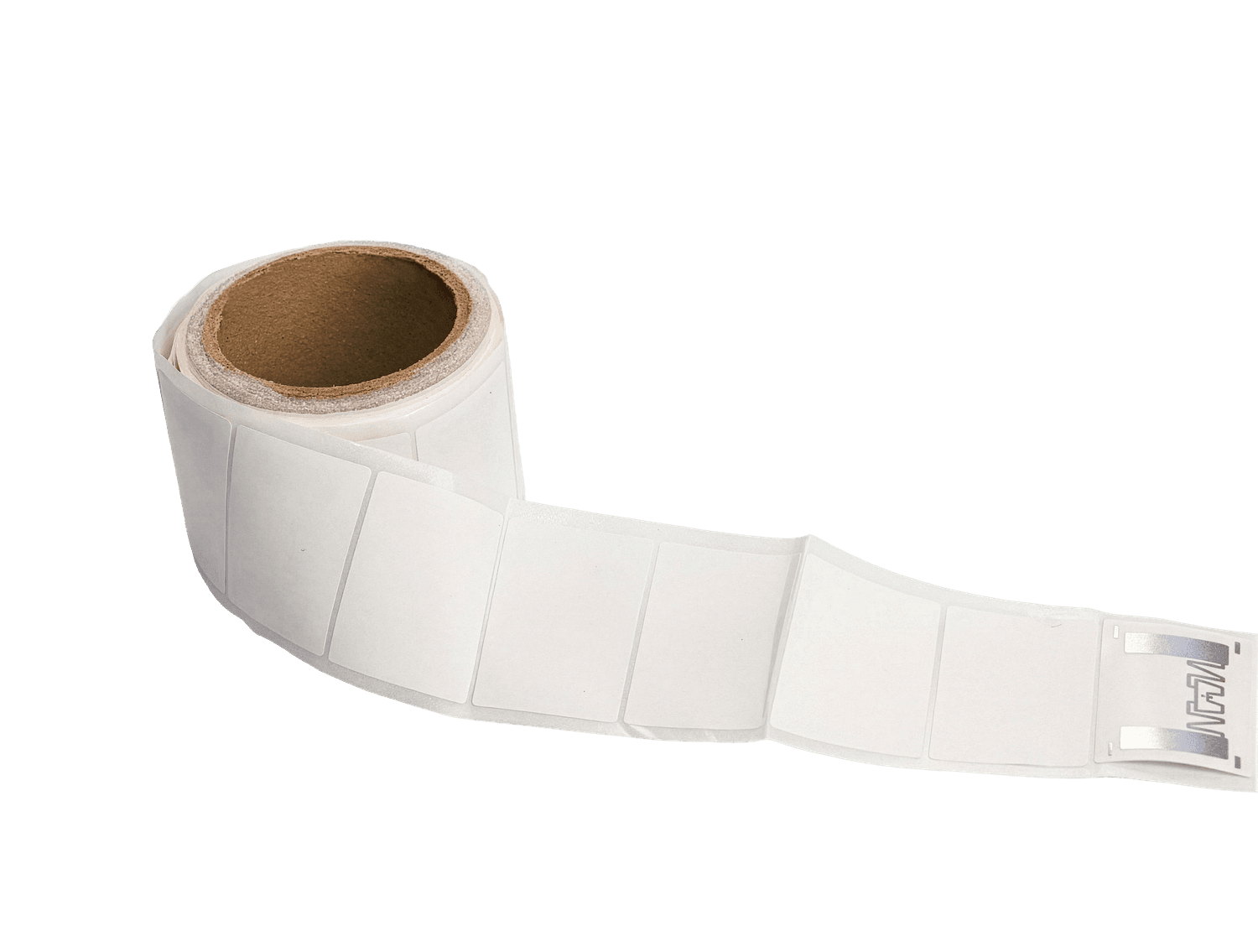
Nextwaves एक हाइब्रिड रियल-टाइम लोकेशन सिस्टम (Real-Time Location System, RTLS) लागू करता है। हम उच्च-वॉल्यूम उपभोग्य (consumables) और कम लागत वाले एसेट्स (लिनेन, फाइलें, दवाएँ) के लिए Passive UHF RFID का उपयोग करते हैं, और उच्च-मूल्य मोबाइल उपकरणों के लिए Active (BLE/Wi‑Fi) ट्रैकिंग का उपयोग करते हैं।
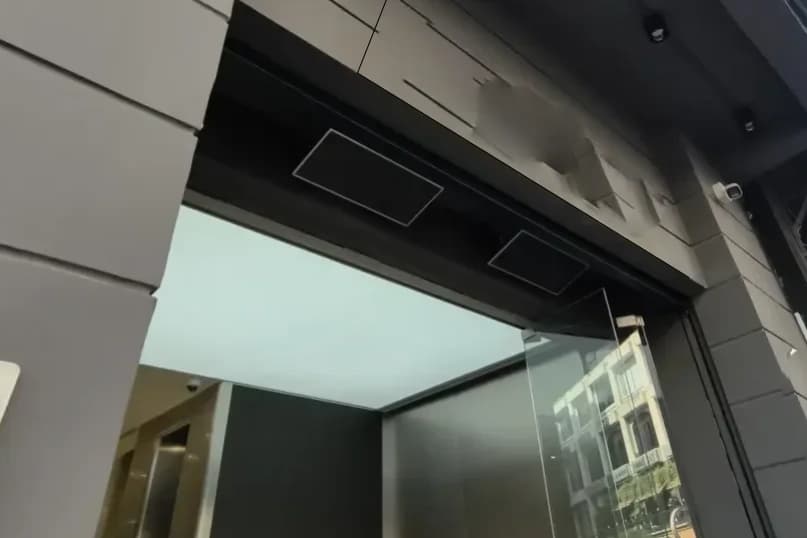
हमारे ‘स्मार्ट कैबिनेट’ (Smart Cabinets) दवा की हर वायल (vial) को स्वचालित रूप से ट्रैक करते हैं—मरीज रिकॉर्ड और इन्वेंट्री को तुरंत अपडेट करते हुए। छत पर लगे एरेज़ (arrays) पूरे सुविधा-क्षेत्र में बेड और पंप की मूवमेंट को ट्रैक करते हैं और उन्हें एक डिजिटल मैप पर विज़ुअलाइज़ करते हैं।
यह सिस्टम ‘चेन ऑफ कस्टडी’ (Chain of Custody) बनाता है। हम ठीक-ठीक जानते हैं कि दवा किसने ली, किस मरीज के लिए, और कब। हम ठीक-ठीक जानते हैं कि इन्फ्यूजन पंप (infusion pump) कहाँ है, और क्या पिछली बार उपयोग के बाद इसे साफ (cleaned) किया गया है।
'कभी नहीं होने वाली घटनाओं' को रोकें। स्वचालित जांचें सही दवा, सही खुराक, सही रोगी सुनिश्चित करती हैं।
उपलब्धता बढ़ाते हुए बेड़े के आकार को 20% तक कम करें। उन पंपों को खरीदना बंद करें जिनकी आपको आवश्यकता नहीं है।
नर्सों को उनका समय वापस दें। उन्हें देखभाल पर ध्यान केंद्रित करने दें, रसद पर नहीं।
द जॉइंट कमीशन (TJC) के लिए स्वचालित लॉग। तुरंत नसबंदी और रखरखाव अनुपालन साबित करें।
एक 500-बिस्तर वाले ट्रमा सेंटर को ER थ्रूपुट और पुरानी IV पंप की कमी से जूझना पड़ा। नर्सों ने लापता उपकरणों के कारण देखभाल में देरी की सूचना दी।
हेल्थकेयर RFID की मानक रिटेल से ऊँची होती है। मरीज का नाम, निदान (diagnosis), या व्यक्तिगत पहचान योग्य जानकारी (PII) कभी भी टैग पर लिखी नहीं जाती। टैग केवल एक अनाम (anonymous) टोकन (token) ले जाते हैं—एक ऐसी संख्या जो सुरक्षित बैकएंड एक्सेस के बिना, जो इसे मरीज रिकॉर्ड से जोड़ता है, कोई अर्थ नहीं रखती।
यह डेटाबेस लेयर एन्क्रिप्टेड है, एक्सेस-नियंत्रित (access-controlled) है और ऑडिटेड (audited) है। क्लिनिशियन केवल वही डेटा देखते हैं जो उनकी भूमिका अनुमति देती है। प्रशासक utilization रिपोर्ट देखते हैं। RFID लेयर के ज़रिए कोई भी व्यक्ति मरीज डेटा नहीं देख पाता। हम पूरी तरह HIPAA-compliant हैं—डिज़ाइन द्वारा, न कि किसी नीति-आधारित workaround से।
लोकेशन डेटा शुरुआत भर है। जब आपके पास हर एसेट और हर मरीज की स्थिति (where every asset and patient is) की लगातार स्ट्रीम होती है, तो पैटर्न उभरते हैं। हम ऐसे मॉडल पर काम कर रहे हैं जो उपकरणों के बॉटलनेक 4–6 घंटे पहले भविष्यवाणी कर सकें—जिससे चार्ज नर्सों को देखभाल प्रभावित होने से पहले पुनः असाइन (reassign) करने का समय मिल जाए।
क्षितिज पर: ऐसे बेड जो स्वचालित रूप से मरीज का वजन और प्रेशर बदलाव रिपोर्ट करेंगे; स्मार्ट कैबिनेट जो दवाएँ खत्म होने से पहले दोबारा ऑर्डर (reorder) करेंगे; और OR शेड्यूलिंग जो वास्तविक उपकरण लोकेशन के आधार पर रियल टाइम में समायोजित होगी—अनुमानों (assumptions) पर नहीं।
RFID सुरक्षा गेट, एंटी-मेटल टैग और स्वचालित ऑडिट के साथ लैपटॉप और आईटी उपकरण की सुरक्षा करें।
टेक्नोलॉजी को खोजने दें। आप बचत को संभालें।
If the kit doesn't fit your operation, return it within 30 days for a full refund.
The package price covers installation support, system configuration, and staff training — with no additional fees.