
Blog
Notes d'ingénierie, guides de déploiement et histoires de terrain sur la RFID, les antennes, les inlays et les systèmes d'inventaire pour la fabrication, la logistique et la vente au détail.
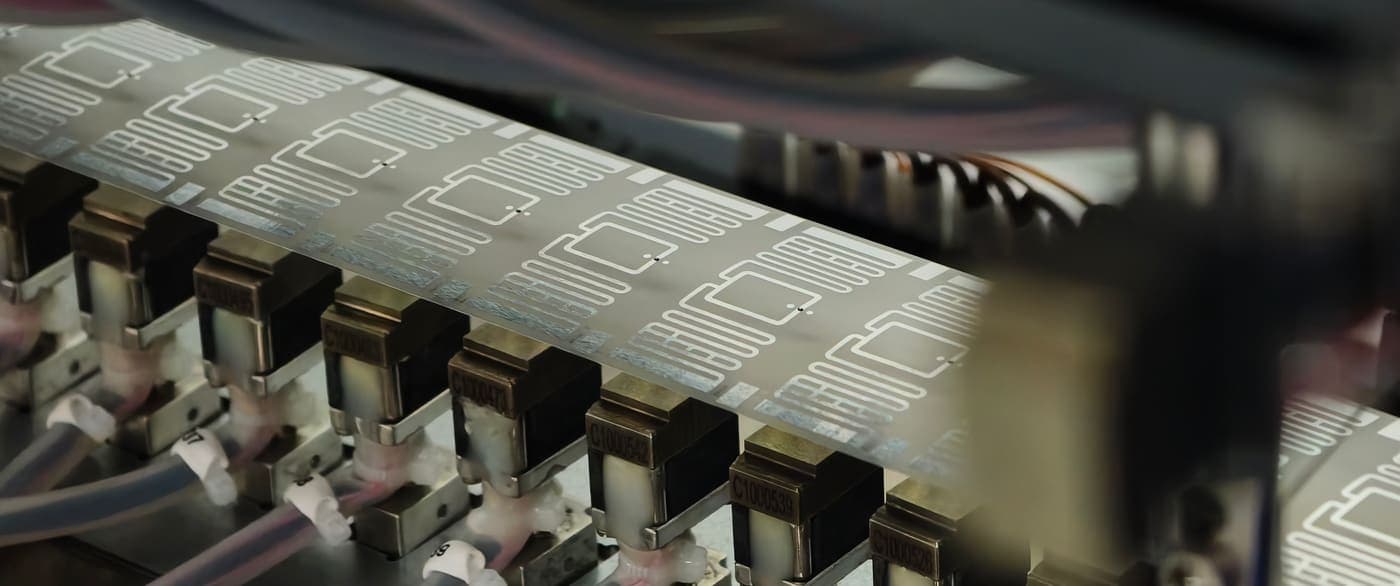
UHF RFID price from 700 VND, manufactured in VietnamNextwaves manufactures UHF RFID tags in Ho Chi Minh City, with prices starting from 700 VND per tag. EPC Gen2 standard tags, RAIN RFID, for warehouses, retail, asset management, and loss prevention.Lire la suite

Précision en intérieur, trouver le système de positionnement le plus fiable pour les grands sitesLes grandes installations ont besoin d’un positionnement intérieur qui combine précision et déploiement et exploitation pratiques. L’Ultra-Wideband (UWB) offre une grande précision, tandis que le Bluetooth Angle of Arrival (AoA) propose une alternative moins coûteuse. Cette comparaison examine l’UWB, le Bluetooth AoA et les balises Bluetooth standard afin de déterminer si une application mobile compatible Bluetooth suffit pour l’ensemble d’une installation.Lire la suite
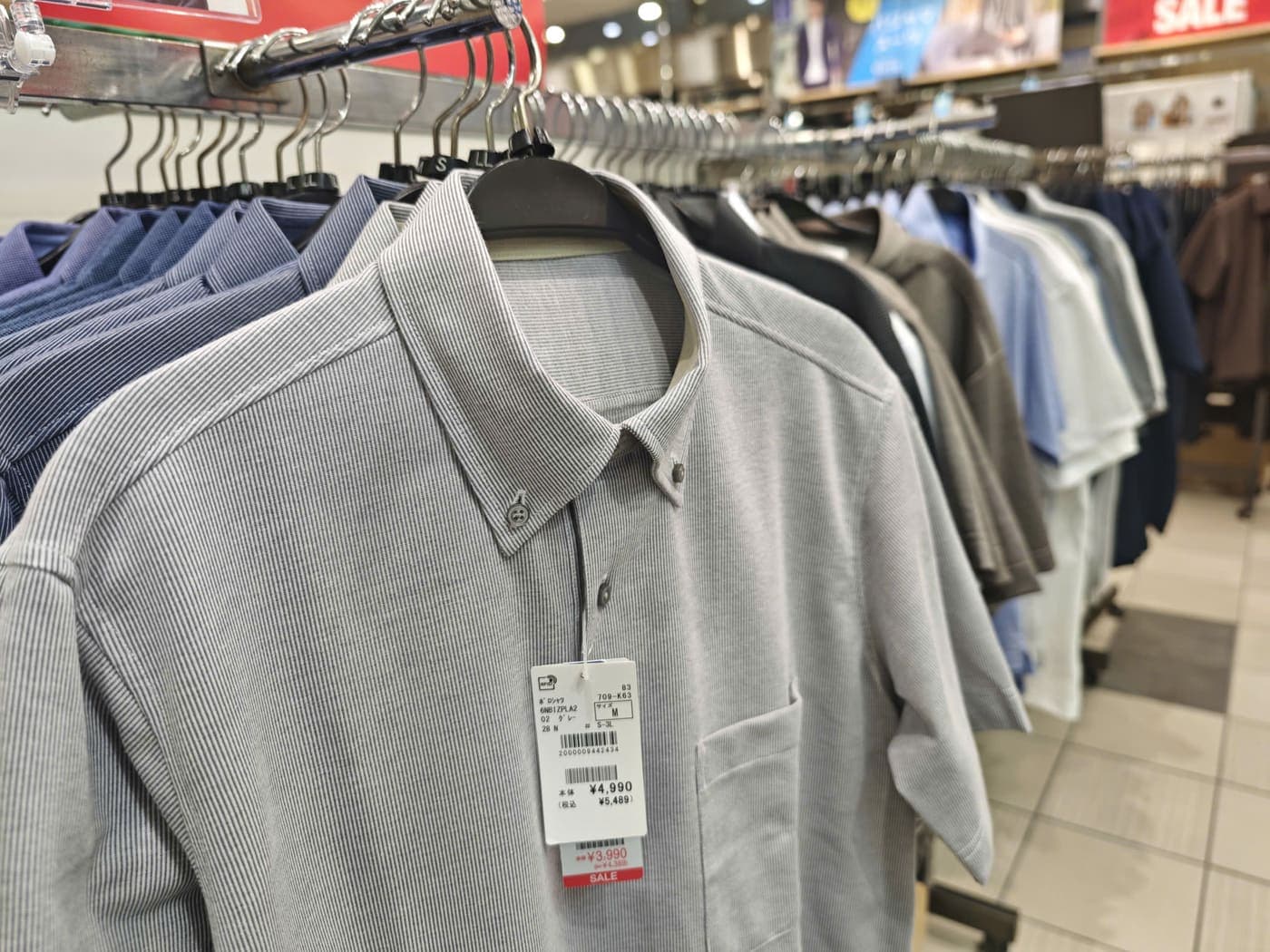
Deploy RFID end-to-end: A 5-step process, real-world costs, and Nextwaves' Starter KitMost businesses do not fail with RFID because of the technology. They fail because of how it is implemented: buying equipment before understanding the problem, skipping the pilot testing phase, or choosing the wrong type of tag for the product materials. And there is another barrier that makes many businesses hesitate: no one states clearly what the cost will be.Lire la suite
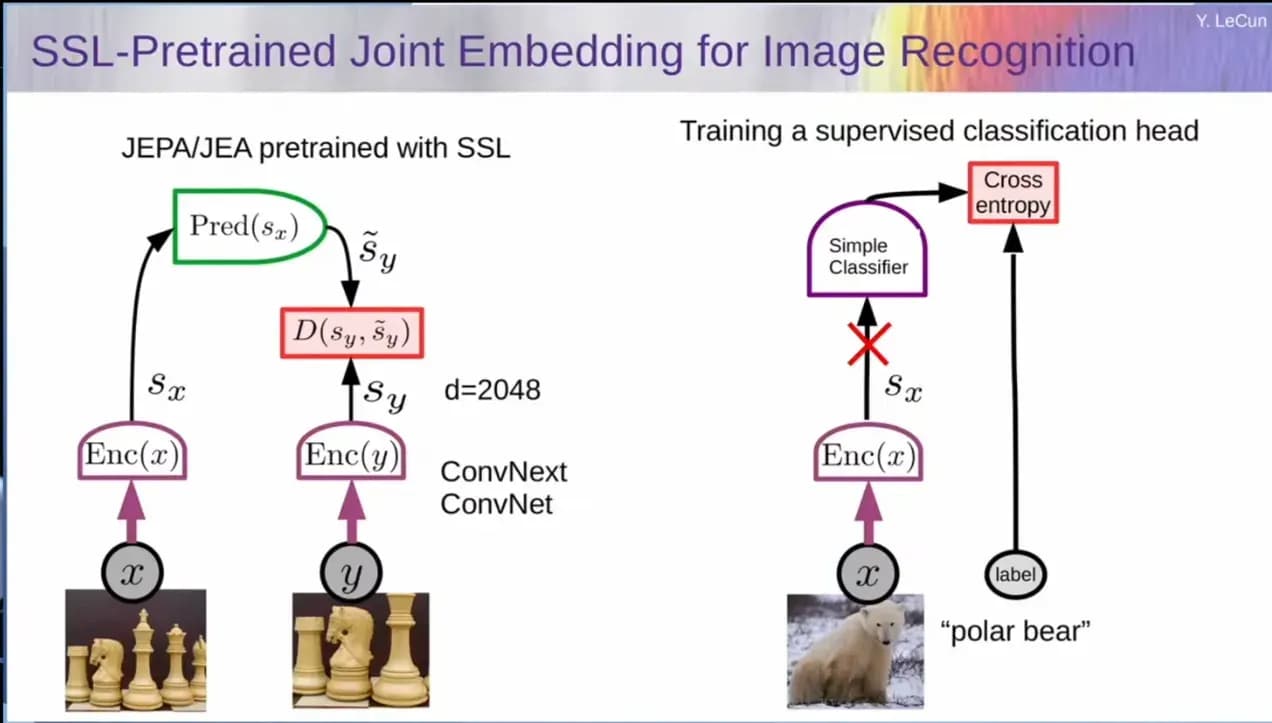
Architecture prédictive d’intégration conjointe (JEPA) : guide complet et approfondiUne architecture prédictive d’intégration conjointe (JEPA) est une méthode d’apprentissage non supervisé qui prédit la représentation abstraite d’une partie d’une entrée à partir de la représentation d’une autre partie, au lieu de reconstruire les données brutes. En prédisant le sens plutôt que les pixels, elle peut ignorer les détails imprévisibles et se concentrer sur la structure qui compte. Yann LeCun l’a proposée en 2022 comme une étape vers une IA qui construit un modèle interne du monde.Lire la suite

RFID vs Barcode: You Are Probably Asking the Wrong QuestionWalk into most conversations about inventory technology and the question gets framed the same way: "Should we upgrade from barcodes to RFID?" It sounds reasonable, and it is the wrong question. The word "upgrade" assumes the two sit on a single ladder, where one is older and worse and the other is newer and better. They do not. A barcode is built for line-of-sight identification, where you point a scanner at one label and read it. RFID is built for bulk counting without line of sight, where you wave a reader near a pile of tagged items and read all of them at once. Asking which one to upgrade to is a little like asking whether you should replace your hammer with a screwdriver. The better question is simpler: which problem are you trying to solve, and where?Lire la suite

Agentic Engineering vs Vibe CodingThere is a quiet argument running through every team that builds with AI right now, and it usually shows up as a feeling rather than a debate. One person ships a working app in an afternoon by describing what they want and accepting whatever the model produces.Lire la suite