Seguimiento de activos de fabricación
La Fábrica de Autoinforme

Cada herramienta. Cada orden de WIP. Cada activo. Rastreado automáticamente. para que su línea nunca se detenga.

100%
Responsabilidad Digital de Herramientas
$750k
Ahorro Anual en Reemplazos
0
Incidentes FOD Acumulados
El problema

La Paradoja de la Eficiencia

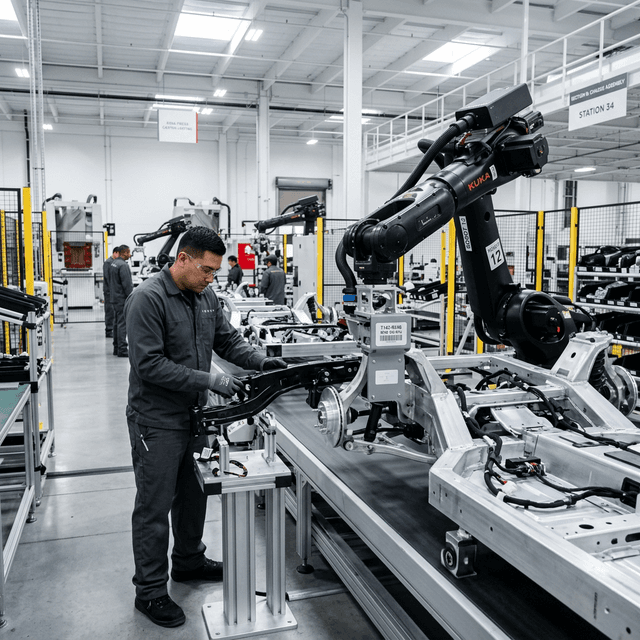
Modern manufacturing is a high-stakes environment where minutes of downtime cost thousands of dollars. Despite advanced robotics and ERP systems, the 'connective tissue' of the factory - the movement of Work-in-Progress (WIP), tools, and raw materials - often remains a manual black box.

Managers ask: 'Where is Order #504?' 'Where is the calibrated torque wrench?' 'Why is Line B stalled?' The answers are hidden because the physical assets are disconnected from the digital system. Operators waste critical hours searching for tools (Search Time). Production planners schedule based on theoretical capacity, not real-time status (Buffers).

In regulated industries like Aerospace and Defense, this visibility gap is a compliance risk. Foreign Object Debris (FOD) left inside an assembly can be catastrophic. Missing genealogy data can trigger massive recalls.

Puntos débiles clave

Tiempo de Búsqueda y Buffers

El trabajador industrial promedio dedica entre el 10 y el 15% de su turno a buscar cosas. Este tiempo sin valor añadido crea restricciones de capacidad artificiales, lo que obliga a las fábricas a mantener mayores reservas de WIP para compensar.

Acaparamiento de Activos

Debido a que las herramientas son difíciles de encontrar, los trabajadores las acaparan en taquillas no autorizadas. La fábrica compra más herramientas de las que necesita, pero la disponibilidad sigue siendo baja.

Calidad y Genealogía

¿Si se encuentra un defecto, puede rastrear exactamente qué lote de pegamento se utilizó, qué herramienta lo aplicó y quién fue el operador? Sin RFID, esta 'Genealogía' suele ser un papeleo manual incompleto.

Nuestro enfoque

El Tejido Industrial de IoT

El Tejido Industrial de IoT

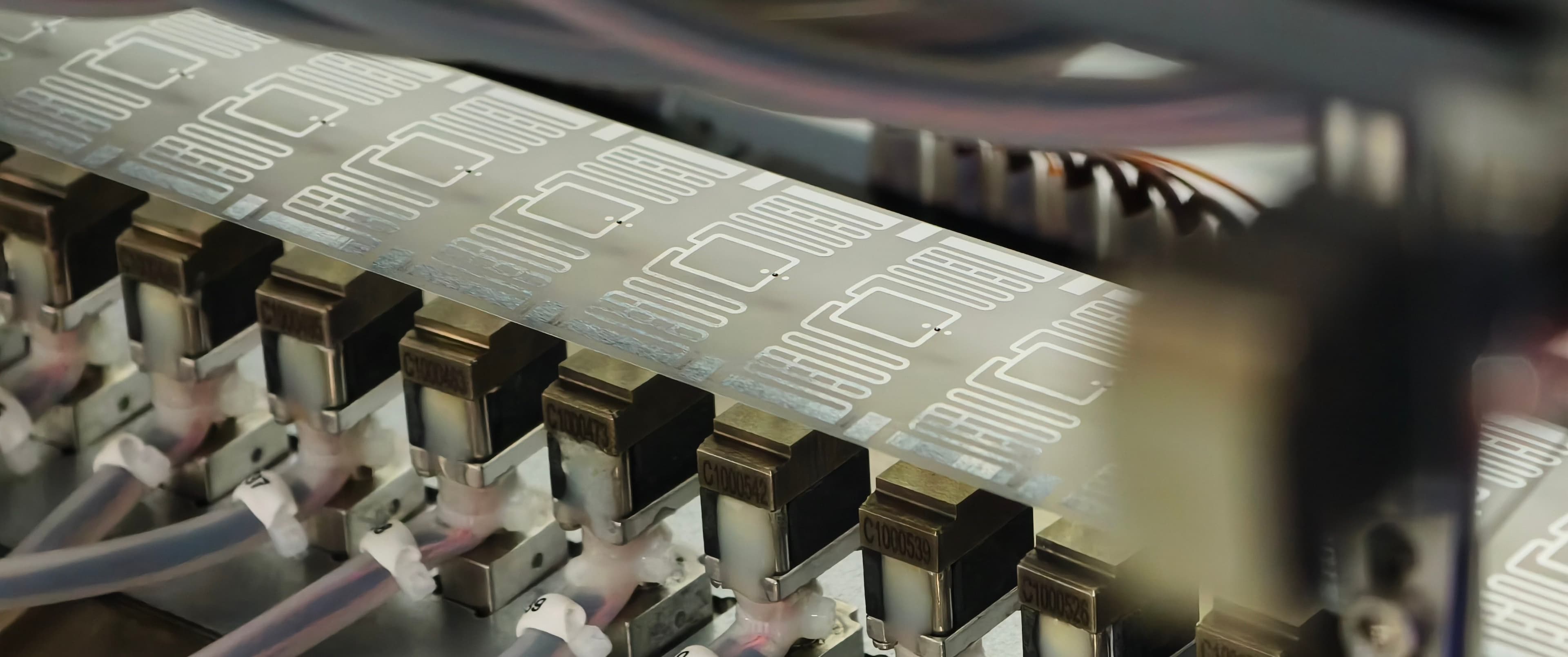
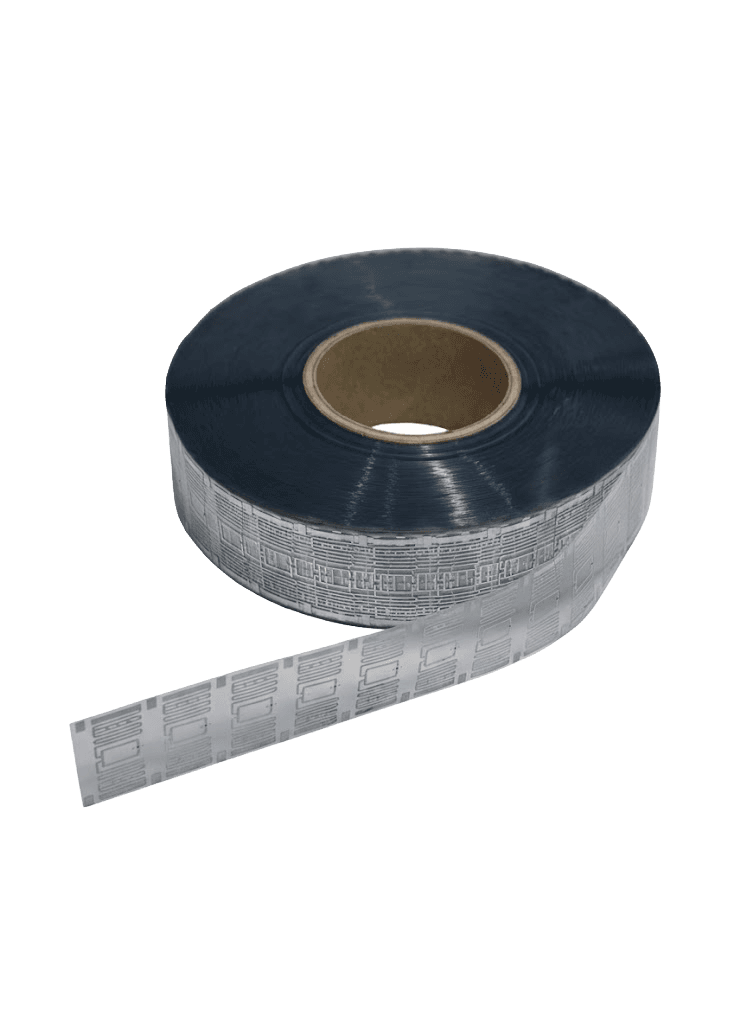
Nextwaves deploys an Industrial IoT layer over your existing OT/IT infrastructure. We attach specialized, high-durability RFID tags to every moving element: the parts (WIP), the carriers (skids/totes), and the tools. These tags are engineered to survive autocalves, acid baths, paint ovens (250°C), and shot blasting.

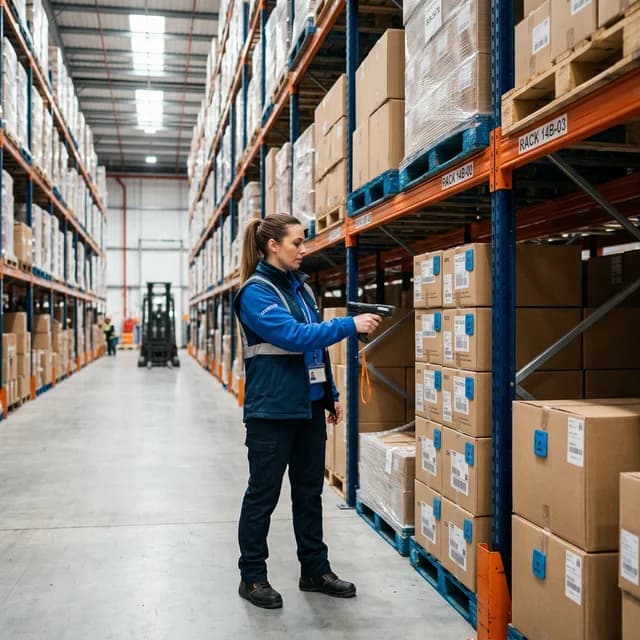
We blanket the facility with a grid of readers - at workstations, choke points, and tool cribs. As assets move, they update their own status. A tool 'checks itself out' when it leaves the crib. A product 'updates its operation' when it arrives at Station 5.

This data feeds into our 'Factory Twin' middleware, which orchestrates logic: 'If Tool A is not calibrated, do not enable Station B.' 'If Order 504 arrives at Paint, trigger ERP update.' The factory becomes self-aware and self-reporting.

Lo que obtiene

Inteligencia de Fabricación

01

Reducir el WIP en un 20%

Con visibilidad en tiempo real, puede reducir los márgenes de seguridad y pasar a un flujo Just-In-Time real.

02

Prevención de FOD

Responsabilidad automatizada de herramientas. Asegúrese de que el 100% de las herramientas emitidas se devuelvan antes de que el producto salga de la celda.

03

Mantenimiento Predictivo

Realice un seguimiento de los ciclos de uso de las herramientas (disparos, horas). Realice el mantenimiento de moldes y matrices en función del desgaste real, evitando el mantenimiento prematuro o tardío.

04

Enrutamiento Dinámico

Los transportadores inteligentes pueden enrutar automáticamente los productos defectuosos a las líneas de reelaboración en función de los datos de las etiquetas RFID.

Caso de estudio
Caso de Estudio: Fabricante de Motores Aeroespaciales

Un fabricante de motores a reacción requería una responsabilidad absoluta para más de 50.000 herramientas manuales para evitar daños por objetos extraños (FOD). Un solo enchufe perdido podría dejar en tierra un vuelo de prueba.

Hable con un ingeniero
100%
Responsabilidad Digital de Herramientas
$750k
Ahorro Anual en Reemplazos
0
Incidentes FOD Acumulados
How It Works

Construido para sobrevivir en la planta de producción

01

Standard retail tags fail quickly in industrial environments. heat melts the adhesive, metal surfaces detune the antenna, and paint lines coat the chip beyond readability. We select and test tags specifically for your environment: ceramic-backed on-metal tags for steel components, high-temp variants rated to 250°C for paint ovens, and flexible encapsulated tags for tooling that gets dropped.

02

Our readers are mounted at every meaningful choke point: tool crib exits, station entries, final inspection gates. As assets flow through, the system updates their status automatically. no operator input required. A calibrated tool that is overdue for service is flagged before it reaches the line.

What's Next

La Etiqueta Que se Envía con el Producto

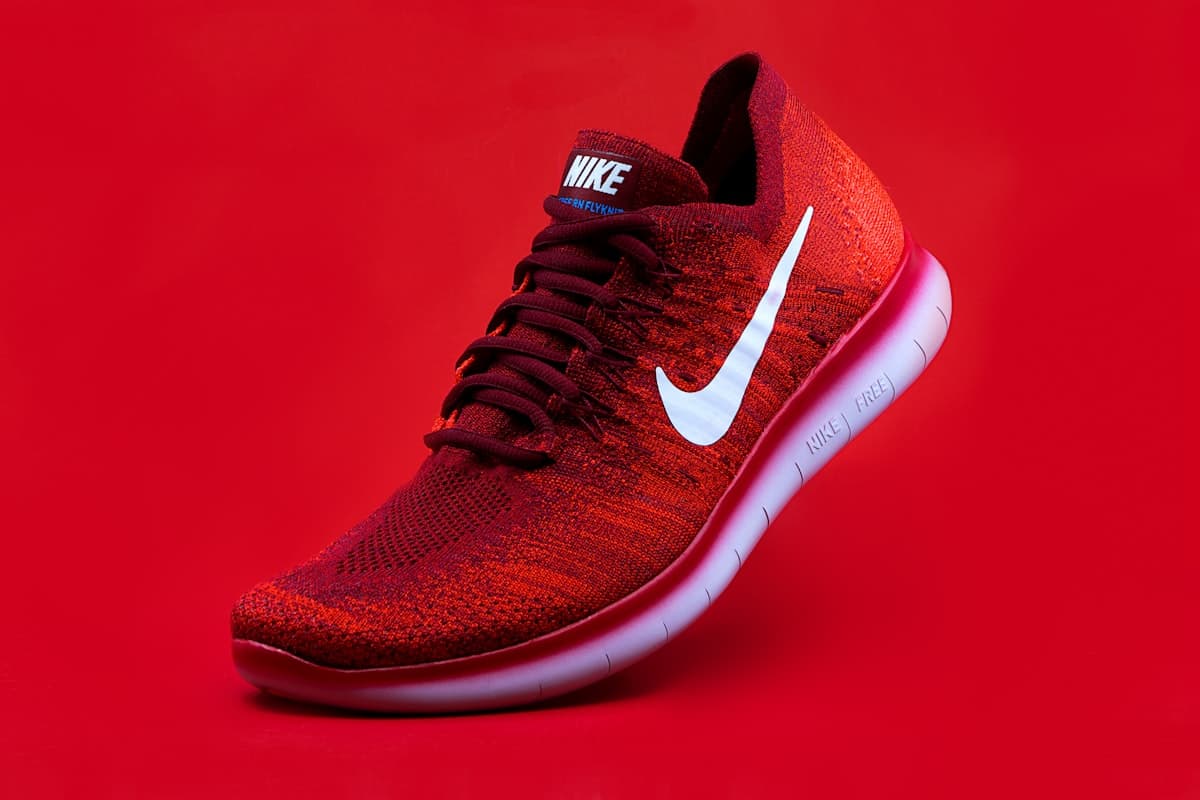
The tag doesn't stop being useful once the product leaves the factory. We are working with manufacturers to keep the same tag active through distribution, retail sale, and eventually end-of-life recycling. creating a single unbroken digital record for the product's entire journey.

This 'Digital Product Passport' approach is also becoming a regulatory requirement in the EU. Products will need to carry proof of their material composition and sustainability data. The infrastructure you build for manufacturing traceability today becomes your compliance backbone tomorrow.

Elimine los puntos ciegos.

Convierta sus activos físicos en flujos de datos digitales. Optimice ahora.