
Iṣura Ẹ̀mí
Iṣipopada data n tọka si isọdi lọra ti otito ti ara kuro ninu awọn igbasilẹ oni-nọmba. 'Iṣura Ẹ̀mí' waye nigbati awọn eto n fi ọja ti ko si han, ti o yọrí si 22% ti awọn aṣẹ BOPIS ti a fagile ati ti o ba igbẹkẹle awọn onibara jẹ.


Fun ọdun diẹ sii ju ọgọrin (fifty) lọ, barcode Universal Product Code (UPC) ti jẹ ẹhin iṣẹ pataki ti soobu. O ṣe boṣewa iṣowo, jẹ ki a ṣàyẹwo ni ibi isanwo, o si jẹ ki a gba iran akọkọ ti iṣakoso akojo iṣura ti a ṣe kọnputa. Ṣugbọn barcode ni abawọn pataki: o jẹ afọju. O nilo ila-ojú, o nilo kikọlu afọwọṣe, ati pe ko le yàtọ̀ si awọn ohun kan meji tó dà bí ara. Ìwọn yẹn ti yori si ìjàkadì kariaye tí a mọ̀ gẹ́gẹ́ bí “Inventory Distortion” — iṣoro tí iye rè délé rẹ̀ lọ sí dọ́la kan trillion kan, nibi tí awọn oniṣòwò kan kan kò mọ ohun tí wọn ní.
Nínú ayé soobu omnichannel tuntun, afọju yìí máa ń jẹ ewu gidi. Nígbà tí alabara bá paṣẹ ohun kan lórí ayelujara fún ìkànsí ní ilé itaja (BOPIS), eto máa ṣàyẹwo data akojo iṣura. Database sọ pé “Quantity: 1”. Ṣùgbọ́n ṣe o wà níbẹ̀? Ṣé o wà ní ilé ẹ̀yà ẹ̀yìn? Ṣé o wà nínú yàrá ìdánwo aṣọ? Ṣé ẹnìkan ti ji i? Tàbí ó ti ta ní lana, database kò sì ṣe ìmúdájú?
Abajade ni pq ipese tí ko duro dá - tí “safety stock” rọ (akojo iṣura tó pọ̀ tí a ra láti bo àìpé data). Awọn oniṣòwò n rì sínú akojo iṣura tí wọn kò le ta, ní bákan náà wọn ń padanu tita lori awọn ohun tí wọn “ní” dájú ṣùgbọ́n tí wọn kò le rí. Kikàni-cycle count afọwọṣe - ìtúnṣe ìbílẹ̀ - lọra gan, gbowó, ati pe ó rọrùn láti ṣe aṣiṣe; ko tó lati yanju eleyi. Ile-iṣẹ nílò ayipada ìtànkálẹ̀ látàrí “scanning” sí “sensing”.
Iṣipopada data n tọka si isọdi lọra ti otito ti ara kuro ninu awọn igbasilẹ oni-nọmba. 'Iṣura Ẹ̀mí' waye nigbati awọn eto n fi ọja ti ko si han, ti o yọrí si 22% ti awọn aṣẹ BOPIS ti a fagile ati ti o ba igbẹkẹle awọn onibara jẹ.
Ni ile itaja ti ko lo RFID, awọn oṣiṣẹ lo 20-30% ti akoko wọn n wa awọn ọja tabi ṣe iṣiro ọwọ. Eyi jẹ iṣẹ-ṣiṣe ti o ga owo ti a yipada kuro ninu ibi-afẹde akọkọ: iṣẹ onibara ati tita.
Laisi idanimọ ti a ṣe lẹsẹsẹ (EPC), ohun tí a ji jẹ́ 'kekere kan'. Awọn onisowo ko le tọpa awọn ilana iwa-odaran tita ti a ṣeto (ORC) tabi ṣawari boya awọn ọja ti a pada jẹ́ gidi awọn ẹlẹ́tan ti a ra lati awọn ọja grẹy.
Nextwaves n ṣe imuṣiṣẹ “Source-to-Store” lori ìpìlẹ̀ ìwọn EPC Gen2 V2. Ó bẹrẹ kì í ṣe ní ilé itaja, bí kò ṣe ní ibẹrẹ ìgbà ti a ń ṣe ọja. Nípa fífi passive UHF RFID inlay sínú care label tàbí price ticket ní ilé iṣẹ́, a fún gbogbo ohun kan aláìka (unique) ní “ọkàn” oni-nọmba - EPC serialized (Electronic Product Code).
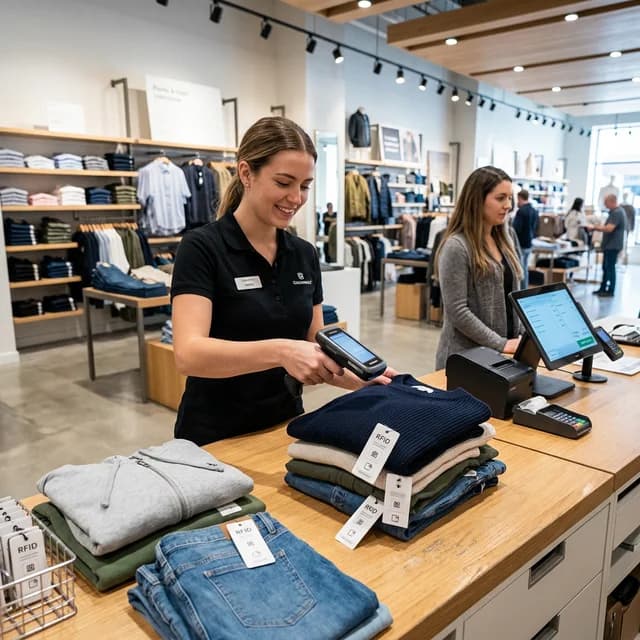
Nígbà tí àwọn ohun wọ̀nyí bá ń rin kọjá pq ipese, wọn kọjá “Read Points” - tunnel readers ní ile-iṣẹ pinpin, overhead arrays ní agbegbe ìṣètò, àti nikẹhin handheld sweeps ní ilé itaja soobu. Kò dà bí barcode, scanner wọ̀nyí n lo igbi redio láti fun tag ní agbara, kí wọn le ka ọgọrun ohun kan lọ́dọọdún (per second) láì nílò ìbáṣepọ̀ ojú.
Eleyi dá “Digital Twin” ti akojo iṣura gidi lọ́wọ́-lọ́wọ́. Nígbà tí sowo bá dé ilé itaja, kì í ṣe kí a ka a lọ́wọ́; a dá a lójú lẹsẹkẹsẹ. Nígbà tí alabara bá ń dán aṣọ, yara ìdánwo ọlọgbọn kan máa rí i. Nígbà tí ohun kan bá jáde kúrò ní ilé itaja, EAS gates máa ṣe ìmúdájú akojo iṣura lẹsẹkẹsẹ. A yí padà láti “Inventory Estimation” sí “Inventory Certainty”.

Ṣe àfọwọ́kọ ìgboyà iṣura pípé. Ṣe àfikún 'Available to Promise' (ATP) fún e-commerce pẹ̀lú àìní iṣura àfọ́.
Àdájọ́ data fìdí hàn pé àìmọ̀ 5-15% ìdíyelé tita. Bí ó bá wà lórí pápá, ó máa ta. Bí ó bá wà ní ẹ̀yìn, kò ní ta.
Má ṣe kàn kó ìkìlọ̀ ní ẹnu-ọ̀nà. Mọ̀ ní kíkankíkan KÍ NI a jí, NÍGBÀ wo, kí o sì tún rọ́pò lẹ́sẹ̀kẹsẹ̀.
Ṣe àfikún 'Magic Mirrors' tó ń ṣedá àwọn ohun tó bá mu pọ̀ gẹ́gẹ́ bí ohun tí oníbàárà mú wá sí yàrá àyẹ̀wò.
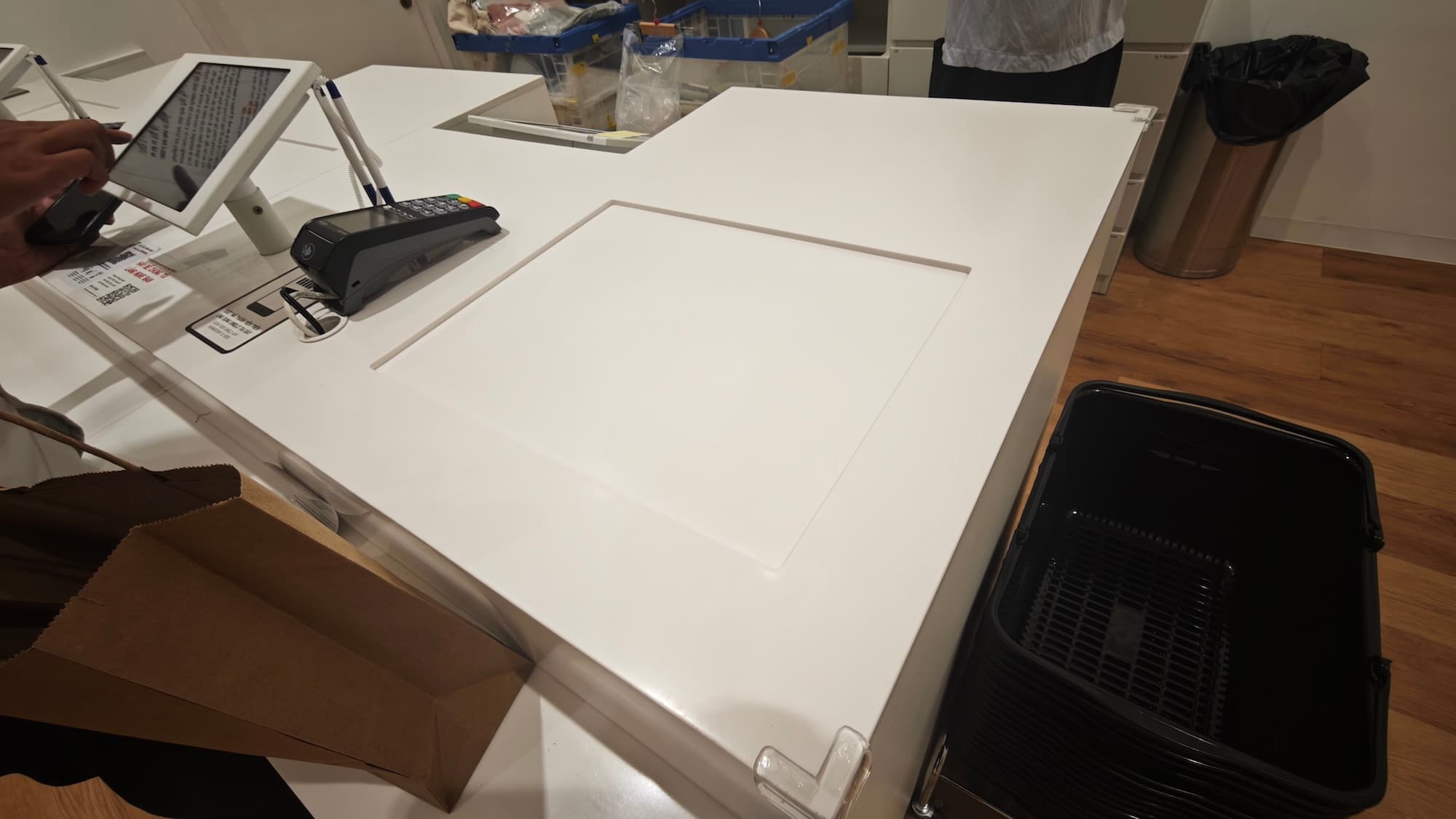
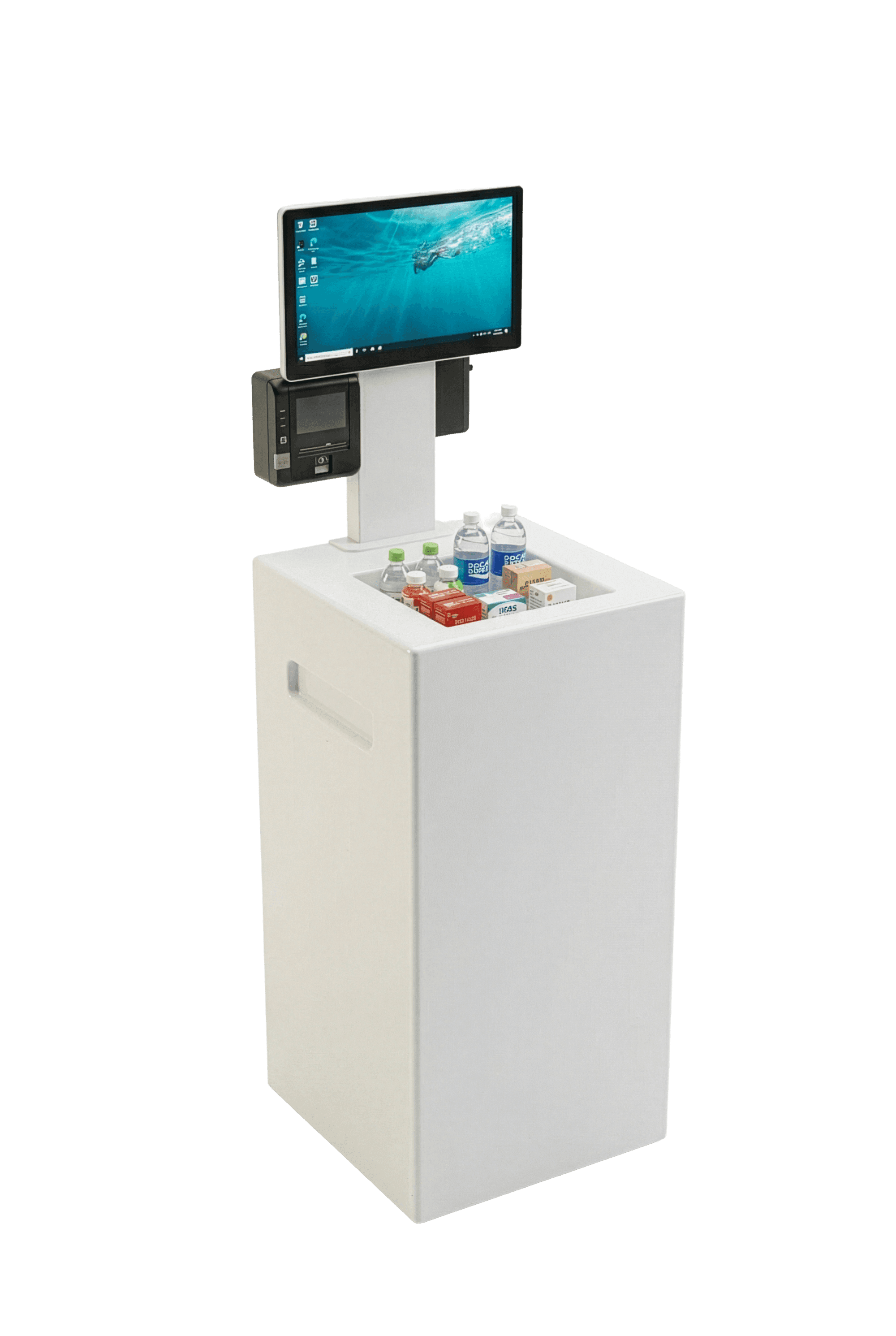
Nípa fífi àwọn àmì RFID sínú gbogbo ọjà kan, Uniqlo ṣaṣeyọrí tó fẹrẹ̀ jẹ́ 100% ìtóòtọ́ iṣura. Ṣùgbọ́n àṣírí gidi wáyé nígbà ìsanwó: àwọn oníbàárà kan àwọn ohun wọn sí apótí aládáṣiṣẹ́ tí ó ń ka gbogbo àmì RFID ní kànkàn. Iriri aláìní ìdípa yìí dín àkókò díde gan-an, yọ́ àwọn ìlànà ìsanwó kúrò, ó sì jẹ́ kí àwọn oṣiṣẹ́ ilé itaja dojukọ́ iṣẹ́ oníbàárà dípò kí wọ́n máa ṣàyẹ̀wò kóòdù. Ọgbọ́n data tí ó wáyé tún túmọ̀ sí pé wọ́n mọ̀ ní kíkankíkan nígbà tí ìwọn tàbí àwọ̀ kan pàtó nílò àtúnṣe, tó ń yọ́ àìní iṣura kúrò ní fídíhàn, tí ó sì ń pọ̀si tita gbogbo.
Gbogbo ohun kan gba ìdánimọ̀ oni-nọmba tó yàtọ̀ ní ibi ìgbó-ẹ̀sẹ̀ (point of manufacture). Passive UHF RFID tag tí ó din owo ju label iwe lọ, ṣùgbọ́n tí ó gbe koodu serialized tí kò lè ṣe ẹda. Nígbà tí handheld reader bá rìn lọ́wọ́ kánkán kọja kẹ̀tẹ́ (rack) tí ó ní aṣọ 500, gbogbo 500 ni a ka ní abẹ́ 3 aaya. Ko sí unloading, ko sí scanning ọkan-nkan-nkan.
Eto naa n lo awọn tag GS1 EPC Gen2 V2 tó wọ́pọ̀, tí wọn ní anti-cloning authentication. Eyi ṣe pàtàkì fún awọn ohun tí iye wọn ga àti ohun igbadun, níbi tí fake jẹ ewu gidi. Sọfitiwia edge wa n yọ ìdọ̀tí (noise) kúrò (tag tí a ka láti agbegbe tí kò tọ, partial reads láti metal fixtures) kí ohun tí ó de dashboard rẹ jẹ mimọ, tó wulo, tí o si le ṣe ìgbésẹ̀ lórí rẹ.
Ohun gbogbo n sopọ̀ padà sí WMS tàbí ERP rẹ tó wà nísinsin. Ronú rẹ gẹ́gẹ́ bí fífi ọkan-ara (heartbeat) sí akojo iṣura rẹ. Eto máa mọ ohun tí o gbe, ibi tí o wà, ati nígbà wo tí o dé.
Nígbà tí akojo iṣura bá péye, ìyípadà tí ó tẹ̀le ni yí ìdènà (friction) kúrò patapata. A n ṣe idanwo (pilot) awọn ọna “Grab-and-Go” tí awọn alabara máa rin jáde láì dúró ní ibi isanwo. Eto n ka agbọn wọn ní ẹnu-ọna (exit) a si gba owo sisan laifọwọyi sí iroyin wọn.
Ohun amayederun kanna ń ṣiṣẹ́ fun awọn yara ìdánwo ọlọgbọn (smart fitting rooms) tó n fi ìmọ̀ràn aṣọ hàn, awọn ìkìlọ̀ restocking dynamic tí o n ṣiṣẹ́ kí kẹ̀tẹ́ má bà a ṣofo, àti idena ìbànújẹ (loss prevention) tí o sọ kedere ohun tí a gbà àti nígbà tí a gbà. Ìpe (Accuracy) ni ìpìlẹ̀. Iye gidi ni ohun tí o kọ sórí rẹ.
Yara ilana isanwo ki o si ṣe adaṣe kika iṣura fun awọn ile itaja aṣọ, awọn ile itaja ohun ọṣọ, ati awọn pq itaja.
Ṣe ifilọlẹ amayederun ọjọ iwaju. Duro lati ṣe amọran, bẹrẹ si mọ.