
Ìtẹ́lọ́run Ìfiránṣẹ́
Àwọn àgbàlá ilé-iṣẹ́ fún ìtẹ́lọ́run ìfiránṣẹ́ ń yí ká 95-97%. Iwọn aṣiṣe 3% yìí túmọ̀ sí mílíọ̀nù dọ́là nínú ìjìyà àti ìgbésẹ̀ àtúnṣe. O san owó láti rán án lọ síbẹ̀, o san owó láti rán án padà, ó sì san owó ìtanràn.
Pq ipese ode oni jẹ́ ìyanu ìmúlò ìfarahàn (efficiency) títí di ìgbà tí ó bá dé ẹnu-ọna dock. Eyi ni “Black Hole” ti eko logistics. Warehouse ati Distribution Centers (DCs) n ṣiṣẹ́ milionu ohun kan, ṣùgbọ́n iyara ìgbóná-jinlẹ̀ ti loading inbound ati outbound maa ń fa ìṣòro tó lewu. Aṣiṣe pallet kan tí adalu le fa pq ìṣe (chain reaction) ti chargebacks, iye reverse logistics, àti ìṣòro ìdí-ìdí-ọja (stockouts) ní ibi soobu.
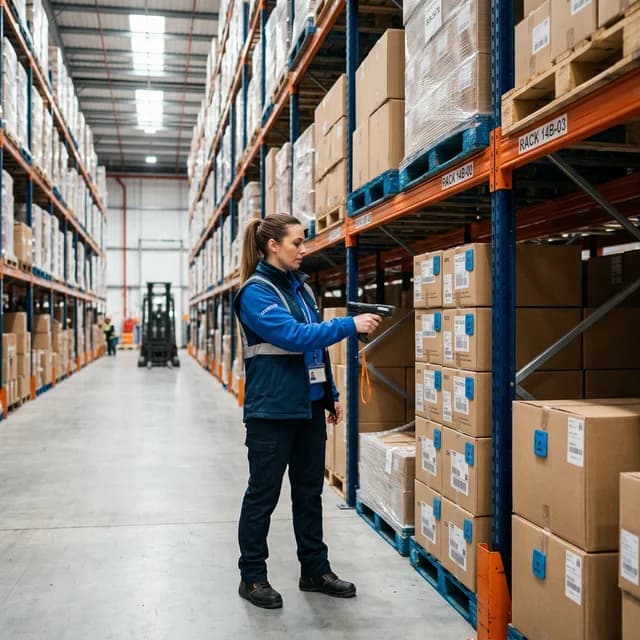
Scanning afọwọṣe ni ìdènà. O nilo ila-ojú. O nilo ènìyàn láti dúró, fojú si, kí o si ṣe titu (shoot). Ní ilé-iṣẹ́ cross-docking tí iye ti n wọ̀lé ga, kò sí àkókò láti ka carton kọọkan. Nítorí náà, awọn oniṣẹ̀ n ṣe amí (approximate). Wọn n ka label pallet, wọn sì *ro* pe ohun tí o wa nínú rẹ tọ́. Wọn kì í ṣe bẹ́ẹ̀.
Pẹ̀lú ìyẹn, Returnable Transport Items (RTIs) - àwọn tote ike, cages, àti pallet tí o ru àwọn ẹru wọ̀nyí - n sọnù láti inú eto. Awọn ile-iṣẹ n pàdánù dèré ìlòyìnná (millions) lọ́dọọdún nìkan nitori wọn ń ra àwọn apoti ike kanna leralera, nígbà tí wọn kò ní ìmóye ibi tí o ń parí sí.
Àwọn àgbàlá ilé-iṣẹ́ fún ìtẹ́lọ́run ìfiránṣẹ́ ń yí ká 95-97%. Iwọn aṣiṣe 3% yìí túmọ̀ sí mílíọ̀nù dọ́là nínú ìjìyà àti ìgbésẹ̀ àtúnṣe. O san owó láti rán án lọ síbẹ̀, o san owó láti rán án padà, ó sì san owó ìtanràn.
Láti jẹ́rìí àpótí ìparí, ó gbọdọ̀ jẹ́ kí a ṣètò, yọ́kúrò ní àkójọpọ̀, ṣàyẹ̀wò, kí o sì tún ṣàkójọ̀. Ìfọwọ́kàn yìí ń fi owó iṣẹ́ àti àkókò kún, tí ń ba àfojúsùn gbogbo ti cross-docking tó yara jẹ́.
Àwọn ohun-ini tó lè tún lò ni a ń ṣe bí ohun tí a ń jẹ. Láìsí ìtẹ̀lé, wọ́n máa ń kó wọn jọ ní ọwọ́ àwọn alábàáṣiṣẹ́ tó wà ní ìpẹ̀yà tàbí wọ́n máa ń ṣú wọn, tí ń dá àìmọ̀lẹ̀ ńlá kan ti olùdá owó ṣẹ̀.
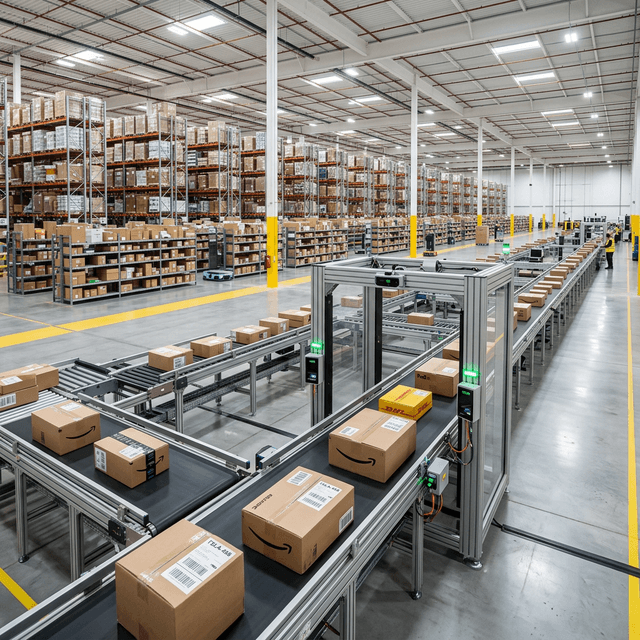
Nextwaves yí ẹnu dock pada sí node ìkó data. A fi sori ẹrọ RFID portals tó le farada ni gbogbo ẹnu-ọna ìwọlé (ingress) àti ìjáde (egress), a sì fi ăng-ten high-gain sí wọn. Bí forklift bá ń wọ̀ kọjá ní iyara, eto n fun tag tó wà lórí pallet, cartons, àti àwọn ohun tí ó wà nínú wọn ní agbara.
Láàárín milliseconds, eto máa ṣe afiwe iṣẹlẹ kika (read event) pẹ̀lú Advanced Shipping Notice (ASN) tàbí ìbéèrè (order) nínú Warehouse Management System (WMS). O jẹrisi: Ṣé pallet yìí tọ́? Ṣé o ní awọn cartons tó tọ́? Ṣé e ń lọ sí ọkọ akẹru tó tọ́? Ṣé o ń jáde ní àkókò tó tọ́?
Ti ẹrù bá tọ́, awakọ̀ gba ìmọ̀lẹ̀ aláwọ̀ ewe (green light). Ti ba ṣẹ, gẹgẹ bí carton tó pọ̀ ju, ohun tó sọnù, tàbí ibi tí kò tọ́ - eto máa fa ìmọ̀lẹ̀ aláwọ̀ pupa (red light) àti ìkìlọ̀ ohun (audible alarm) lẹsẹkẹsẹ. A mu aṣiṣe náà ní orísun, ṣáájú ki o tó lọ kúrò ní ilé iṣẹ́.
Yọkúrò nínú àtún-ìsanwó. Ẹ̀rí ránṣẹ́ jẹ́ díjítàlì tí kò lè fọ́rọ̀.
Ṣàyẹ̀wò ju 50+ àpò lọ ní iṣẹ́ju-aaya kan. Kò sí ìdákẹ́jẹ. Kò sí àyẹ̀wò àtẹ̀wọ́lé. Kàn ṣíṣe.
Tọ́pa RTIs bí wọ́n ṣe ń yí ká ní pípẹ̀ àtẹ̀jáde. Jẹ́ kí àwọn alábàáṣiṣẹ́ ní ojúṣe fún àwọn àpò tí ó sọnù.
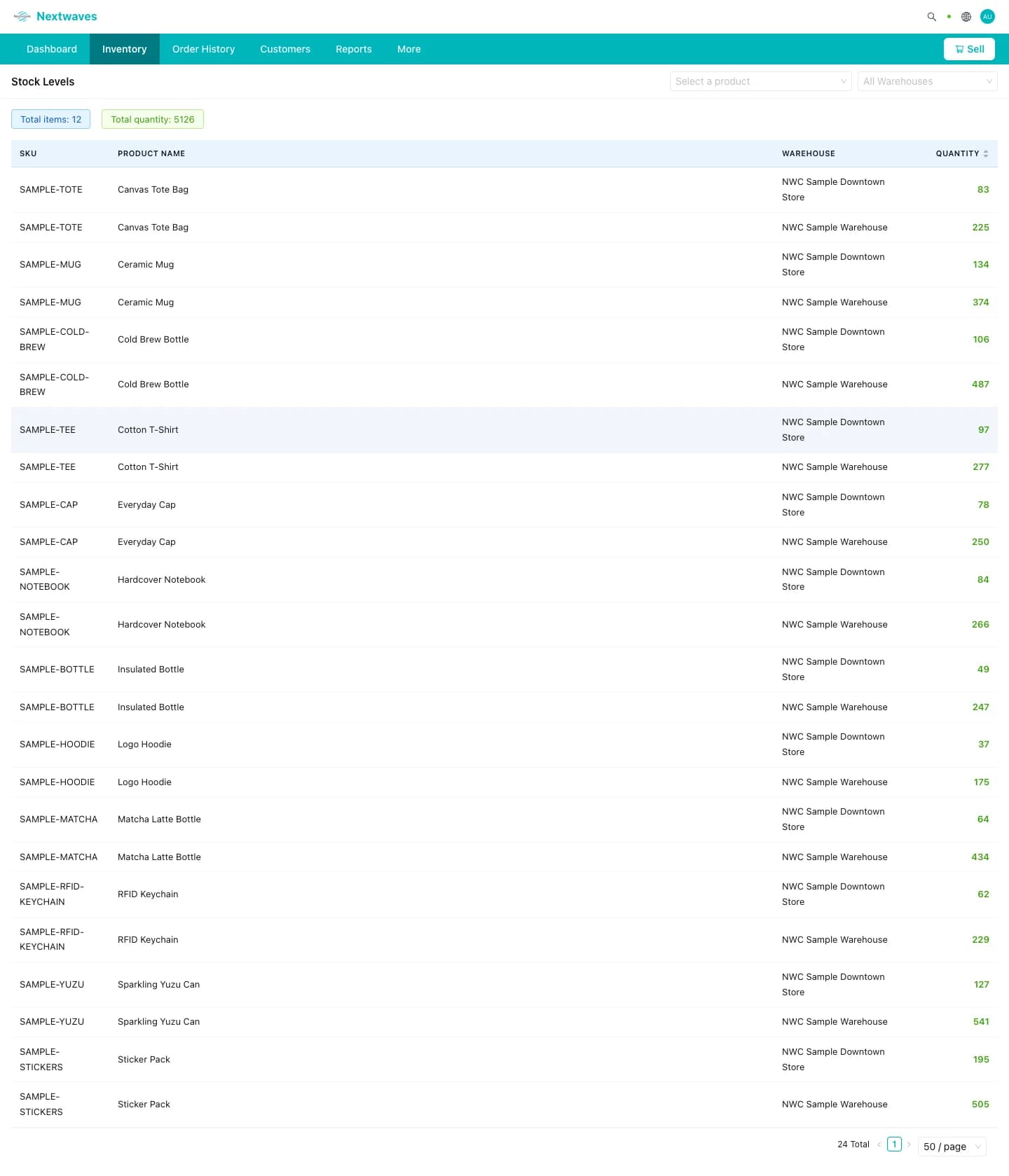
Ṣe àtúnṣe ERP rẹ̀ lẹ́sẹ̀kẹsẹ. Mọ̀ ní kíkún nígbà tí àwọn ohun èlò dé àti tí wọ́n bọ̀.
Olupese Logisitics Ẹ̀ka Kẹta ńlá kan tí ń ṣakoso àwọn apá ọkọ ayọkẹlẹ dojú kọ́ ìjìyà tó lagbara fún àìtó ìfiránṣẹ́ apá sí ilé iṣẹ́ amúgbá. Just-in-Sequence (JIS) túmọ̀ sí pé apá kan tó ṣìṣe le dá laini ọkọ ayọkẹlẹ dúró.
Ẹnu dock jẹ́ ọ̀kan lára àwọn ayika tó le jù fún RFID. ògiri irin, forklifts tó ń rìn ní iyara, àti tags tó wà lórí pallet tí a fi kún ara wọn pọ̀. A ṣe apẹrẹ fún ìtànkálẹ̀ (chaos) yìí láti ilẹ̀ dé orí. Directional antennas àti motion sensors jẹ́ kí reader ṣiṣẹ́ nikan nígbà tí ọkọ bá ń kọja àgbègbè ìdiwọn, àti kí o gba tags tí ń gbe ní itọsọna tó tọ́ nikan.
Sọfitiwia wa n darapọ taara pẹ̀lú data ASN rẹ. Kò kan “log tag seen” nikan; o ṣayẹwo pé awọn cartons tó tọ́ wà nínú pallet tó tọ, pallet náà ń lọ sí ọkọ tó tọ, àti pé kò si ohun tó sọnù láti ẹrù tí a ń retí. Afiṣesílẹ̀ (discrepancy) n fa ìkìlọ̀ lẹsẹkẹsẹ kí ilẹkun má bà a tii.
Abajade ni igbasilẹ tí a lè fidi rẹ mú, pẹlu timestamp ti sowo kọọkan. Nígbà tí alabara bá tako ìṣẹ́ (dispute) ìpèsè, o ní ẹ̀rí.
Igbésẹ̀ tó tẹ̀le ni ibi ìṣúra tí kò nílò ẹnikan láti rìn ka ilẹ̀ láti mọ ohun tí ó wà nínú rẹ. Awọn drone àti robot tí ó ni RFID le ṣe cycle counts ní alẹ́, kí wọn le ṣe ìmúdájú WMS ní ìrọ̀lẹ̀ owurọ laisi oṣiṣẹ́ kankan tó fi ọwọ́ kan scanner.
A ti n darapọ̀ data sensọ RFID pẹlu awọn awoṣe ìdánilẹkọ (predictive replenishment). Nitorinaa eto kì í ṣe kí o kan tọpa akojo iṣura; o n reti ohun tí iwọ yoo nilo, o sì n bẹ̀rẹ̀ purchase orders kí o to pari ìṣura.
Igbimọ RFID pipe fun awọn ile-iṣẹ iṣowo. So pọ, samisi, ṣayẹwo. iṣiro akojo oja pipe ni iṣẹju 15.
Ṣe àfọwọ́kọ́ọ̀rọ̀ ìmúlò rẹ. Dá àtìlẹ́yìn ipese rẹ mọ́.