Ìkó Ohun-ini & Isonu
Nítorí pé àwọn oṣiṣẹ kò lè rí ohun èlò, wọ́n ń kó ó sí àpò àti àgbá ilẹ̀. Ilé-iwosan máa ra 130% ti ọkọ̀ọ̀kan tí wọ́n nílò, ṣùgbọ́n lilo kù díẹ̀ ju 40% lọ. Mílíọ̀nù dọ́là ń jókòó láì lo.
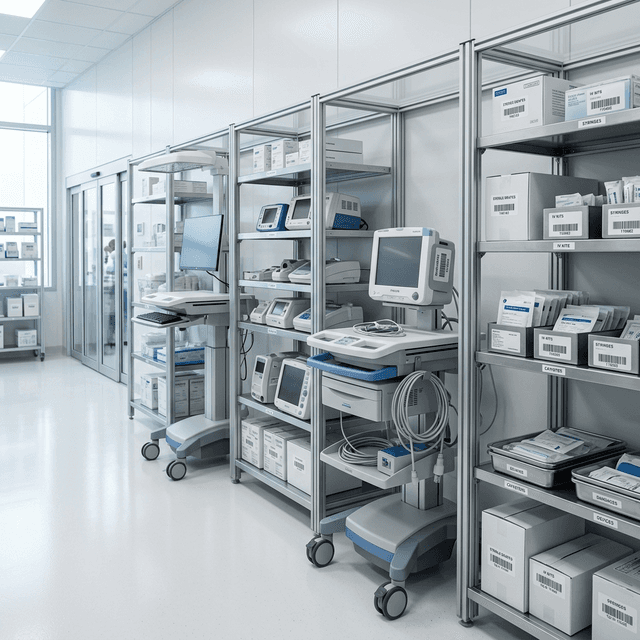

Awọn ilé-iwosan jẹ́ ayika tó ṣòro àti tó kun idamu, níbi tí awọn ìpinnu aye-ati-iku da lórí logistics. Ṣùgbọ́n nínú apapọ, nọọsi naa na 1 wakati lórí yíyẹ (shift) kọọkan - 12% ti àkókò rẹ - ní wíwá ohun èlò. Wọn ń wá IV pumps, wheelchairs, telemetry packs, àti wound vacs. Eyi jẹ́ “Hunt and Gather” ninu iṣoogun.
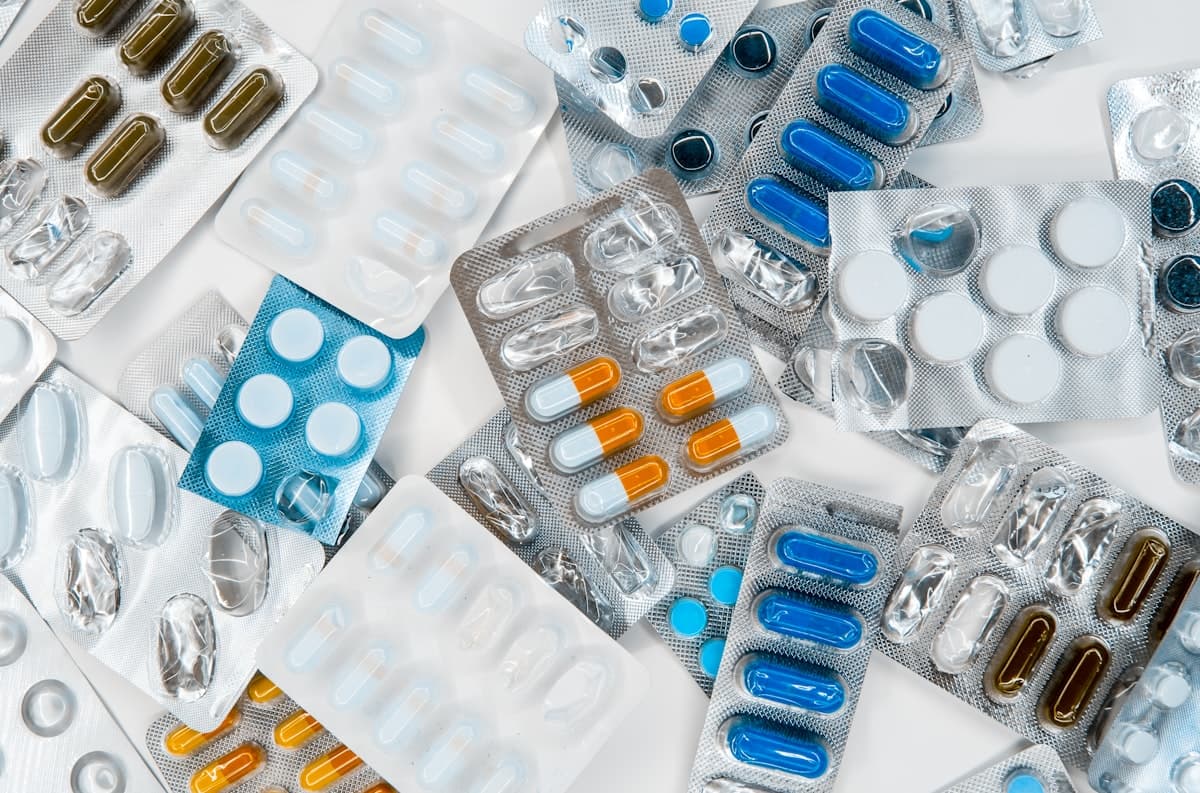
Ní kọja ohun-ìní, ìṣàkóso oogun jẹ́ ewu púpọ̀. Titele afọwọṣe ti crash carts àti medication trays n yọ oogun tó ti pé ọjọ́ sílẹ̀ láì fi sílẹ̀. Aṣiṣe akiyesi kan le fa Sentinel Event.
Pẹ̀lú ìyẹn, ìṣàn alaisan (patient flow) jẹ́ aláìmọye. Àwọn ìdènà ní ER tàbí OR dín throughput kù àti dín itẹlọrun alaisan kù. Bí kò bá sí data, àwọn alábòójútó kò le mu staffing tàbí bed turnover dara si.
Nítorí pé àwọn oṣiṣẹ kò lè rí ohun èlò, wọ́n ń kó ó sí àpò àti àgbá ilẹ̀. Ilé-iwosan máa ra 130% ti ọkọ̀ọ̀kan tí wọ́n nílò, ṣùgbọ́n lilo kù díẹ̀ ju 40% lọ. Mílíọ̀nù dọ́là ń jókòó láì lo.
Ìtúnṣe kárìtì pajawiri ní ọwọ́ jẹ́ kí aṣiṣe pọ̀. Àìrí àpò epinephrine tó ti pé jẹ́ ojúṣe. Ìyọ̀kúrò oogun (jijẹ) tún ń di àníyàn tó ń pọ̀ sí i tí àwọn igbasilẹ ọwọ́ kò lè dènà.
Mímọ̀ ohun èlò tí ó bá aláìlera ní ìbáṣepọ̀ jẹ́ pàtàkì. Láìsí àtẹ̀lé ìbáṣepọ̀ oníṣàkóso, ilé-iwosan ní láti fi gbogbo ohun-ini sí ìdènà, tó ń bàjẹ́ iṣẹ́.
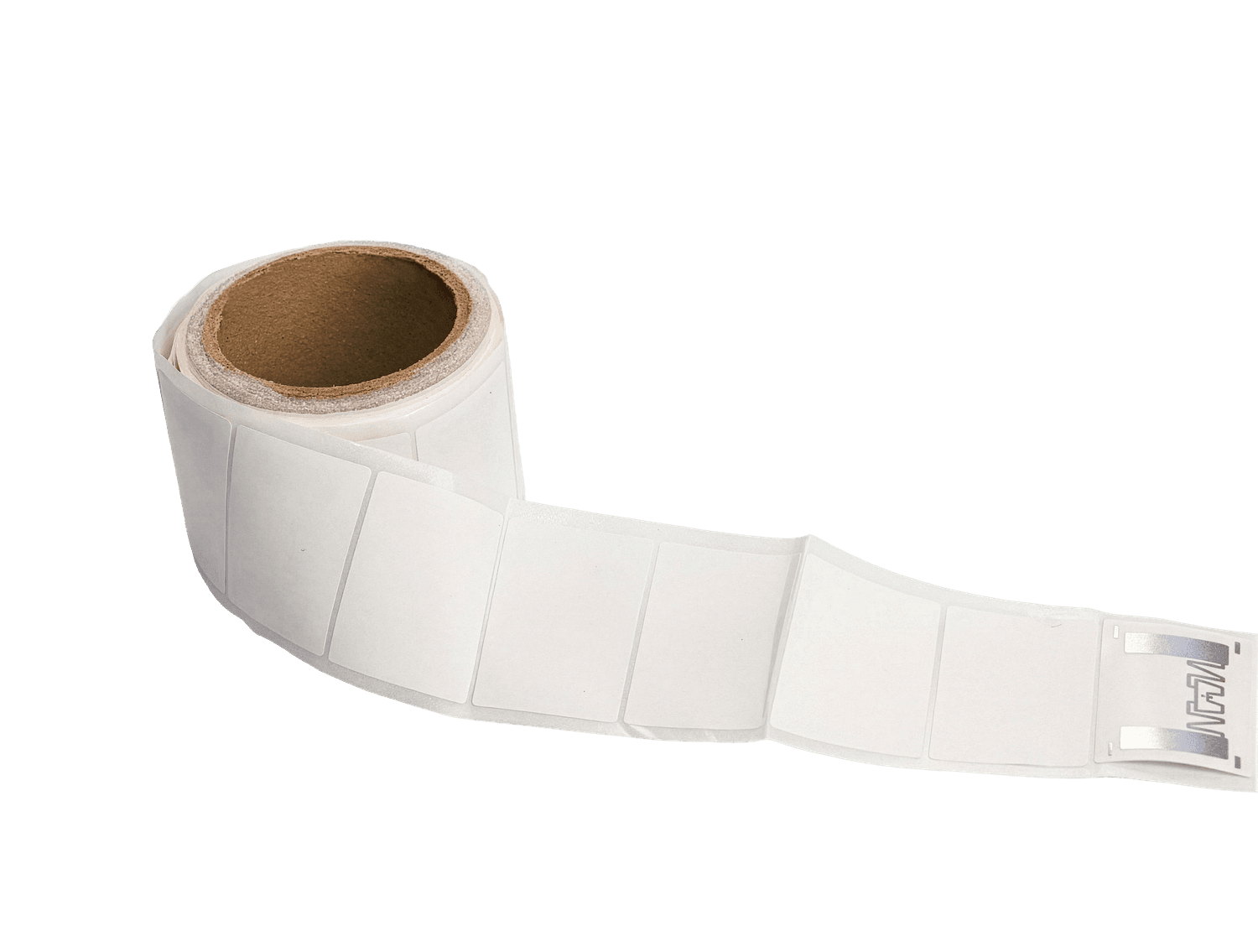
Nextwaves n ṣe eto Hybrid Real-Time Location System (RTLS). A lo Passive UHF RFID fun awọn ohun elo ènìyan-tò pọ̀ (linen, files, meds) ati awọn ohun-ini ti iye owo kò ga. Fun awọn ẹrọ ti iye-giga ti o nilo ipasẹ ipo nigbagbogbo, a nlo Active (BLE/Wi‑Fi) tracking.
Awọn “Smart Cabinets” wa n tọpa laifọwọyi gbogbo vial oogun ti a mu, ni imudojuiwọn igbasilẹ alaisan ati iṣura lẹsẹkẹsẹ. Awọn array ti a gbe sori orule n tọpa gbigbe awọn ibusun ati awọn fifa (pumps) jakejado ile-iwosan, ti wọn n ṣe afihan wọn loju maapu oni-nọmba.
Eto yii ṣẹda “Chain of Custody”. A mọ ẹni ti o mu oogun naa gan-an, fun alaisan wo, ati nigbawo. A mọ gangan ipo infusion pump, ati boya a ti sọ di mimọ rẹ lati igba lilo kẹhin.
Yẹra fún 'Àwọn Ìṣẹ̀lẹ̀ Kò Lọ́ọ̀tẹ̀'. Àyẹ̀wò aládáṣiṣẹ́ ń rí i pé ohun èlò tó tọ́, ìdá tó tọ́, aláìlera tó tọ́.
Dín ìwọn ọkọ̀ pọ̀kàn 20% nígbà tí o ń pọ̀si ìwúlò. Dákẹ́ rira àwọn pùmpù tí o kò nílò.
Fún àwọn nọọsi ní àkókò padà. Jẹ́ kí wọ́n dojukọ ìtọ́jú, kì í ṣe iṣẹ́ amáyédẹrùn.
Awọn igbasilẹ adaṣe fun The Joint Commission (TJC). Ṣe afihan mimọ ati ibamu itọju lẹsẹkẹsẹ.
Ile-iwosan àìlera tó ní ibùsùn 500 ní ìṣòro pẹ̀lú àkúnya ER àti àìní pẹ̀lú àwọn pùmpù IV. Àwọn nọọsi ń ṣàfihàn ìdádúró ní ìtọ́jú nítorí ohun èlò tí kò sí.
RFID ilera ni ìwọ̀n ààmì tó ga ju ti sósó-rẹtẹ́ili lọ. Kò si orukọ alaisan, ayẹwo (diagnosis), tàbí alaye tí ó le da ẹni kàn mọ (PII) ti a kọ si tag rara. Tags naa gbe kóòtọ token àìmọ̀ye nikan—ọ̀rọ̀ nọ́mbà kan tí ko túmọ ohunkóhun laì n wọle sí backend aabo ti o sò mọ igbasilẹ alaisan.
Lẹ́yìn data yẹn ti wa ni ìgbàfọ̀ (encrypted), iṣakoso ìwọle (access-controlled), ati audit. Awọn oṣiṣẹ ilera (clinicians) rí data nikan ti ipa wọn gba laaye. Awọn alabojuto (administrators) rí awọn ijabọ lilo. Ko si ẹnikẹ́ni ti o rí data alaisan nipasẹ ipele RFID funrararẹ. A ti ṣetan ni kikun ni ibamu HIPAA nipasẹ apẹrẹ, kì í ṣe nipa atunṣe ìlànà.
Data ipo ni ìbẹ̀rẹ̀ kan ṣoṣo. Nígbà tí o ba ni ṣiṣan tó ń lọsiwaju nipa ibi tí gbogbo ohun-ini ati alaisan wà, awọn ilana (patterns) máa farahàn. A n ṣiṣẹ lori awọn awoṣe tí ó lè sọ asọtẹlẹ ìdínà ohun elo (equipment bottlenecks) ní wakati 4–6 ṣaaju ki o ṣẹlẹ, kí awọn nọọsi oníṣègùn ní àkókò láti yàn padà ṣaaju ki itọju má ba ni ipa.
Lára ọjọ́ iwájú: awọn ibusun tí ó n ròyìn àdánù alaisan ati ìyípadà titẹ laifọwọyi, awọn smart cabinets ti ń paṣẹ atunṣe oogun kí wọn má bà a kúnà, ati iṣeto OR (operating room) tí ń yí pada ni akoko gidi gẹ́gẹ́ bí ipo ohun elo gangan, kii ṣe gẹgẹ bí amí (assumptions).
Dá àwọn kọ̀ǹpútà alágbèéká àti ohun èlò IT mọ́ pẹ̀lú àwọn ẹnu-ọ̀nà ààbò RFID, àwọn tágì anti-metal, àti àyẹ̀wò aifọwọ́rọ̀.
Jẹ ki imọ-ẹrọ ṣe abojuto wiwa. Iwọ si ṣe abojuto fipamọ.