Àìlera Àtúnṣe
Ìfọ̀rọ̀wérọ́ ọwọ́ ti ẹgbẹ̀ẹ̀rún ìwé ń fa àìlera àtúnṣe (RSI) fún oṣiṣẹ.


Awọn ile-ikawe jẹ́ awọn ibi ìjọsìn/àjọṣepọ fun agbegbe, ṣùgbọ́n awọn oníṣakoso iwe (librarians) maa n máa nímọ̀lára bíi awọn oniṣẹ́ ilé ìṣura (warehouse workers). Wakati ni a lo lati ṣayẹwo iwe ni ọwọ́ (manually) ní mímu-jade (check in) ati mímu-wọlé (check out), pínpín awọn iwe tí a da pada, ati wá awọn ohun tí a gbe sí kù (mis-shelved) nipa lilo awọn ọlọjẹ koodu-opo (barcode scanners) ní ojú-lọ́kọ.
Awọn oníbàwọlé (patrons) fẹ́ irọrun. Wọn fẹ́ mu iwe kan, jade lọ, tàbí da a pada 24/7 láì dúró si ila. Awọn ila aabo EM (traditional EM security strips) n daabobo lòdì si ole, ṣùgbọ́n wọn kò fun ile-ikawe ni oye iṣura (inventory intelligence)
Abajade ni ìrírí tí ó kun fún ìdọ̀tì (friction) níbi tí oṣiṣẹ́ nwọ́ inú awọn iṣẹ́ ìṣàkóso (administrative tasks) dípò ki wọn máa bá agbegbe sọrọ.
Ìfọ̀rọ̀wérọ́ ọwọ́ ti ẹgbẹ̀ẹ̀rún ìwé ń fa àìlera àtúnṣe (RSI) fún oṣiṣẹ.
Ìwé tí a fi sí àga tí kò tọ́ jẹ́ ìwé tí ó sọnù. Láìsí RFID, wíwá ìwé tí a fi sí àga tí kò tọ́ dà bí àwárí abẹrẹ nínú àgọ̀.
Àkókò àkúnya ń dá àwọn ilà pẹ̀lú ní tábìlì ìtànkálẹ̀, tó ń dààmú àwọn oníbàárà.
Nextwaves mu ile-ikawe wá sínú ọjọ́-ori tuntun pẹlu awọn ojútùú RFID HF/NFC ati UHF. A fi tag RFID tinrin tí a ko rí (invisible) sínú gígé (spine) tàbí ideri (cover) iwe kọọkan.
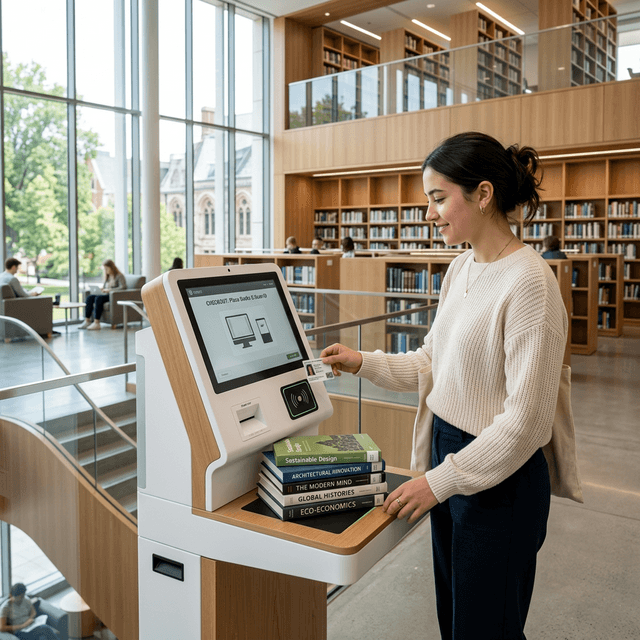
Awọn Kiosks Self-Checkout jẹ́ ki awọn oníbàwọlé kó awọn iwe 5-10 pọ̀ sí i loju pad ni ẹẹkan. Eto naa ka gbogbo wọn lẹsẹkẹsẹ, pa “security bit” danu, ki o sì tẹ̀ bi ẹ̀rí/ìjẹwọ́ (receipt) jáde ni ìsẹ́jú diẹ́.
Awọn Smart Return Chutes (AMH) gba iwe 24/7. Bí iwe ṣe ń rọ̀ lọ sí isalẹ chute, a ṣe ọlọjẹ, a ṣe check-in, ati paapaa a pinpin rẹ̀ laifọwọyi sí ọ̀fà/bins fun re-shelving. Awọn oṣiṣẹ́ le lo awọn wand ọwọ́ (handheld wands) lati ṣá gbogbo kànṣo/ila (aisle) ki wọn máa rí awọn iwe ti o sọnù lẹsẹkẹsẹ ki wọn si jẹrisi ibámu ipo wọn.
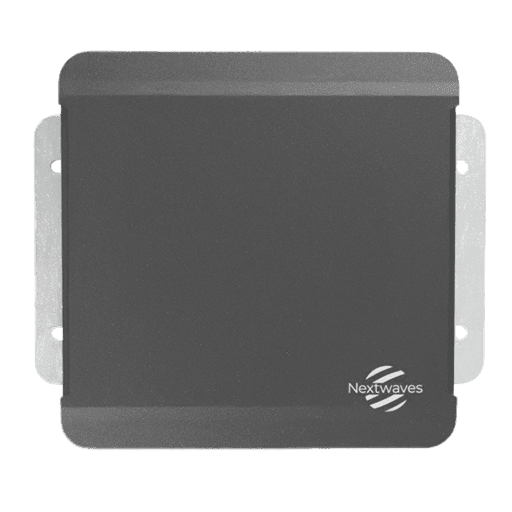
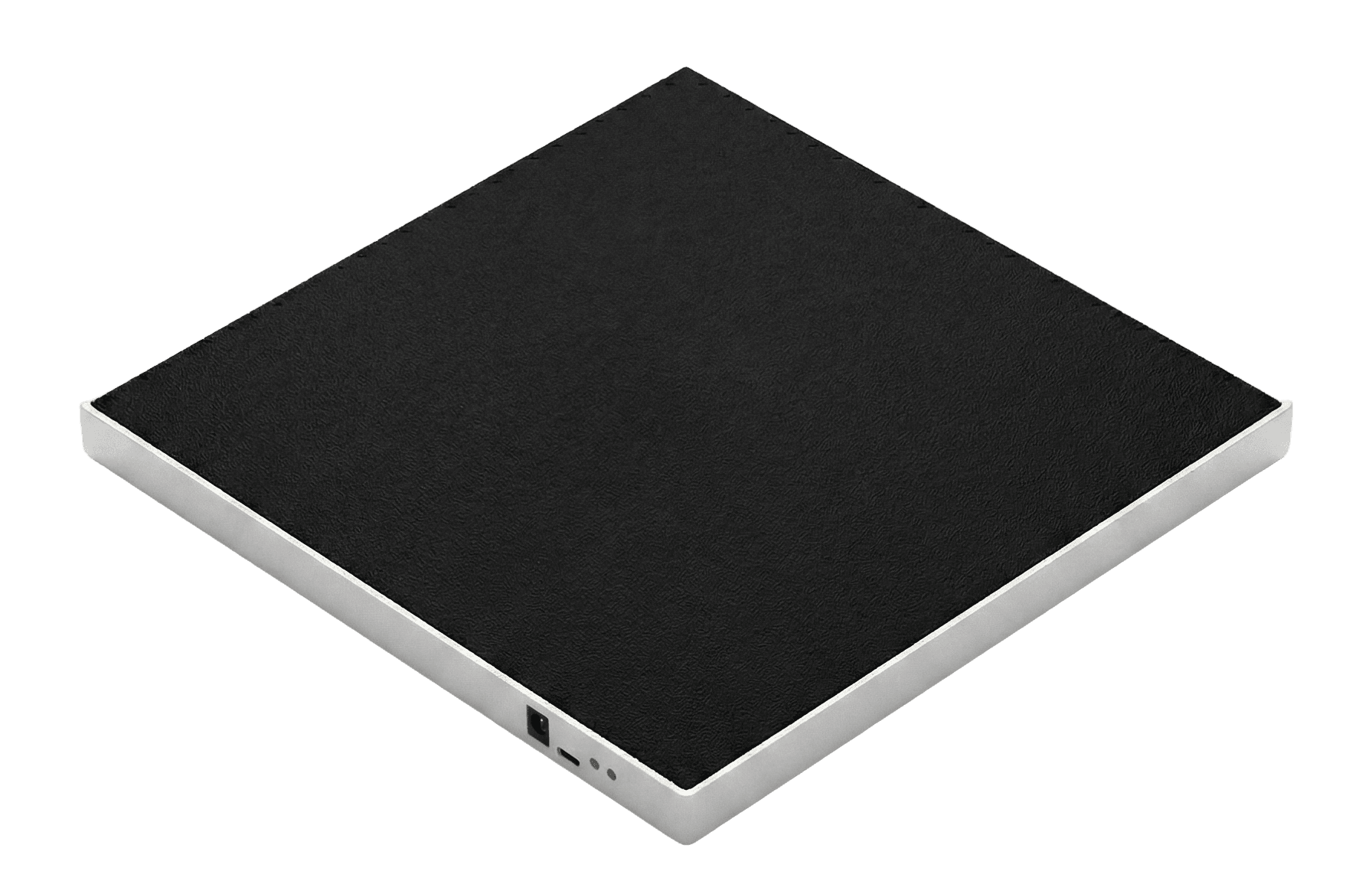
Fún àwọn oníbàárà ní agbára láti yọ̀ọ́kúrò àti padà àwọn ohun lẹ́sẹ̀kẹsẹ, dín ìtẹ̀sí pọ̀.
Wa ìwé tí a ti kọ́ sí ibi tó wà ní iṣẹ́ju-aaya nípa rìn ní àpótí pẹ̀lú ọ̀pá kan.
Ìdọ̀tí ìwé aládáṣiṣẹ́ ń ṣe àtúnṣe àkọọ́lẹ̀ oníbàárà lẹ́sẹ̀kẹsẹ.
Awọn olùkọ́wé ti yipada láti 'oníṣàkóso ìwé' sí 'amọ̀ràn ìmọ̀lára'.
Ile-ìkàwé àárín tuntun fẹ́ ṣí pẹ̀lú àpẹẹrẹ ìtànkálẹ̀ 'láìsí oṣiṣẹ' láti pọ̀ si isunawo fún àwọn ètò àgbègbè.
Yíyi gbogbo ẹ̀kúnrẹ́rẹ́ ile-ikawe (collection) sí RFID jẹ́ iṣẹ́ tí ó pọ̀, ni idi ti a fi ṣe apẹrẹ fun ìbàámu pọ̀ (co-existence). Awọn tag hybrid wa ni mejeeji barcode ti atijọ́ ati chirp RFID tuntun ninu aami (label) kanna. Nítorí náà, ILS ti o wà tẹlẹ̀ ń tẹsiwaju ṣiṣẹ́ nigba tí oṣiṣẹ́ ń rọra lọ sí awọn iṣẹ́ RFID ni iyara tiwọn.
Fun ọpọlọpọ awọn ile-ikawe gbangba, a ṣeduro HF (13.56 MHz). Sọ́rí ìṣọ̀kan kanna ni a lo fún awọn kaadi sisanwo ati awọn foonu NFC, ti o n fun ni pẹ̀lú konge to dara ati ìṣòfò ìpamọ̀ (patron privacy). Awọn archiving ile-ẹkọ́ tó tobi ti n ṣakoso ìṣura lọ́pọ̀ (bulk inventory) ti awọn ohun elo tó tó ẹgbẹ̀ẹ̀dọ́gbọ̀n ẹgbẹ̀rún n ni anfaani lati iyara UHF. A ṣe ayẹwo collection rẹ ati ṣeduro igbohunsafẹfẹ tí o tọ́, kì í ṣe ojútùú “one-size-fits-all”.
RFID jẹ́ ki awoṣe “unstaffed hours” ṣiṣẹ́ gidi. Awọn oníbàwọlé tí o forúkọ (registered) le wọ ile-ikawe pẹlu kaadi ẹgbẹ wọn, wò kiri ati check-out awọn iwe ni ominira, ki wọn si da awọn ohun pada nipasẹ awọn drops ti a ṣe adaṣe. Lọ́wọ́ òru 10pm ní ọjọ́ Tuesday, tàbí 6am ní ọjọ́ Sunday.
Eto amáyédẹrùn kanna tún ṣí ija-òye iṣura (inventory intelligence) fun oṣiṣẹ́: lilo wand ọwọ́ lati ṣá gbogbo ọna (aisle) gba iṣẹ́ ìṣẹ́jú diẹ́, o sì fi gbogbo nkan ti a gbe sí kù han. Ohun tí ó maa n gba librarian gànà ní gbogbo ìyípadà (full shift) nisisiyi gba iṣẹ́ju diẹ́ ni ibẹrẹ ọjọ́.
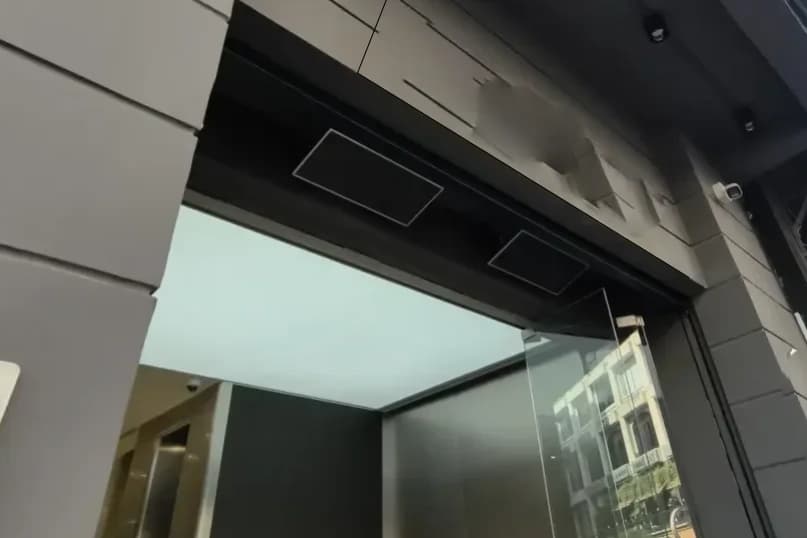
Dá àwọn kọ̀ǹpútà alágbèéká àti ohun èlò IT mọ́ pẹ̀lú àwọn ẹnu-ọ̀nà ààbò RFID, àwọn tágì anti-metal, àti àyẹ̀wò aifọwọ́rọ̀.
Ṣẹ̀dá iriri aláìlòpọ̀, àtúnṣe fún àwọn oníbàárà rẹ.