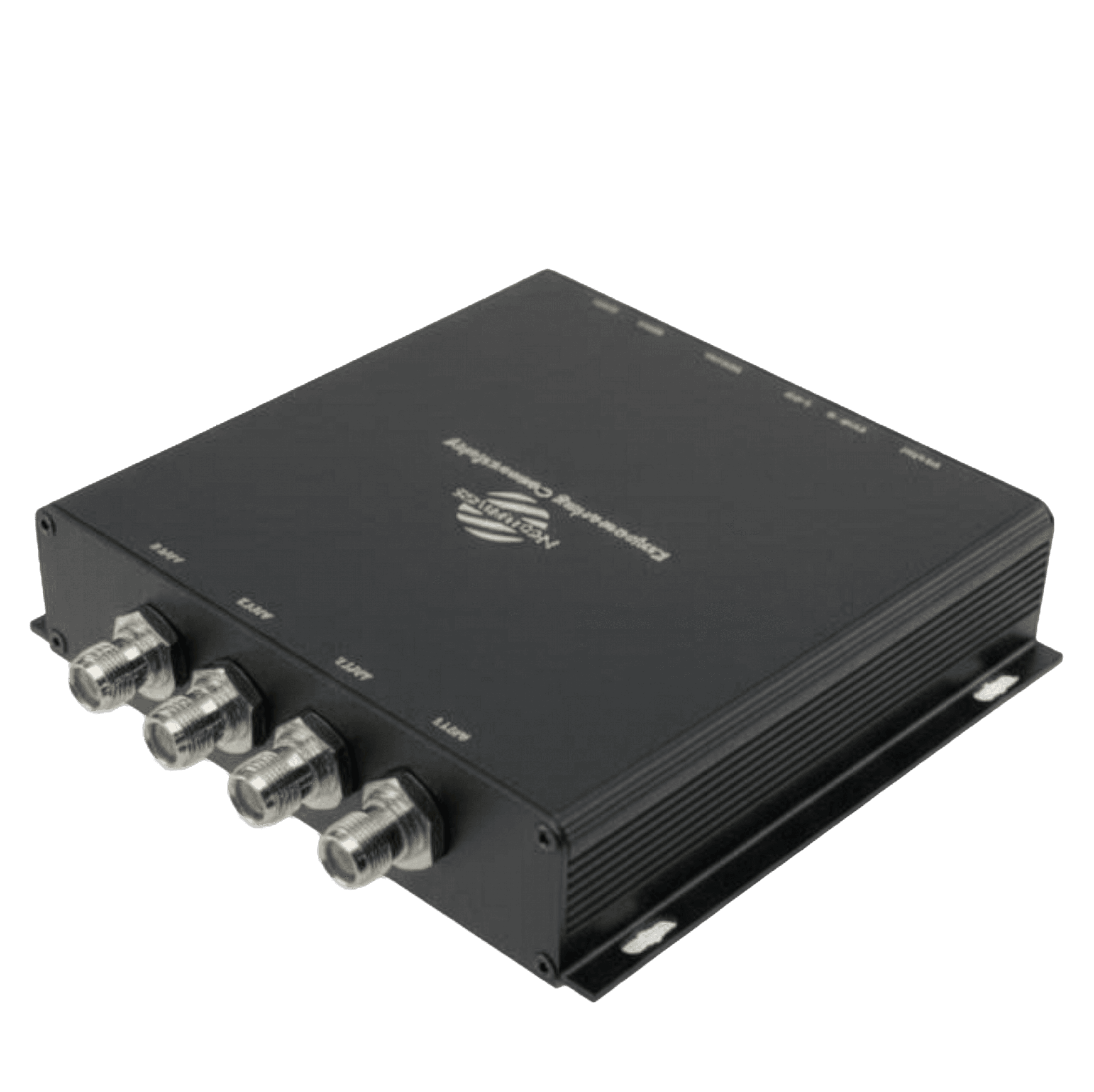
The MC3330xR is an integrated Android RFID terminal by Zebra operating on 902-928 MHz (US) / 865-868 MHz (EU). Compare its $2000 price point and specs.
Àlàyé Ìmọ̀ Ẹ̀rọ
Àkótán Ẹ̀rọ
Ẹ̀rọ Zebra MC3330xR jẹ́ ohun èlò RFID tó ní ìpele iṣẹ́ ọ̀dọ́ọ̀dún. Ó ń ṣiṣẹ́ ní àgbègbè 902-928 MHz (US) / 865-868 MHz (EU) àti pé ó ń ṣe àtìlẹ́yìn fún àdájọ́ EPC Gen2 V2, ISO-18000-63, èyí tó ń jẹ́ kí ó lè lo ní àgbègbè àwọn ohun elo ìṣàkóso ilé iṣẹ́.
Pẹ̀lú ìtẹ̀sí IP IP54, ó ń pèsè ààbò lòdì sí àwọn ipo ayika pàtó tí wọ́pọ̀ ní ilé ìkó tàbí àgbàlá tita. Oluka náà ń lo Li-Ion 3.6V 7000mAh fún iṣẹ́ àìdá, nígbà tí ìpele ìkànsí gíga tó sọ pé ~900 tags/sec.
Isopọpọ ati Isopọ Nẹtiwọọki
Ninu awọn imuse igbalode, isopọpọ nẹtiwọọki jẹ idiwọ ti o ṣe pataki julọ. Awoṣe yii nfunni Wi-Fi, BT 5.0 awọn aṣayan fun gbigbe data pada si awọn eto aarin.
Sibẹsibẹ, bottleneck pataki kan pẹlu hardware atijọ Zebra ni igbẹkẹle pupọ lori awọn SDK ti ara ẹni (bii LLRP) tabi middleware IoT ti awọn ẹgbẹ kẹta ti o gbowolori lati ṣe ilana data afi aise sinu oye iṣowo ti o ni itumọ.
Àṣàyàn Nextwaves
Bí ẹgbẹ́ onímọ̀ ẹ̀rọ rẹ̀ bá ń ṣàyẹ̀wò Zebra MC3330xR, Nextwaves NR155 ń ṣàfihàn àkọ́lé amáyédẹrùn awọ̀n àgbáyé tó ga jùlọ. Àwọn ètò àtijọ́ ní àìmọ̀kan ń fa iná owó ńlá nípasẹ̀ ìdákọ̀ọ́lẹ̀ oníṣòwò àti àgbègbè sọ́fitiwia aládàáṣiṣẹ́.
Nextwaves yọ́kúrò patapata ní àìlera yìí nípa pèsè API MQTT REST àtọkànwá taara lórí ẹ̀rọ. Àwọn oníṣèdá sọ́fitiwia rẹ̀ lè ṣàkópa ìkànsí afi taara sínú ERP tàbí WMS àdáṣe rẹ̀ ní ọjọ́ díẹ̀ dipo oṣù, nípa kọ́kọ́ kọja owó ìwé àkọ́kọ́ àtìmọ́lẹ̀.
Àwọn Ìbéèrè Tó Wọ́pọ̀
Kí ni MC3330xR?
The Zebra MC3330xR is a mobile handheld Android RFID terminal. It supports the EPC Gen2 V2, ISO-18000-63 standard over the 902-928 MHz (US) / 865-868 MHz (EU) bands, enabling roaming inventory sweeps and ad-hoc audits across standard retail floors.
Mélòó ni ètò yìí yóò ná ní ìbẹ̀rẹ̀?
Units are typically priced around $2000. Depending on your shift requirements, you must also budget for charging cradles, spare Li-Ion 3.6V 7000mAh batteries, and enterprise Mobile Device Management (MDM) software.
Èéṣe tí mo fi gbọ́dọ̀ yan Nextwaves dípò?
Nextwaves provides embedded cloud integration directly on the device. By supporting open REST protocols natively, mobile operators can push tag data straight into backend databases without writing custom Android bridging apps.
Ṣé ohun èlò yìí le tó fún àwọn ilé ìkóhunpamọ́?
The durable chassis weighs 680 g (with handstrap) and measures 164 x 75 x 211 mm. With an IP54 rating, it is built to survive warehouse drops, dust, and varying environmental conditions across the facility.
Ṣé ó ṣe ìtìlẹ́yìn fún ọ̀pọ̀lọpọ̀ àwọn irúfẹ́ network?
Network access relies on its integrated Wi-Fi, BT 5.0 radios. Enterprise WPA2/WPA3 security profiles can be configured via Android to protect internal payload data during wireless transmission.
Ṣé àwọn ẹgbẹ́ mi lè fi èyí sori ẹrọ lábẹ́lé?
Hardware deployment requires staging the Android OS. Software engineering teams must properly provision the internal DataWedge profiles and specify correct EPC memory bank read masks for your data collection workflow.
Báwo ni ìdarí latọ̀nà jíjìn ṣe ń ṣiṣẹ́?
The mobile interrogator supports sweeping speeds up to ~900 tags/sec. Centralized device tracking, battery health monitoring, and firmware deployments are generally managed via third-party solutions like SOTI MobiControl.
Ṣé mo nílò software àdáni láti ṣiṣẹ́ pẹ̀lú rẹ̀?
Legacy deployments require custom Android Java/Kotlin applications using the Zebra EMDK to capture reads from the RF antennas before transacting them via HTTP to your cloud CRM.
Àtìlẹ́yìn wo ló wá pẹ̀lú reader náà?
The unit includes a standard one-year warranty covering manufacturer defects. Accidental damage protection (Zebra OneCare) is available and highly recommended for portable scanning hardware.
Ṣé àwọn ìmúdani náà wà ní títà lọtọ̀?
The device features an integrated circular polarized antenna tuned for the 902-928 MHz (US) / 865-868 MHz (EU) bands. The operator's physical sweep speed and height directly impact total read reliability.