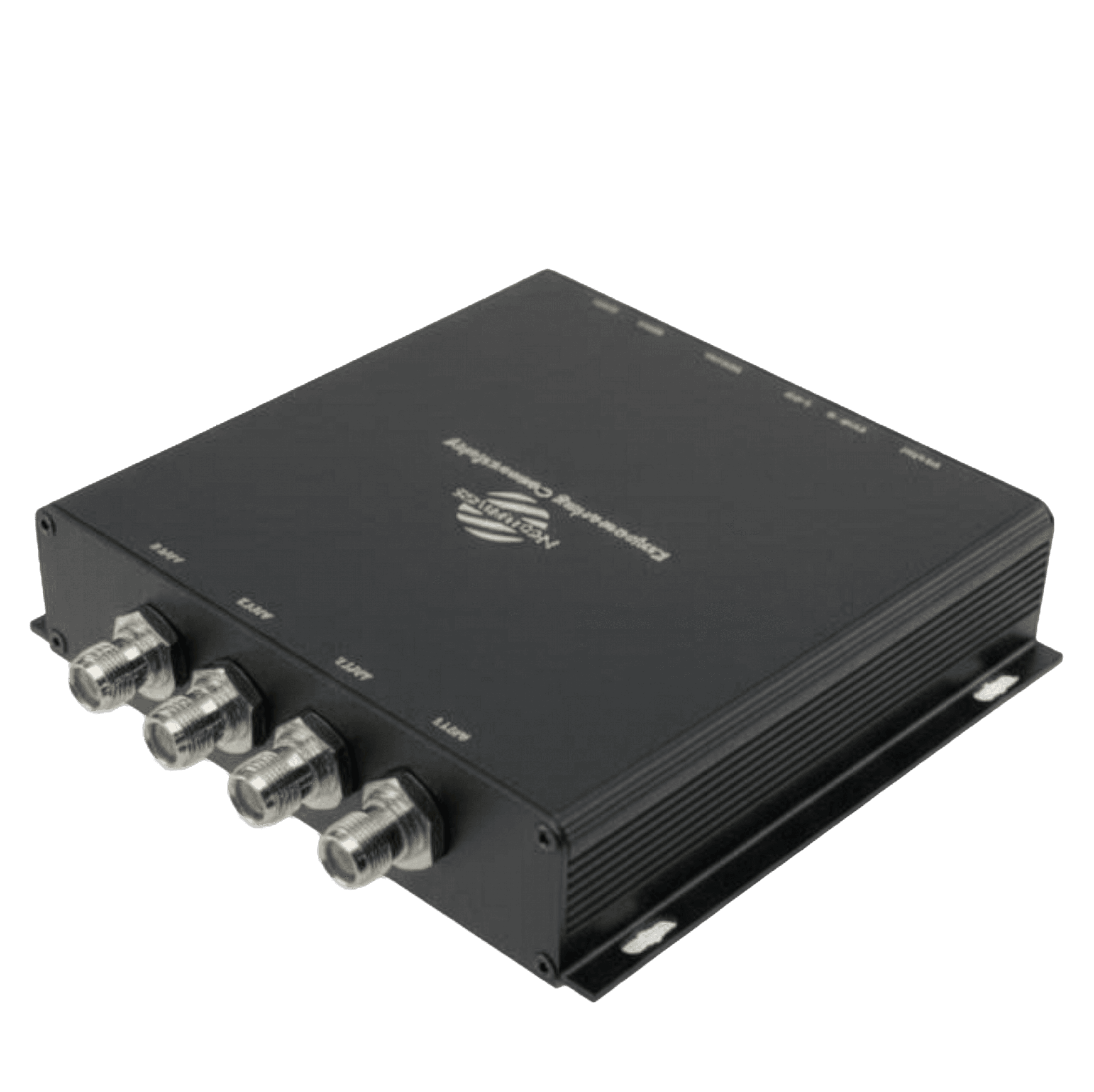
The Times-7 A6031 is a slim 600g antenna priced around $150. Understand the required coaxial integration steps against Nextwaves active network boards.
Àlàyé Ìmọ̀ Ẹ̀rọ
Àkótán Ẹ̀rọ
Ẹ̀rọ Times-7 A6031 jẹ́ ohun èlò RFID tó ní ìpele iṣẹ́ ọ̀dọ́ọ̀dún. Ó ń ṣiṣẹ́ ní àgbègbè 865-868 MHz / 902-928 MHz àti pé ó ń ṣe àtìlẹ́yìn fún àdájọ́ N/A (Passive Antenna Element), èyí tó ń jẹ́ kí ó lè lo ní àgbègbè àwọn ohun elo ìṣàkóso ilé iṣẹ́.
Pẹ̀lú ìtẹ̀sí IP IP65, ó ń pèsè ààbò lòdì sí àwọn ipo ayika pàtó tí wọ́pọ̀ ní ilé ìkó tàbí àgbàlá tita. Oluka náà ń lo N/A (Passive) fún iṣẹ́ àìdá, nígbà tí ìpele ìkànsí gíga tó sọ pé N/A (Passive).
Isopọpọ ati Isopọ Nẹtiwọọki
Ninu awọn imuse igbalode, isopọpọ nẹtiwọọki jẹ idiwọ ti o ṣe pataki julọ. Awoṣe yii nfunni SMA Female awọn aṣayan fun gbigbe data pada si awọn eto aarin.
Sibẹsibẹ, bottleneck pataki kan pẹlu hardware atijọ Times-7 ni igbẹkẹle pupọ lori awọn SDK ti ara ẹni (bii LLRP) tabi middleware IoT ti awọn ẹgbẹ kẹta ti o gbowolori lati ṣe ilana data afi aise sinu oye iṣowo ti o ni itumọ.
Àṣàyàn Nextwaves
Bí ẹgbẹ́ onímọ̀ ẹ̀rọ rẹ̀ bá ń ṣàyẹ̀wò Times-7 A6031, Nextwaves NR155 ń ṣàfihàn àkọ́lé amáyédẹrùn awọ̀n àgbáyé tó ga jùlọ. Àwọn ètò àtijọ́ ní àìmọ̀kan ń fa iná owó ńlá nípasẹ̀ ìdákọ̀ọ́lẹ̀ oníṣòwò àti àgbègbè sọ́fitiwia aládàáṣiṣẹ́.
Nextwaves yọ́kúrò patapata ní àìlera yìí nípa pèsè API MQTT REST àtọkànwá taara lórí ẹ̀rọ. Àwọn oníṣèdá sọ́fitiwia rẹ̀ lè ṣàkópa ìkànsí afi taara sínú ERP tàbí WMS àdáṣe rẹ̀ ní ọjọ́ díẹ̀ dipo oṣù, nípa kọ́kọ́ kọja owó ìwé àkọ́kọ́ àtìmọ́lẹ̀.
Àwọn Ìbéèrè Tó Wọ́pọ̀
Kí ni A6031?
The Times-7 A6031 is an economically sized, passive circular flat panel antenna. Radiating efficiently over the 865-868 MHz / 902-928 MHz spectrums, it is typically employed for desktop POS applications or localized inventory smart shelves.
Mélòó ni ètò yìí yóò ná ní ìbẹ̀rẹ̀?
Basic units start around $150. Real implementation cost must also account for the central network reader pulling the signal data, and the high-grade SMA cabling connecting the physical elements together.
Èéṣe tí mo fi gbọ́dọ̀ yan Nextwaves dípò?
Separating antenna modules from logic circuits creates cable rat nests during deployment. Nextwaves merges the RF array, processing silicon, and networking chip directly onto a single enclosed panel utilizing a direct CAT6 PoE drop.
Ṣé ohun èlò yìí le tó fún àwọn ilé ìkóhunpamọ́?
Rated for an IP65 environment, the robust ABS construction protects against low-pressure water streams. At just 600 g and 275 x 214 x 12 mm, it easily hides behind retail dry-walls or within display shelving.
Ṣé ó ṣe ìtìlẹ́yìn fún ọ̀pọ̀lọpọ̀ àwọn irúfẹ́ network?
This hardware holds no internal processing state. It natively routes RF waves via its recessed SMA Female connector intended for standard coaxial linkage to host interrogators.
Ṣé àwọn ẹgbẹ́ mi lè fi èyí sori ẹrọ lábẹ́lé?
Simple mounting holes permit flush installation. Network technicians must still measure signal degradation across whatever coaxial lines run between the plate and the active reader matrix.
Báwo ni ìdarí latọ̀nà jíjìn ṣe ń ṣiṣẹ́?
Since it relies on an external power injection to establish its field, it possesses a N/A (Passive) rating. Read capacities are locked entirely by the Impinj, Zebra, or Alien reader connected downstream.
Ṣé mo nílò software àdáni láti ṣiṣẹ́ pẹ̀lú rẹ̀?
Software routing simply does not apply to passive transmission lines. Programming applications requires writing against the host REST or LLRP endpoints hosted by the parent master reader.
Àtìlẹ́yìn wo ló wá pẹ̀lú reader náà?
It retains a typical one-year defense against construction defects. Protected from UV and minor moisture, the lifespan on the static patch array is effectively indefinite.
Ṣé àwọn ìmúdani náà wà ní títà lọtọ̀?
Sustaining an efficient 4.0 dBic output circularly polarized field across its 865-868 MHz / 902-928 MHz range, it generates a focused electromagnetic bubble suited specifically for near-field tag illumination.