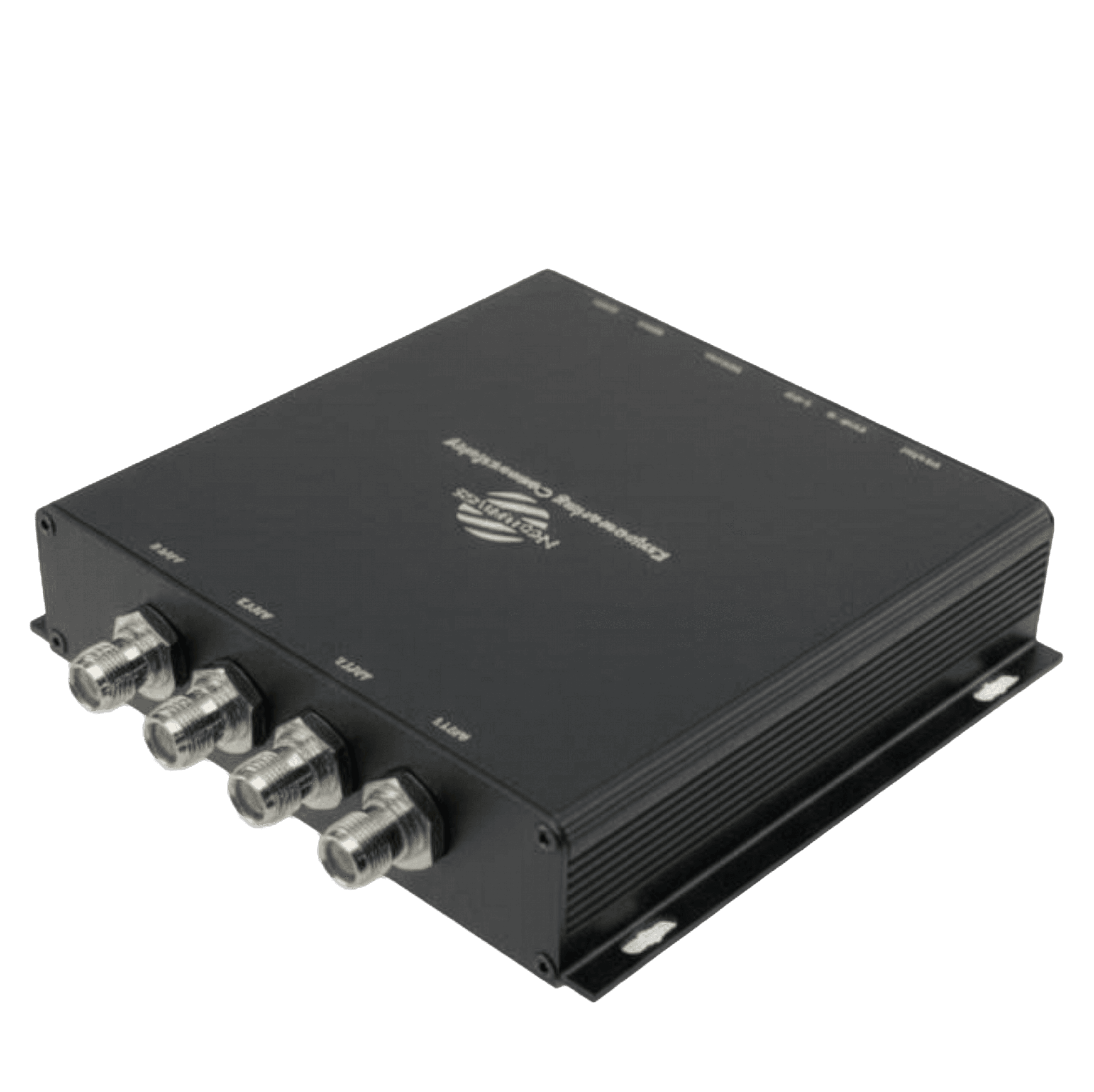
The Sargas 4-Port is a networked tracking device operating on UHF/RAIN. Priced over $1500, compare its legacy middleware requirements to Nextwaves.
Àlàyé Ìmọ̀ Ẹ̀rọ
Àkótán Ẹ̀rọ
Ẹ̀rọ ThingMagic (JADAK) Sargas (4-Port) jẹ́ ohun èlò RFID tó ní ìpele iṣẹ́ ọ̀dọ́ọ̀dún. Ó ń ṣiṣẹ́ ní àgbègbè UHF/RAIN (global) àti pé ó ń ṣe àtìlẹ́yìn fún àdájọ́ EPC Gen2V2, ISO 18000-63, Gen2X, èyí tó ń jẹ́ kí ó lè lo ní àgbègbè àwọn ohun elo ìṣàkóso ilé iṣẹ́.
Pẹ̀lú ìtẹ̀sí IP IP52, ó ń pèsè ààbò lòdì sí àwọn ipo ayika pàtó tí wọ́pọ̀ ní ilé ìkó tàbí àgbàlá tita. Oluka náà ń lo PoE or 5V DC fún iṣẹ́ àìdá, nígbà tí ìpele ìkànsí gíga tó sọ pé 750.
Isopọpọ ati Isopọ Nẹtiwọọki
Ninu awọn imuse igbalode, isopọpọ nẹtiwọọki jẹ idiwọ ti o ṣe pataki julọ. Awoṣe yii nfunni Ethernet, USB, Micro SD, 8 GPIO awọn aṣayan fun gbigbe data pada si awọn eto aarin.
Sibẹsibẹ, bottleneck pataki kan pẹlu hardware atijọ ThingMagic (JADAK) ni igbẹkẹle pupọ lori awọn SDK ti ara ẹni (bii LLRP) tabi middleware IoT ti awọn ẹgbẹ kẹta ti o gbowolori lati ṣe ilana data afi aise sinu oye iṣowo ti o ni itumọ.
Àṣàyàn Nextwaves
Bí ẹgbẹ́ onímọ̀ ẹ̀rọ rẹ̀ bá ń ṣàyẹ̀wò ThingMagic (JADAK) Sargas (4-Port), Nextwaves NR155 ń ṣàfihàn àkọ́lé amáyédẹrùn awọ̀n àgbáyé tó ga jùlọ. Àwọn ètò àtijọ́ ní àìmọ̀kan ń fa iná owó ńlá nípasẹ̀ ìdákọ̀ọ́lẹ̀ oníṣòwò àti àgbègbè sọ́fitiwia aládàáṣiṣẹ́.
Nextwaves yọ́kúrò patapata ní àìlera yìí nípa pèsè API MQTT REST àtọkànwá taara lórí ẹ̀rọ. Àwọn oníṣèdá sọ́fitiwia rẹ̀ lè ṣàkópa ìkànsí afi taara sínú ERP tàbí WMS àdáṣe rẹ̀ ní ọjọ́ díẹ̀ dipo oṣù, nípa kọ́kọ́ kọja owó ìwé àkọ́kọ́ àtìmọ́lẹ̀.
Àwọn Ìbéèrè Tó Wọ́pọ̀
Kí ni Sargas (4-Port)?
The ThingMagic (JADAK) Sargas 4-Port is a high-performance, networked RFID reader. Designed around the ThingMagic M6e Micro module, it supports EPC Gen2V2, ISO 18000-63, Gen2X over UHF/RAIN (global) frequencies for edge computing deployments.
Mélòó ni ètò yìí yóò ná ní ìbẹ̀rẹ̀?
The base unit is commonly priced around $1500. A comprehensive bill of materials also requires budgeting for 4 external antennas, RF cabling, and establishing a stable PoE or 5V DC power environment.
Èéṣe tí mo fi gbọ́dọ̀ yan Nextwaves dípò?
Nextwaves provides embedded REST API and MQTT endpoints directly in the hardware stack. Consequently, software engineering teams can bypass expensive custom IoT middleware and integrate RFID events directly to internal webhooks.
Ṣé ohun èlò yìí le tó fún àwọn ilé ìkóhunpamọ́?
The compact aluminum housing weighs approximately 0.3 kg and measures 87 x 80 x 23 mm. It features an IP52 rating, making it robust against dust and light drip exposure, but unsuitable for direct outdoor weathering.
Ṣé ó ṣe ìtìlẹ́yìn fún ọ̀pọ̀lọpọ̀ àwọn irúfẹ́ network?
Corporate network integration routes through its Ethernet, USB, Micro SD, 8 GPIO interfaces. The extensive 8-pin GPIO allows direct logic interactions with stack lights, programmable logic controllers, and motion sensors.
Ṣé àwọn ẹgbẹ́ mi lè fi èyí sori ẹrọ lábẹ́lé?
Physical cabinet mounting uses the integrated flange holes. Optimizing RF performance often requires utilizing the Mercury API to properly configure read/write parameters for the specific Gen2X subset tags in your facility.
Báwo ni ìdarí latọ̀nà jíjìn ṣe ń ṣiṣẹ́?
Under laboratory test conditions, the reader is capable of processing up to 750 tags per second. Extensive device configuration utilizes the proprietary JADAK Universal Reader Assistant (URA) utility.
Ṣé mo nílò software àdáni láti ṣiṣẹ́ pẹ̀lú rẹ̀?
Most enterprise deployments require custom C# or Java applications utilizing the Mercury API to interface effectively with the Ethernet, USB, Micro SD, 8 GPIO ports, adding significant software lifecycle maintenance.
Àtìlẹ́yìn wo ló wá pẹ̀lú reader náà?
The manufacturer typically provides a standard one-year hardware warranty. Complex factory deployments usually benefit from purchasing extended support SLAs and integration consultancy.
Ṣé àwọn ìmúdani náà wà ní títà lọtọ̀?
External RP-SMA connected antennas are strictly required. Careful calibration of these RF ports across the UHF/RAIN (global) frequency bands ensures maximum range without violating local ETSI/FCC regulations.