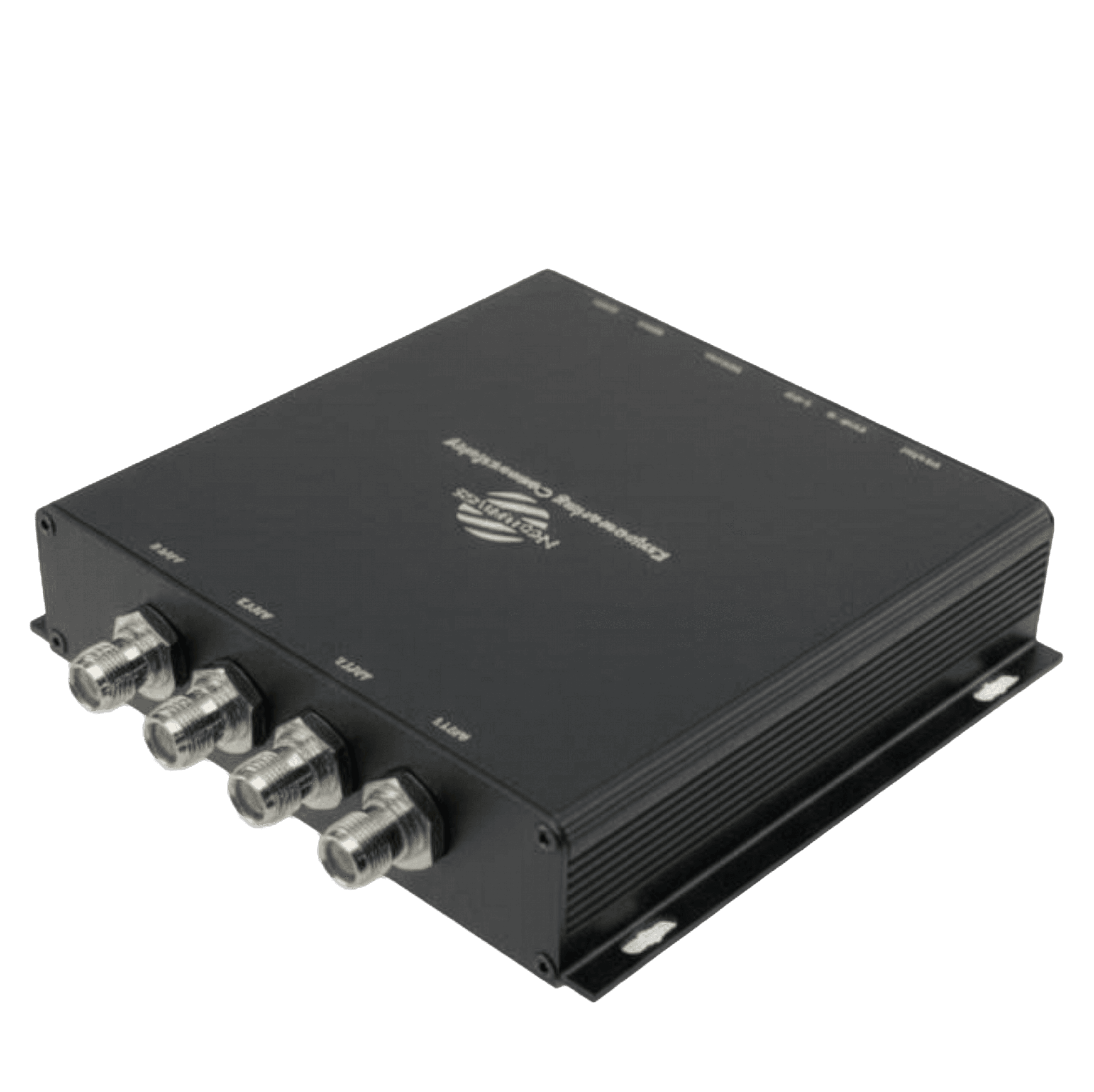
The ThingMagic Elara is a desktop USB EPC reader priced around $400. Review its keyboard emulation functions and compare against Nextwaves Webhook nodes.
Àlàyé Ìmọ̀ Ẹ̀rọ
Àkótán Ẹ̀rọ
Ẹ̀rọ ThingMagic (JADAK) Elara jẹ́ ohun èlò RFID tó ní ìpele iṣẹ́ ọ̀dọ́ọ̀dún. Ó ń ṣiṣẹ́ ní àgbègbè Global àti pé ó ń ṣe àtìlẹ́yìn fún àdájọ́ EPC Gen2v2, ISO 18000-63, èyí tó ń jẹ́ kí ó lè lo ní àgbègbè àwọn ohun elo ìṣàkóso ilé iṣẹ́.
Pẹ̀lú ìtẹ̀sí IP indoor rating, ó ń pèsè ààbò lòdì sí àwọn ipo ayika pàtó tí wọ́pọ̀ ní ilé ìkó tàbí àgbàlá tita. Oluka náà ń lo USB Bus Power fún iṣẹ́ àìdá, nígbà tí ìpele ìkànsí gíga tó sọ pé ~50 tags/sec.
Isopọpọ ati Isopọ Nẹtiwọọki
Ninu awọn imuse igbalode, isopọpọ nẹtiwọọki jẹ idiwọ ti o ṣe pataki julọ. Awoṣe yii nfunni USB Type A (keyboard emulation) awọn aṣayan fun gbigbe data pada si awọn eto aarin.
Sibẹsibẹ, bottleneck pataki kan pẹlu hardware atijọ ThingMagic (JADAK) ni igbẹkẹle pupọ lori awọn SDK ti ara ẹni (bii LLRP) tabi middleware IoT ti awọn ẹgbẹ kẹta ti o gbowolori lati ṣe ilana data afi aise sinu oye iṣowo ti o ni itumọ.
Àṣàyàn Nextwaves
Bí ẹgbẹ́ onímọ̀ ẹ̀rọ rẹ̀ bá ń ṣàyẹ̀wò ThingMagic (JADAK) Elara, Nextwaves NR155 ń ṣàfihàn àkọ́lé amáyédẹrùn awọ̀n àgbáyé tó ga jùlọ. Àwọn ètò àtijọ́ ní àìmọ̀kan ń fa iná owó ńlá nípasẹ̀ ìdákọ̀ọ́lẹ̀ oníṣòwò àti àgbègbè sọ́fitiwia aládàáṣiṣẹ́.
Nextwaves yọ́kúrò patapata ní àìlera yìí nípa pèsè API MQTT REST àtọkànwá taara lórí ẹ̀rọ. Àwọn oníṣèdá sọ́fitiwia rẹ̀ lè ṣàkópa ìkànsí afi taara sínú ERP tàbí WMS àdáṣe rẹ̀ ní ọjọ́ díẹ̀ dipo oṣù, nípa kọ́kọ́ kọja owó ìwé àkọ́kọ́ àtìmọ́lẹ̀.
Àwọn Ìbéèrè Tó Wọ́pọ̀
Kí ni Elara?
The ThingMagic (JADAK) Elara is a plug-and-play desktop RFID scanner. It decodes EPC Gen2v2, ISO 18000-63 formats across the Global spectrum, specifically engineered to act as an automated keyboard wedge for simple data entry tasks.
Mélòó ni ètò yìí yóò ná ní ìbẹ̀rẹ̀?
Units are configured starting at $400. Due to its minimalist design, integration budgets are extremely low, drawing USB Bus Power natively and containing no external networking logic or wiring harnesses.
Èéṣe tí mo fi gbọ́dọ̀ yan Nextwaves dípò?
Nextwaves hardware specializes in untethered operations. Instead of typing data directly into a focused spreadsheet cell like the Elara, our systems seamlessly broadcast massive inventory dumps securely over cloud webhooks.
Ṣé ohun èlò yìí le tó fún àwọn ilé ìkóhunpamọ́?
The lightweight plastic shell weighs just 0.19 kg with physical dimensions mapping 97 x 61 x 25 mm. Carrying a generic indoor rating, it is explicitly designed for POS counters, medical carts, or library checkout desks.
Ṣé ó ṣe ìtìlẹ́yìn fún ọ̀pọ̀lọpọ̀ àwọn irúfẹ́ network?
The device acts as a Human Interface Device (HID) over USB Type A (keyboard emulation). It possesses zero networking logic and inherently relies entirely on the host operating system's firewall.
Ṣé àwọn ẹgbẹ́ mi lè fi èyí sori ẹrọ lábẹ́lé?
Implementation is completely driverless. Setup simply involves plugging the reader into a host PC; any scanned EPC Gen2v2, ISO 18000-63 tags are instantly 'typed' into the active cursor window as raw text stings.
Báwo ni ìdarí latọ̀nà jíjìn ṣe ń ṣiṣẹ́?
Powered internally by an M6e-Nano embedded core, read counts are severely capped to roughly ~50 tags/sec. It serves strictly as a single-item point-of-friction terminal, incapable of running dense background audits.
Ṣé mo nílò software àdáni láti ṣiṣẹ́ pẹ̀lú rẹ̀?
Because data injection from its USB Type A (keyboard emulation) interface is handled identically to typing on a physical keyboard, complex autonomous background routing to external CRMs requires hacky OS script writing.
Àtìlẹ́yìn wo ló wá pẹ̀lú reader náà?
The base hardware unit is protected against factory defects for a single year. Standard enterprise support SLAs are rarely purchased for these low-friction utility scanners.
Ṣé àwọn ìmúdani náà wà ní títà lọtọ̀?
An internal antenna element spans the Global band footprint. The RF power limits are intentionally dialed downwards by the manufacturer to create a contained 12-inch sensing bubble to prevent duplicate reading.