Laird S8658PL/PR Atunwo: Awọn pato ati Awọn aṣayan

Nextwaves Engineering··Atunwo Hardware·3 ìkànsí iṣẹ́ju

The Laird S8658PL/PR is an ETSI targeted passive array for $150. Analyze the complex deployment costs against standalone active arrays.

Àlàyé Ìmọ̀ Ẹ̀rọ

Igbohunsafẹfẹ865-868 MHz (ETSI)
IlanaN/A (Passive Antenna Element)
Ìbáṣepọ̀Coaxial Type N / SMA
Ìtẹ̀sí IPIP54
Ìwọn260 x 260 x 33 mm
Iwuwo1.04 kg
Orísun AgbaraN/A (Passive)
Ipele ÌkànsíN/A (Passive)
Ìye Owó Tó Yẹ̀$150

Àkótán Ẹ̀rọ

Ẹ̀rọ Laird S8658PL/PR jẹ́ ohun èlò RFID tó ní ìpele iṣẹ́ ọ̀dọ́ọ̀dún. Ó ń ṣiṣẹ́ ní àgbègbè 865-868 MHz (ETSI) àti pé ó ń ṣe àtìlẹ́yìn fún àdájọ́ N/A (Passive Antenna Element), èyí tó ń jẹ́ kí ó lè lo ní àgbègbè àwọn ohun elo ìṣàkóso ilé iṣẹ́.

Pẹ̀lú ìtẹ̀sí IP IP54, ó ń pèsè ààbò lòdì sí àwọn ipo ayika pàtó tí wọ́pọ̀ ní ilé ìkó tàbí àgbàlá tita. Oluka náà ń lo N/A (Passive) fún iṣẹ́ àìdá, nígbà tí ìpele ìkànsí gíga tó sọ pé N/A (Passive).

Isopọpọ ati Isopọ Nẹtiwọọki

Ninu awọn imuse igbalode, isopọpọ nẹtiwọọki jẹ idiwọ ti o ṣe pataki julọ. Awoṣe yii nfunni Coaxial Type N / SMA awọn aṣayan fun gbigbe data pada si awọn eto aarin.

Sibẹsibẹ, bottleneck pataki kan pẹlu hardware atijọ Laird ni igbẹkẹle pupọ lori awọn SDK ti ara ẹni (bii LLRP) tabi middleware IoT ti awọn ẹgbẹ kẹta ti o gbowolori lati ṣe ilana data afi aise sinu oye iṣowo ti o ni itumọ.

Àṣàyàn Nextwaves

Bí ẹgbẹ́ onímọ̀ ẹ̀rọ rẹ̀ bá ń ṣàyẹ̀wò Laird S8658PL/PR, Nextwaves NR155 ń ṣàfihàn àkọ́lé amáyédẹrùn awọ̀n àgbáyé tó ga jùlọ. Àwọn ètò àtijọ́ ní àìmọ̀kan ń fa iná owó ńlá nípasẹ̀ ìdákọ̀ọ́lẹ̀ oníṣòwò àti àgbègbè sọ́fitiwia aládàáṣiṣẹ́.

Nextwaves yọ́kúrò patapata ní àìlera yìí nípa pèsè API MQTT REST àtọkànwá taara lórí ẹ̀rọ. Àwọn oníṣèdá sọ́fitiwia rẹ̀ lè ṣàkópa ìkànsí afi taara sínú ERP tàbí WMS àdáṣe rẹ̀ ní ọjọ́ díẹ̀ dipo oṣù, nípa kọ́kọ́ kọja owó ìwé àkọ́kọ́ àtìmọ́lẹ̀.

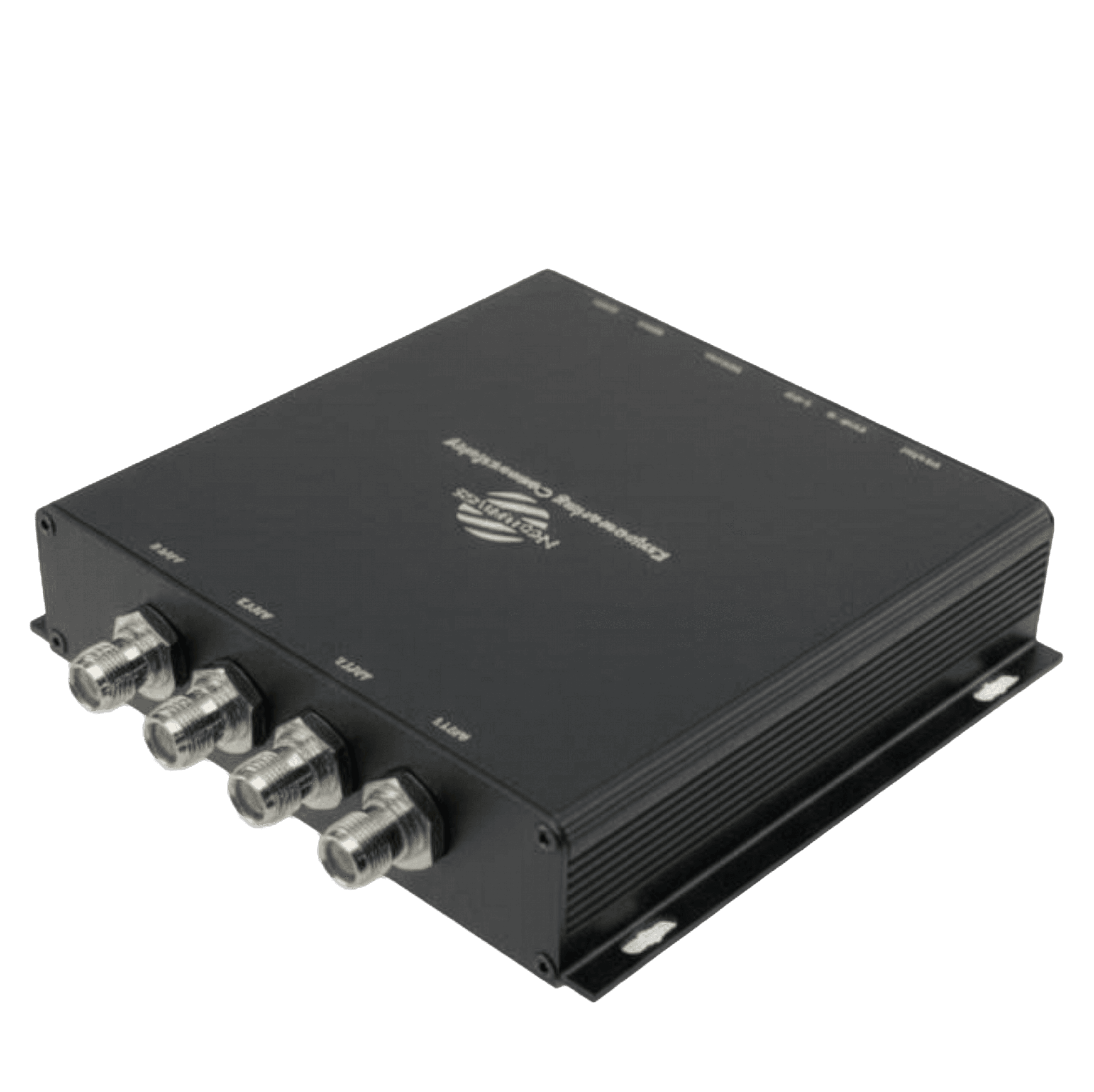
Àwọn Ìbéèrè Tó Wọ́pọ̀

Kí ni S8658PL/PR?

The Laird S8658PL (Left-Hand) and PR (Right-Hand) operate as dedicated EU passive antenna fields. Confined locally to 865-868 MHz (ETSI) bands, they broadcast focused electromagnetic waves initiated by external centralized readers.

Mélòó ni ètò yìí yóò ná ní ìbẹ̀rẹ̀?

Panels carry roughly a $150 price tag. This does not factor for high-end active processing blocks, coaxial lengths routing behind drywalls, or custom software routing required on the parent MCU.

Èéṣe tí mo fi gbọ́dọ̀ yan Nextwaves dípò?

Traditional RFID involves bolting passive antennas to ceilings and dragging coax cables back to central IT closets. Nextwaves simply places a standalone active array directly onto the ceiling, hooked securely to straightforward PoE systems.

Ṣé ohun èlò yìí le tó fún àwọn ilé ìkóhunpamọ́?

Protected by standard IP54 seals, the 260 x 260 x 33 mm casing weighs 1.04 kg. It defends against factory dust perfectly, but risks catastrophic internal failure during localized high-pressure wash-down environments.

Ṣé ó ṣe ìtìlẹ́yìn fún ọ̀pọ̀lọpọ̀ àwọn irúfẹ́ network?

It completely lacks native Ethernet, Wi-Fi, or Bluetooth stacks. Transmitting voltage impulses occurs physically through Coaxial Type N / SMA connections tied intimately back to the active reader.

Ṣé àwọn ẹgbẹ́ mi lè fi èyí sori ẹrọ lábẹ́lé?

Mounting requires securely anchoring heavy-duty articulating joints. Successful logic implementation requires measuring VSWR tolerances to tune the active reader compensating for coaxial decibel attenuation.

Báwo ni ìdarí latọ̀nà jíjìn ṣe ń ṣiṣẹ́?

Governed by N/A (Passive) dynamics, the speed of tag collection correlates precisely to the processing rate of the interrogator board powering the matrix.

Ṣé mo nílò software àdáni láti ṣiṣẹ́ pẹ̀lú rẹ̀?

Middleware stacks are fully divorced from this hardware. Engineers execute tag reading logic and REST webhooks exclusively on the Linux systems baked into the core reader managing the voltage logic.

Àtìlẹ́yìn wo ló wá pẹ̀lú reader náà?

Protected by fundamental 1-year product fault protections. The static internal patch framework functions virtually indefinitely absent violent warehouse pallet crashes.

Ṣé àwọn ìmúdani náà wà ní títà lọtọ̀?

Delivering exactly 8.5 dBic localized gain, mixing Left and Right Circularly Polarized patterns over the 865-868 MHz (ETSI) block nullifies aggressive 'deep fade' interference inside cluttered warehouses.