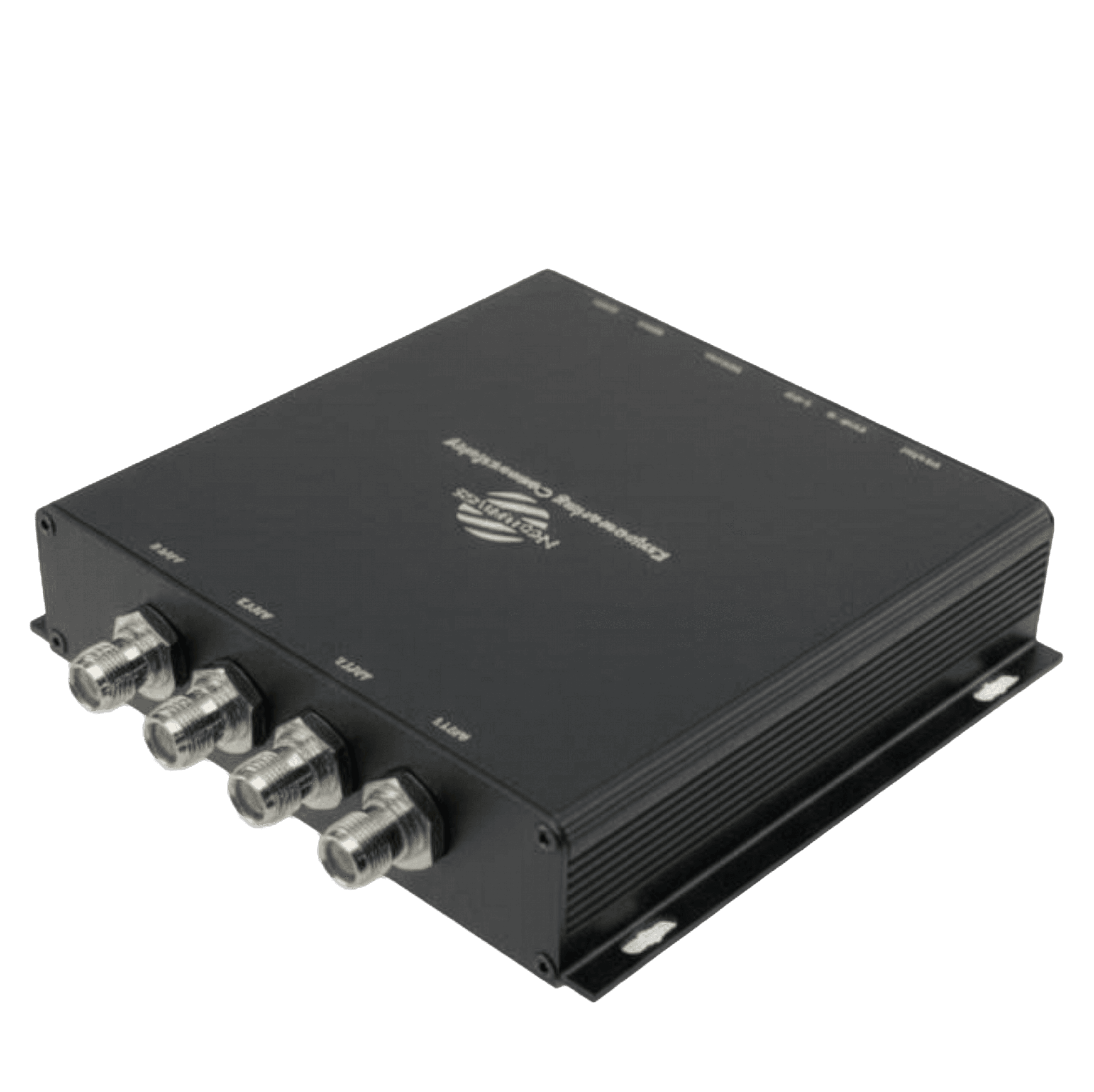
The Honeywell IH25 is a Bluetooth sled tracking device starting around $1000. Learn about its smartphone pairing requirements and comparison to Nextwaves.
Àlàyé Ìmọ̀ Ẹ̀rọ
Àkótán Ẹ̀rọ
Ẹ̀rọ Honeywell IH25 jẹ́ ohun èlò RFID tó ní ìpele iṣẹ́ ọ̀dọ́ọ̀dún. Ó ń ṣiṣẹ́ ní àgbègbè 865-868 MHz / 902-928 MHz àti pé ó ń ṣe àtìlẹ́yìn fún àdájọ́ EPC Gen2 V2, èyí tó ń jẹ́ kí ó lè lo ní àgbègbè àwọn ohun elo ìṣàkóso ilé iṣẹ́.
Pẹ̀lú ìtẹ̀sí IP IP54, ó ń pèsè ààbò lòdì sí àwọn ipo ayika pàtó tí wọ́pọ̀ ní ilé ìkó tàbí àgbàlá tita. Oluka náà ń lo Li-Poly 3.8V 4000mAh fún iṣẹ́ àìdá, nígbà tí ìpele ìkànsí gíga tó sọ pé ~600 tags/sec.
Isopọpọ ati Isopọ Nẹtiwọọki
Ninu awọn imuse igbalode, isopọpọ nẹtiwọọki jẹ idiwọ ti o ṣe pataki julọ. Awoṣe yii nfunni Bluetooth 5.0, BLE awọn aṣayan fun gbigbe data pada si awọn eto aarin.
Sibẹsibẹ, bottleneck pataki kan pẹlu hardware atijọ Honeywell ni igbẹkẹle pupọ lori awọn SDK ti ara ẹni (bii LLRP) tabi middleware IoT ti awọn ẹgbẹ kẹta ti o gbowolori lati ṣe ilana data afi aise sinu oye iṣowo ti o ni itumọ.
Àṣàyàn Nextwaves
Bí ẹgbẹ́ onímọ̀ ẹ̀rọ rẹ̀ bá ń ṣàyẹ̀wò Honeywell IH25, Nextwaves NR155 ń ṣàfihàn àkọ́lé amáyédẹrùn awọ̀n àgbáyé tó ga jùlọ. Àwọn ètò àtijọ́ ní àìmọ̀kan ń fa iná owó ńlá nípasẹ̀ ìdákọ̀ọ́lẹ̀ oníṣòwò àti àgbègbè sọ́fitiwia aládàáṣiṣẹ́.
Nextwaves yọ́kúrò patapata ní àìlera yìí nípa pèsè API MQTT REST àtọkànwá taara lórí ẹ̀rọ. Àwọn oníṣèdá sọ́fitiwia rẹ̀ lè ṣàkópa ìkànsí afi taara sínú ERP tàbí WMS àdáṣe rẹ̀ ní ọjọ́ díẹ̀ dipo oṣù, nípa kọ́kọ́ kọja owó ìwé àkọ́kọ́ àtìmọ́lẹ̀.
Àwọn Ìbéèrè Tó Wọ́pọ̀
Kí ni IH25?
The Honeywell IH25 is a Bluetooth-enabled UHF RFID sled designed to pair with existing mobile computers. It supports EPC Gen2 V2 logic over the 865-868 MHz / 902-928 MHz blocks, enabling ad-hoc retail tagging and inventory scans.
Mélòó ni ètò yìí yóò ná ní ìbẹ̀rẹ̀?
The sled attachment is generally priced at $1000. Facilities must calculate the combined cost: the sled itself, Li-Poly 3.8V 4000mAh replacement batteries, and the secondary smartphone/terminal required to drive the UI.
Èéṣe tí mo fi gbọ́dọ̀ yan Nextwaves dípò?
Nextwaves hardware features embedded connectivity processors that eliminate the need to tether a smartphone via Bluetooth. Operators achieve direct web-to-cloud architectures devoid of messy local GATT profile synchronization.
Ṣé ohun èlò yìí le tó fún àwọn ilé ìkóhunpamọ́?
The sled unit weighs 430 g (without mobile) and measures 185 x 77.8 x 147 mm. Rated IP54, it prevents ingress against daily dust buildup and splashes, making it primarily suited to retail backrooms and clean logistics hubs.
Ṣé ó ṣe ìtìlẹ́yìn fún ọ̀pọ̀lọpọ̀ àwọn irúfẹ́ network?
Communications operate entirely via Bluetooth 5.0, BLE protocols. This connects the trigger assembly and RFID module strictly to a host smartphone rather than natively to enterprise Wi-Fi routers.
Ṣé àwọn ẹgbẹ́ mi lè fi èyí sori ẹrọ lábẹ́lé?
Physical assembly requires locking the host mobile device into the mounting adapter. Software developers must integrate Honeywell Android/iOS SDK libraries into a custom application to establish the BLE handshake and commence scanning.
Báwo ni ìdarí latọ̀nà jíjìn ṣe ń ṣiṣẹ́?
Under continuous trigger holds, the sled yields approx ~600 tags/sec. Sled firmware updates and administration require flashing via the host Android or iOS terminal utility.
Ṣé mo nílò software àdáni láti ṣiṣẹ́ pẹ̀lú rẹ̀?
A complete system dictates writing custom Android/iOS applications to act as an intermediary bridge, taking Bluetooth 5.0, BLE tag arrays and packaging them into HTTPS payloads for external CRMs.
Àtìlẹ́yìn wo ló wá pẹ̀lú reader náà?
Honeywell includes a one-year factory defect warranty on physical parts. Authorized integrators often attach comprehensive service tier contracts covering both the sled and the host mobile device pair.
Ṣé àwọn ìmúdani náà wà ní títà lọtọ̀?
A built-in polarized antenna sweeps the environment for tags across the 865-868 MHz / 902-928 MHz limits. Read stability depends on maintaining a short optical path between the sled face and the target asset.