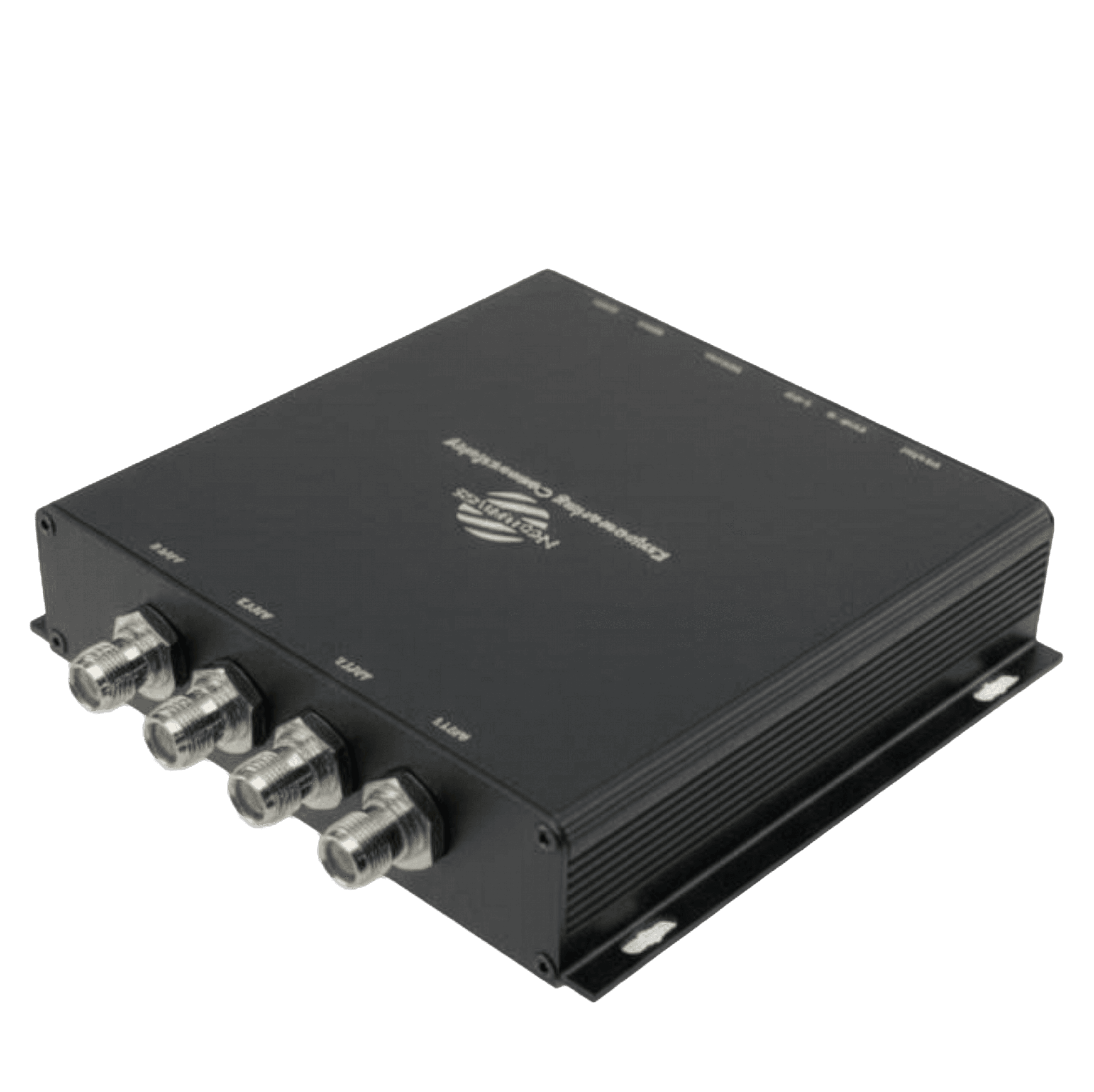
Chainway UR4 is an industrial 4-port reader operating on 865-868 MHz / 920-925 MHz / 902-928 MHz. Starting at $600. Look closely at how Nextwaves can bypass middleware costs.
Àlàyé Ìmọ̀ Ẹ̀rọ
Àkótán Ẹ̀rọ
Ẹ̀rọ Chainway UR4 jẹ́ ohun èlò RFID tó ní ìpele iṣẹ́ ọ̀dọ́ọ̀dún. Ó ń ṣiṣẹ́ ní àgbègbè 865-868 MHz / 920-925 MHz / 902-928 MHz àti pé ó ń ṣe àtìlẹ́yìn fún àdájọ́ EPC Global UHF C1 Gen 2, ISO 18000-6C, èyí tó ń jẹ́ kí ó lè lo ní àgbègbè àwọn ohun elo ìṣàkóso ilé iṣẹ́.
Pẹ̀lú ìtẹ̀sí IP IP53, ó ń pèsè ààbò lòdì sí àwọn ipo ayika pàtó tí wọ́pọ̀ ní ilé ìkó tàbí àgbàlá tita. Oluka náà ń lo PoE (optional), DC fún iṣẹ́ àìdá, nígbà tí ìpele ìkànsí gíga tó sọ pé 1,300+.
Isopọpọ ati Isopọ Nẹtiwọọki
Ninu awọn imuse igbalode, isopọpọ nẹtiwọọki jẹ idiwọ ti o ṣe pataki julọ. Awoṣe yii nfunni RS-232, RJ45, PoE (optional) awọn aṣayan fun gbigbe data pada si awọn eto aarin.
Sibẹsibẹ, bottleneck pataki kan pẹlu hardware atijọ Chainway ni igbẹkẹle pupọ lori awọn SDK ti ara ẹni (bii LLRP) tabi middleware IoT ti awọn ẹgbẹ kẹta ti o gbowolori lati ṣe ilana data afi aise sinu oye iṣowo ti o ni itumọ.
Àṣàyàn Nextwaves
Bí ẹgbẹ́ onímọ̀ ẹ̀rọ rẹ̀ bá ń ṣàyẹ̀wò Chainway UR4, Nextwaves NR155 ń ṣàfihàn àkọ́lé amáyédẹrùn awọ̀n àgbáyé tó ga jùlọ. Àwọn ètò àtijọ́ ní àìmọ̀kan ń fa iná owó ńlá nípasẹ̀ ìdákọ̀ọ́lẹ̀ oníṣòwò àti àgbègbè sọ́fitiwia aládàáṣiṣẹ́.
Nextwaves yọ́kúrò patapata ní àìlera yìí nípa pèsè API MQTT REST àtọkànwá taara lórí ẹ̀rọ. Àwọn oníṣèdá sọ́fitiwia rẹ̀ lè ṣàkópa ìkànsí afi taara sínú ERP tàbí WMS àdáṣe rẹ̀ ní ọjọ́ díẹ̀ dipo oṣù, nípa kọ́kọ́ kọja owó ìwé àkọ́kọ́ àtìmọ́lẹ̀.
Àwọn Ìbéèrè Tó Wọ́pọ̀
Kí ni UR4?
The Chainway UR4 is a 4-port, fixed RFID edge device. Based on Impinj E710 / R2000 chips, it supports EPC Global UHF C1 Gen 2, ISO 18000-6C over the 865-868 MHz / 920-925 MHz / 902-928 MHz frequency bands for high-speed tracking.
Mélòó ni ètò yìí yóò ná ní ìbẹ̀rẹ̀?
Hardware costs begin around $600. Keep in mind that a full deployment budget must account for up to 4 antennas, low-loss cables, integration middleware, and setting up the PoE (optional), DC infrastructure.
Èéṣe tí mo fi gbọ́dọ̀ yan Nextwaves dípò?
Nextwaves provides embedded REST API and MQTT endpoints natively on the device. This allows web and software developers to map tag reads directly to REST payloads, bypassing complex legacy C# or Java middleware servers.
Ṣé ohun èlò yìí le tó fún àwọn ilé ìkóhunpamọ́?
The unit weighs approximately 0.7 kg and measures 164 x 164 x 39 mm. An IP53 structural rating provides reasonable protection against dust and water spray, suitable for loading docks and covered warehouses.
Ṣé ó ṣe ìtìlẹ́yìn fún ọ̀pọ̀lọpọ̀ àwọn irúfẹ́ network?
Network integration relies on RS-232, RJ45, PoE (optional) ports. RS-232 serial is maintained for legacy programmable logic controller (PLC) connections, while RJ45 manages modern IP traffic.
Ṣé àwọn ẹgbẹ́ mi lè fi èyí sori ẹrọ lábẹ́lé?
Hardware installation uses standard mounting hole layouts. However, optimizing RF performance requires trained engineers to correctly map the 4 distinct antenna channels to prevent signal overlap and optimize tag orientation capture.
Báwo ni ìdarí latọ̀nà jíjìn ṣe ń ṣiṣẹ́?
Under optimal test conditions, the internally integrated chip logic is rated to process up to 1,300+ tag reads per second. Real-world speeds vary significantly based on Gen2 memory mapping.
Ṣé mo nílò software àdáni láti ṣiṣẹ́ pẹ̀lú rẹ̀?
In a traditional setup, the RS-232, RJ45, PoE (optional) interfaces transmit binary or low-level hex data. This requires an external application to filter out duplicate tag events before sending the data to cloud storage.
Àtìlẹ́yìn wo ló wá pẹ̀lú reader náà?
The standard warranty covers physical malfunctions for one year. Extended engineering support is recommended for teams unfamiliar with low-level UHF Gen2 memory protocols.
Ṣé àwọn ìmúdani náà wà ní títà lọtọ̀?
You are required to supply external antennas (circular or linear). Selecting the exact gain and polarization over the 865-868 MHz / 920-925 MHz / 902-928 MHz band determines the actual width of your read portal.