RFID replacement dossierUpdated: May 25, 2026

CAEN RFID Slate3 (R1353I)Atunwo: Awọn pato ati Awọn aṣayan

The CAEN Slate3 is an ultra-flat $400 checkout pad for retail environments. Analyze its USB-C constraints compared to Nextwaves wireless IoT designs.

Ìgbẹ̀/Ẹgbẹ́ Ẹ̀rọ NextwavesAtunwo Hardware5 ìkànsí iṣẹ́ju

Technical verdict

CAEN RFID Slate3 (R1353I) is a mainstream hardware purchase, but it is not always the best architecture for direct RFID data integration.

Do not evaluate Slate3 (R1353I) by list price alone. Its strongest fit is a project that already uses USB Type-C, has time for RF tuning, and accepts extra middleware work. If the engineering team needs open APIs, realtime data, and faster edge-to-cloud deployment, Nextwaves NR155 is the stronger replacement path to evaluate.

Initial cost

$400 before deployment accessories

Published throughput

Not specified

Integration surface

USB Type-C

Physical data

220 x 140 x 17 mm; 275 g; IP: IP30 indoor rating

Published specs

Specifications to validate before replacing

Igbohunsafẹfẹ

865-868 MHz (ETSI) / 902-928 MHz (FCC)

Ilana

EPC C1 G2, ISO 18000-63

Ìbáṣepọ̀

USB Type-C

Ìtẹ̀sí IP

IP30 indoor rating

Ìwọn

220 x 140 x 17 mm

Iwuwo

275 g

Orísun Agbara

USB Bus Power

Ipele Ìkànsí

standard read rates

Ìye Owó Tó Yẹ̀

$400

Deployment review

Operational strengths and risks

This summary is based on public specifications and does not replace an on-site RF survey.

Fit score

3.5/5

Strengths

  • USB Type-C gives network teams a familiar integration surface instead of local-only collection.
  • USB Bus Power can reduce separate power drops when switch PoE budget is available.
  • The $400 hardware baseline is easier to budget than premium fixed-reader configurations.
  • Throughput should be measured with real tags and antennas.

Validate

  • Quoted hardware price is not installed system cost; include antennas, cables, mounts, power, software, and configuration work.
  • RF performance depends on tag material, antenna position, transmit power, reader orientation, and site interference.
  • IP30 indoor rating must be checked against dust, humidity, temperature, and cleaning requirements.
  • Raw RFID reads still need duplicate filtering, business-event mapping, and ERP/WMS integration before operations can use them.

Deployment review

Buying decision matrix

Best fit

Fixed UHF RFID projects that already use USB Type-C and have time for RF tuning.

Weak fit

Do not compare device price only; total cost depends on accessories, software, and integration.

Deployment risk

IP30 indoor rating, USB Bus Power, 220 x 140 x 17 mm, and 275 g must match the site layout.

Software risk

Plan for middleware, SDK work, duplicate filtering, and business-event mapping.

Alternative architecture

CAEN RFID Slate3 (R1353I) vs Nextwaves

01

Àkótán Ẹ̀rọ

Ẹ̀rọ CAEN RFID Slate3 (R1353I) jẹ́ ohun èlò RFID tó ní ìpele iṣẹ́ ọ̀dọ́ọ̀dún. Ó ń ṣiṣẹ́ ní àgbègbè 865-868 MHz (ETSI) / 902-928 MHz (FCC) àti pé ó ń ṣe àtìlẹ́yìn fún àdájọ́ EPC C1 G2, ISO 18000-63, èyí tó ń jẹ́ kí ó lè lo ní àgbègbè àwọn ohun elo ìṣàkóso ilé iṣẹ́.

Pẹ̀lú ìtẹ̀sí IP IP30 indoor rating, ó ń pèsè ààbò lòdì sí àwọn ipo ayika pàtó tí wọ́pọ̀ ní ilé ìkó tàbí àgbàlá tita. Oluka náà ń lo USB Bus Power fún iṣẹ́ àìdá, nígbà tí ìpele ìkànsí gíga tó sọ pé standard read rates.

02

Isopọpọ ati Isopọ Nẹtiwọọki

Ninu awọn imuse igbalode, isopọpọ nẹtiwọọki jẹ idiwọ ti o ṣe pataki julọ. Awoṣe yii nfunni USB Type-C awọn aṣayan fun gbigbe data pada si awọn eto aarin.

Sibẹsibẹ, bottleneck pataki kan pẹlu hardware atijọ CAEN RFID ni igbẹkẹle pupọ lori awọn SDK ti ara ẹni (bii LLRP) tabi middleware IoT ti awọn ẹgbẹ kẹta ti o gbowolori lati ṣe ilana data afi aise sinu oye iṣowo ti o ni itumọ.

03

When to choose Nextwaves instead of another closed reader

Bí ẹgbẹ́ onímọ̀ ẹ̀rọ rẹ̀ bá ń ṣàyẹ̀wò CAEN RFID Slate3 (R1353I), Nextwaves NR155 ń ṣàfihàn àkọ́lé amáyédẹrùn awọ̀n àgbáyé tó ga jùlọ. Àwọn ètò àtijọ́ ní àìmọ̀kan ń fa iná owó ńlá nípasẹ̀ ìdákọ̀ọ́lẹ̀ oníṣòwò àti àgbègbè sọ́fitiwia aládàáṣiṣẹ́.

Nextwaves yọ́kúrò patapata ní àìlera yìí nípa pèsè API MQTT REST àtọkànwá taara lórí ẹ̀rọ. Àwọn oníṣèdá sọ́fitiwia rẹ̀ lè ṣàkópa ìkànsí afi taara sínú ERP tàbí WMS àdáṣe rẹ̀ ní ọjọ́ díẹ̀ dipo oṣù, nípa kọ́kọ́ kọja owó ìwé àkọ́kọ́ àtìmọ́lẹ̀.

Alternative architecture

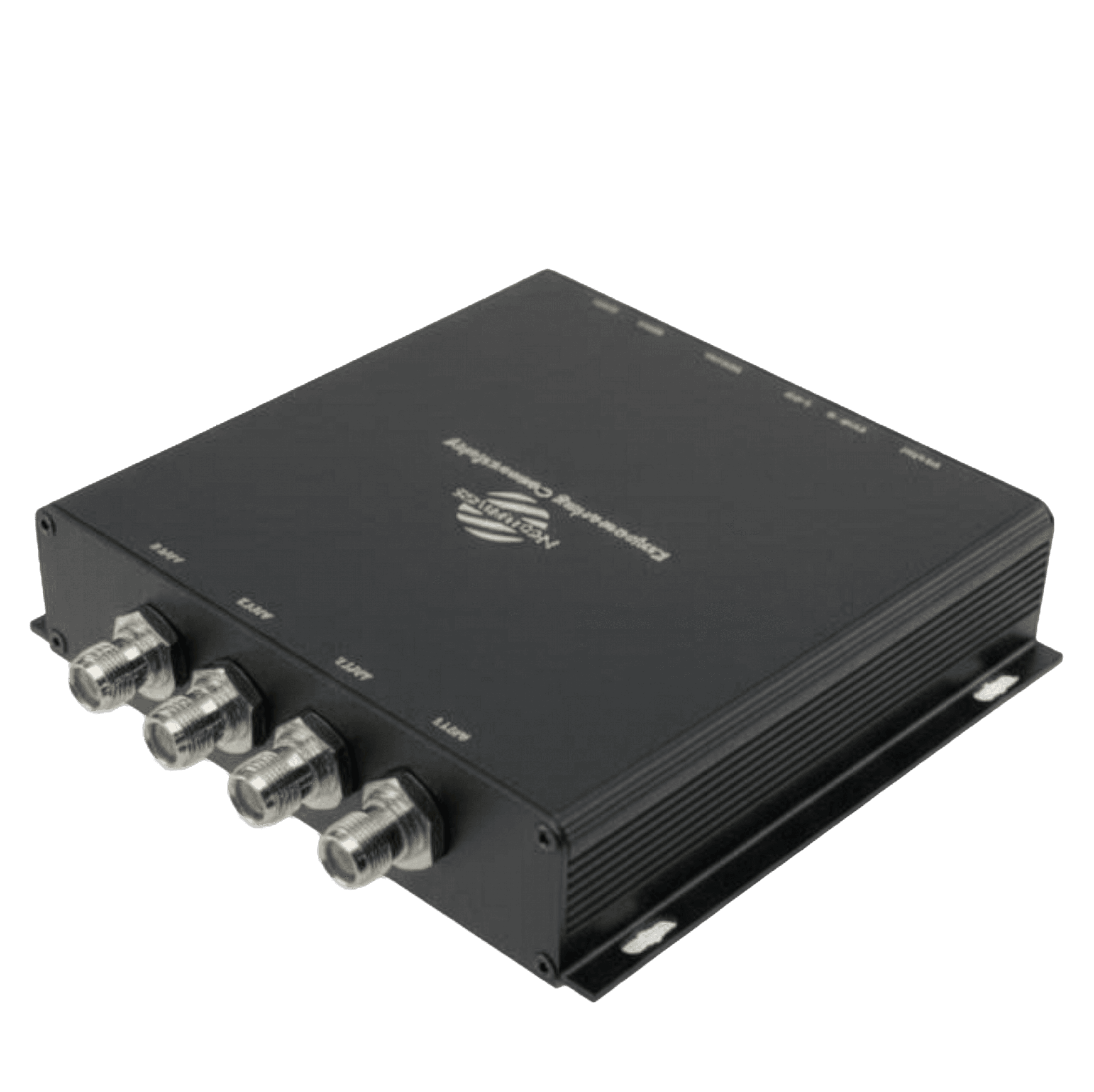
NR155 Oluka IoT UHF RFID Ti a fi lelẹ

Awọn API MQTT/REST ti a ṣe sinu awọsanma. Ko si SDK ti ara ẹni, ko si iwe-aṣẹ middleware. Ṣepọ taara pẹlu ERP tabi WMS rẹ ni awọn ọjọ diẹ.

View Nextwaves NR155
Nextwaves NR155 Fixed IoT UHF RFID Reader

Awọn ibudo Antenna

4 x RP-TNC Bóòtì

Iyara kika

Titi di 400 tags/ìṣẹ́ju

Agbara Ijade

0–33 dBm (ìwọ̀n 1dB)

Ilana Nẹtiwọọki

MQTT / MQTTS

FAQ

Àwọn Ìbéèrè Tó Wọ́pọ̀

These answers help purchasing and engineering teams review cost, integration, and deployment risk.

01

Kí ni Slate3 (R1353I)?

The CAEN RFID Slate3 (R1353I) is a low-profile desktop UHF RFID scanning mat. Engineered to decode EPC C1 G2, ISO 18000-63 labels across 865-868 MHz (ETSI) / 902-928 MHz (FCC) bandwidths, it is primarily used at retail cash registers to tag apparel.

02

Mélòó ni ètò yìí yóò ná ní ìbẹ̀rẹ̀?

Typical pricing sits around $400. Due to its desktop POS orientation, integrators do not need separate external antennas. Power is drawn exclusively through its USB Bus Power connection to a standard PC.

03

Èéṣe tí mo fi gbọ́dọ̀ yan Nextwaves dípò?

Nextwaves hardware features localized wireless nodes running native MQTT protocols. Nextwaves processors seamlessly route event data directly to your ERP, cutting out the requirement to install intermediate polling software on your POS tills.

04

Ṣé ohun èlò yìí le tó fún àwọn ilé ìkóhunpamọ́?

The slimline pad weighs 275 g and boasts dimensions of 220 x 140 x 17 mm. Rated strictly to an IP30 indoor rating, the reader is built for clean retail checkout desks and offers zero protection against heavy factory environments.

05

Ṣé ó ṣe ìtìlẹ́yìn fún ọ̀pọ̀lọpọ̀ àwọn irúfẹ́ network?

Networking operates strictly over a wired USB Type-C connection. The hardware contains zero routing logic; all enterprise security firewalls and traffic monitoring occur within the OS of the attached checkout computer.

06

Ṣé àwọn ẹgbẹ́ mi lè fi èyí sori ẹrọ lábẹ́lé?

Integration paths require utilizing the CAEN API SDKs on your host Windows/Linux POS system. Programming teams must write localized software routines to instruct the pad to burst RF power and read returned identifier arrays.

07

Báwo ni ìdarí latọ̀nà jíjìn ṣe ń ṣiṣẹ́?

The embedded read logic operates at standard read rates suited for capturing piles of folded apparel resting directly on the scanner surface. Management settings are localized entirely to the connected physical PC.

08

Ṣé mo nílò software àdáni láti ṣiṣẹ́ pẹ̀lú rẹ̀?

Since data pushes through a USB Type-C interface, software engineers are responsible for building applications that translate the incoming UART serial stream into logical formats sent into central cloud databases.

09

Àtìlẹ́yìn wo ló wá pẹ̀lú reader náà?

The product usually ships with an industry-standard 12-month defect warranty. Given the fragile nature of low-profile plastics on retail desks, specialized accidental protection coverage is frequently recommended.

10

Ṣé àwọn ìmúdani náà wà ní títà lọtọ̀?

Its chassis integrates an ultra-flat antenna engineered for 865-868 MHz (ETSI) / 902-928 MHz (FCC) bands. The near-field focus ensures the RF cloud remains within a strict 6-inch vertical bubble above the pad.