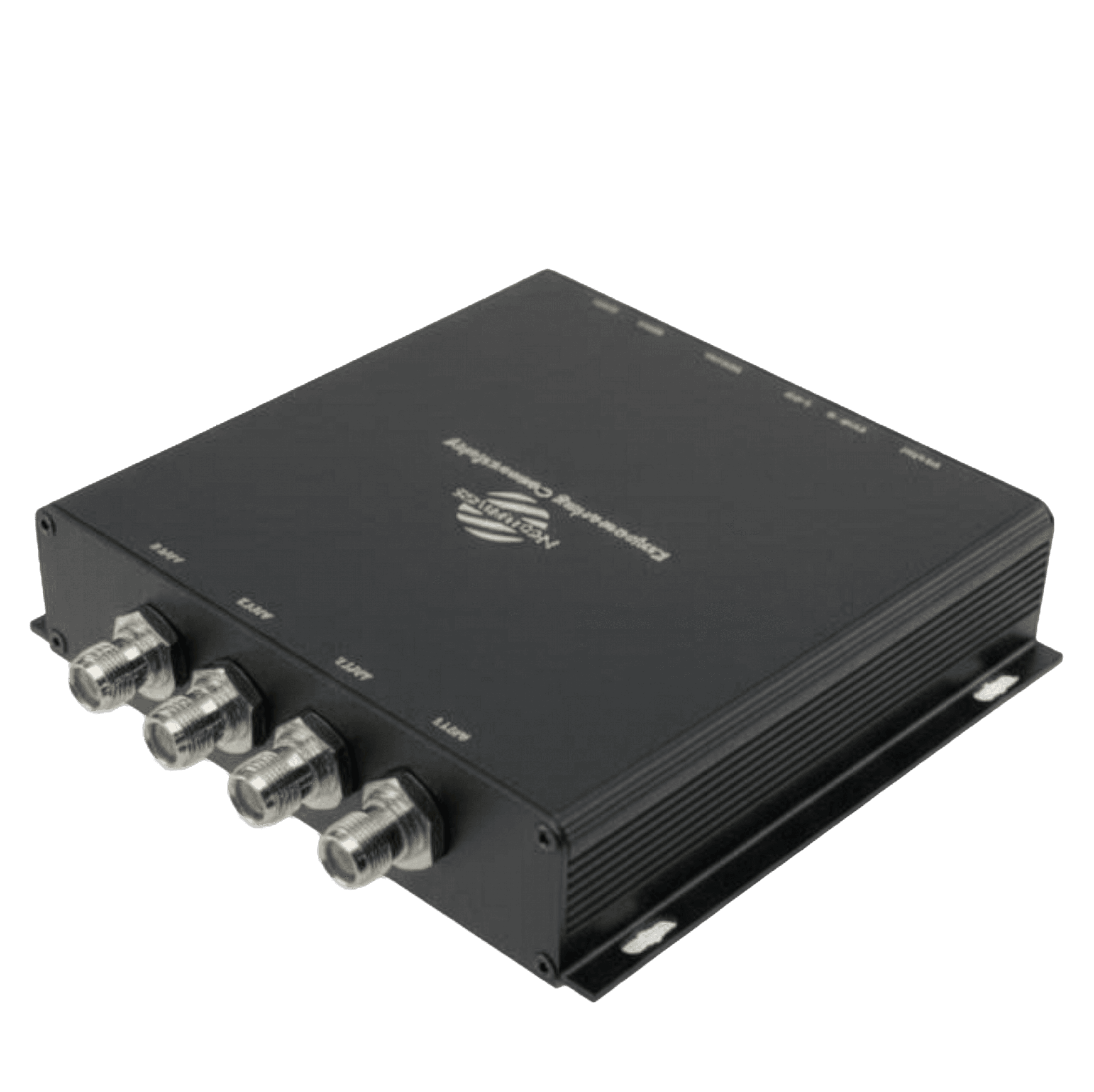
The ALR-9680 is a 4-port commercial EPC Gen 2 reader priced around $800. Review its specifications, LAN interfaces, and Nextwaves alternatives.
Àlàyé Ìmọ̀ Ẹ̀rọ
Àkótán Ẹ̀rọ
Ẹ̀rọ Alien Technology ALR-9680 jẹ́ ohun èlò RFID tó ní ìpele iṣẹ́ ọ̀dọ́ọ̀dún. Ó ń ṣiṣẹ́ ní àgbègbè 902.75-927.25 MHz (FCC) / 865.7-867.5 MHz (ETSI) àti pé ó ń ṣe àtìlẹ́yìn fún àdájọ́ EPC Gen 2, ISO 18000-6C, èyí tó ń jẹ́ kí ó lè lo ní àgbègbè àwọn ohun elo ìṣàkóso ilé iṣẹ́.
Pẹ̀lú ìtẹ̀sí IP N/A, ó ń pèsè ààbò lòdì sí àwọn ipo ayika pàtó tí wọ́pọ̀ ní ilé ìkó tàbí àgbàlá tita. Oluka náà ń lo 24 VDC or PoE (802.3af) fún iṣẹ́ àìdá, nígbà tí ìpele ìkànsí gíga tó sọ pé N/A.
Isopọpọ ati Isopọ Nẹtiwọọki
Ninu awọn imuse igbalode, isopọpọ nẹtiwọọki jẹ idiwọ ti o ṣe pataki julọ. Awoṣe yii nfunni LAN TCP/IP, RS-232 awọn aṣayan fun gbigbe data pada si awọn eto aarin.
Sibẹsibẹ, bottleneck pataki kan pẹlu hardware atijọ Alien Technology ni igbẹkẹle pupọ lori awọn SDK ti ara ẹni (bii LLRP) tabi middleware IoT ti awọn ẹgbẹ kẹta ti o gbowolori lati ṣe ilana data afi aise sinu oye iṣowo ti o ni itumọ.
Àṣàyàn Nextwaves
Bí ẹgbẹ́ onímọ̀ ẹ̀rọ rẹ̀ bá ń ṣàyẹ̀wò Alien Technology ALR-9680, Nextwaves NR155 ń ṣàfihàn àkọ́lé amáyédẹrùn awọ̀n àgbáyé tó ga jùlọ. Àwọn ètò àtijọ́ ní àìmọ̀kan ń fa iná owó ńlá nípasẹ̀ ìdákọ̀ọ́lẹ̀ oníṣòwò àti àgbègbè sọ́fitiwia aládàáṣiṣẹ́.
Nextwaves yọ́kúrò patapata ní àìlera yìí nípa pèsè API MQTT REST àtọkànwá taara lórí ẹ̀rọ. Àwọn oníṣèdá sọ́fitiwia rẹ̀ lè ṣàkópa ìkànsí afi taara sínú ERP tàbí WMS àdáṣe rẹ̀ ní ọjọ́ díẹ̀ dipo oṣù, nípa kọ́kọ́ kọja owó ìwé àkọ́kọ́ àtìmọ́lẹ̀.
Àwọn Ìbéèrè Tó Wọ́pọ̀
Kí ni ALR-9680?
The Alien Technology ALR-9680 is a straightforward commercial-grade RFID reader possessing 4 antenna ports. Operating on the 902.75-927.25 MHz (FCC) / 865.7-867.5 MHz (ETSI) frequency band, it conforms to the EPC Gen 2, ISO 18000-6C standard.
Mélòó ni ètò yìí yóò ná ní ìbẹ̀rẹ̀?
The base reader is typically priced around $800. Deployment budgets must factor in the cost of up to 4 external antennas, RF cabling, and the required 24 VDC or PoE (802.3af) networking equipment.
Èéṣe tí mo fi gbọ́dọ̀ yan Nextwaves dípò?
Nextwaves provides embedded REST API and MQTT endpoints natively on the device. This allows software engineering teams to bypass expensive third-party IoT middleware and integrate RFID data directly into modern ERPs or custom web backends.
Ṣé ohun èlò yìí le tó fún àwọn ilé ìkóhunpamọ́?
The device weighs approximately 0.91 kg and measures 18.41 x 24.13 x 3.17 cm. Its rating (N/A) indicates it is primarily designed for standard temperature-controlled warehouses or retail backrooms.
Ṣé ó ṣe ìtìlẹ́yìn fún ọ̀pọ̀lọpọ̀ àwọn irúfẹ́ network?
Network integration is handled via standard LAN TCP/IP, RS-232 interfaces, allowing it to drop into existing corporate networks. Dedicated IoT VLANs are often recommended for hardware endpoints.
Ṣé àwọn ẹgbẹ́ mi lè fi èyí sori ẹrọ lábẹ́lé?
Physical mounting utilizes standard wall-mount patterns. However, optimizing RF performance requires trained technicians to properly tune the reader's transmission output according to your specific environment and tag orientation.
Báwo ni ìdarí latọ̀nà jíjìn ṣe ń ṣiṣẹ́?
Remote management is generally handled through the standard EPCglobal LLRP interface or Alien's proprietary Windows utilities.
Ṣé mo nílò software àdáni láti ṣiṣẹ́ pẹ̀lú rẹ̀?
Most legacy deployments require an intermediate middleware server to feed raw data from the LAN TCP/IP, RS-232 ports into modern web applications via HTTP or websockets. This adds system complexity.
Àtìlẹ́yìn wo ló wá pẹ̀lú reader náà?
The manufacturer typically provides a standard one-year hardware warranty. Extended support contracts are generally available for purchase through your hardware VAD (Value Added Distributor).
Ṣé àwọn ìmúdani náà wà ní títà lọtọ̀?
The ALR-9680 requires external antennas. Tuning antenna placement across the 902.75-927.25 MHz (FCC) / 865.7-867.5 MHz (ETSI) spectrum is critical to achieving a reliable read field.