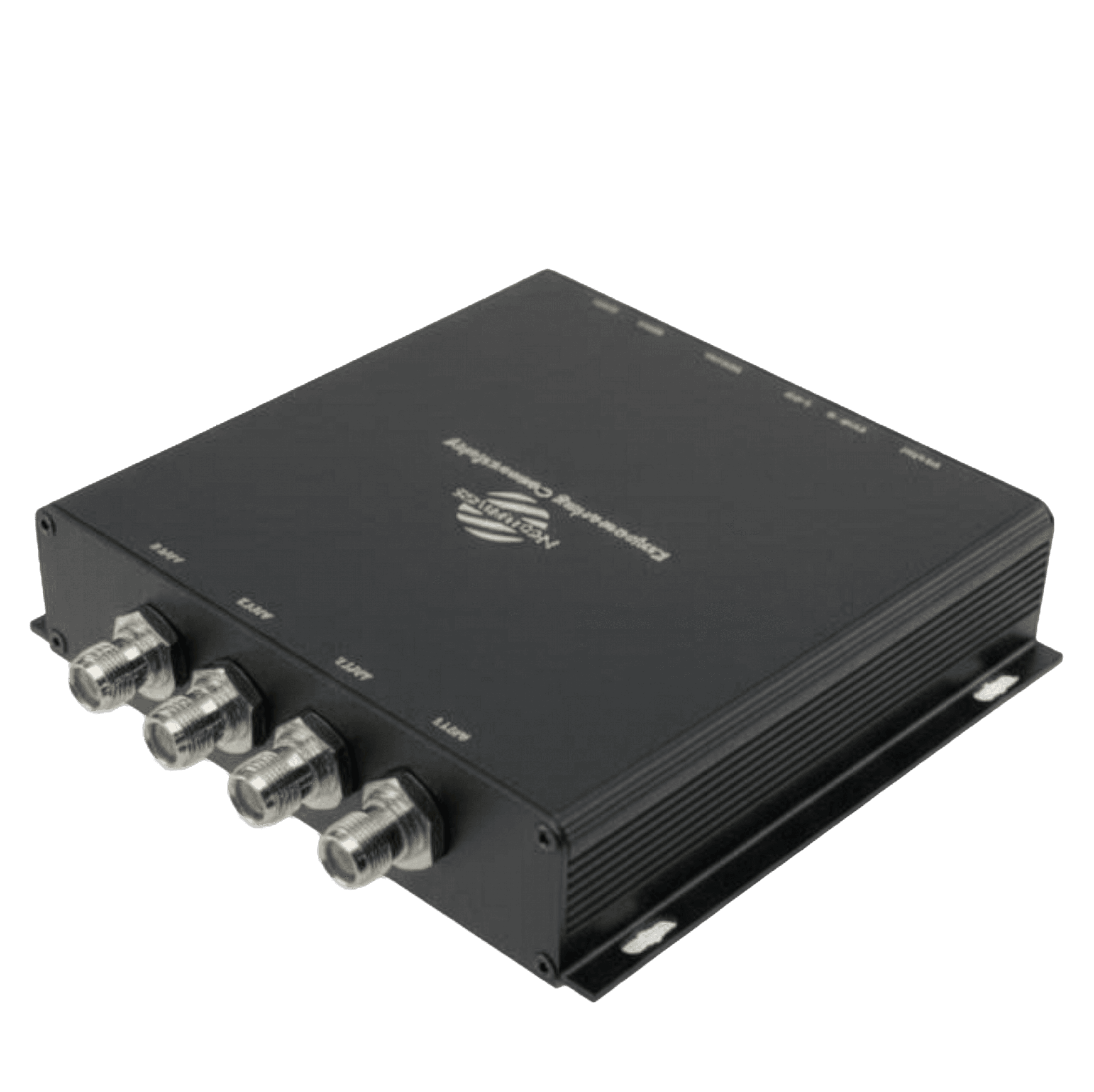
The ALH-9011 is a robust legacy mobile terminal. With a base price of $1500, compare its physical footprint and legacy OS to modern cloud-integrated alternatives.
Àlàyé Ìmọ̀ Ẹ̀rọ
Àkótán Ẹ̀rọ
Ẹ̀rọ Alien Technology ALH-9011 jẹ́ ohun èlò RFID tó ní ìpele iṣẹ́ ọ̀dọ́ọ̀dún. Ó ń ṣiṣẹ́ ní àgbègbè 902-928 MHz (US) / 865-868 MHz (EU) àti pé ó ń ṣe àtìlẹ́yìn fún àdájọ́ EPC Gen 2, ISO 18000-6C, èyí tó ń jẹ́ kí ó lè lo ní àgbègbè àwọn ohun elo ìṣàkóso ilé iṣẹ́.
Pẹ̀lú ìtẹ̀sí IP IP65, ó ń pèsè ààbò lòdì sí àwọn ipo ayika pàtó tí wọ́pọ̀ ní ilé ìkó tàbí àgbàlá tita. Oluka náà ń lo Li-poly 3000/4400 mAh fún iṣẹ́ àìdá, nígbà tí ìpele ìkànsí gíga tó sọ pé standard read rates.
Isopọpọ ati Isopọ Nẹtiwọọki
Ninu awọn imuse igbalode, isopọpọ nẹtiwọọki jẹ idiwọ ti o ṣe pataki julọ. Awoṣe yii nfunni Wi-Fi, BT 2.0, 3G, GPS, USB awọn aṣayan fun gbigbe data pada si awọn eto aarin.
Sibẹsibẹ, bottleneck pataki kan pẹlu hardware atijọ Alien Technology ni igbẹkẹle pupọ lori awọn SDK ti ara ẹni (bii LLRP) tabi middleware IoT ti awọn ẹgbẹ kẹta ti o gbowolori lati ṣe ilana data afi aise sinu oye iṣowo ti o ni itumọ.
Àṣàyàn Nextwaves
Bí ẹgbẹ́ onímọ̀ ẹ̀rọ rẹ̀ bá ń ṣàyẹ̀wò Alien Technology ALH-9011, Nextwaves NR155 ń ṣàfihàn àkọ́lé amáyédẹrùn awọ̀n àgbáyé tó ga jùlọ. Àwọn ètò àtijọ́ ní àìmọ̀kan ń fa iná owó ńlá nípasẹ̀ ìdákọ̀ọ́lẹ̀ oníṣòwò àti àgbègbè sọ́fitiwia aládàáṣiṣẹ́.
Nextwaves yọ́kúrò patapata ní àìlera yìí nípa pèsè API MQTT REST àtọkànwá taara lórí ẹ̀rọ. Àwọn oníṣèdá sọ́fitiwia rẹ̀ lè ṣàkópa ìkànsí afi taara sínú ERP tàbí WMS àdáṣe rẹ̀ ní ọjọ́ díẹ̀ dipo oṣù, nípa kọ́kọ́ kọja owó ìwé àkọ́kọ́ àtìmọ́lẹ̀.
Àwọn Ìbéèrè Tó Wọ́pọ̀
Kí ni ALH-9011?
The Alien Technology ALH-9011 is a legacy mobile handheld RFID terminal based on the Windows CE / Windows Mobile architecture. It natively supports EPC Gen 2, ISO 18000-6C decoding over the 902-928 MHz (US) / 865-868 MHz (EU) ranges.
Mélòó ni ètò yìí yóò ná ní ìbẹ̀rẹ̀?
Units are historically priced around $1500. Total procurement budgets must factor in drop-in cradles, replacement Li-poly 3000/4400 mAh power packs, and specialized Windows Mobile software engineering resources.
Èéṣe tí mo fi gbọ́dọ̀ yan Nextwaves dípò?
Nextwaves provides embedded cloud integration directly out of the box. By supporting HTTP webhooks natively, engineers can abandon deprecated Windows Mobile toolchains and push serialized data straight to modern ERPs.
Ṣé ohun èlò yìí le tó fún àwọn ilé ìkóhunpamọ́?
The heavy industrial grip weighs 0.65 kg (with battery) and measures 15.9 x 7.9 x 13.5 cm. Tested to an IP65 rating, the unit can withstand 1.5-meter concrete drops and continuous vibration within cargo yards.
Ṣé ó ṣe ìtìlẹ́yìn fún ọ̀pọ̀lọpọ̀ àwọn irúfẹ́ network?
Wireless uploads execute across older Wi-Fi, BT 2.0, 3G, GPS, USB protocols. Integrating these legacy Windows CE devices onto modern WPA3 zero-trust corporate networks often presents severe IT roadblocks.
Ṣé àwọn ẹgbẹ́ mi lè fi èyí sori ẹrọ lábẹ́lé?
Hardware setup is minimal, but software preparation requires Activesync or similar legacy protocols to flash compiled .NET Compact Framework binaries onto the terminal to control trigger behavior.
Báwo ni ìdarí latọ̀nà jíjìn ṣe ń ṣiṣẹ́?
The mobile interrogator leverages older Alien hardware logic for reliable tag identification. Administrative management is extremely manual for these older operating systems, lacking modern MDM capabilities.
Ṣé mo nílò software àdáni láti ṣiṣẹ́ pẹ̀lú rẹ̀?
Deployments mandate that developers write custom C# / VB.NET binaries to collect inventory datasets from the Wi-Fi, BT 2.0, 3G, GPS, USB radios and convert them into readable API payloads.
Àtìlẹ́yìn wo ló wá pẹ̀lú reader náà?
A standard factory defect warranty applies for one physical year. Obtaining ongoing support SLAs or replacement Windows-era parts for legacy hardware can become increasingly challenging.
Ṣé àwọn ìmúdani náà wà ní títà lọtọ̀?
The device incorporates a built-in antenna optimized for 902-928 MHz (US) / 865-868 MHz (EU) waves. Environmental multipath behavior and worker sweep rhythms dictate the actual field capture rate.