Tempo de Busca e Buffers
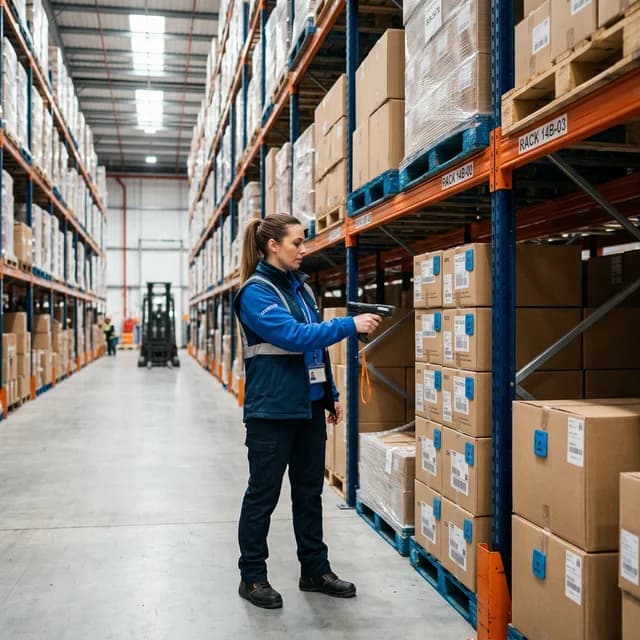
O trabalhador industrial médio gasta de 10 a 15% do seu turno procurando coisas. Esse tempo sem valor agregado cria restrições artificiais de capacidade, forçando as fábricas a manterem buffers maiores de WIP para compensar.
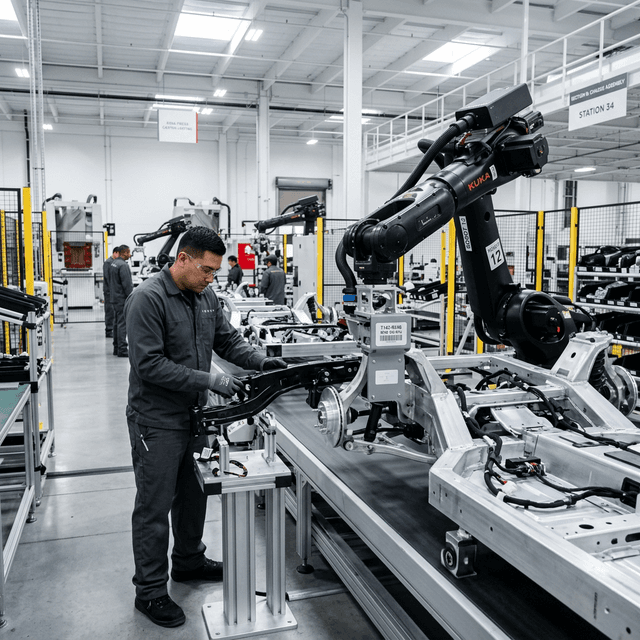
A manufatura moderna é um ambiente de alto risco, em que minutos de inatividade custam milhares de dólares. Apesar de robótica avançada e sistemas ERP, o “tecido conectivo” da fábrica — o movimento de Work-in-Progress (WIP), ferramentas e matérias-primas — muitas vezes continua sendo uma caixa-preta manual.
Os gestores perguntam: “Onde está a Ordem #504?” “Onde está a chave de torque calibrada?” “Por que a Linha B está parada?” As respostas ficam escondidas porque os ativos físicos não se conectam ao sistema digital. A equipe operacional perde horas críticas procurando ferramentas (Search Time). Os planejadores de produção agendam com base na capacidade teórica, não no status em tempo real (Buffers).
Em setores regulamentados como Aeroespacial e Defesa, essa lacuna de visibilidade é um risco de conformidade. Resíduos de Objeto Estranho (FOD) deixados dentro de uma montagem podem ser catastróficos. Dados de genealogia ausentes podem acionar grandes recalls.
O trabalhador industrial médio gasta de 10 a 15% do seu turno procurando coisas. Esse tempo sem valor agregado cria restrições artificiais de capacidade, forçando as fábricas a manterem buffers maiores de WIP para compensar.
Como as ferramentas são difíceis de encontrar, os trabalhadores as acumulam em armários não autorizados. A fábrica compra mais ferramentas do que precisa, mas a disponibilidade permanece baixa.
Se um defeito for encontrado, você pode rastrear exatamente qual lote de cola foi usado, qual ferramenta a aplicou e quem foi o operador? Sem RFID, essa 'Genealogia' é frequentemente documentação manual incompleta.
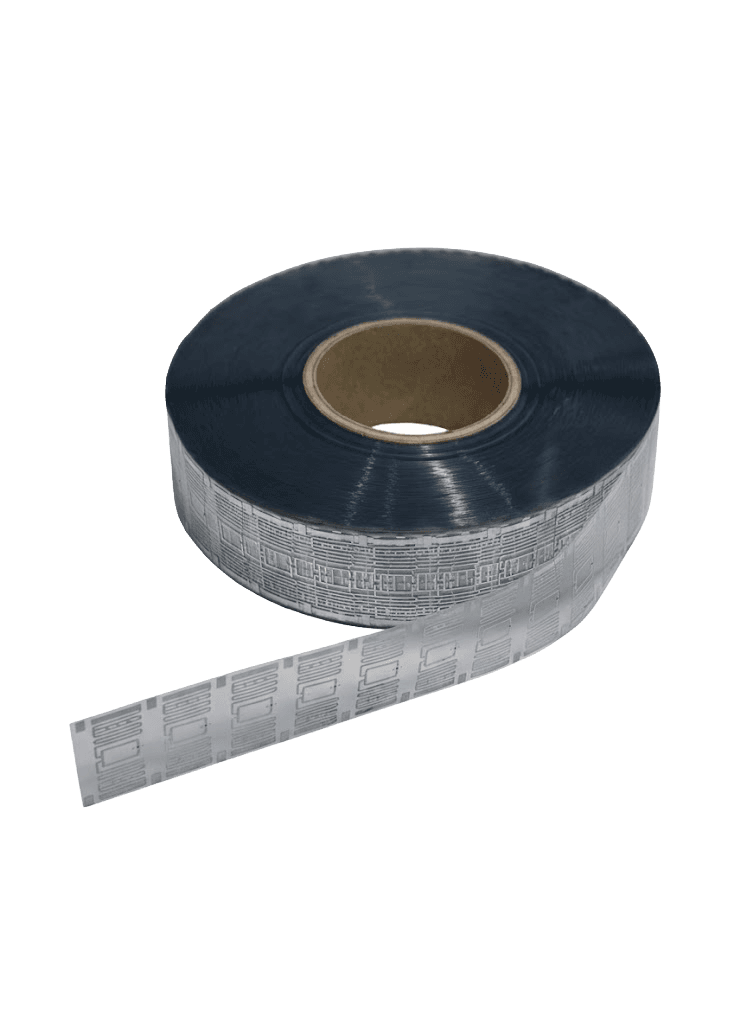
A Nextwaves implanta uma camada de Industrial IoT sobre sua infraestrutura OT/IT existente. Conectamos tags RFID especializadas e de alta durabilidade a cada elemento em movimento: as peças (WIP), os suportes (skids/totes) e as ferramentas. Essas tags são projetadas para sobreviver a autoclaves, banhos ácidos, fornos de pintura (250°C) e jateamento
Cobrimos a instalação com uma grade de leitores — em estações de trabalho, pontos de gargalo e lockers de ferramentas. Conforme os ativos se movem, eles atualizam seu próprio status. Uma ferramenta “se dá baixa” quando sai do locker. Um produto “atualiza sua operação” quando chega à Estação 5.
Esses dados alimentam o middleware da nossa “Factory Twin”, que orquestra as regras: “Se a Ferramenta A não estiver calibrada, não habilite a Estação B.” “Se a Ordem 504 chegar à Pintura, acione a atualização no ERP.” A fábrica passa a ser autoconsciente e a se reportar.
Com visibilidade em tempo real, você pode reduzir os buffers de segurança e migrar para o fluxo Just-In-Time verdadeiro.
Responsabilidade automatizada de ferramentas. Garanta que 100% das ferramentas emitidas sejam devolvidas antes que o produto saia da célula.
Acompanhe os ciclos de uso da ferramenta (disparos, horas). Faça a manutenção de moldes e matrizes com base no desgaste real, evitando manutenção prematura ou tardia.
Transportadores inteligentes podem rotear automaticamente produtos defeituosos para linhas de retrabalho com base nos dados da etiqueta RFID.
Um fabricante de motores a jato exigia responsabilidade absoluta por mais de 50.000 ferramentas manuais para evitar Foreign Object Damage (FOD). Uma única chave de fenda perdida poderia interromper um voo de teste.
Tags padrão de varejo falham rapidamente em ambientes industriais. O calor derrete o adesivo, superfícies metálicas descalibram a antena e linhas de pintura cobrem o chip além do ponto de legibilidade. Selecionamos e testamos tags especificamente para seu ambiente: tags on-metal com base cerâmica para componentes de aço, variações de alta temperatura classificadas para 250°C em fornos de pintura, e tags flexíveis encapsuladas para ferramentas que podem ser derrubadas.
Nossos leitores são instalados em cada ponto de gargalo relevante: saídas do locker de ferramentas, entradas de estações e portas de inspeção final. Conforme os ativos fluem, o sistema atualiza o status automaticamente. Não é necessário entrada do operador. Uma ferramenta calibrada, mas atrasada para manutenção, é sinalizada antes de chegar à linha.
A tag continua útil mesmo depois que o produto sai da fábrica. Estamos trabalhando com fabricantes para manter a mesma tag ativa ao longo da distribuição, venda no varejo e, por fim, na reciclagem ao final da vida útil. Criamos um registro digital único e ininterrupto para toda a jornada do produto.
Essa abordagem de “Digital Product Passport” também está se tornando exigência regulatória na União Europeia. Os produtos precisarão carregar evidências de composição dos materiais e dados de sustentabilidade. A infraestrutura que você constrói hoje para rastreabilidade na fabricação vira seu pilar de conformidade amanhã.
Kit RFID completo para armazéns. Conecte, etiquete, escaneie. inventário total em 15 minutos.
Transforme seus ativos físicos em fluxos de dados digitais. Otimize agora.
If the kit doesn't fit your operation, return it within 30 days for a full refund.
The package price covers installation support, system configuration, and staff training — with no additional fees.