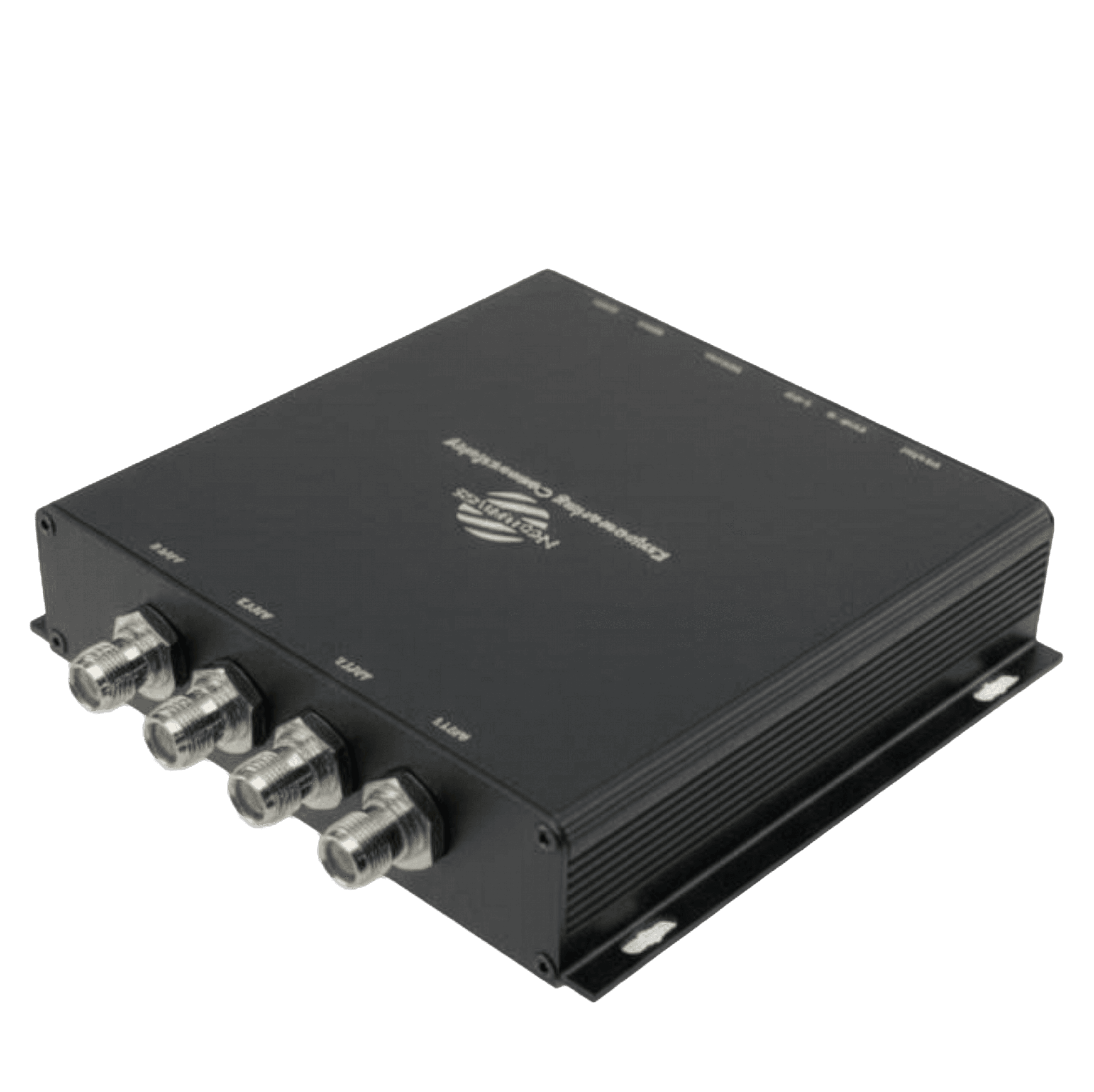
The Zebra AN510 is an indoor/outdoor passive antenna. Compare its deployment costs against standalone active edge node setups by Nextwaves.
Technische Specificaties
Hardware Overzicht
De Zebra AN510 is een industriële RFID-apparaat. Het werkt binnen het 902-928 MHz / 865-868 MHz bereik en ondersteunt de N/A (Passive Antenna Element) standaard, waardoor het op grote schaal wordt ingezet in logistieke toepassingen voor bedrijven.
Met een IP-classificatie van IP67 biedt het bescherming tegen specifieke omgevingsomstandigheden die typisch zijn in magazijnen of achterkamers van winkels. De lezer maakt gebruik van N/A (Passive) voor continue prestaties, terwijl de maximale leessnelheid N/A (Passive) bedraagt.
Connectiviteit en netwerkintegratie
In moderne implementaties is netwerkintegratie de grootste hindernis. Dit model biedt Coaxial Type N Female opties voor het overbrengen van gegevens terug naar centrale systemen.
Een belangrijk knelpunt met legacy Zebra hardware is echter de sterke afhankelijkheid van eigen SDK's (zoals LLRP) of dure IoT-middleware van derden om onbewerkte taggegevens te verwerken tot zinvolle business intelligence.
Het Nextwaves Alternatief
Als uw engineeringteam de Zebra AN510 evalueert, biedt de Nextwaves NR155 een aanzienlijk superieure cloud-native architectuur. Legacy-systemen drijven inherent hoge kapitaaluitgaven aan door vendor lock-in en eigen software-ecosystemen.
Nextwaves elimineert deze barrière volledig door een standaard MQTT REST API rechtstreeks op het apparaat te leveren. Uw softwareontwikkelaars kunnen het uitlezen van tags in dagen in uw aangepaste ERP- of WMS-backend integreren in plaats van maanden, waarbij terugkerende licentiekosten voor middleware volledig worden omzeild.
Veelgestelde Vragen
Wat is de AN510?
The Zebra AN510 is an extraordinarily thin, low-profile RFID antenna engineered specifically for retail or customer-facing environments. It functions over both EU and US 902-928 MHz / 865-868 MHz bands purely as a passive broadcast plate.
Hoeveel kost deze setup initieel?
Base plates retail for around $150. Total project costs spike sharply when adding low-loss specialized coaxial cables, wall mounting hardware, and the necessary standalone active interrogator required to pulse energy into the antenna.
Waarom zou ik in plaats daarvan voor Nextwaves kiezen?
Discrete antenna implementations demand complex RF cable routing behind walls. Nextwaves simplifies infrastructure by embedding enterprise-grade antennas directly over active logic boards powered through simple PoE.
Is de hardware duurzaam genoeg voor magazijnen?
Measuring a sleek 250 x 250 x 14 mm and weighing just 0.75 kg, it is highly inconspicuous. Despite its aesthetic design, it retains a rugged IP67 rating, effectively resisting condensation, dust, and wash-downs.
Ondersteunt het meerdere netwerktypes?
This element has no network switch capability. It connects physically to active portal readers strictly via heavily shielded Coaxial Type N Female connections.
Kan mijn team dit intern installeren?
Installers affix the plate flush against retail drywall or checkout countertops. Critical setup entails tuning the external reader module to compensate for decibel signal loss propagating through the N-Type cables.
Hoe werkt het beheer op afstand?
Being purely passive, it maintains a N/A (Passive) rating. Speed metrics are governed entirely by the capacity of the master interrogator hardware managing the RF waves.
Heb ik propriëtaire software nodig om het te gebruiken?
It requires absolutely no direct middleware because it operates solely as a piece of metal. Software developers must interface with the APIs exposed by the proprietary proprietary reader driving the RF signals.
Welke garantie zit er op de reader?
Constructed to weather industrial and retail wear, its IP67 housing holds a standard one-year warranty, mainly protecting against failed interior lead soldering.
Worden de antennes apart verkocht?
Producing approximately 5.0 dBic in Right-Hand or Left-Hand Circular polarization depending on configuration. Wide coverage over the 902-928 MHz / 865-868 MHz block ensures reliable tag illumination in chaotic zones.