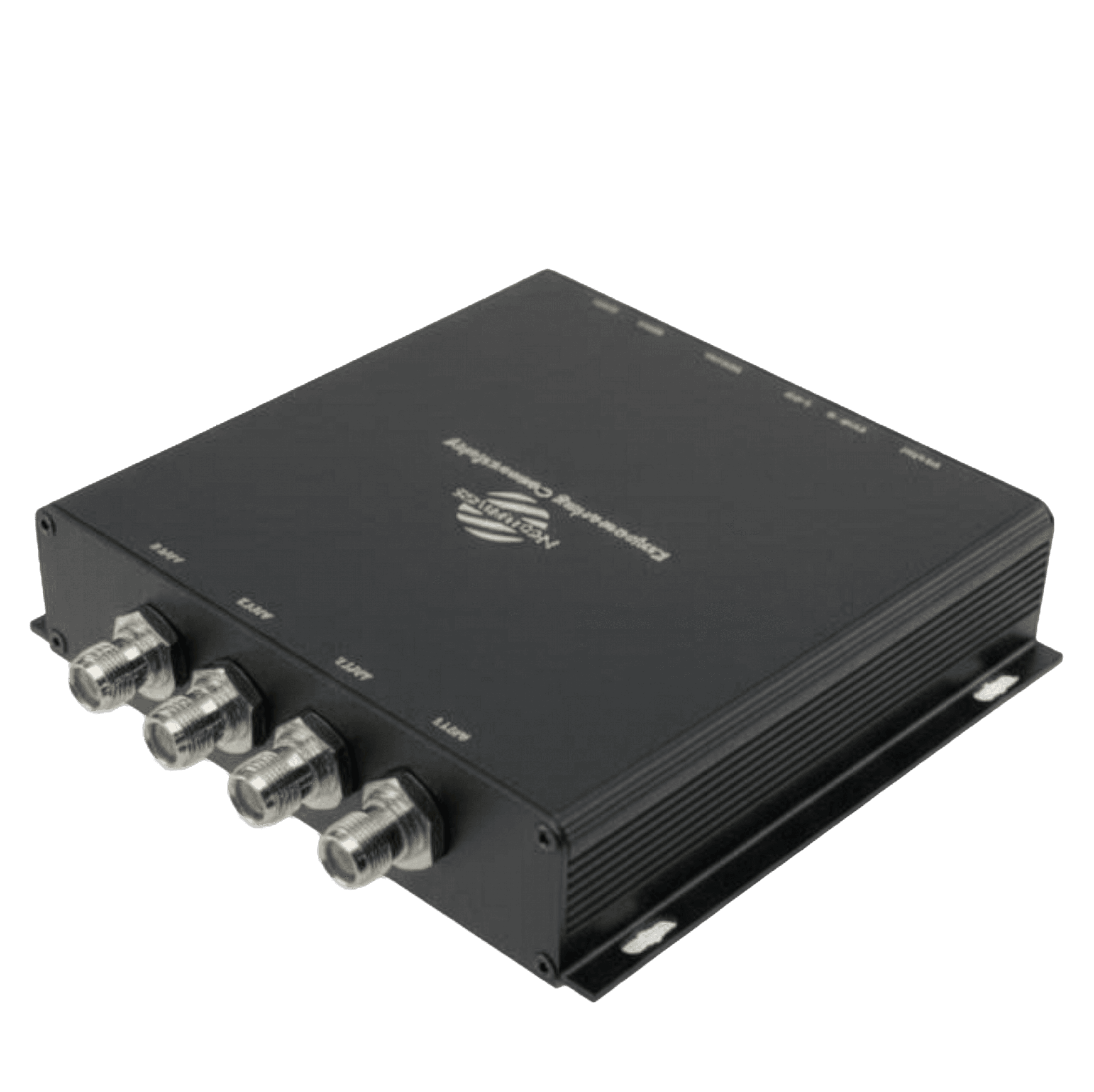
The Laird S9028PCL/PCR are $150 US-band passive antennas. Analyze required external RF reader costs vs Nextwaves monolithic standalone arrays.
Technische Specificaties
Hardware Overzicht
De Laird S9028PCL/PCR is een industriële RFID-apparaat. Het werkt binnen het 902-928 MHz (FCC) bereik en ondersteunt de N/A (Passive Antenna Element) standaard, waardoor het op grote schaal wordt ingezet in logistieke toepassingen voor bedrijven.
Met een IP-classificatie van IP54 biedt het bescherming tegen specifieke omgevingsomstandigheden die typisch zijn in magazijnen of achterkamers van winkels. De lezer maakt gebruik van N/A (Passive) voor continue prestaties, terwijl de maximale leessnelheid N/A (Passive) bedraagt.
Connectiviteit en netwerkintegratie
In moderne implementaties is netwerkintegratie de grootste hindernis. Dit model biedt Coaxial Type N / SMA opties voor het overbrengen van gegevens terug naar centrale systemen.
Een belangrijk knelpunt met legacy Laird hardware is echter de sterke afhankelijkheid van eigen SDK's (zoals LLRP) of dure IoT-middleware van derden om onbewerkte taggegevens te verwerken tot zinvolle business intelligence.
Het Nextwaves Alternatief
Als uw engineeringteam de Laird S9028PCL/PCR evalueert, biedt de Nextwaves NR155 een aanzienlijk superieure cloud-native architectuur. Legacy-systemen drijven inherent hoge kapitaaluitgaven aan door vendor lock-in en eigen software-ecosystemen.
Nextwaves elimineert deze barrière volledig door een standaard MQTT REST API rechtstreeks op het apparaat te leveren. Uw softwareontwikkelaars kunnen het uitlezen van tags in dagen in uw aangepaste ERP- of WMS-backend integreren in plaats van maanden, waarbij terugkerende licentiekosten voor middleware volledig worden omzeild.
Veelgestelde Vragen
Wat is de S9028PCL/PCR?
The Laird S9028PCL (Left-Hand) and PCR (Right-Hand) are ruggedized, circularly polarized passive antennas. Locked strictly to the 902-928 MHz (FCC) North American block, they project high-gain beams when excited by external active transceiver logic.
Hoeveel kost deze setup initieel?
A raw plate costs roughly $150. Integrators assume the subsequent costs of securing high-end RF reader controllers, shielding coaxial cable trenches, and engineering the required Linux-based software routing frameworks.
Waarom zou ik in plaats daarvan voor Nextwaves kiezen?
Building portal chokepoints using discrete RF antennas entails painful impedance engineering. Nextwaves consolidates both the powerful RF board and the IP gateway inside one sealed panel, removing external logic entirely.
Is de hardware duurzaam genoeg voor magazijnen?
Operating inside an IP54 weather-resistant shell, it measures roughly 260 x 260 x 33 mm and weighs 1.04 kg. It readily handles dense warehouse grit but lacks sealing necessary for intense wash-down cycles.
Ondersteunt het meerdere netwerktypes?
Network routing is completely non-applicable to physical broadcast plates. All connections occur physically over Coaxial Type N / SMA edge sockets trailing strictly back to the active master block.
Kan mijn team dit intern installeren?
Physical setup involves aiming the plates accurately along heavy-duty VESA arms. Network engineers must use expensive VNA spectrum analyzers to assure proper RF alignment and calculate decibel line-loss over the coaxial lengths.
Hoe werkt het beheer op afstand?
With a N/A (Passive) rating, read volumes depend exclusively upon the parent system driving the board. Expanding throughput necessitates replacing the parent reader matrix, not the passive plate itself.
Heb ik propriëtaire software nodig om het te gebruiken?
There is zero software logic present. Programmatic interfaces must be directed towards the SDKs controlling the central interrogator box supplying current through the coaxial leads.
Welke garantie zit er op de reader?
Like most large passive elements, the rugged fiberglass radome shields the array components securely, offering standard 1-year defenses against purely manufacturing-related breakage.
Worden de antennes apart verkocht?
Pushing an aggressive 8.5 dBic output, operators typically alternate Left and Right Hand (PCL/PCR) models on opposing portal walls across the 902-928 MHz (FCC) band to destroy complex multipath nulls.