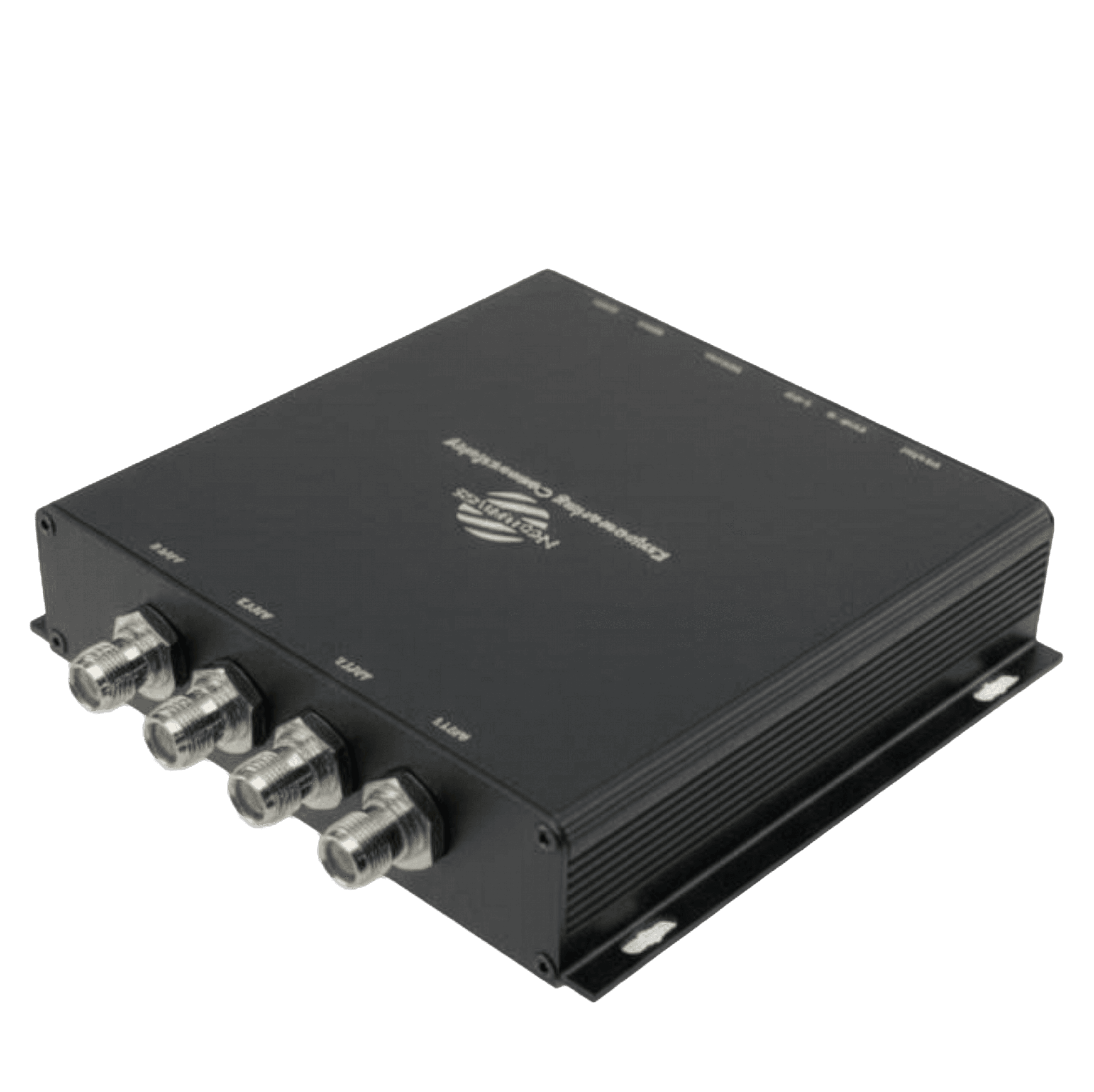
The Laird S8658PL/PR is an ETSI targeted passive array for $150. Analyze the complex deployment costs against standalone active arrays.
Technische Specificaties
Hardware Overzicht
De Laird S8658PL/PR is een industriële RFID-apparaat. Het werkt binnen het 865-868 MHz (ETSI) bereik en ondersteunt de N/A (Passive Antenna Element) standaard, waardoor het op grote schaal wordt ingezet in logistieke toepassingen voor bedrijven.
Met een IP-classificatie van IP54 biedt het bescherming tegen specifieke omgevingsomstandigheden die typisch zijn in magazijnen of achterkamers van winkels. De lezer maakt gebruik van N/A (Passive) voor continue prestaties, terwijl de maximale leessnelheid N/A (Passive) bedraagt.
Connectiviteit en netwerkintegratie
In moderne implementaties is netwerkintegratie de grootste hindernis. Dit model biedt Coaxial Type N / SMA opties voor het overbrengen van gegevens terug naar centrale systemen.
Een belangrijk knelpunt met legacy Laird hardware is echter de sterke afhankelijkheid van eigen SDK's (zoals LLRP) of dure IoT-middleware van derden om onbewerkte taggegevens te verwerken tot zinvolle business intelligence.
Het Nextwaves Alternatief
Als uw engineeringteam de Laird S8658PL/PR evalueert, biedt de Nextwaves NR155 een aanzienlijk superieure cloud-native architectuur. Legacy-systemen drijven inherent hoge kapitaaluitgaven aan door vendor lock-in en eigen software-ecosystemen.
Nextwaves elimineert deze barrière volledig door een standaard MQTT REST API rechtstreeks op het apparaat te leveren. Uw softwareontwikkelaars kunnen het uitlezen van tags in dagen in uw aangepaste ERP- of WMS-backend integreren in plaats van maanden, waarbij terugkerende licentiekosten voor middleware volledig worden omzeild.
Veelgestelde Vragen
Wat is de S8658PL/PR?
The Laird S8658PL (Left-Hand) and PR (Right-Hand) operate as dedicated EU passive antenna fields. Confined locally to 865-868 MHz (ETSI) bands, they broadcast focused electromagnetic waves initiated by external centralized readers.
Hoeveel kost deze setup initieel?
Panels carry roughly a $150 price tag. This does not factor for high-end active processing blocks, coaxial lengths routing behind drywalls, or custom software routing required on the parent MCU.
Waarom zou ik in plaats daarvan voor Nextwaves kiezen?
Traditional RFID involves bolting passive antennas to ceilings and dragging coax cables back to central IT closets. Nextwaves simply places a standalone active array directly onto the ceiling, hooked securely to straightforward PoE systems.
Is de hardware duurzaam genoeg voor magazijnen?
Protected by standard IP54 seals, the 260 x 260 x 33 mm casing weighs 1.04 kg. It defends against factory dust perfectly, but risks catastrophic internal failure during localized high-pressure wash-down environments.
Ondersteunt het meerdere netwerktypes?
It completely lacks native Ethernet, Wi-Fi, or Bluetooth stacks. Transmitting voltage impulses occurs physically through Coaxial Type N / SMA connections tied intimately back to the active reader.
Kan mijn team dit intern installeren?
Mounting requires securely anchoring heavy-duty articulating joints. Successful logic implementation requires measuring VSWR tolerances to tune the active reader compensating for coaxial decibel attenuation.
Hoe werkt het beheer op afstand?
Governed by N/A (Passive) dynamics, the speed of tag collection correlates precisely to the processing rate of the interrogator board powering the matrix.
Heb ik propriëtaire software nodig om het te gebruiken?
Middleware stacks are fully divorced from this hardware. Engineers execute tag reading logic and REST webhooks exclusively on the Linux systems baked into the core reader managing the voltage logic.
Welke garantie zit er op de reader?
Protected by fundamental 1-year product fault protections. The static internal patch framework functions virtually indefinitely absent violent warehouse pallet crashes.
Worden de antennes apart verkocht?
Delivering exactly 8.5 dBic localized gain, mixing Left and Right Circularly Polarized patterns over the 865-868 MHz (ETSI) block nullifies aggressive 'deep fade' interference inside cluttered warehouses.