RFID replacement dossierUpdated: May 25, 2026

Impinj xSpan GatewayReview: Specificaties en Alternatieven

The Impinj xSpan Gateway is an integrated ceiling reader operating on 860-960 MHz, priced around $3000. See how its movement-tracking features compare to Nextwaves architectures.

Nextwaves EngineeringHardwarebeoordeling5 min lezen

Technical verdict

Impinj xSpan Gateway is a mainstream hardware purchase, but it is not always the best architecture for direct RFID data integration.

Do not evaluate xSpan Gateway by list price alone. Its strongest fit is a project that already uses Ethernet, PoE/PoE+, has time for RF tuning, and accepts extra middleware work. If the engineering team needs open APIs, realtime data, and faster edge-to-cloud deployment, Nextwaves NR155 is the stronger replacement path to evaluate.

Initial cost

$3000 before deployment accessories

Published throughput

Not specified

Integration surface

Ethernet, PoE/PoE+

Physical data

476 x 220 x 88 mm; 2.7 kg; IP: N/A

Published specs

Specifications to validate before replacing

Frequentie

860-960 MHz

Protocol

RAIN RFID / ISO 18000-63, Gen2v2

Connectiviteit

Ethernet, PoE/PoE+

IP-classificatie

N/A

Afmetingen

476 x 220 x 88 mm

Gewicht

2.7 kg

Voeding

PoE, +24Vdc

Leessnelheid

N/A

Geschatte Prijs

$3000

Deployment review

Operational strengths and risks

This summary is based on public specifications and does not replace an on-site RF survey.

Fit score

3.5/5

Strengths

  • Ethernet, PoE/PoE+ gives network teams a familiar integration surface instead of local-only collection.
  • PoE, +24Vdc can reduce separate power drops when switch PoE budget is available.
  • The $3000 hardware baseline is easier to budget than premium fixed-reader configurations.
  • Throughput should be measured with real tags and antennas.

Validate

  • Quoted hardware price is not installed system cost; include antennas, cables, mounts, power, software, and configuration work.
  • RF performance depends on tag material, antenna position, transmit power, reader orientation, and site interference.
  • N/A must be checked against dust, humidity, temperature, and cleaning requirements.
  • Raw RFID reads still need duplicate filtering, business-event mapping, and ERP/WMS integration before operations can use them.

Deployment review

Buying decision matrix

Best fit

Fixed UHF RFID projects that already use Ethernet, PoE/PoE+ and have time for RF tuning.

Weak fit

Do not compare device price only; total cost depends on accessories, software, and integration.

Deployment risk

N/A, PoE, +24Vdc, 476 x 220 x 88 mm, and 2.7 kg must match the site layout.

Software risk

Plan for middleware, SDK work, duplicate filtering, and business-event mapping.

Alternative architecture

Impinj xSpan Gateway vs Nextwaves

01

Hardware Overzicht

De Impinj xSpan Gateway is een industriële RFID-apparaat. Het werkt binnen het 860-960 MHz bereik en ondersteunt de RAIN RFID / ISO 18000-63, Gen2v2 standaard, waardoor het op grote schaal wordt ingezet in logistieke toepassingen voor bedrijven.

Met een IP-classificatie van N/A biedt het bescherming tegen specifieke omgevingsomstandigheden die typisch zijn in magazijnen of achterkamers van winkels. De lezer maakt gebruik van PoE, +24Vdc voor continue prestaties, terwijl de maximale leessnelheid N/A bedraagt.

02

Connectiviteit en netwerkintegratie

In moderne implementaties is netwerkintegratie de grootste hindernis. Dit model biedt Ethernet, PoE/PoE+ opties voor het overbrengen van gegevens terug naar centrale systemen.

Een belangrijk knelpunt met legacy Impinj hardware is echter de sterke afhankelijkheid van eigen SDK's (zoals LLRP) of dure IoT-middleware van derden om onbewerkte taggegevens te verwerken tot zinvolle business intelligence.

03

When to choose Nextwaves instead of another closed reader

Als uw engineeringteam de Impinj xSpan Gateway evalueert, biedt de Nextwaves NR155 een aanzienlijk superieure cloud-native architectuur. Legacy-systemen drijven inherent hoge kapitaaluitgaven aan door vendor lock-in en eigen software-ecosystemen.

Nextwaves elimineert deze barrière volledig door een standaard MQTT REST API rechtstreeks op het apparaat te leveren. Uw softwareontwikkelaars kunnen het uitlezen van tags in dagen in uw aangepaste ERP- of WMS-backend integreren in plaats van maanden, waarbij terugkerende licentiekosten voor middleware volledig worden omzeild.

Alternative architecture

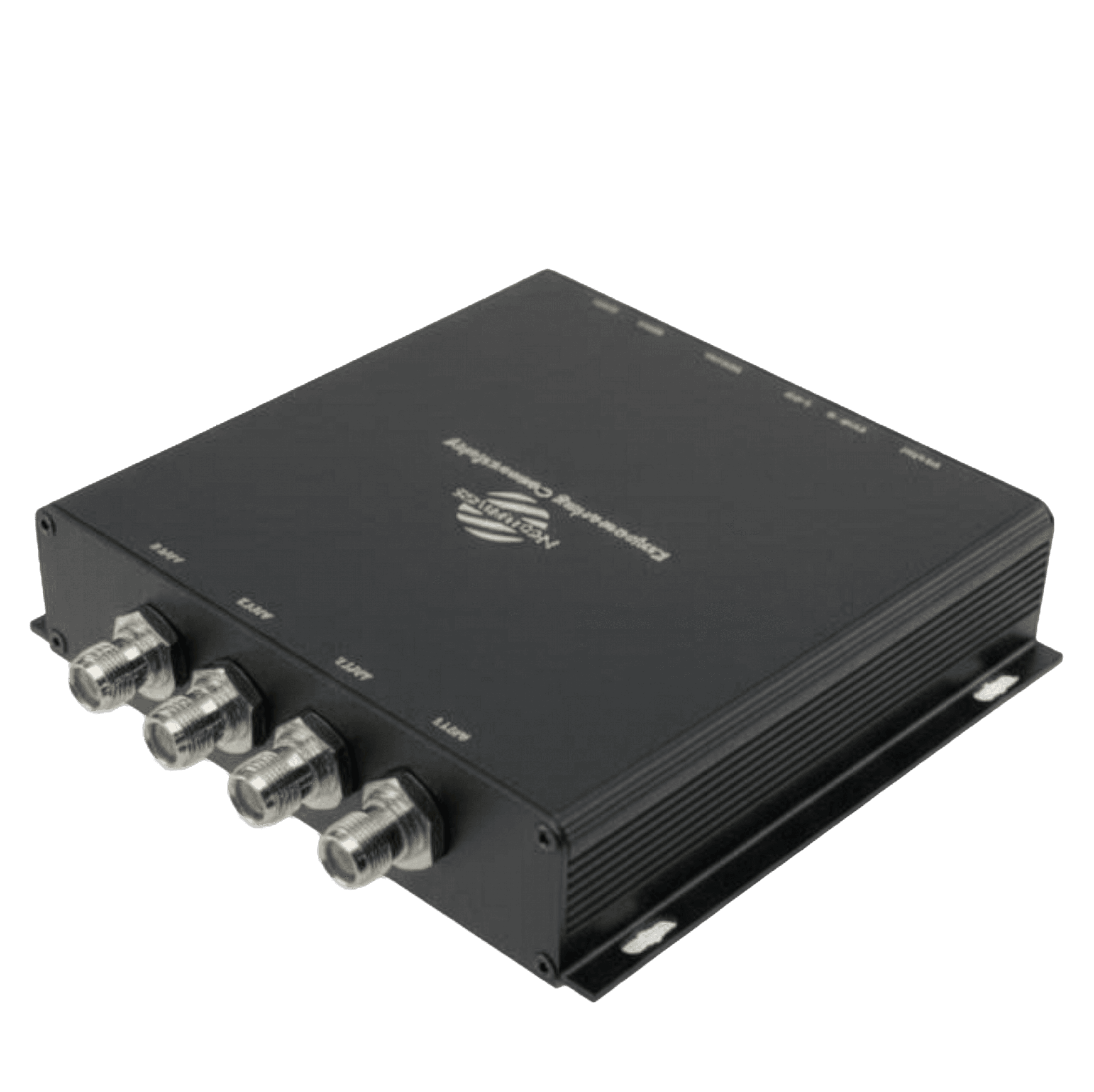
NR155 Vaste IoT UHF RFID-lezer

Cloud-native MQTT/REST API's ingebouwd. Geen eigen SDK's, geen middleware-licenties. Integreer binnen enkele dagen rechtstreeks met uw ERP of WMS.

View Nextwaves NR155
Nextwaves NR155 Fixed IoT UHF RFID Reader

Antennepoorten

4 x RP-TNC-poorten

Leessnelheid

Tot 400 tags/seconde

Uitgangsvermogen

0–33 dBm (1dB stappen)

Netwerkprotocol

MQTT / MQTTS

FAQ

Veelgestelde Vragen

These answers help purchasing and engineering teams review cost, integration, and deployment risk.

01

Wat is de xSpan Gateway?

The Impinj xSpan Gateway is an integrated transition reader designed for overhead mounting. Operating on the 860-960 MHz band, it natively supports the RAIN RFID / ISO 18000-63, Gen2v2 standard specifically for tracking movement through doorways or zones.

02

Hoeveel kost deze setup initieel?

The base unit is generally priced around $3000. However, total deployment costs will vary significantly depending on enterprise middleware licensing and the specifics of your PoE, +24Vdc infrastructure.

03

Waarom zou ik in plaats daarvan voor Nextwaves kiezen?

Nextwaves provides embedded REST API and MQTT endpoints natively on the device. This allows software engineering teams to bypass expensive third-party IoT middleware and integrate RFID data directly into modern ERPs or custom routing backends.

04

Is de hardware duurzaam genoeg voor magazijnen?

The device weighs approximately 2.7 kg and measures 476 x 220 x 88 mm. As a ceiling-mounted unit designed primarily for indoor facilities, its environmental rating (N/A) means it should not be exposed to outdoor precipitation or heavy industrial dust.

05

Ondersteunt het meerdere netwerktypes?

Network integration is handled via its Ethernet, PoE/PoE+ interfaces. Standard enterprise security protocols can be applied over these connections, though dedicated IoT VLANs are often recommended for deployment.

06

Kan mijn team dit intern installeren?

Physical mounting utilizes standard overhead brackets. However, optimizing RF performance requires trained technicians to properly tune the phase arrays against your environment's multipath interference.

07

Hoe werkt het beheer op afstand?

Remote device management and firmware updates are handled through Impinj's ItemSense software or custom Octane SDK scripts.

08

Heb ik propriëtaire software nodig om het te gebruiken?

Most legacy systems require an intermediate middleware layer (such as LLRP translation servers) to feed data from the Ethernet, PoE/PoE+ ports into web applications. This adds both complexity and recurring licensing costs.

09

Welke garantie zit er op de reader?

The manufacturer typically provides a standard one-year hardware warranty. Extended enterprise support contracts and SLAs are generally available for purchase through authorized resellers.

10

Worden de antennes apart verkocht?

Unlike traditional fixed readers, the xSpan Gateway features integrated phase-array antennas designed to detect the direction of tag movement. Tuning this configuration across the 860-960 MHz spectrum is critical to achieving reliable transition events.