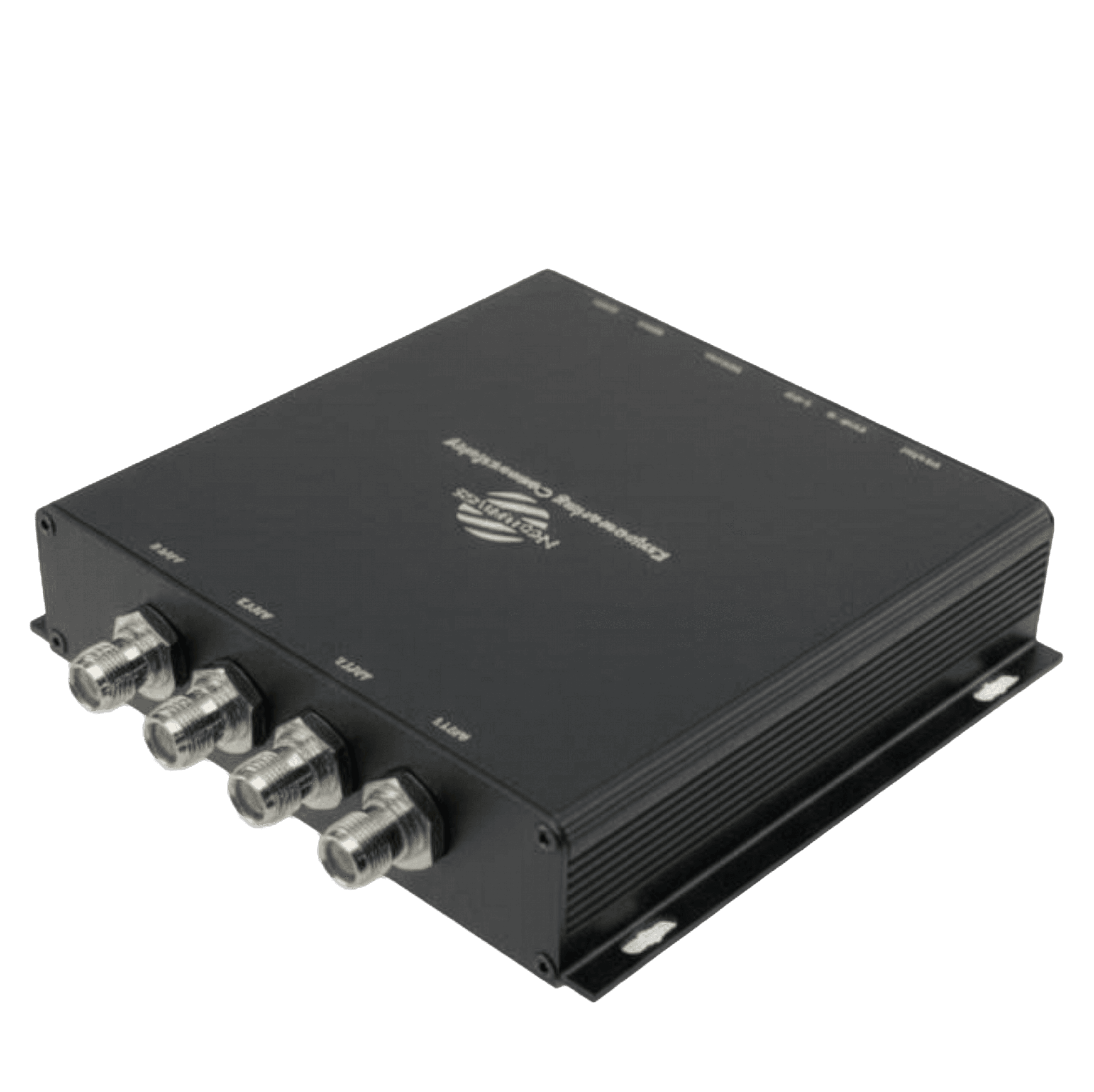
The Honeywell IA33D/IA33E are $150 passive planar arrays. Consider how discrete passive antenna maintenance impacts IT infrastructure overhead.
Technische Specificaties
Hardware Overzicht
De Honeywell IA33D/E is een industriële RFID-apparaat. Het werkt binnen het 865-956 MHz bereik en ondersteunt de N/A (Passive Antenna Element) standaard, waardoor het op grote schaal wordt ingezet in logistieke toepassingen voor bedrijven.
Met een IP-classificatie van IP67 biedt het bescherming tegen specifieke omgevingsomstandigheden die typisch zijn in magazijnen of achterkamers van winkels. De lezer maakt gebruik van N/A (Passive) voor continue prestaties, terwijl de maximale leessnelheid N/A (Passive) bedraagt.
Connectiviteit en netwerkintegratie
In moderne implementaties is netwerkintegratie de grootste hindernis. Dit model biedt N-Type Female opties voor het overbrengen van gegevens terug naar centrale systemen.
Een belangrijk knelpunt met legacy Honeywell hardware is echter de sterke afhankelijkheid van eigen SDK's (zoals LLRP) of dure IoT-middleware van derden om onbewerkte taggegevens te verwerken tot zinvolle business intelligence.
Het Nextwaves Alternatief
Als uw engineeringteam de Honeywell IA33D/E evalueert, biedt de Nextwaves NR155 een aanzienlijk superieure cloud-native architectuur. Legacy-systemen drijven inherent hoge kapitaaluitgaven aan door vendor lock-in en eigen software-ecosystemen.
Nextwaves elimineert deze barrière volledig door een standaard MQTT REST API rechtstreeks op het apparaat te leveren. Uw softwareontwikkelaars kunnen het uitlezen van tags in dagen in uw aangepaste ERP- of WMS-backend integreren in plaats van maanden, waarbij terugkerende licentiekosten voor middleware volledig worden omzeild.
Veelgestelde Vragen
Wat is de IA33D/E?
The Honeywell IA33D (Right-Hand) and IA33E (Left-Hand) are ruggedized circular passive antennas. They support the 865-956 MHz wideband spectrum, radiating signals directed by powerful fixed interrogators like the Honeywell IF2.
Hoeveel kost deze setup initieel?
Priced near $150 individually. System integrators must also allocate substantial budget for the 4-port fixed gateway reader controlling the antennas, plus specialized thick coaxial wiring runs.
Waarom zou ik in plaats daarvan voor Nextwaves kiezen?
Maintaining distributed networks of passive plates and interconnected MCU readers adds vast architectural complexity. Nextwaves streamlines deployment by embedding the processor and gateway cleanly into a single panel handling both RF and IP operations natively.
Is de hardware duurzaam genoeg voor magazijnen?
Housed in a sturdy die-cast chassis spanning roughly 260 x 260 x 30 mm and weighing 1.4 kg, its IP67 rating ensures failure-proof operation during heavy factory dust cycles or direct wash-downs.
Ondersteunt het meerdere netwerktypes?
The hardware has zero computational networking logic. Functional continuity is maintained by twisting low-loss coaxial conduits securely into its N-Type Female port stemming from an active box.
Kan mijn team dit intern installeren?
Installers bolt the heavy plate directly onto dock brackets. Effective deployment requires careful measurement of impedance mismatches over the connecting coaxial line to prevent internal reader damage caused by signal reflection.
Hoe werkt het beheer op afstand?
Working fundamentally as an analog component, its read rate registers as N/A (Passive). The speed of EPC extraction relies exactly on the processor clock of the active reader attached downstream.
Heb ik propriëtaire software nodig om het te gebruiken?
There is no operating system or web server on the panel. Application teams must code webhook parsers directed solely against the master reader machine pulling data from the RF pulse.
Welke garantie zit er op de reader?
Like most standalone arrays, it provides standard 12-month hardware defect coverage. The passive mechanics are essentially immortal assuming the exterior radome survives industrial accidents.
Worden de antennes apart verkocht?
Achieving an 8.5 dBic circular field across the 865-956 MHz band, mixing Right and Left Hand (D/E) variants across warehouse choke points easily neutralizes severe multipath cancellation fields.