CAEN RFID Quattro (R4321P) Review: Specificaties en Alternatieven

Nextwaves Engineering··Hardwarebeoordeling·3 min lezen
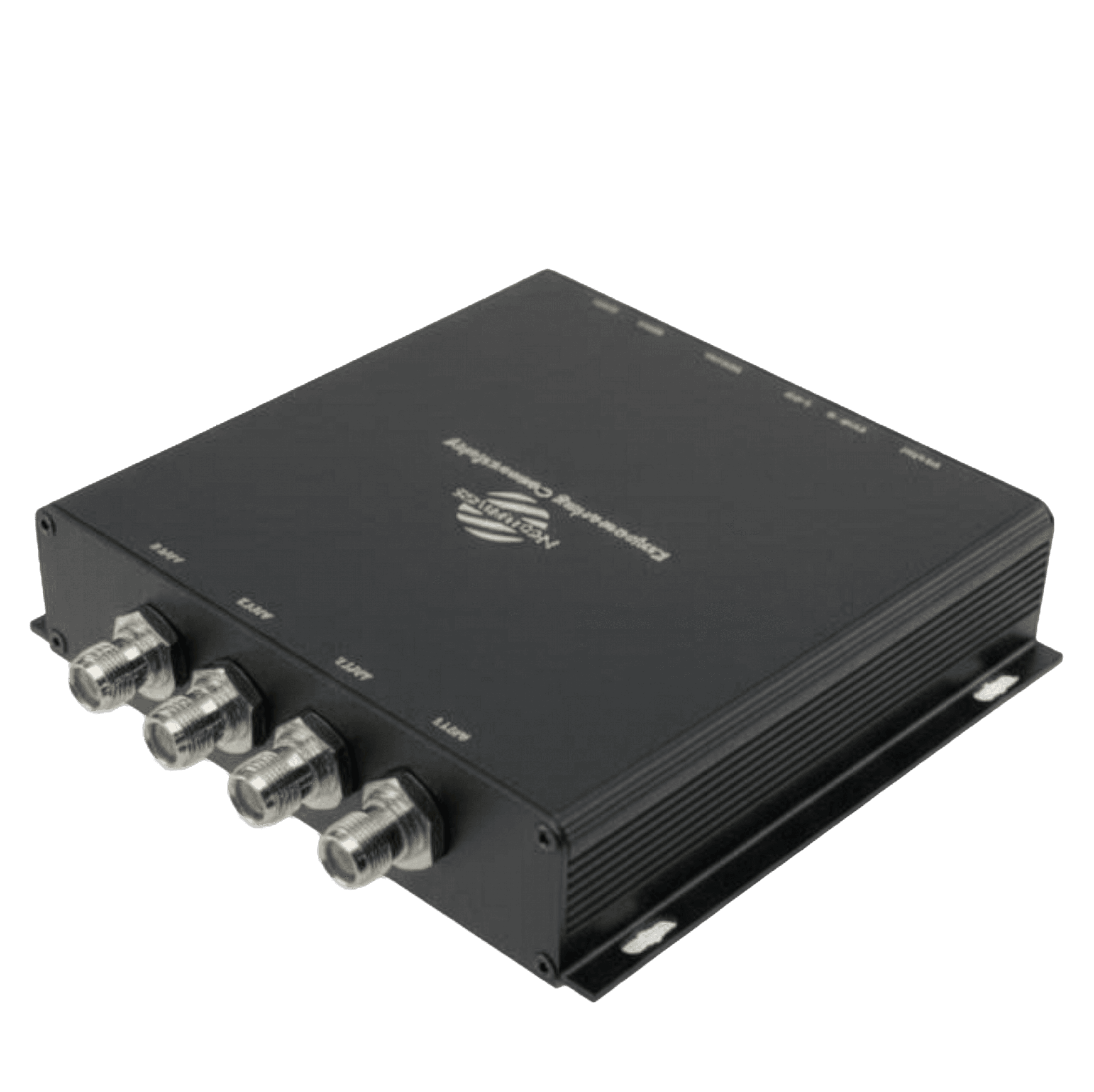
CAEN RFID Quattro (R4321P)

The CAEN RFID Quattro is a 4-port reader for indoor retail or smart cabinets. Compare its $1000 MSRP and specs to Nextwaves REST API controllers.

Technische Specificaties

Frequentie865.6-867.6 MHz (ETSI) / 902-928 MHz (FCC)
ProtocolEPC C1 G2, ISO 18000-63
ConnectiviteitEthernet (PoE), USB, GPIO
IP-classificatieIP30
Afmetingen210 x 140 x 27 mm
Gewicht740 g
Voeding5V DC or PoE (802.3af)
LeessnelheidUp to 400 Kb/s
Geschatte Prijs$1000

Hardware Overzicht

De CAEN RFID Quattro (R4321P) is een industriële RFID-apparaat. Het werkt binnen het 865.6-867.6 MHz (ETSI) / 902-928 MHz (FCC) bereik en ondersteunt de EPC C1 G2, ISO 18000-63 standaard, waardoor het op grote schaal wordt ingezet in logistieke toepassingen voor bedrijven.

Met een IP-classificatie van IP30 biedt het bescherming tegen specifieke omgevingsomstandigheden die typisch zijn in magazijnen of achterkamers van winkels. De lezer maakt gebruik van 5V DC or PoE (802.3af) voor continue prestaties, terwijl de maximale leessnelheid Up to 400 Kb/s bedraagt.

Connectiviteit en netwerkintegratie

In moderne implementaties is netwerkintegratie de grootste hindernis. Dit model biedt Ethernet (PoE), USB, GPIO opties voor het overbrengen van gegevens terug naar centrale systemen.

Een belangrijk knelpunt met legacy CAEN RFID hardware is echter de sterke afhankelijkheid van eigen SDK's (zoals LLRP) of dure IoT-middleware van derden om onbewerkte taggegevens te verwerken tot zinvolle business intelligence.

Het Nextwaves Alternatief

Als uw engineeringteam de CAEN RFID Quattro (R4321P) evalueert, biedt de Nextwaves NR155 een aanzienlijk superieure cloud-native architectuur. Legacy-systemen drijven inherent hoge kapitaaluitgaven aan door vendor lock-in en eigen software-ecosystemen.

Nextwaves elimineert deze barrière volledig door een standaard MQTT REST API rechtstreeks op het apparaat te leveren. Uw softwareontwikkelaars kunnen het uitlezen van tags in dagen in uw aangepaste ERP- of WMS-backend integreren in plaats van maanden, waarbij terugkerende licentiekosten voor middleware volledig worden omzeild.

Veelgestelde Vragen

Wat is de Quattro (R4321P)?

The CAEN RFID Quattro (R4321P) is a compact, stationary EPC C1 G2, ISO 18000-63 RFID reader. Operating on the 865.6-867.6 MHz (ETSI) / 902-928 MHz (FCC) frequency bands, it is primarily intended for indoor smart cabinet or point-of-sale integration.

Hoeveel kost deze setup initieel?

The base hardware cost is generally around $1000. A full deployment budget must include up to 4 external antennas, MMCX cables, and 5V DC or PoE (802.3af) networking switching gear.

Waarom zou ik in plaats daarvan voor Nextwaves kiezen?

Nextwaves maintains an open-architecture approach. Our devices embed MQTT and REST API endpoints natively, allowing developers to query state directly without licensing third-party IoT middleware.

Is de hardware duurzaam genoeg voor magazijnen?

The sleek casing weighs 740 g and has dimensions of 210 x 140 x 27 mm. With an indoor-only IP30 rating, it provides minimal durability against environmental ingress and must be kept away from splashing water.

Ondersteunt het meerdere netwerktypes?

Network connectivity is established through its Ethernet (PoE), USB, GPIO ports. While typical IT protocols provide baseline security, segregating RFID hardware on dedicated LAN subnets is heavily recommended.

Kan mijn team dit intern installeren?

Physical mounting utilizes standard flush brackets. To guarantee accuracy, RF transmission settings and dense-interrogator modes must be calibrated to your facility's indoor interference profile.

Hoe werkt het beheer op afstand?

Under optimal lab conditions, the hardware supports data link rates Up to 400 Kb/s. Firmware and configuration updates are traditionally compiled against the CAEN RFID API.

Heb ik propriëtaire software nodig om het te gebruiken?

Bridging tag data from the Ethernet (PoE), USB, GPIO interfaces to cloud CRMs or ERPs usually requires intermediate C/C++ polling software, which introduces legacy code overhead.

Welke garantie zit er op de reader?

The manufacturer generally backs the hardware with a standard one-year warranty. Integrators often suggest purchasing extended technical agreements for scaled rollouts.

Worden de antennes apart verkocht?

External near-field or far-field antennas are required to establish the RF portal. Antenna polarization must be carefully selected across the 865.6-867.6 MHz (ETSI) / 902-928 MHz (FCC) band.