Pārtrauciet zaudēt pārdošanu fantomu inventāra dēļ. Ziniet precīzi, kas jums ir, kur tas atrodas, katru dienu katru stundu.
Vairāk nekā piecdesmit gadu garumā universālais svītrkods Universal Product Code (UPC) ir bijis mazumtirdzniecības pamats. Tas standartizēja tirdzniecību, ļāva skenēt pie kases un nodrošināja pirmo datorizētās krājumu pārvaldības paaudzi. Taču svītrkodam ir liktenīgs trūkums: tas ir akls. Tam nepieciešama tiešā redzamības līnija, nepieciešama manuāla iejaukšanās, un tas nespēj atšķirt divus identiskus priekšmetus. Šis ierobežojums ir radījis globālu krīzi, kas pazīstama kā “Inventory Distortion” — tūkstošiem miljonu dolāru vērta problēma, kuras dēļ mazumtirgotāji vienkārši nezina, kas viņiem patiesībā ir.
Vairāk nekā piecdesmit gadu garumā universālais svītrkods Universal Product Code (UPC) ir bijis mazumtirdzniecības pamats. Tas standartizēja tirdzniecību, ļāva skenēt pie kases un nodrošināja pirmo datorizētās krājumu pārvaldības paaudzi. Taču svītrkodam ir liktenīgs trūkums: tas ir akls. Tam nepieciešama tiešā redzamības līnija, nepieciešama manuāla iejaukšanās, un tas nespēj atšķirt divus identiskus priekšmetus. Šis ierobežojums ir radījis globālu krīzi, kas pazīstama kā “Inventory Distortion” — tūkstošiem miljonu dolāru vērta problēma, kuras dēļ mazumtirgotāji vienkārši nezina, kas viņiem patiesībā ir.
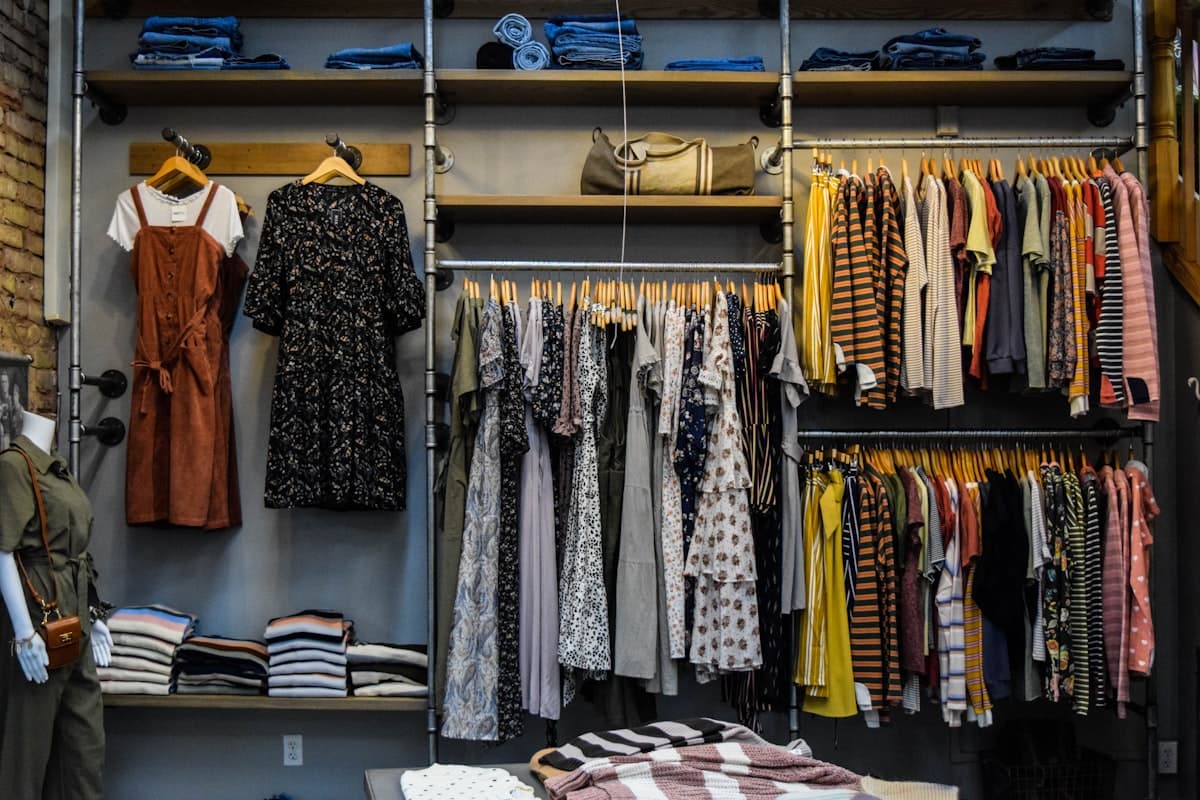
Mūsdienu omnichannel laikmetā šī “akluma” problēma ir eksistenciāla. Kad klients tiešsaistē pasūta preci saņemšanai veikalā (BOPIS), sistēma pārbauda krājumu datubāzi. Datubāze rāda: “Quantity: 1”. Bet vai tā tur ir? Vai atrodas noliktavas aizmugurē? Vai pieejama ģērbtuves zonā? Vai tā ir nozagta? Vai varbūt pārdota vakar, bet datubāze nav atjaunināta?
Rezultātā veidojas trausla piegādes ķēde, ko amortizē “drošības krājumi” — pārāk daudz nopirkta inventāra tikai datu neprecizitāšu segšanai. Mazumtirgotāji noslīkst inventārā, ko viņi nevar pārdot, vienlaikus zaudējot pārdošanu precēm, kuras viņi “ir”, bet nevar atrast. Manuālais cikla uzskaitījums — tradicionālais risinājums — ir pārāk lēns, pārāk dārgs un pārāk kļūdains, lai to atrisinātu. Nozarei nepieciešamas paradigmmaiņas no “skenēšanas” uz “sensing”.
Galvenie sāpīgie punkti 01
Fantomu inventārs
Datu novirze ietver pakāpenisku fiziskās realitātes atdalīšanu no digitālajiem ierakstiem. 'Fantomu inventārs' rodas, kad sistēmas rāda krājumus, kas nepastāv, kā rezultātā tiek atcelti 22% BOPIS pasūtījumu un tiek iznīcināta klientu lojalitāte.
Galvenie sāpīgie punkti 02
Darbaspēka izmantošana
Veikalā, kurā netiek izmantots RFID, darbinieki pavada 20-30% sava laika, meklējot produktus vai veicot manuālu uzskaiti. Šis ir augstu izmaksu darbs, kas novirzīts no galvenā mērķa: klientu apkalpošanas un pārdošanas.
Galvenie sāpīgie punkti 03
Zudumi un pelēkie tirgi
Bez serializētas identitātes (EPC) nozagts priekšmets ir tikai 'mīnus viens'. Mazumtirgotāji nevar izsekot organizētā mazumtirdzniecības nozieguma (ORC) modeļiem vai identificēt, vai atgrieztās preces patiesībā ir viltojumi, kas iegādāti no pelēkajiem tirgiem.
Mūsu pieeja
Digitālā dvīņu arhitektūra
Nextwaves ievieš “Source-to-Store” arhitektūru, balstoties uz EPC Gen2 V2 standartu. Sākums nav veikalā, bet ražošanas punktā. Iekļaujot pasīvu UHF RFID inlay aprūpes birkā (care label) vai cenu kartē fabrikā, mēs katram unikālam produktam piešķiram digitālu “dvēseli” — serializētu elektronisko preces kodu (EPC).
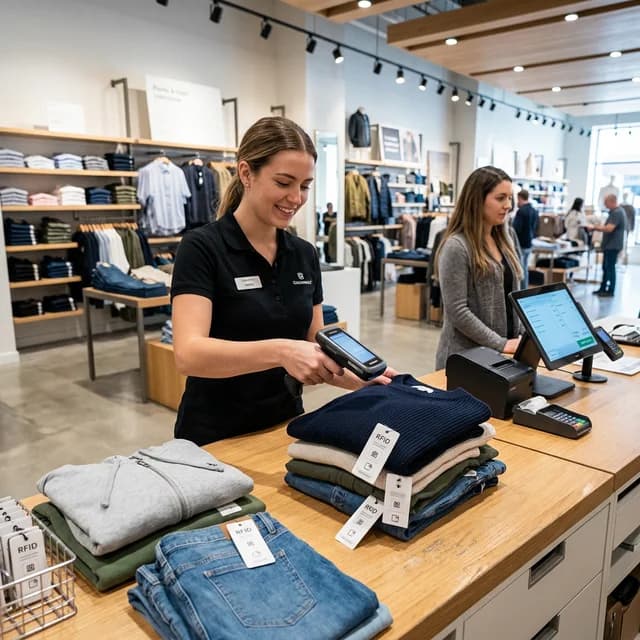
Kamēr šīs preces pārvietojas pa piegādes ķēdi, tās šķērso “Read Points” — tuneļu lasītājus izplatīšanas centros, pārkareņu (overhead) masīvus sagatavošanas zonās un galu galā rokas skenēšanas ierīces mazumtirdzniecības veikalā. Atšķirībā no svītrkodiem šie lasītāji izmanto radioviļņus, lai aktivizētu tagus, ļaujot nolasīt simtiem preču sekundē bez vizuāla kontakta.
Tādējādi tiek izveidots reāllaika “Digital Twin” krājumiem. Kad sūtījums nonāk veikalā, to manuāli vairs nesaskaita — tas tiek pārbaudīts acumirklī. Kad klients uzvelk kreklu, vieda ģērbtuve to atpazīst. Kad prece atstāj veikalu, EAS vārti nekavējoties atjaunina krājumu datus. Mēs pārejam no “Inventory Estimation” uz “Inventory Certainty”.
Ko jūs saņemat
Stratēģiskais ROI un ietekme
01
99,9% precizitāte
Sasniegt absolūtu pārliecību par krājumiem. Iespējojiet 'Pieejams apsolīšanai' (ATP) e-komercijā ar nulles buferkrājumiem.
02
Konversijas pieaugums
Pilotu dati liecina par konsekventu pārdošanas apjoma pieaugumu par 5-15%. Ja tas ir uz grīdas, tas pārdodas. Ja tas ir aizmugurē, tas nepārdodas.
03
Zaudējumu izlūkošana
Ne tikai pīkstiet pie durvīm. Ziniet precīzi, KAS tika nozagts, KAD, un nekavējoties to papildiniet.
04
Viedā pieredze
Iespējojiet 'Burvju spoguļus', kas iesaka atbilstošus priekšmetus, pamatojoties uz to, ko klients ienesa pielaikošanas telpā.
Gadījuma izpēte
Gadījuma izpēte: Uniqlo RFID transformācija
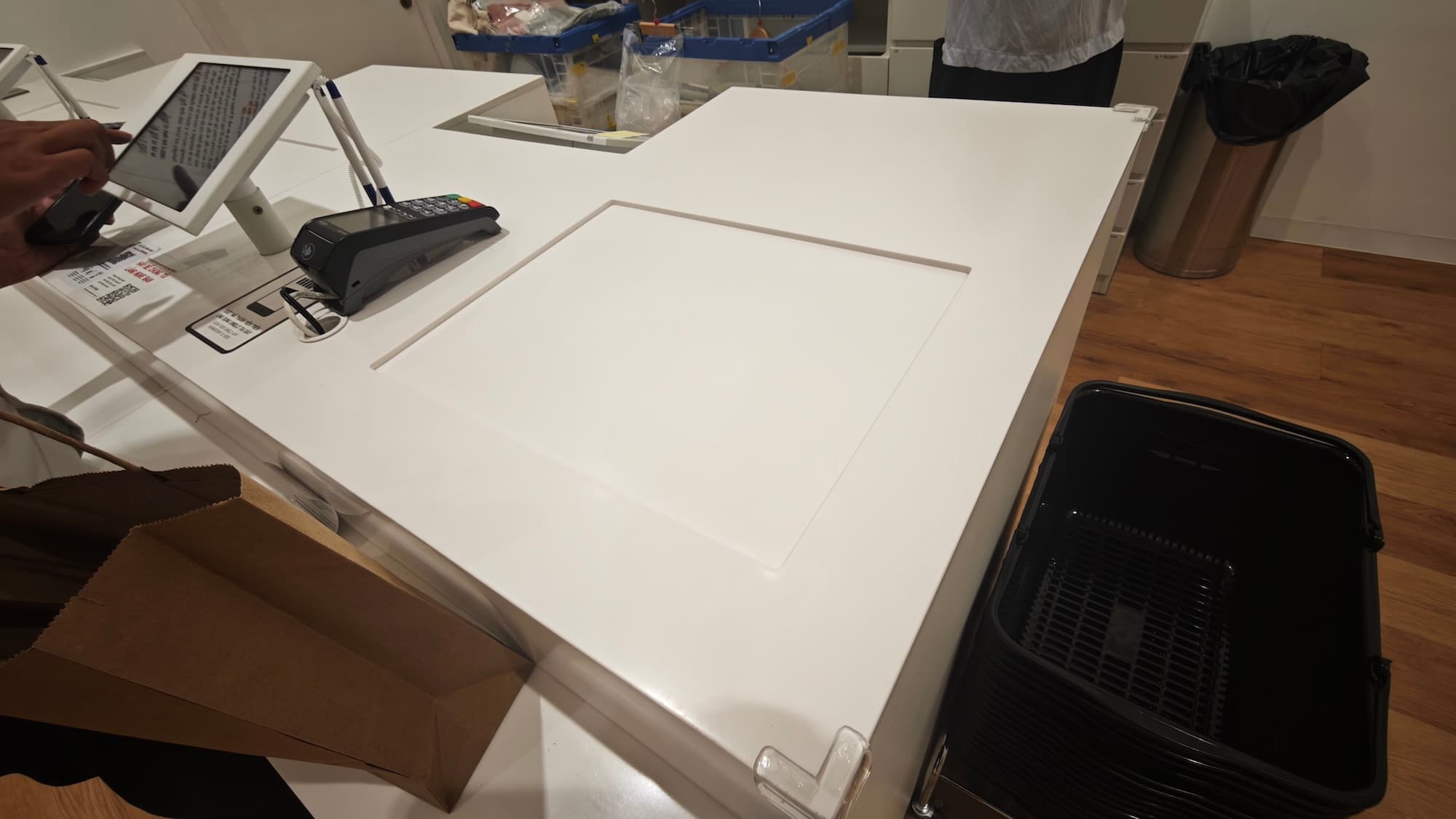
Ieguldot RFID tagus katrā atsevišķā produktā, Uniqlo sasniedza gandrīz 100% krājumu precizitāti. Bet īstā burvība notiek norēķināšanās laikā: klienti vienkārši ieliek savas preces automatizētā tvertnē, kas nekavējoties vienlaikus nolasa visus RFID tagus. Šī bezberzes pieredze krasi samazināja gaidīšanas laiku, novērsa rindas pie kases un ļāva veikala darbiniekiem koncentrēties uz klientu apkalpošanu, nevis svītrkodu skenēšanu. Iegūtā datu izlūkošana nozīmē arī to, ka viņi precīzi zina, kad ir jāpapildina konkrēts izmērs vai krāsa, praktiski novēršot krājumu trūkumu un palielinot kopējo pārdošanas apjomu.
Katram produktam ražošanas brīdī tiek piešķirta unikāla digitālā identitāte. Pasīvs UHF RFID tags, kas maksā mazāk nekā papīra birka, bet nes serializētu kodu, kuru nav iespējams dublēt. Kad rokas lasītājs pārslauka plauktu ar 500 krekliem, visi 500 tiek saskaitīti mazāk nekā 3 sekundēs. Nav jāizkrauj, nav jāskanē pa vienam.
Sistēma izmanto standarta GS1 EPC Gen2 V2 tagus, kas ietver pret dublēšanu (anti-cloning) autentifikāciju — būtiski augstas vērtības un luksusa precēm, kur viltojumi ir reāls risks. Mūsu edge programmatūra filtrē troksni (tagi, kas nolasīti no nepareizās zonas, nepilnīgas nolasīšanas no metāla stiprinājumiem), lai jūsu panelī nonāktu tīri un izmantojami dati.
Viss pieslēdzas jūsu esošajam WMS vai ERP reāllaikā. Uztveriet to kā krājumu “pulsa” piešķiršanu. Sistēma vienmēr zina, kas pārvietojās, kur tas atrodas un kad tas tika saņemts.
Kas tālāk
Kas notiek pēc precizitātes
Kad krājumi ir precīzi, nākamā transformācija ir pilnībā likvidēt berzi. Mēs pilotējam “Grab-and-Go” veikalu formātus, kuros klienti iziet ārā bez apstāšanās pie kases. Sistēma nolasa viņu grozu pie izejas un automātiski iekasē summu no konta.
Tā pati infrastruktūra nodrošina viedās ģērbtuves, kas piedāvā komplektu ieteikumus, dinamiskus papildināšanas brīdinājumus, kuri ieslēdzas vēl pirms plaukts paliek tukšs, un zādzību novēršanu, kas ļauj precīzi zināt, kas paņemts un kad. Precizitāte bija pamats. Īstā vērtība ir tas, ko jūs uz tā uzbūvējat.
Sākuma komplekti
Gatavi izvietošanai RFID komplekti
Sākot no999 USD
Mazumtirdzniecības sākuma komplekts
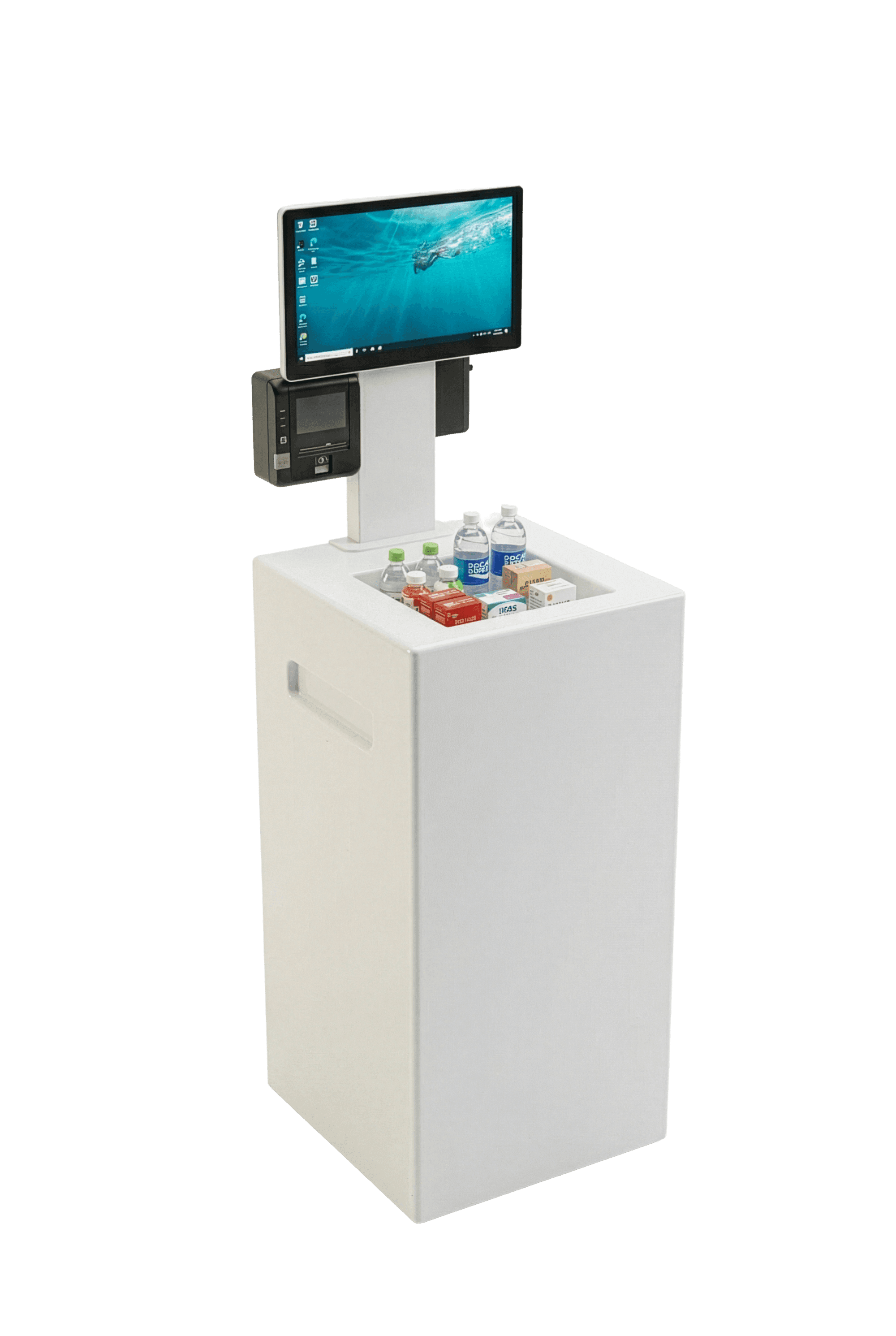
Paātriniet norēķināšanos un automatizējiet krājumu uzskaiti modes veikalos, kosmētikas veikalos un mazumtirdzniecības ķēdēs.