Aktīvu krāšana un zaudējumi
Tā kā personāls nevar atrast aprīkojumu, viņi to krāj skapjos un griestu flīzēs. Slimnīcas beigās iegādājas 130% no sava nepieciešamā autoparka, bet izmantošana joprojām ir zem 40%. Miljoniem dolāru stāv dīkstāvē.
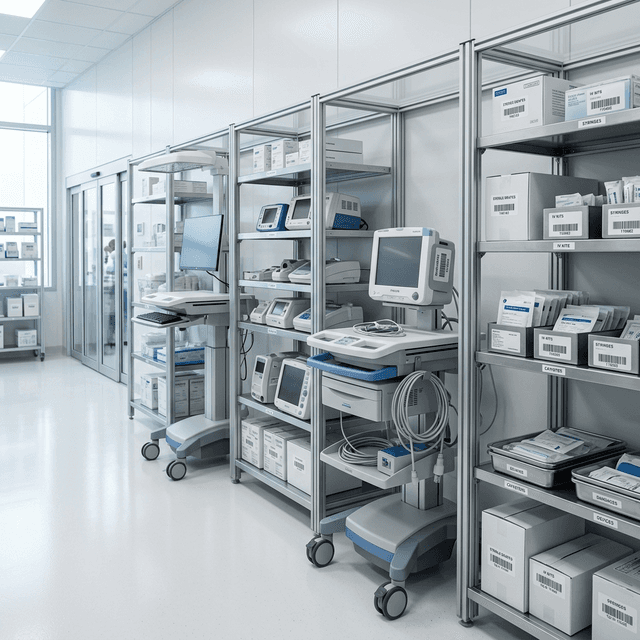


Slimnīcas ir sarežģītas, haotiskas vides, kur lēmumi par dzīvību un nāvi ir atkarīgi no loģistikas. Taču vidējā māsa vienā maiņā pavada 1 stundu — 12% no sava laika — meklējot aprīkojumu. Viņas meklē IV sūkņus, ratiņkrēslus, telemetrijas komplektus un brūču vaku sistēmas. Tā ir “Hunt and Gather” tipa medicīna.
Papildus aktīviem, arī medikamentu pārvaldībai raksturīgs risks. Manuāla crash cart (ātrās palīdzības ratiņu) un zāļu paplāšu izsekošana noved pie tā, ka zāles ar beigušos termiņu paliek apgrozībā. Viena neievērošana var novest līdz “Sentinel Event”.
Turklāt pacienta plūsma ir necaurredzama. Bottleneck problēmas ER vai OR zonā samazina caurlaidspēju un pasliktina pacientu apmierinātību. Bez datiem administratori nevar optimizēt personāla noslogojumu vai gultu apriti.
Tā kā personāls nevar atrast aprīkojumu, viņi to krāj skapjos un griestu flīzēs. Slimnīcas beigās iegādājas 130% no sava nepieciešamā autoparka, bet izmantošana joprojām ir zem 40%. Miljoniem dolāru stāv dīkstāvē.
Ātrās palīdzības ratiņu papildināšana manuāli ir pakļauta kļūdām. Garām palaista beigusies epinefrīna ampula ir saistīta ar atbildību. Zāļu novirzīšana (zagšana) ir arī pieaugoša problēma, ko manuāli žurnāli nevar novērst.
Ir ļoti svarīgi zināt, kurš aprīkojums mijiedarbojās ar infekciozu pacientu. Bez digitālās kontaktu izsekošanas slimnīcām ir jāizolē aktīvi, traucējot darbību.
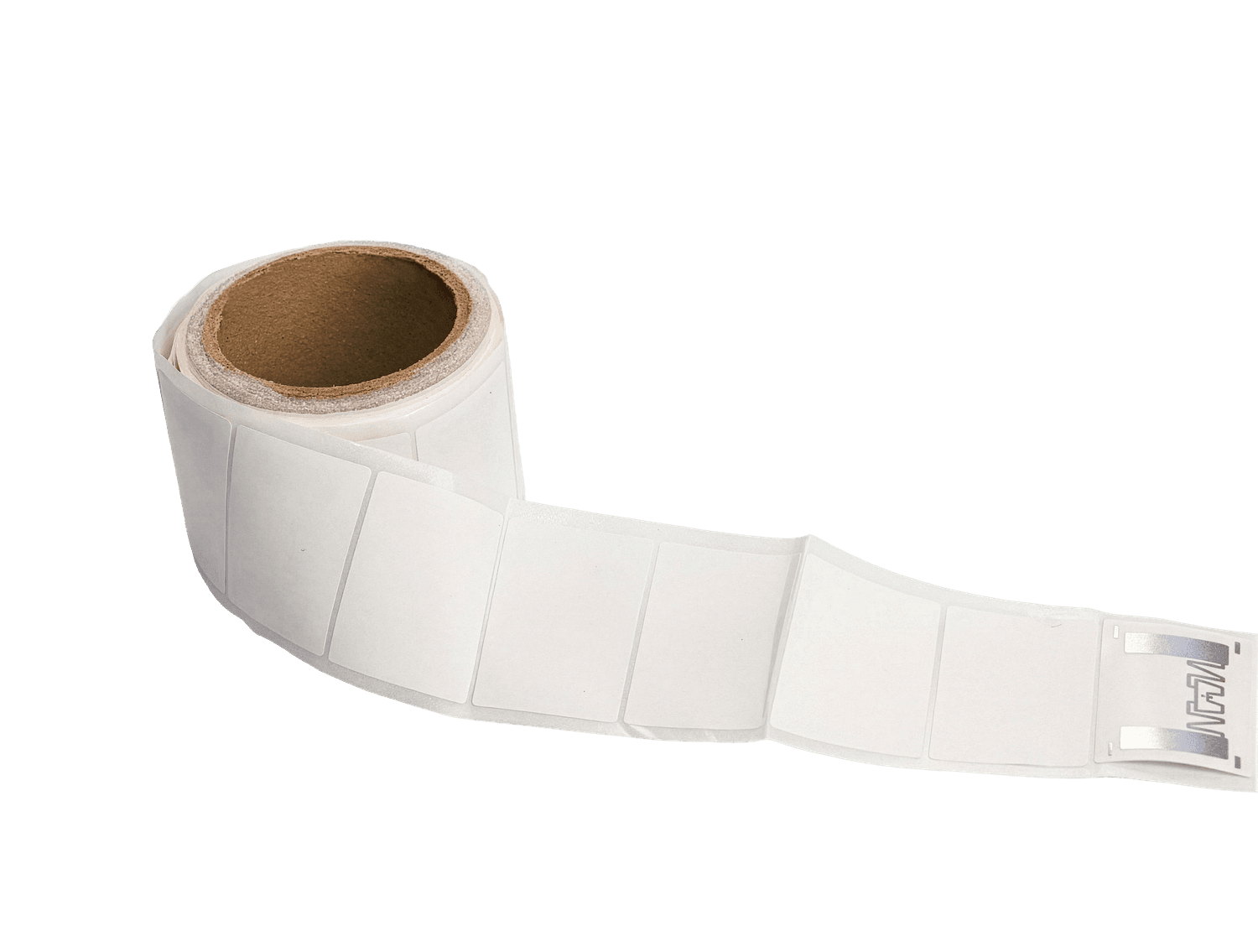
Nextwaves ievieš hibrīdu Real-Time Location System (RTLS). Augstas apjoma patēriņa materiāliem un zemas izmaksas aktīviem (veļai, mapēm, medikamentiem) mēs izmantojam pasīvu UHF RFID, bet augstas vērtības mobilo aprīkojumu — Active (BLE/Wi‑Fi) izsekošanu.
Mūsu “Smart Cabinets” automātiski izseko katru zāļu flakonu (vial), kas tiek izņemts, uzreiz atjauninot pacienta lietu un inventāru. Pie griestiem uzstādītie masīvi izseko gultu un sūkņu pārvietošanos visā objektā, vizualizējot tos digitālā kartē.
Šī sistēma izveido “Chain of Custody” ķēdi. Mēs precīzi zinām, kurš paņēma zāles, kuram pacientam un kad. Mēs precīzi zinām, kur atrodas infūzijas sūknis un vai tas kopš pēdējās lietošanas ir iztīrīts.
Novērsiet 'Nekad notiekošus gadījumus'. Automatizētas pārbaudes nodrošina pareizo medikamentu, pareizu devu, pareizu pacientu.
Samaziniet autoparka izmēru par 20%, vienlaikus palielinot pieejamību. Pārtrauciet pirkt sūkņus, kas jums nav vajadzīgi.
Atgrieziet medmāsām viņu laiku. Ļaujiet viņām koncentrēties uz aprūpi, nevis loģistiku.
Automatizēti žurnāli The Joint Commission (TJC). Nekavējoties pierādiet sterilitātes un apkopes atbilstību.
500 gultu traumu centrs saskārās ar problēmām ar ER caurlaidspēju un hronisku IV sūkņu trūkumu. Medmāsas ziņoja par aprūpes kavēšanos aprīkojuma trūkuma dēļ.
Medicīnas RFID līmenis ir augstāks nekā mazumtirdzniecībā. Nevienā brīdī uz taga netiek rakstīti pacienta vārds, diagnoze vai jebkāda personu identificējoša informācija (PII). Tagos ir tikai anonīms tokens — skaitlis, kam nav nozīmes bez drošas sistēmas aizmugures (secure backend), kas to sasaista ar pacienta ierakstu.
Datu slānis ir šifrēts, kontrolēta piekļuve un veikta piekļuves uzskaite. Klīnicisti redz tikai tādus datus, kurus atļauj viņu loma. Administratori redz izmantošanas pārskatus. Neviens neredz pacienta datus tieši caur RFID slāni. Mēs pilnībā atbilstam HIPAA pēc konstrukcijas, nevis ar politikas apiešanas risinājumiem.
Atrašanās vietas dati ir tikai sākums. Kad ir nepārtraukta plūsma par to, kur atrodas katrs aktīvs un pacients, parādās modeļi. Mēs izstrādājam modeļus, kas var paredzēt iekārtu sastrēgumu 4–6 stundas pirms tā notiekšanas, dodot dežurējošām māsām laiku pārdalīt resursus pirms aprūpe tiek ietekmēta.
Pavisam drīz: gultas, kas automātiski ziņo par pacienta svara un spiediena izmaiņām, viedie skapji, kas pārliek zāles pirms to izbeigšanās, un operāciju zāles plānošana, kas reāllaikā pielāgojas faktiskajai iekārtu atrašanās vietai, nevis pieņēmumiem.
Aizsargājiet klēpjdatorus un IT aprīkojumu ar RFID drošības vārtiem, pretmetāla tagiem un automatizētiem auditiem.
Ļaujiet tehnoloģijai veikt meklēšanu. Jūs nodarbojieties ar ietaupījumiem.