Atkārtota slodze
Tūkstošiem grāmatu manuāla skenēšana izraisa atkārtotas slodzes traumas (RSI) personālam.
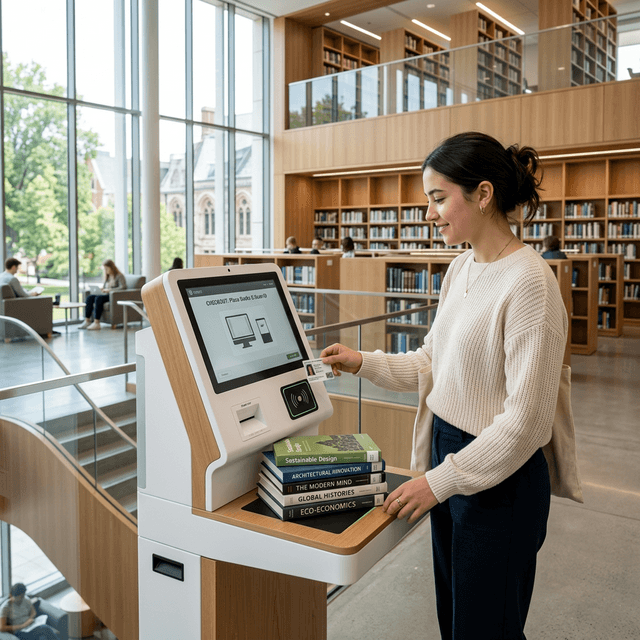


Bibliotēkas ir kopienas centri, taču bibliotekāri bieži jūtas kā noliktavas darbinieki. Darba stundas tiek patērētas manuāliem uzdevumiem: grāmatu izsniegšanai un atgriešanai, atgriezumu šķirošanai un nepareizi novietotu vienumu meklēšanai, izmantojot redzamības līnijas svītrkodu skenerus.
Apmeklētāji vēlas ērtības. Viņi vēlas paņemt grāmatu un doties, vai atgriezt to 24/7 bez rindas. Tradicionālās EM drošības sloksnes pasargā no zādzībām, taču nesniedz nekādu inventāra inteliģenci.
Rezultāts ir berzes pilna pieredze, kur personāls tiek ierauts administratīvos darbos, nevis iesaistās kopienā.
Tūkstošiem grāmatu manuāla skenēšana izraisa atkārtotas slodzes traumas (RSI) personālam.
Nepareizi novietota grāmata ir zaudēta grāmata. Bez RFID, grāmatas atrašana, kas novietota uz nepareiza plaukta, ir adatas meklēšana siena kaudzē.
Pīķa laikā pie izsniegšanas letes veidojas garas rindas, kas rada vilšanos apmeklētājiem.
Nextwaves ieved bibliotēku mūsdienās ar HF/NFC un UHF RFID risinājumiem. Mēs ievietojam plānu, neredzamu RFID tagu katras grāmatas muguriņā vai vākā.
Pašapkalpošanās kioski ļauj apmeklētājiem uz paliktņa uzreiz sakraut 5–10 grāmatas. Sistēma tās nolasa nekavējoties, deaktivizē drošības bitu un dažu sekunžu laikā izdrukā kvīti.
Viedie grāmatu atdošanas tekņi (AMH) pieņem grāmatas visu diennakti. Kad grāmata slīd pa tekni, tā tiek noskenēta, reģistrēta atgriešanai un pat automātiski sašķirota nodalījumos atkārtotai novietošanai. Personāls var izmantot rokas skenerus, lai ātri pārstaigātu plauktus, uzreiz atrodot pazaudētas grāmatas un pārbaudot kārtību.
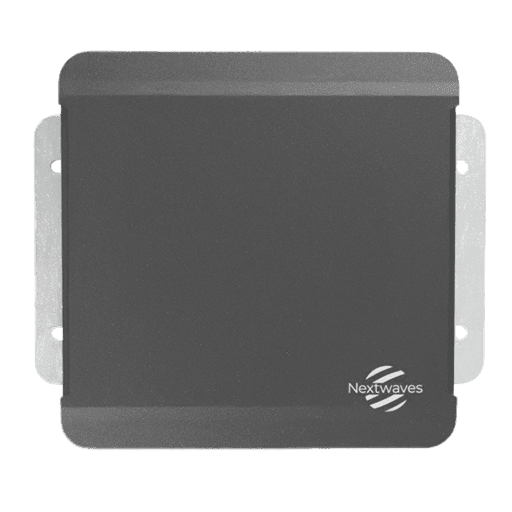
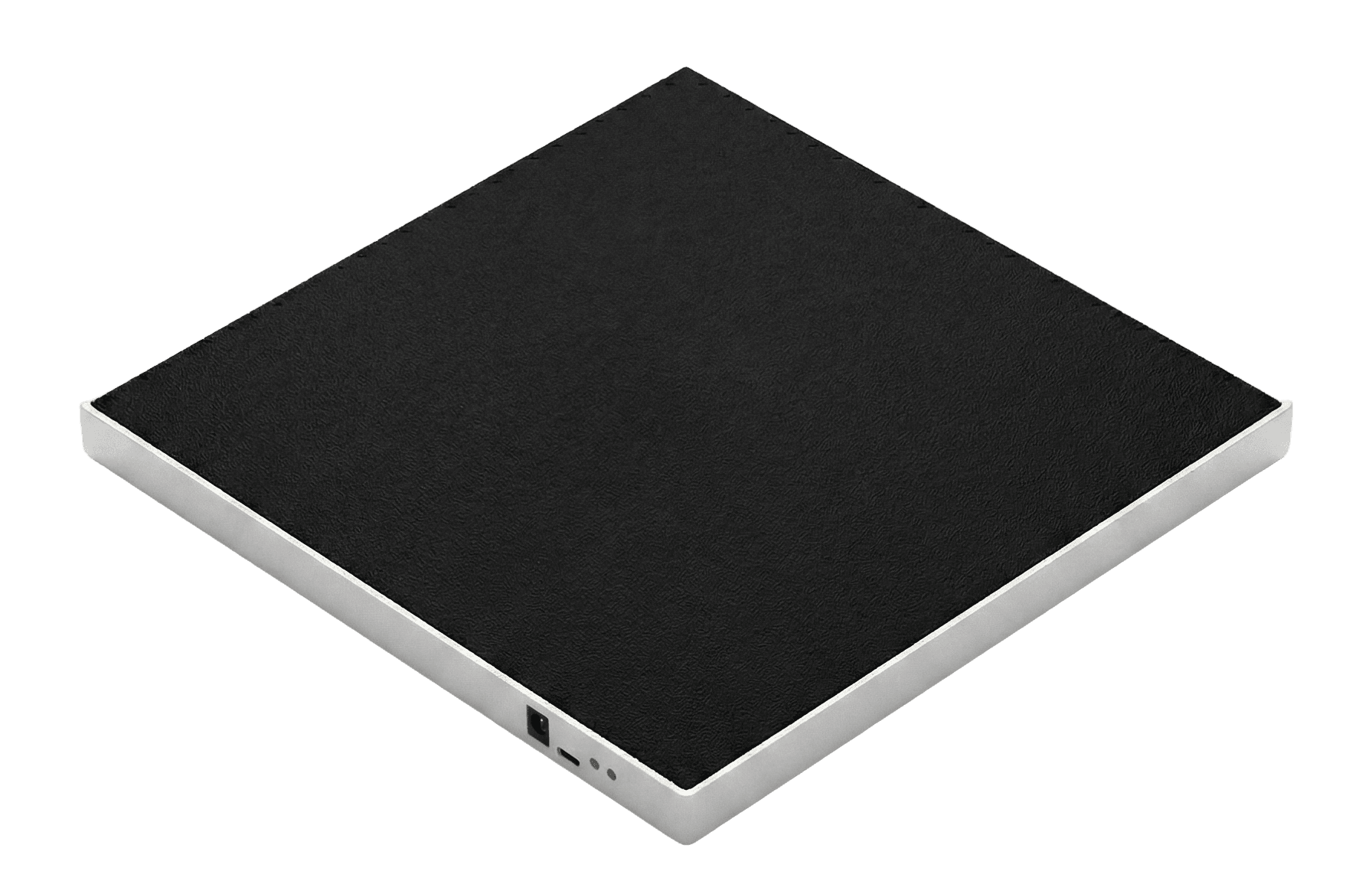
Dodiet apmeklētājiem iespēju nekavējoties izņemt un atgriezt preces, samazinot rindas.
Atrodiet nepareizi novietotu grāmatu dažu sekunžu laikā, vienkārši ejot pa plauktu ar nūjiņu.
Automātiskās grāmatu nodošanas nekavējoties atjaunina apmeklētāja kontu.
Bibliotekāri pāriet no 'grāmatu apstrādātājiem' uz 'informācijas speciālistiem'.
Jauna centrālā bibliotēka vēlējās atvērties ar 'bezpersonāla' aprites modeli, lai maksimāli palielinātu budžetu kopienas programmām.
Visas bibliotēkas krājuma pāreja uz RFID ir nozīmīgs darbs, tāpēc mēs projektējam līdzāspastāvēšanai. Mūsu hibrīdie tagi ietver gan esošo svītrkodu, gan jaunu RFID mikroshēmu vienā un tajā pašā etiķetē, tāpēc jūsu esošā ILS sistēma turpina darboties, kamēr darbinieki pakāpeniski pāriet uz RFID darba plūsmām savā tempā.
Lielākajai daļai publisko bibliotēku mēs iesakām HF (13,56 MHz). Šī ir tā pati frekvence, ko izmanto maksājumu kartes un NFC tālruņi, nodrošinot lielisku precizitāti un apmeklētāju privātumu. Lielas akadēmiskas arhīvu kolekcijas ar lielu inventāra apjomu gūst labumu no UHF ātruma. Mēs novērtējam jūsu kolekciju un ieteicam pareizo frekvenci, nevis vienu pieeju visiem.
RFID padara iespējamu “bez personāla” stundu modeli. Reģistrēti apmeklētāji var piekļūt ēkai ar biedra karti, patstāvīgi pārlūkot un izsniegt grāmatas, kā arī atgriezt vienumus ar automatizētiem atdošanas punktiem — otrdien pulksten 22:00 vai svētdien pulksten 6:00.
Tā pati infrastruktūra darbiniekiem atbloķē inventāra inteliģenci: rokas skenera “slaucīšana” pa visu eju aizņem minūtes un uzrāda visus nepareizi novietotos vienumus. Kas agrāk bibliotekāram prasīja pilnu maiņu, tagad paņem dažas minūtes dienas sākumā.
Aizsargājiet klēpjdatorus un IT aprīkojumu ar RFID drošības vārtiem, pretmetāla tagiem un automatizētiem auditiem.
Izveidojiet nevainojamu, modernu pieredzi saviem patroniem.